How to Decorate for Christmas With Pets: Safe Festive Tips
Pets have a way of editing a Christmas scheme. Dogs test the tree skirt with muddy paws, cats inspect every ribbon, and small pets notice changes in the room long before the guests do. The goal is not a museum display; it is a home that still feels joyful when real animals live in it.
If you want a calm plan for how to decorate for christmas with pets, think at animal height first. What can be knocked, chewed, swallowed, pulled or slept on? Once those risks are moved, covered or swapped for sturdier pieces, the rest of your decorating can be as pretty as you like.
A pet-safe room also looks better. Clear floors, anchored trees, protected cords and washable throws create a relaxed background, so your best ornaments and candles can sit higher up where they catch the light instead of collecting paw prints.
1. Set Up Decor at Pet Height First

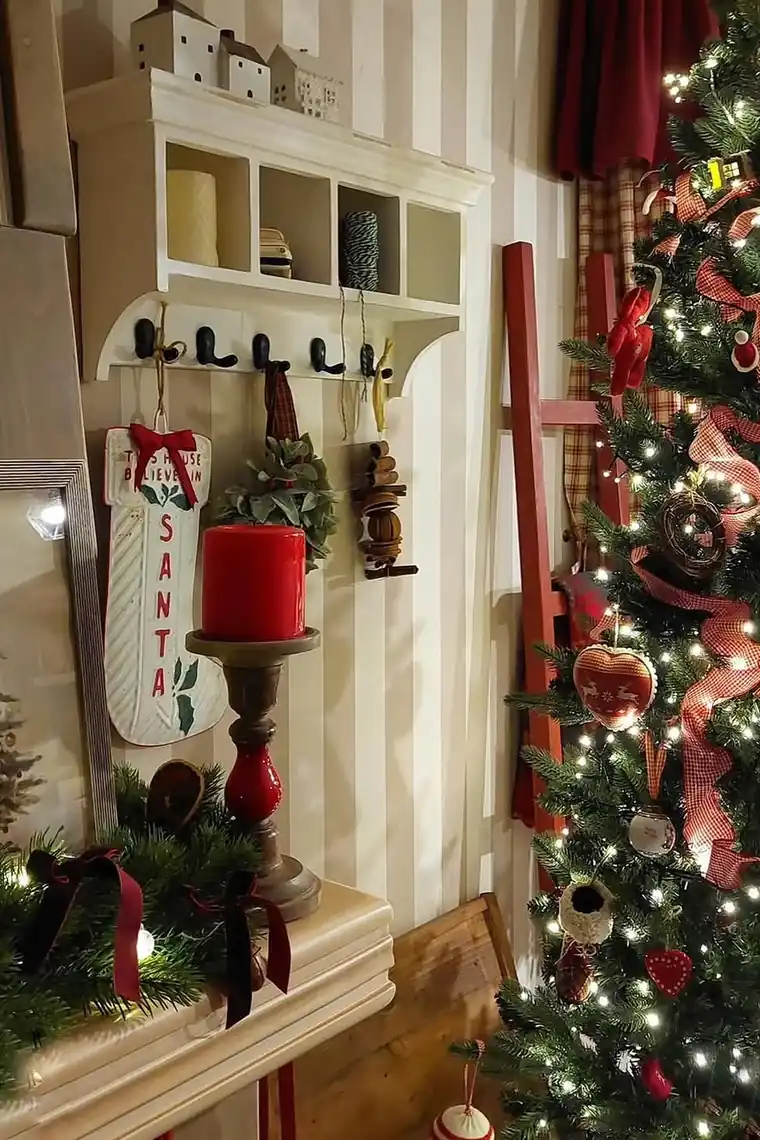
Photo credit: @christmas_interior on Instagram
Walk the room slowly and look at Christmas from your pet’s level. For a dog, that means tail height, nose height and the sweep of an excited turn near the tree. For a cat, it means launch points, dangling ends and anything shiny within one good stretch. For small pets in enclosures, it means cords, heat and scents reaching into their space.
Move the fragile and edible things before you decorate, not after the first accident. Keep chocolate, wrapped food gifts, scented pinecones and breakable ornaments off low tables during setup. Once the safe zones are clear, add decorations from the top down: high shelves and mantels first, tree and table pieces last.
Room note: Leave a clear path between the pet’s bed, water and door. A decorated room works better when animals do not have to weave through garland, gifts and light cords to live normally.
2. Choose Sturdy Trees, Wreaths and Table Decor
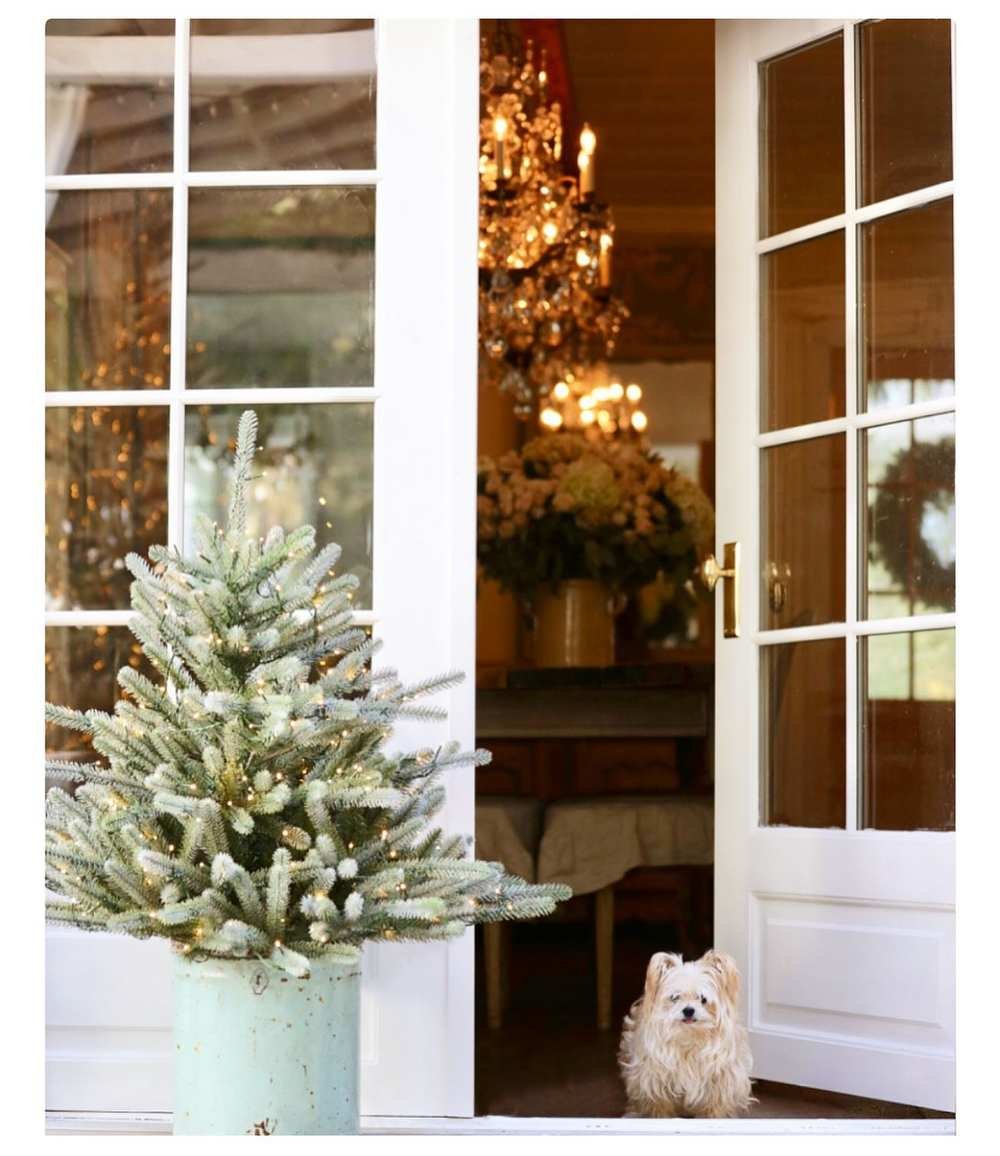
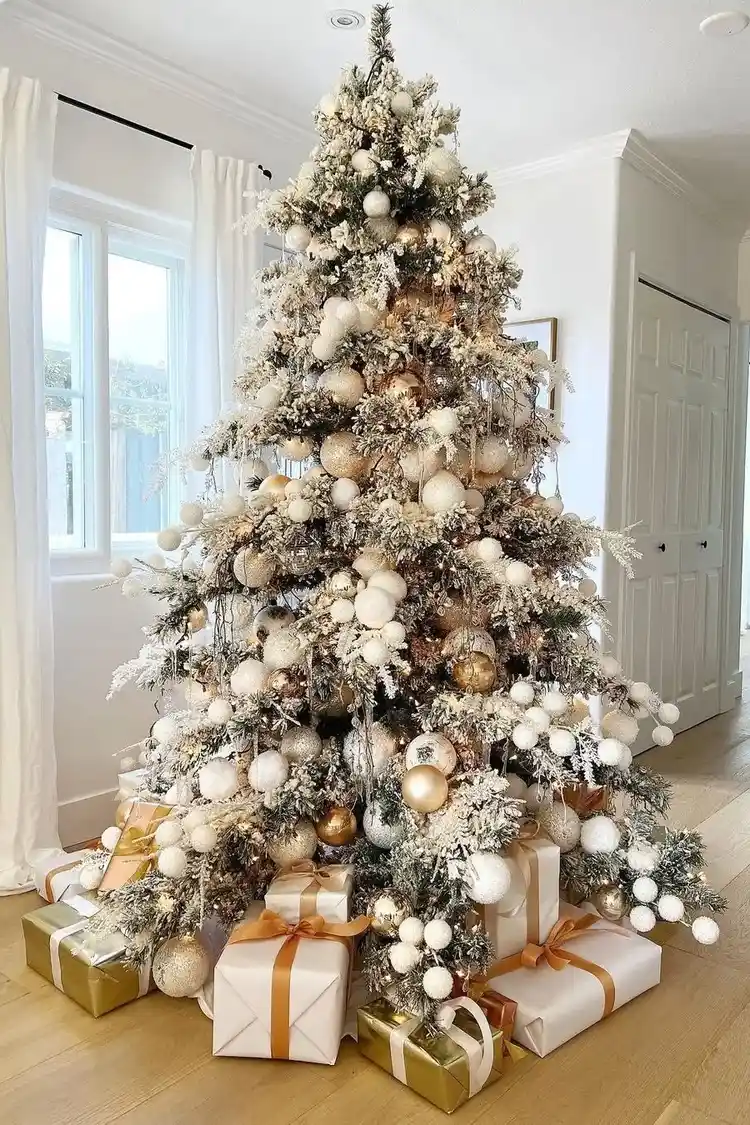
Photo: Courtney Allison (@frenchcountrycottage) on Instagram
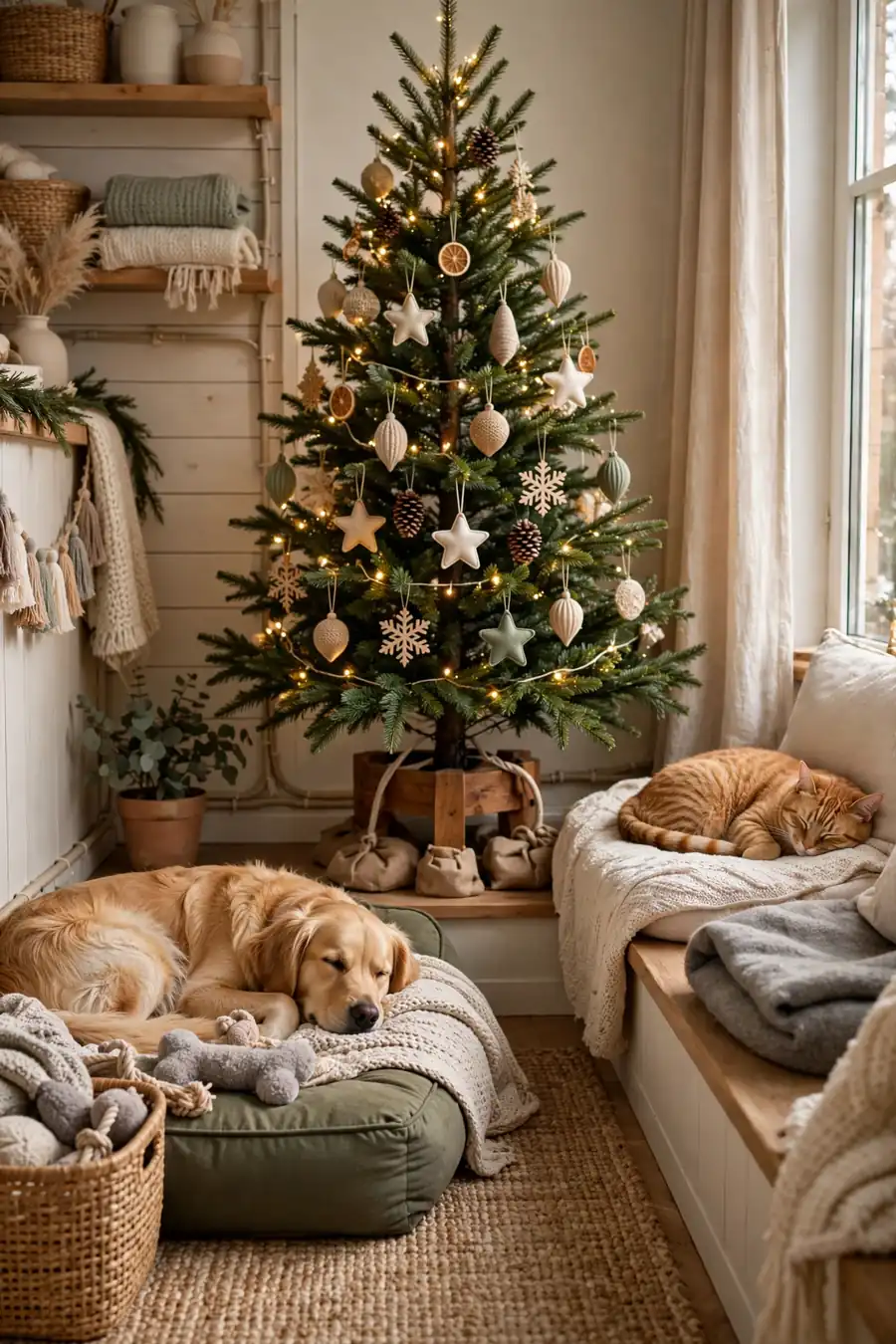
A pet-proof scheme starts with weight in the right places. Choose a tree with a broad, stable stand, anchor it to the wall if you have climbers or large dogs, and avoid very tall, narrow trees in busy rooms. Wreaths should hang on proper hooks or over-door hangers that cannot slide when a door shuts.
For table decor, pick low, heavy pieces: a wooden tray with candles in jars, a ceramic bowl of pinecones, felt garland, and unbreakable ornaments. Tall thin candlesticks, light glass cloches and top-heavy mini trees are better on mantels or high shelves. If a piece would not survive being nudged by a happy tail, it does not belong at tail height.
Stability note: Put the tree where it has the fewest sides exposed to traffic. A corner gives support, shortens the fall if it is bumped, and makes cord hiding much easier.
You May Also Like: 25 Christmas Tree Ideas for 2026
3. Keep Breakables, Hooks and Small Pieces Out of Reach
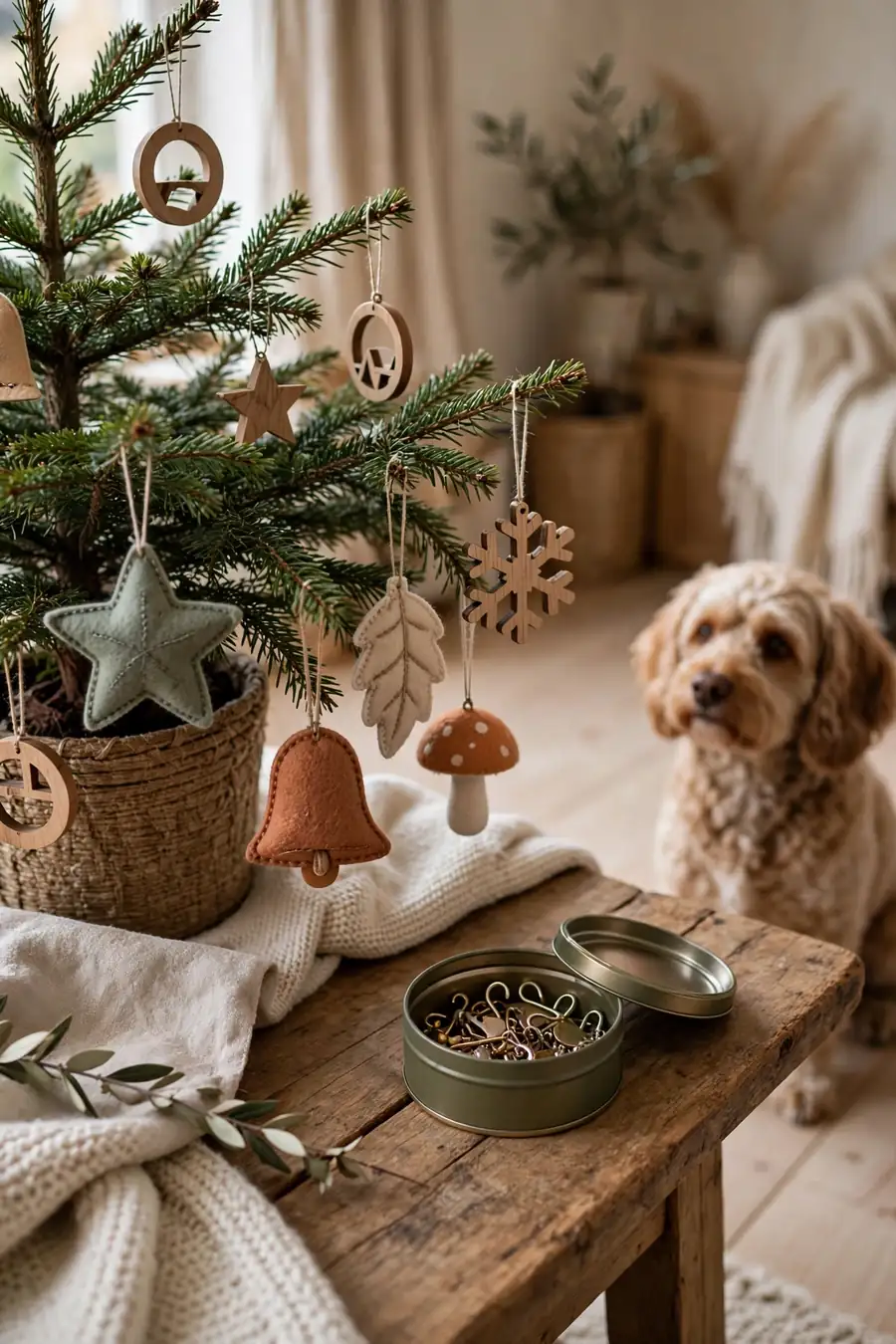
Use shatterproof, felt, wood, fabric and metal ornaments where pets can reach, and save glass heirlooms for high branches, shelves or a closed cabinet. Attach ornaments firmly with ribbon loops, twist ties or locking hangers so a brushed branch does not drop them into the chewing zone.
Small pieces need special respect. Loose ornament hooks, tiny bells, spare bulbs, button batteries and broken ornament caps can be swallowed or stepped on. Pack a small “setup tin” while decorating so stray pieces go into a lidded container rather than onto the floor where a curious nose will find them later.
Cleanup note: When an ornament breaks, move pets out of the room first, then sweep and vacuum carefully. A quick tidy with animals still wandering through is how tiny shards end up in paws.
4. Cover Cords and Use Battery Lights Thoughtfully
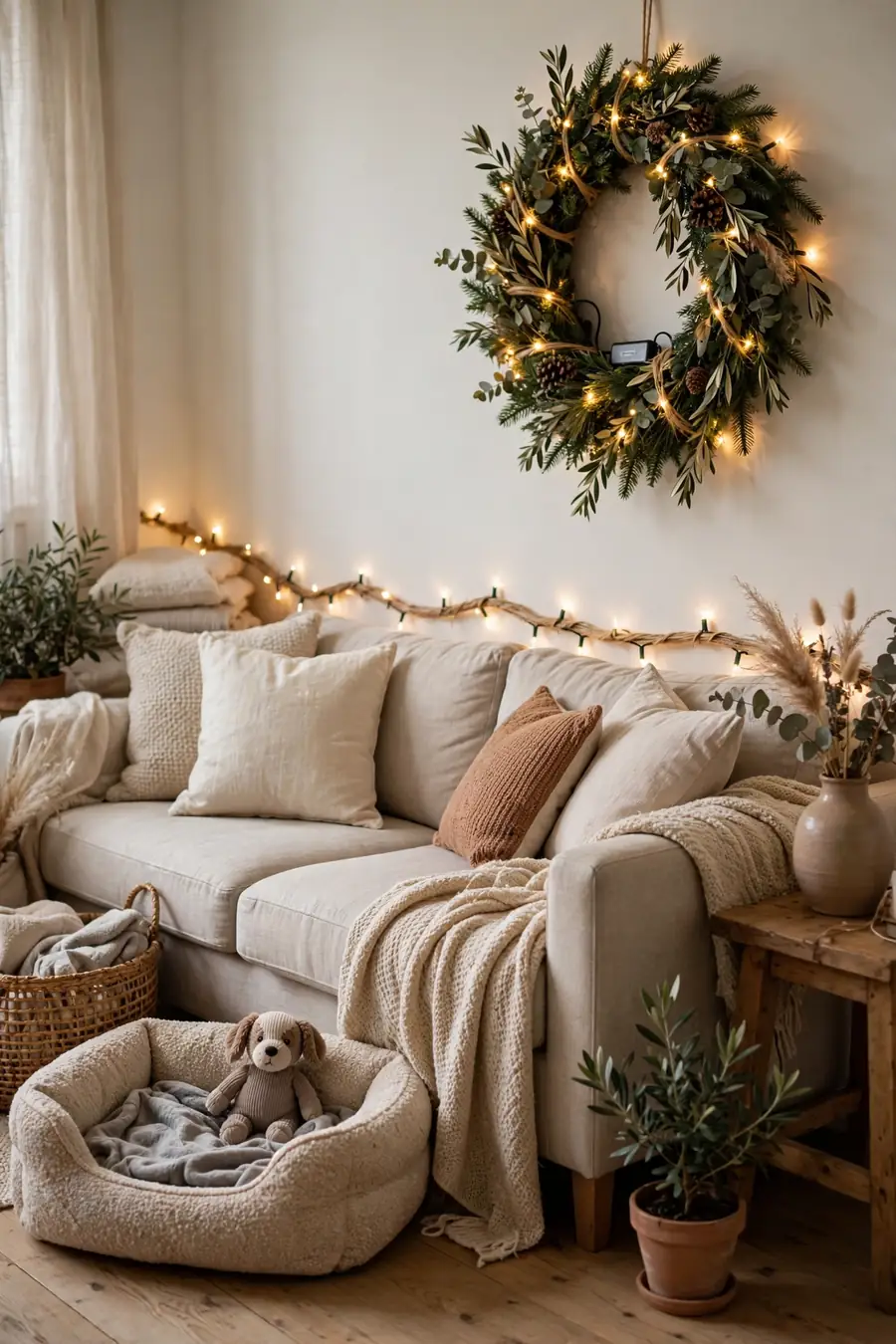
Electrical cords are decoration to a chewer and a trip line to everyone else. Run cords along walls, behind furniture, or inside cord covers, and keep plugs where you can switch them off easily. Avoid letting garland cords drape across pet beds, food areas or the route between door and garden.
Battery-operated micro-lights can reduce cables on wreaths and shelves, but store spare batteries safely and choose battery packs you can tuck out of reach. Button batteries are especially important to keep away from pets and children. If a pet chews cords, unplug lights when the room is empty and use flameless candles for evening glow.
Heat note: Keep space heaters, real candles and warm light strands away from bedding and enclosures. Pets often settle closer to heat than we expect, especially on cold December evenings.
You May Also Like: 21 Natural Christmas Decor Ideas for a Cozy Rustic Home
5. Use Pet-Safe Plants and Skip Risky Holiday Greens
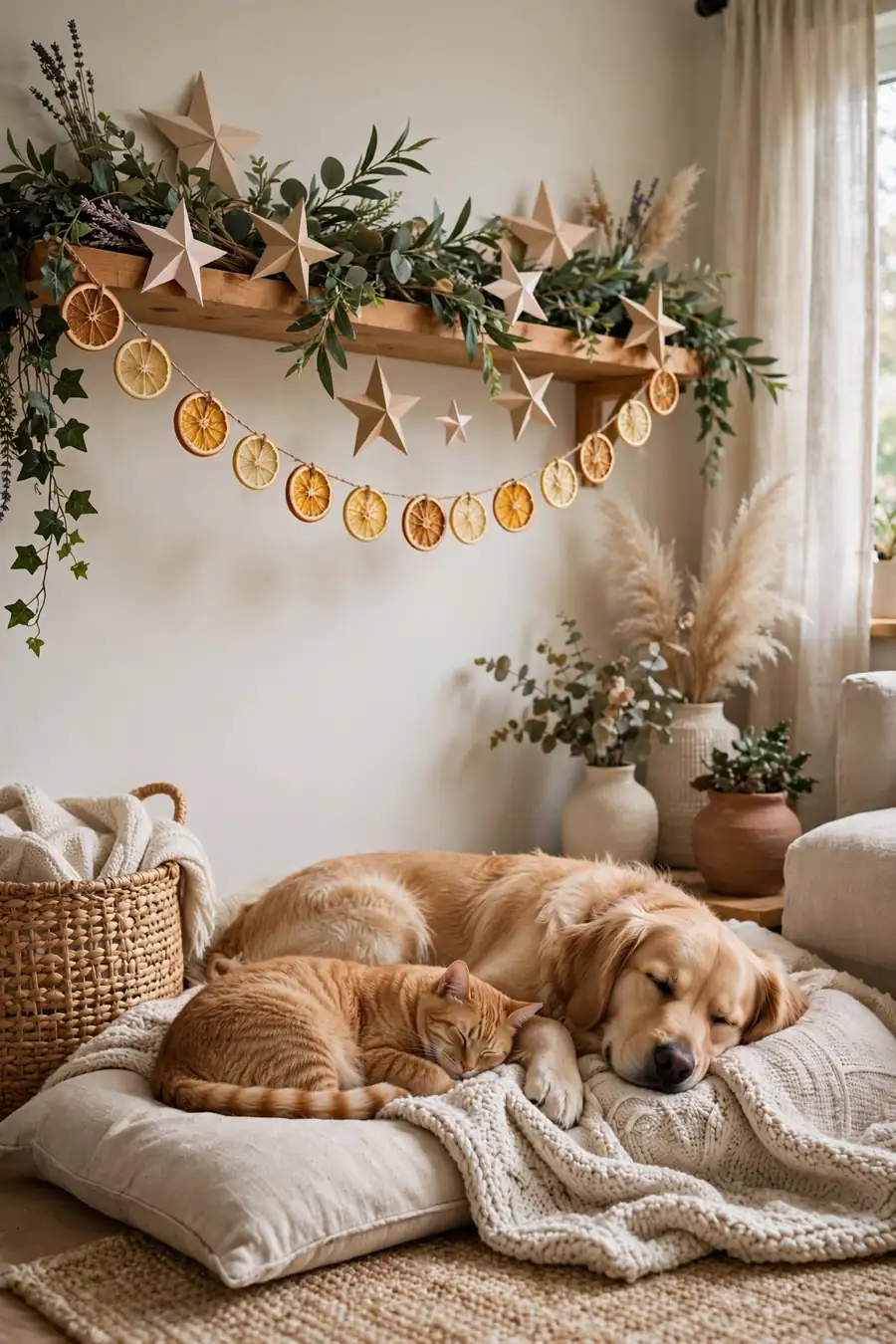
Greenery needs a species check in a pet home. Lilies are extremely dangerous for cats and should not be brought indoors where cats live. Holly, mistletoe and amaryllis can cause stomach upset or worse if eaten, and poinsettia, while often overstated, can still irritate mouths and stomachs. Keep any risky plant completely out of reach or choose faux.
Faux garland, paper stars, wooden houses, cinnamon sticks and citrus garlands give a festive look without the same plant worry, though anything scented or small should still stay away from determined chewers. Fresh fir and pine arrangements are best kept on high surfaces and swept often so needles do not become floor snacks.
Plant note: If a pet eats an unknown plant or ornament piece, do not wait for symptoms to decide whether it matters. Move the item away and call your vet or local animal poison service for advice.
6. Protect Food Gifts, Chocolate and Wrapping
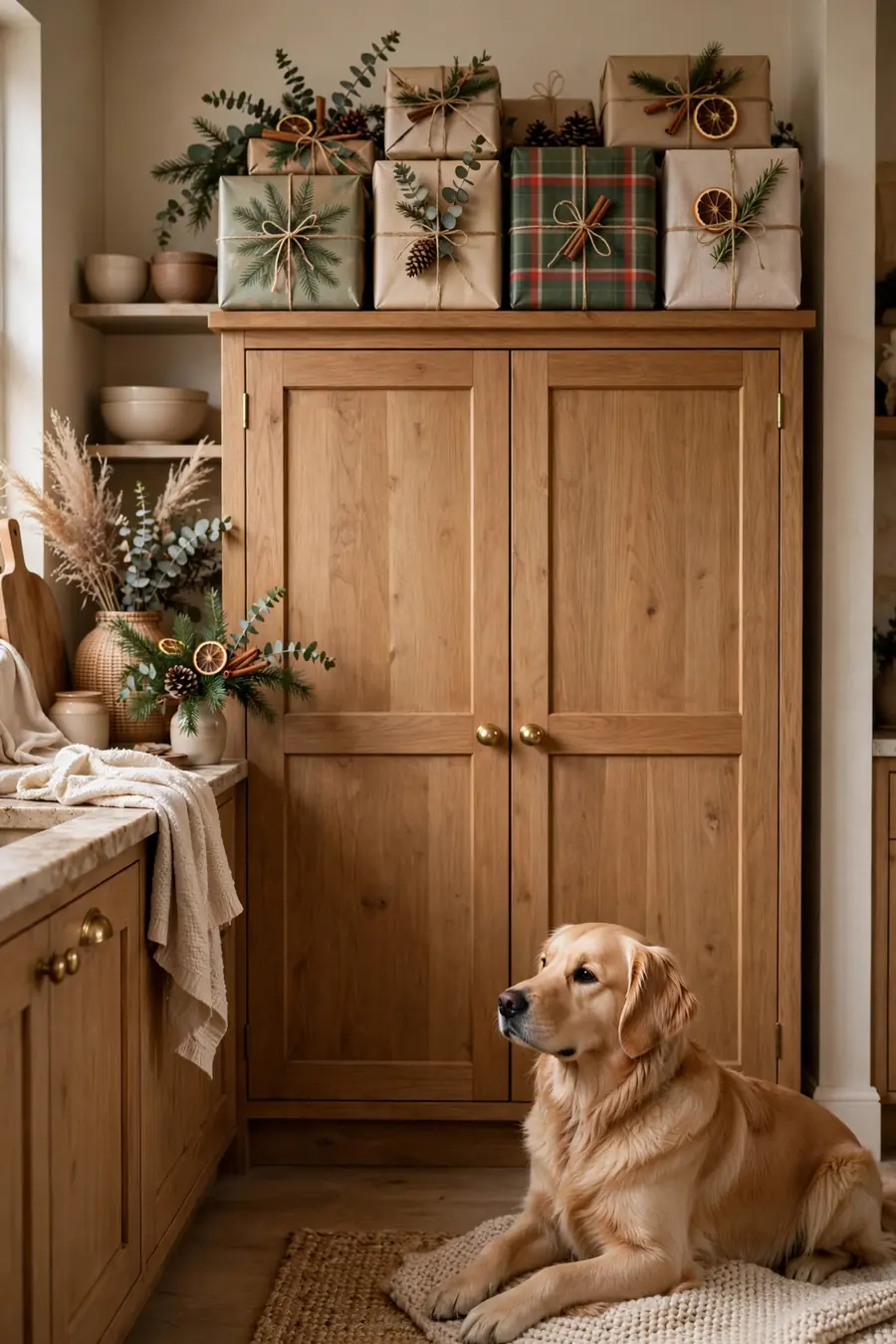
Christmas smells delicious to pets, which is why food gifts should not live under the tree. Chocolate is dangerous for dogs and cats, rich baked goods can cause pancreatitis in dogs, and xylitol in sugar-free sweets is highly toxic to dogs. Store edible gifts in closed cupboards and put wrapped treats back after photographs.
Wrapping supplies also need a boundary. Ribbon, string, tinsel and elastic cord can cause serious trouble if swallowed, especially for cats. Keep the wrapping station on a table, close the scissors and tape away after use, and use paper or fabric bows on low gifts instead of long curling ribbon.
Gift note: If guests bring gifts, give them one safe drop zone away from pet beds. A polite house rule at the door prevents a week of moving parcels out of reach.
You May Also Like: 23 Christmas Decor Ideas for Living Room: Cozy & Chic
7. Create Calm Zones During Guests and Photos
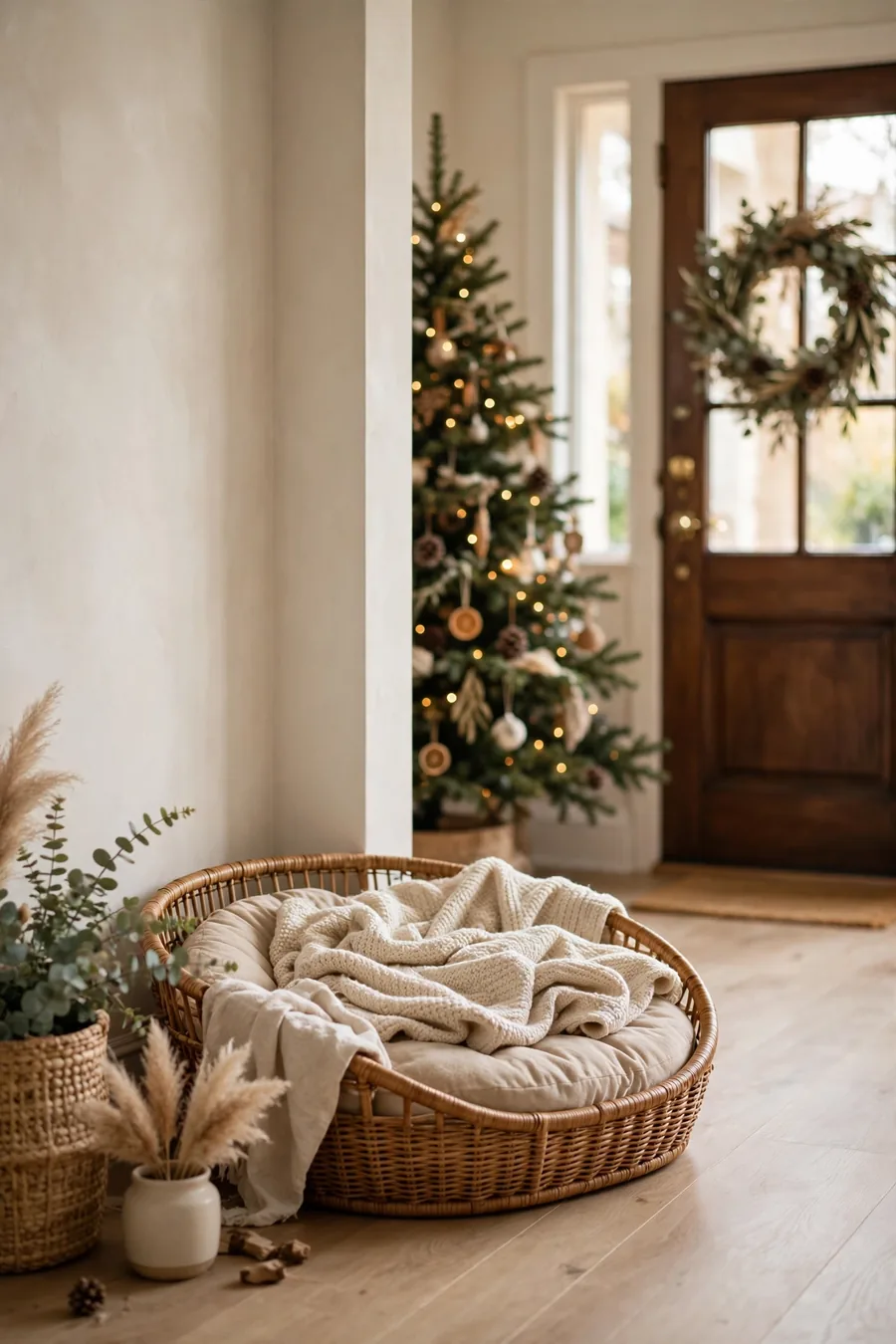
Even safe decor can feel stressful when the room fills with coats, music and new smells. Keep your pet’s bed, crate or favourite blanket in a familiar spot away from the tree and front door. A chew, lick mat or short walk before guests arrive helps dogs settle; a high perch or quiet room helps cats choose distance on their own terms.
For photos, keep sessions short and never wrap pets in lights, tinsel or loose ribbon for a picture. Use a festive bandana, a bow on a collar if your pet tolerates it, or place the pet near a safely decorated background. The sweetest holiday photos happen when the animal looks relaxed rather than dressed like part of the mantel.
Guest note: Ask visitors not to feed pets from the table or leave handbags open on the floor. Many holiday emergencies begin with a kind guest and a pet who is an excellent opportunist.
The Pet-Safe Christmas Cheat Sheet
| Risk | Safer swap | Where to put it |
|---|---|---|
| Wobbly tree or tall decor | Anchored tree, low heavy tray decor | Corner, mantel or high shelf |
| Glass ornaments at paw height | Shatterproof, felt, wood or fabric pieces | Low branches and pet-reach zones |
| Hooks, bells and loose caps | Lidded setup tin while decorating | Table during setup, cupboard after |
| Dangling cords | Cord covers, wall routes, battery lights | Behind furniture, away from beds |
| Lilies, holly and mistletoe | Faux greenery, paper stars, citrus and wood | High surfaces or closed rooms |
| Food gifts and chocolate | Closed cupboard storage | Away from tree and guest bags |
| Ribbon and tinsel | Paper or fabric bows | Low gifts and wrapping station |
Frequently Asked Questions
What is the first thing to decide how to decorate for christmas with pets in a busy home?
Start at pet height: stabilise the tree, move breakables up, cover cords and keep food gifts out of reach. Once those four risks are handled, decorate from high surfaces downward and use sturdy, washable pieces anywhere a tail, paw or curious nose can reach.
Are real Christmas trees safe around dogs and cats?
A real tree can work if it is stable, the water reservoir is covered, fallen needles are swept, and no chemical preservatives are added. Cats should not be allowed to chew branches or drink tree water. If your pet is a determined chewer, a well-anchored artificial tree may be easier to manage.
Which holiday plants should pet owners avoid most?
Keep lilies out of cat homes completely. Treat holly, mistletoe and amaryllis as plants to avoid or place where pets cannot reach them, and keep poinsettia away from nibblers because it can irritate the mouth and stomach. Faux greenery avoids most of the worry.
How can I take Christmas photos with my pet safely?
Keep it brief, use a bandana or collar bow your pet already tolerates, and sit them near safe decor rather than wrapping them in lights or ribbon. Reward calm behaviour, let them leave when they want, and never leave a pet unattended in costume or beside candles.
You Would Also Love
💬 Join Our Decor Community
Decor Fern | Home Decor Ideas & Inspiration — share your rooms, get ideas, and chat with fellow decor lovers.
Join the Facebook GroupFollow on Facebook

One Comment