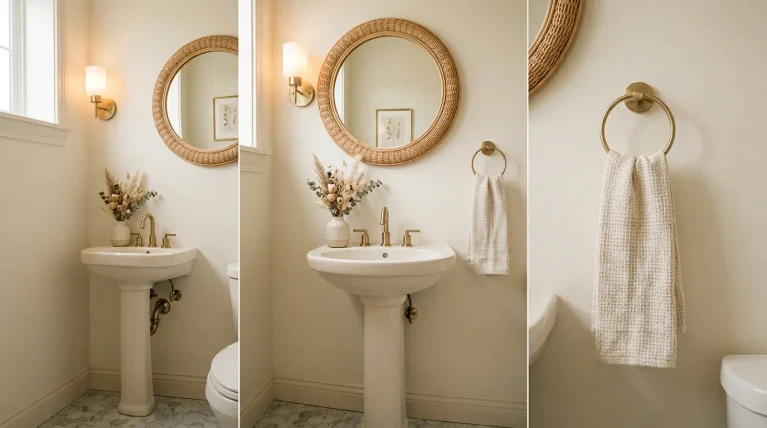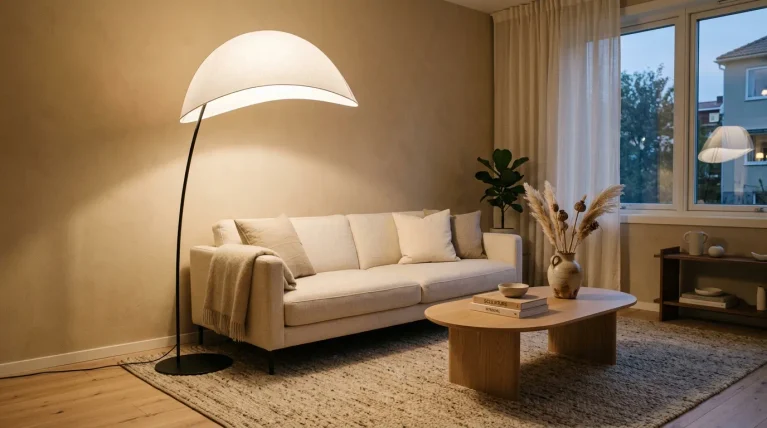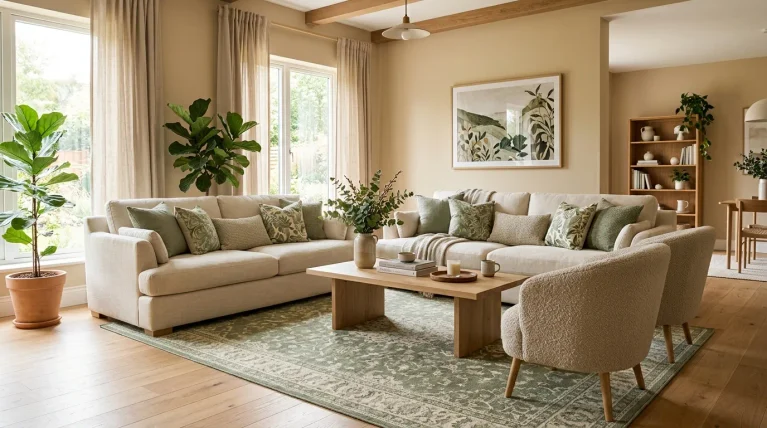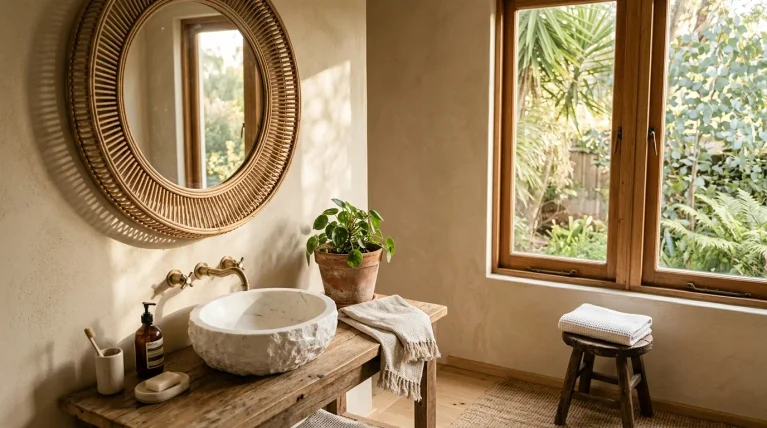
Ever scrolled through home photos and wondered why some rooms just feel right? That feeling usually comes down to style, not luck. Choosing from today’s most popular interior design styles can turn a plain, forgettable room into a space that actually reflects who you are. Whether you’re drawn to cozy cottagecore corners, sleek urban minimalism, or warm Mediterranean textures, there’s a design language for every personality and every budget. In my experience, most people don’t need a full renovation to feel this shift, just the right direction and a few intentional choices. This guide walks through 22 distinct styles, each with practical insights, visual inspiration, and real-world ideas you can actually use, whether you’re redecorating one corner or reimagining your entire home from scratch.
1. Scandinavian Minimalism
- Keeps the room feeling open and calm, even in small spaces
- Light wood tones add warmth without overwhelming the eye
- Easy to maintain since there’s less clutter to manage
- Works well with almost any home layout
- I’ve noticed neutral palettes make rooms feel bigger instantly
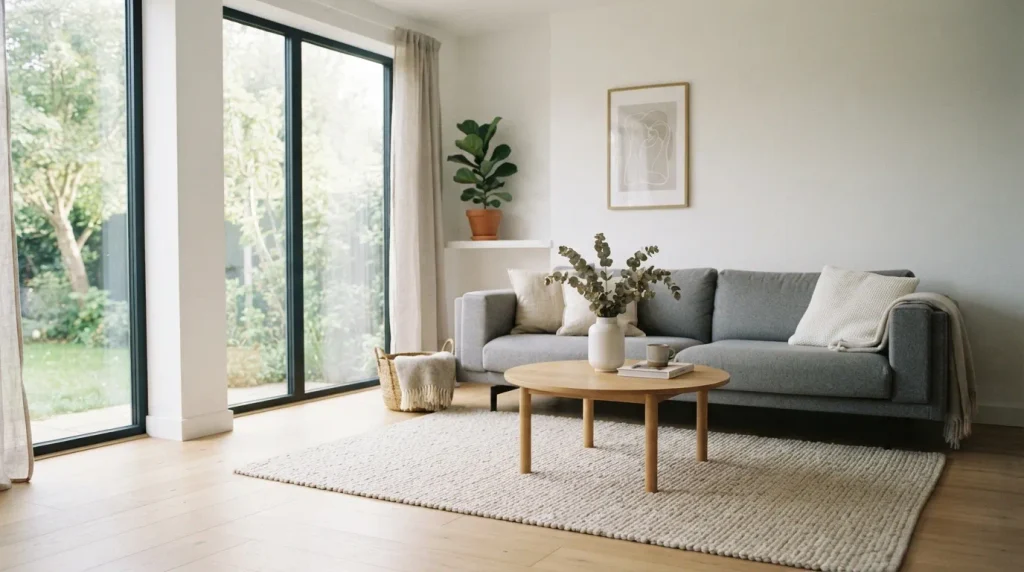
Walking into a Scandinavian-inspired room feels like taking a deep breath. This style leans on simplicity, light wood, and soft neutral tones to create spaces that feel calm rather than cluttered. In my experience, this approach works especially well in smaller homes where every inch matters, since the light colors visually expand the room without making it feel empty. Instead of filling every corner with furniture, Scandinavian design focuses on function and comfort first. The result is a living space that feels effortless, breathable, and welcoming, without sacrificing warmth or personality in the process at all.
What makes this style so popular is how easily it adapts to different budgets and room sizes. A few key pieces, like a light wood table or a soft textured rug, can shift an entire room’s mood without a full renovation. Many people choose this look because it photographs beautifully and feels timeless rather than trendy. I’ve seen this work well in apartments, family homes, and even small studios, where the goal is a peaceful, uncluttered environment. If you want a space that feels fresh, calm, and easy to live in every single day, this design direction rarely disappoints anyone.
Also Read : 25 Masculine Living Room Ideas for a Stylish Cozy Space
2. Modern Farmhouse Charm
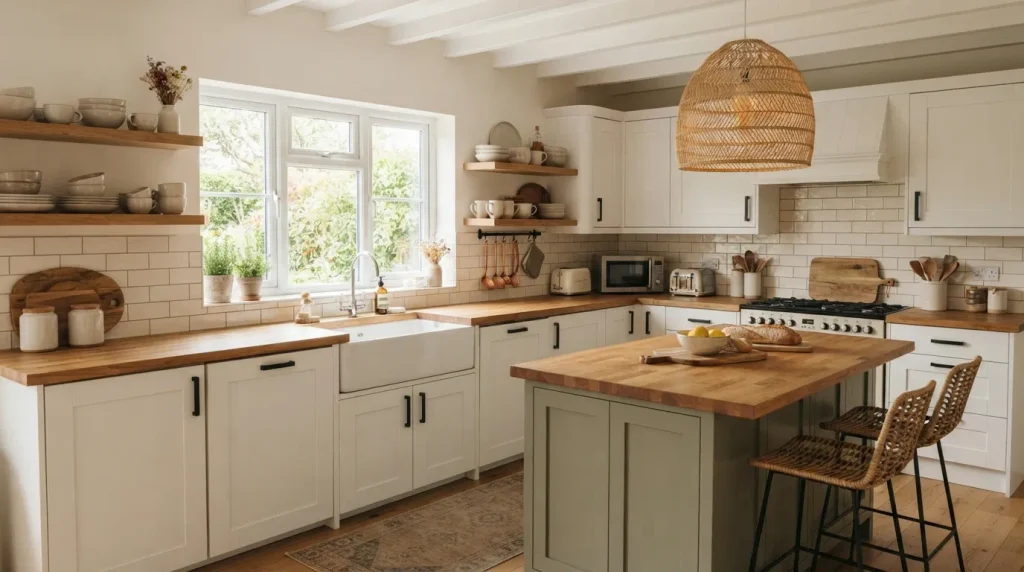
- Balances rustic warmth with clean, modern lines
- Open shelving makes a kitchen feel bigger and more personal
- Neutral tones pair easily with wood and black accents
- Great for families who want a lived-in, welcoming feel
- Many designers recommend mixing textures here for extra depth
Modern farmhouse design has stayed popular for one simple reason: it feels lived-in without looking messy. This style blends rustic wood textures with clean white surfaces, giving rooms a warm yet organized personality. I’ve noticed that homeowners love this combination because it works in kitchens, living rooms, and even bathrooms without feeling forced. The mix of natural materials and simple color palettes makes the space feel grounded and comfortable. Unlike overly polished interiors, this style welcomes small imperfections, which is exactly what makes it feel personal, relaxed, and genuinely easy to enjoy every day.
Choosing this look also means flexibility for future updates. Since the base palette stays neutral, you can swap accessories or accent colors without redoing the entire room. This makes modern farmhouse an especially practical choice among popular interior design styles for people who like to refresh their space occasionally. Wooden beams, woven baskets, and simple metal fixtures add character without overwhelming the eye. Whether it’s a full kitchen renovation or a small living room refresh, this style consistently delivers a warm, welcoming result that photographs beautifully and feels comfortable enough for everyday family life and gatherings.
3. Industrial Loft Style
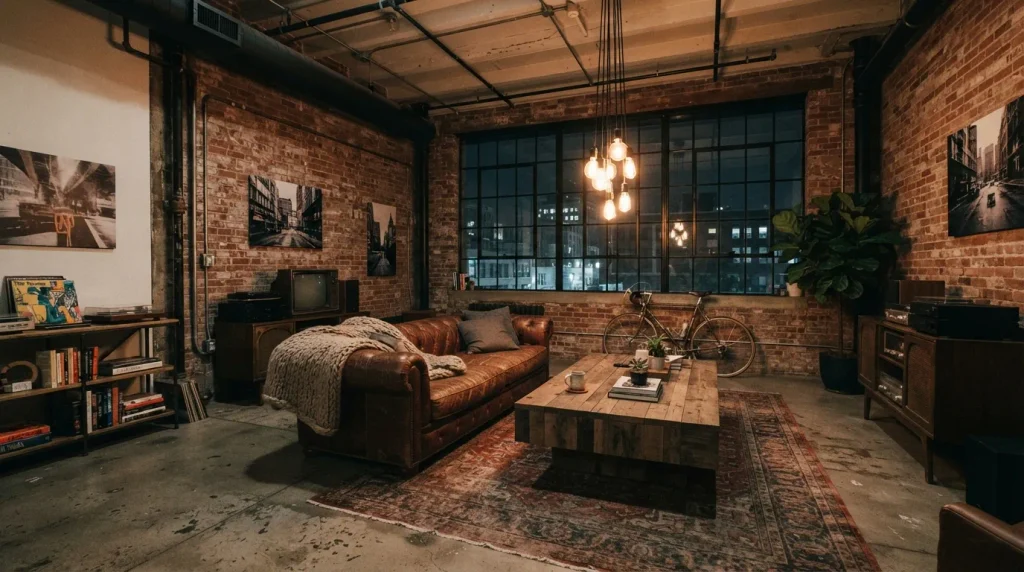
- Exposed brick and metal add instant character to plain rooms
- Works great for open-concept lofts and converted spaces
- Dark tones make furniture and art pieces stand out
- Adds an edgy contrast when paired with soft textiles
- I’ve seen this style transform bare rental spaces beautifully
Industrial loft style turns raw, unfinished spaces into something genuinely striking. Exposed brick, black metal fixtures, and concrete floors give rooms a bold, urban character that feels different from softer design trends. In my experience, this style works best in spaces with high ceilings or large windows, since natural light balances out the darker tones. Instead of hiding structural elements, this approach celebrates them, turning pipes, beams, and brick into design features rather than flaws. The result feels edgy, confident, and refreshingly different from typical polished interiors, especially for people who enjoy a slightly moodier atmosphere.
Bringing this style into a home doesn’t require a full architectural overhaul. Simple additions like a leather sofa, dark metal shelving, or an exposed bulb fixture can shift a room’s entire tone instantly. Many people are drawn to this look because it pairs surprisingly well with warm textiles, plants, and wood accents, softening the overall feel. This balance keeps the space from feeling cold or unfinished. Whether used in an apartment, studio, or converted warehouse, industrial design continues to attract those who want a home that feels artistic, lived-in, and quietly confident without trying too hard.
4. Coastal Beach Vibes
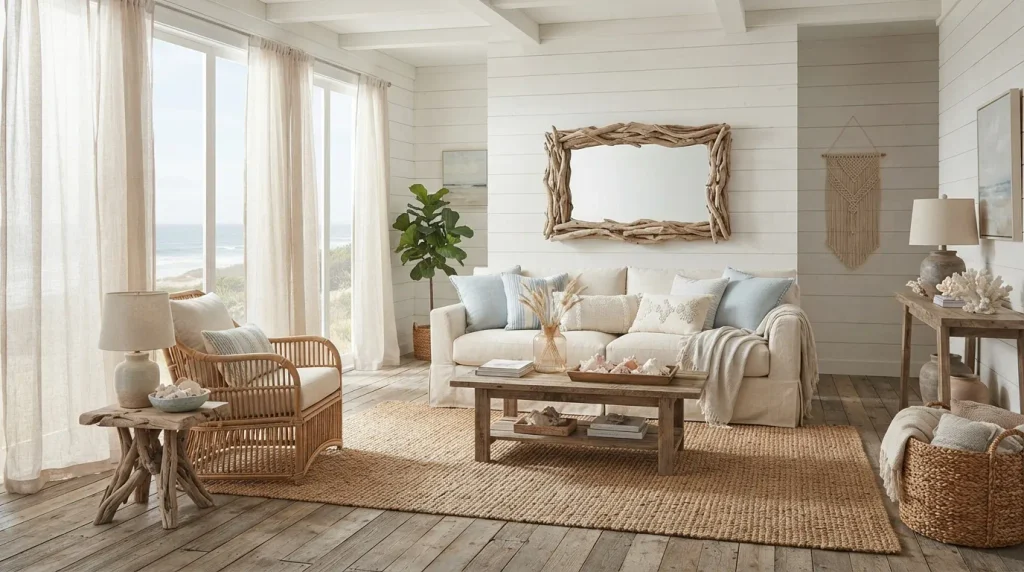
- Light, breezy colors instantly create a relaxed atmosphere
- Natural textures like rattan and jute add depth without clutter
- Works beautifully in rooms with plenty of natural light
- Easy to layer with seasonal decor for a fresh look
- I’ve noticed blue and white combinations never go out of style
Coastal design brings a sense of vacation into everyday living, and that’s exactly why so many homeowners gravitate toward it. Soft blues, sandy neutrals, and weathered wood textures work together to create a space that feels open, airy, and endlessly relaxing. In my experience, this style shines brightest in rooms that already receive plenty of natural sunlight, since the colors reflect light beautifully throughout the day. Instead of heavy furniture or dark tones, coastal interiors lean into lightness and simplicity. The overall effect feels like a permanent breath of fresh air, calm and inviting no matter the season outside.
What sets coastal style apart from other popular interior design styles is how effortlessly it adapts beyond beach towns. Even landlocked homes can capture this relaxed energy through light textiles, natural fibers, and a soft color palette. Adding woven baskets, linen curtains, or a simple driftwood accent instantly signals this aesthetic without overdoing it. Many designers recommend keeping accessories minimal here, letting the textures and light do most of the visual work. Whether it’s a small reading nook or a full living room, this style consistently delivers a calm, sunlit atmosphere that feels genuinely refreshing to come home to daily.
Also Read : 25 Japandi Bathroom Design Ideas for a Calm Modern Space
5. Bohemian Eclectic Mix
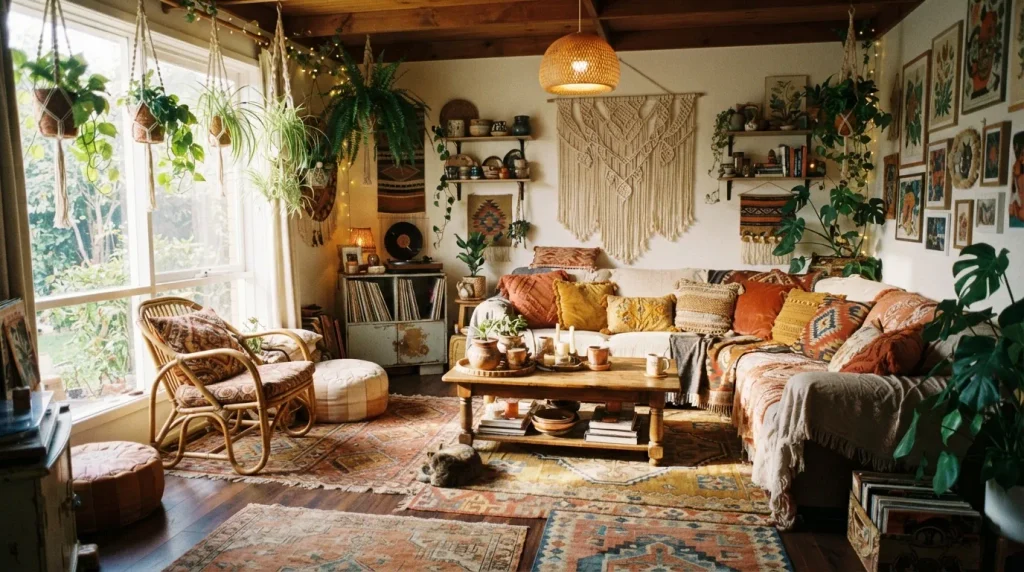
- Layering patterns and textures adds personality instantly
- Plants bring life and color into any corner
- Great for showcasing travel finds and vintage pieces
- Encourages creative freedom instead of strict design rules
- I’ve tried mixing patterns here and it rarely looks wrong
Bohemian design thrives on personality, and that’s precisely its biggest appeal. Rather than following strict rules, this style encourages mixing colors, patterns, and textures until the space feels genuinely yours. Warm tones like terracotta, mustard, and rust pair naturally with wooden furniture and woven textiles, creating a cozy, layered look. In my experience, this style works especially well for people who collect items over time, since vintage finds and travel souvenirs fit right in without feeling out of place. The result is a home that tells a story, filled with warmth, character, and comfortable imperfection throughout every room.
Plants play a particularly important role in bohemian spaces, adding both color and a sense of natural life to the room. Hanging macrame planters, layered rugs, and floor cushions build texture without needing expensive furniture pieces. This makes boho one of the more budget-friendly popular interior design styles, since thrifted and handmade items often blend in beautifully. Many designers recommend starting small, adding one textured rug or a few patterned cushions before expanding further. Because there’s no single “correct” formula, this style remains a favorite among people who want their home to feel personal, artistic, and full of character.
6. Japandi Fusion Design
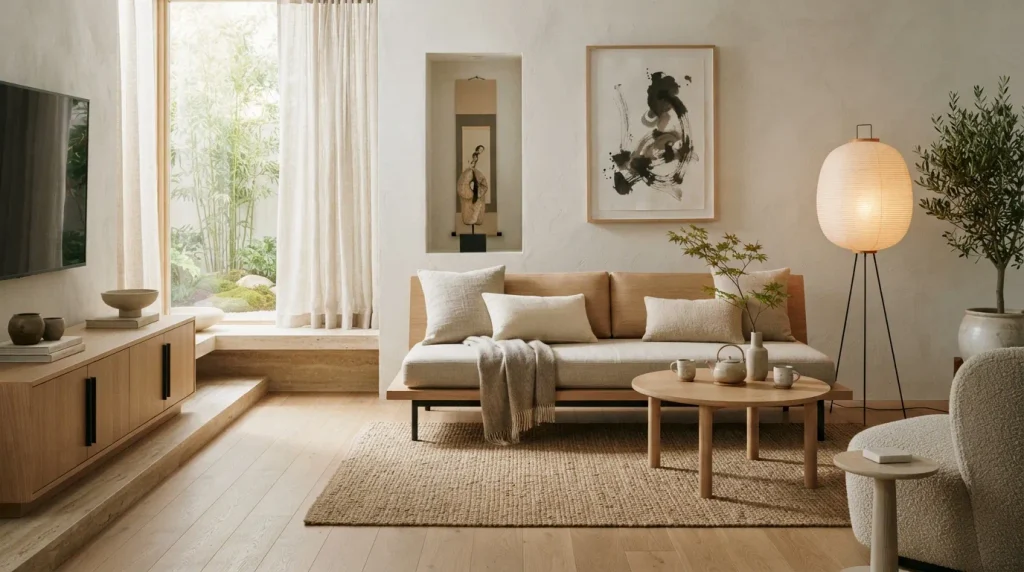
- Combines Japanese simplicity with Scandinavian warmth
- Low furniture creates a grounded, calming visual effect
- Neutral palettes make the space feel timeless
- Perfect for those who want minimalism without feeling cold
- That’s why many designers recommend this for small apartments
Japandi design merges two philosophies that share a surprising amount in common: simplicity and function. By blending Japanese minimalism with Scandinavian warmth, this style creates spaces that feel calm, intentional, and never sparse. In my experience, Japandi works particularly well for people who find pure minimalism too stark, since natural wood tones and soft textiles add warmth without clutter. Low furniture and clean lines keep the visual weight of the room light, making even smaller spaces feel open. Every element serves a purpose here, which is part of why this style feels so quietly sophisticated and easy to live in daily.
This fusion style has grown increasingly popular because it photographs beautifully while remaining genuinely practical for real life. Matte black fixtures against light oak surfaces create quiet contrast without visual noise, and neutral linen textiles keep the palette calm. Many people choose Japandi when transitioning away from busier, more maximalist interiors, since it offers a sense of reset. Adding natural stone accents or a paper lantern lamp introduces texture without breaking the minimalist foundation. For anyone wanting a home that feels peaceful, organized, and thoughtfully composed, this style consistently delivers a balanced, timeless result worth considering.
7. Mid-Century Modern
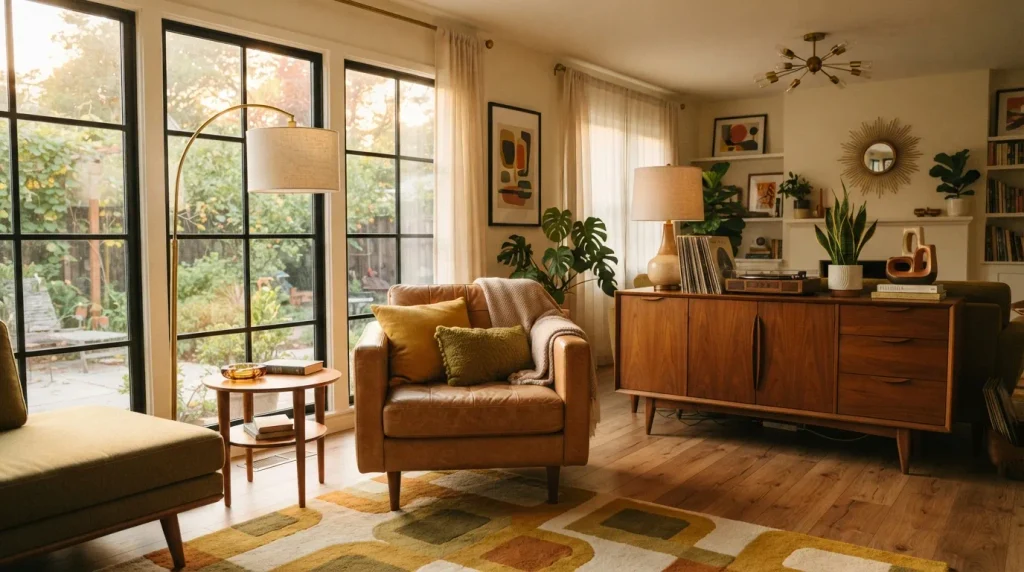
- Clean lines and tapered legs give furniture a timeless silhouette
- Warm wood tones pair beautifully with bold accent colors
- Works well for both small apartments and larger living rooms
- Statement lighting fixtures elevate the whole room instantly
- I’ve noticed vintage-inspired pieces mix surprisingly well with modern decor
Mid-century modern has held its place among the most enduring design movements for good reason. Its clean lines, tapered wooden legs, and warm color palette give rooms a nostalgic yet fresh feeling that never quite goes out of fashion. In my experience, this style appeals to people who want personality in their furniture without leaning into anything too trendy or fleeting. Walnut and teak wood tones ground the space, while mustard, olive, and burnt orange accents add just enough warmth. The overall effect feels intentional and collected, like each piece was chosen carefully rather than bought all at once together.
What keeps mid-century modern relevant today is how well it blends with other popular interior design styles. A single credenza or an iconic armchair can anchor a room, even one filled with newer or more contemporary pieces. Brass and walnut finishes pair especially well together, adding warmth without feeling dated or heavy. Many designers recommend starting with one statement furniture piece, then building the room’s palette around it gradually. Whether in a city apartment or a suburban home, this style consistently offers a balance of comfort, character, and understated retro charm that feels genuinely livable.
Also Read : 24 Colorful Bedroom Ideas for a Bright Happy Space
8. Modern Luxury Glam
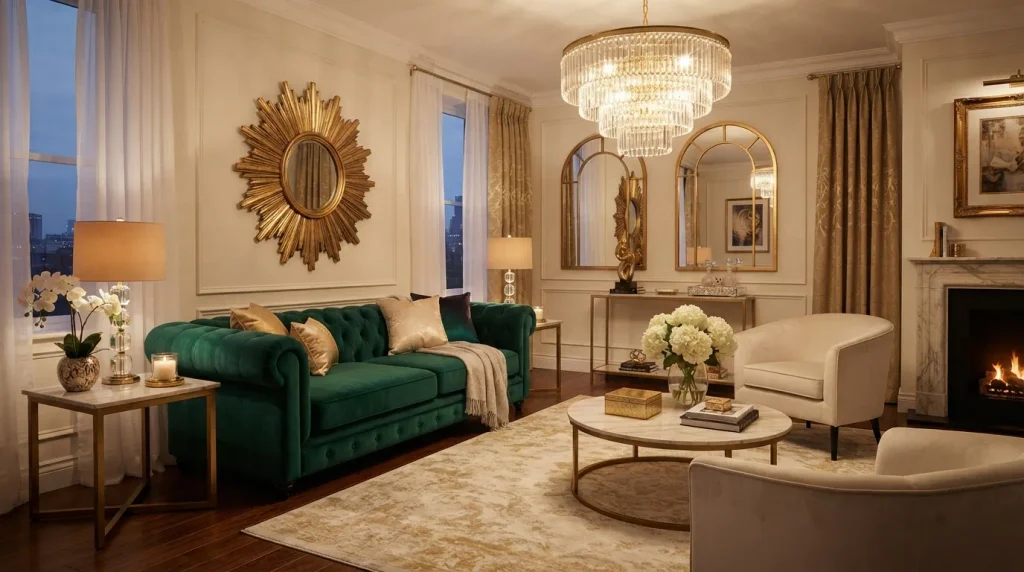
- Rich textures like velvet and marble instantly elevate a room
- Metallic accents add shine without overwhelming the space
- Statement lighting becomes a focal point rather than an afterthought
- Works well for formal living rooms or entryways
- I’ve seen even small glam touches transform an entire room
Glam interior design is built around one central idea: making a space feel special every single day, not just for occasions. Velvet upholstery, marble surfaces, and metallic accents combine to create rooms that feel polished and intentional. In my experience, this style works best when used selectively, since too many shiny elements can overwhelm rather than elevate a space. A single statement chandelier or a plush emerald sofa often does more visual work than an entire room full of gold accents. The key lies in balance, letting a few luxurious pieces stand out against a calmer, more neutral backdrop.
This style has remained popular partly because small doses go a long way toward transforming a room. Adding mirrored furniture, a marble tray, or velvet cushions can instantly upgrade a plain space without a complete renovation. Many designers recommend pairing glam accents with softer, neutral walls so the luxurious details don’t compete with each other visually. Deep jewel tones like emerald, sapphire, and burgundy pair especially well with gold or brass finishes. For anyone wanting their living room or entryway to feel a little more special, this style consistently delivers a refined, elevated result.
9. Rustic Cabin Retreat
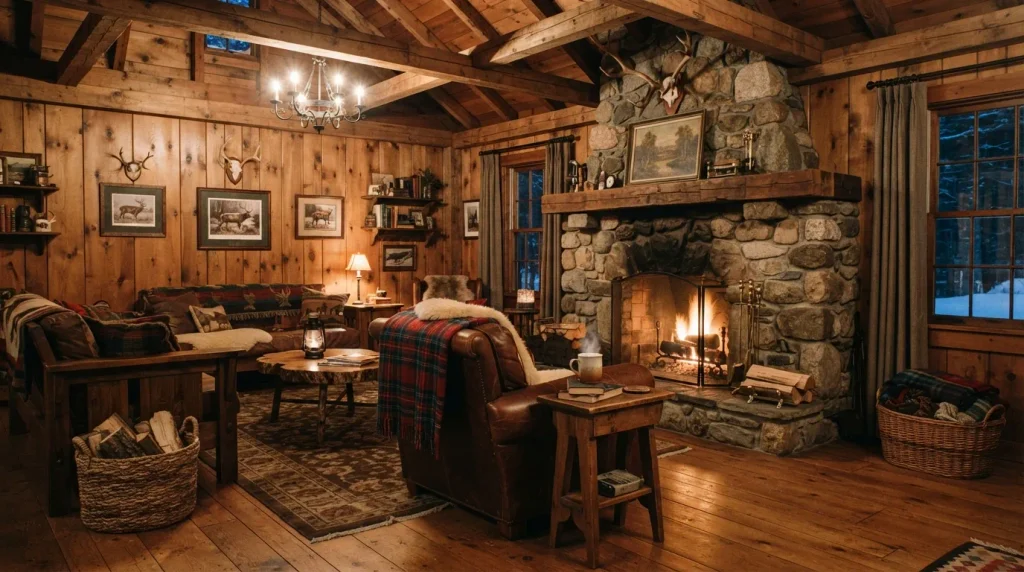
- Natural wood and stone bring warmth into any room
- Layered textiles like wool and plaid add cozy comfort
- Perfect for creating a retreat feel in colder climates
- Fireplace focal points naturally draw the eye and gather people
- I’ve noticed this style feels especially inviting during winter months
Rustic cabin style captures a feeling more than a strict set of rules, and that feeling is warmth. Exposed wood beams, stone fireplaces, and natural textures work together to create a space that feels sheltered and comforting. In my experience, this style resonates most in colder climates or mountain homes, where the cozy, earthy palette matches the surrounding landscape naturally. Layered textiles like wool throws and knit pillows add another level of comfort, making rooms feel inviting rather than sparse. Unlike sleeker design trends, rustic cabin style embraces texture and imperfection, which is exactly what gives it such genuine charm.
Bringing this look into a home doesn’t require an actual log cabin structure. Wide-plank flooring, a stone accent wall, or simple wood furniture can introduce the aesthetic into nearly any space. Many designers recommend anchoring the room around a fireplace or a large wooden piece, then layering softer textiles around it. Antlers, woven baskets, and plaid patterns add character without cluttering the room visually. Whether it’s a full mountain retreat or a small apartment seeking a cozy update, rustic cabin style consistently creates a warm, grounded atmosphere that feels comforting throughout every season.
10. Contemporary Neutral Elegance
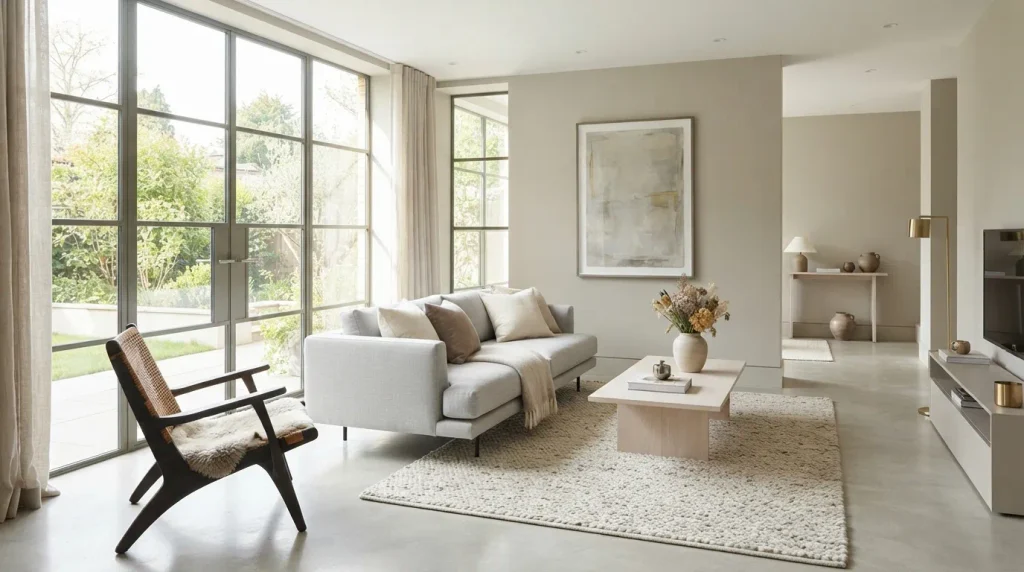
- Neutral layering adds depth without relying on bold color
- Clean furniture lines keep the space feeling current
- Large windows enhance the airy, sophisticated atmosphere
- Subtle textures prevent the room from feeling flat or boring
- I’ve noticed greige tones photograph better than pure white walls
Contemporary neutral design proves that a room doesn’t need bold color to feel sophisticated. By layering different shades of white, taupe, and greige, this style creates depth and warmth using texture instead of pattern. In my experience, this approach works especially well in bright rooms with large windows, since natural light interacts beautifully with soft neutral tones throughout the day. Furniture stays sleek and low-profile, keeping the visual focus on comfort and proportion rather than ornamentation. The result feels calm and effortless, the kind of space that never feels dated no matter how design trends shift over time.
What makes this approach so widely used is its flexibility across nearly any home style or budget. A neutral base allows homeowners to introduce color through smaller accessories, swapping them out seasonally without redoing the entire room. Many designers recommend combining at least three different neutral tones and textures to avoid a flat, one-dimensional look. Adding a textured throw, a woven basket, or subtle metallic accents keeps the space feeling layered rather than empty. For anyone wanting a calm, elegant home base that adapts easily over time, this design direction remains a dependable, popular choice.
11. Vintage Eclectic Charm
- Mixing eras adds character that feels collected over time
- Antique pieces bring a sense of history into modern homes
- Gallery walls become natural conversation starters for guests
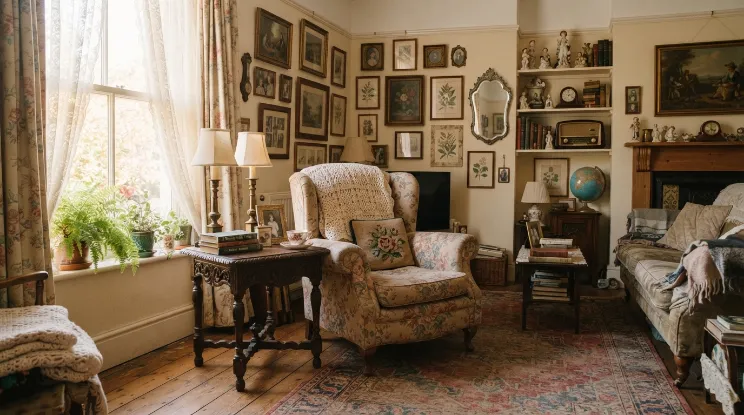
- Layered patterns like florals and rugs add cozy depth
- I’ve seen thrifted vintage finds outshine brand-new furniture pieces
Vintage eclectic style feels like walking into a home with decades of stories behind it, even in a newly built space. This look thrives on mixing furniture eras, patterns, and textures rather than matching everything perfectly. In my experience, the most successful vintage rooms include at least one true antique piece, since it anchors the space and gives it authentic character. Floral upholstery, brass fixtures, and faded rugs work together to create warmth that feels earned rather than staged. Unlike sleeker modern styles, vintage eclectic design celebrates imperfection, patina, and the charm that only comes with age and use.
Building this look doesn’t require an inheritance of antique furniture to get started. Thrift stores, estate sales, and flea markets often provide the exact pieces needed to bring this aesthetic to life affordably. Many designers recommend starting with one statement antique item, like a side table or mirror, then layering newer pieces around it gradually. Gallery walls filled with mismatched frames add personality without needing a strict design plan. For homeowners who want their space to feel storied, warm, and genuinely unique, vintage eclectic charm remains one of the most personal design directions available today.
12. Transitional Balanced Style
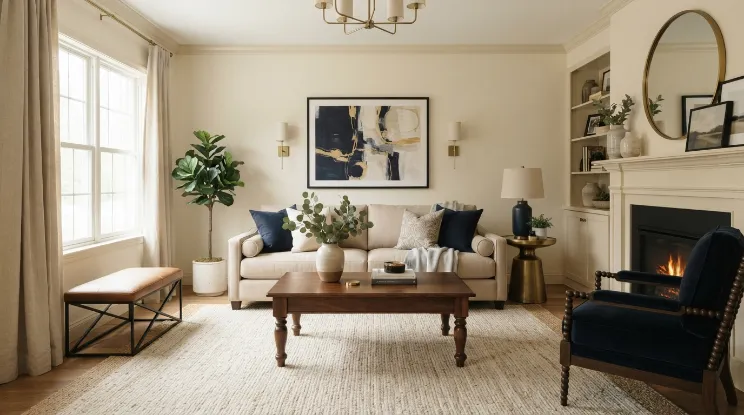
- Blends traditional comfort with modern simplicity
- Neutral bases make updating decor easier over time
- Works well for families needing durability and style together
- Avoids feeling too trendy or too outdated
- Many designers recommend this style for resale-ready homes
Transitional design exists precisely for people who can’t fully commit to one single aesthetic, and that’s exactly its strength. By blending traditional furniture shapes with modern simplicity, this style creates rooms that feel comfortable without looking outdated. In my experience, transitional spaces tend to age particularly well, since the balanced palette avoids extreme trends that fade quickly. Soft neutral tones form the foundation, while classic silhouettes like rolled-arm sofas or turned wood legs add a touch of traditional warmth. The result feels approachable and livable, striking a middle ground that suits nearly any household or family dynamic.
This balance also makes transitional style a practical choice for homeowners thinking about long-term value. Because it avoids extreme design statements, the look tends to appeal to a wider range of tastes, which matters for resale or rental properties. Many designers recommend this direction for families who need furniture that withstands daily life while still looking polished. Navy, beige, and soft brass accents pair especially well within this style, adding depth without overwhelming the space. For anyone wanting a home that feels timeless, comfortable, and quietly refined, transitional design remains a dependable and popular option.
13. Art Deco Statement Glam
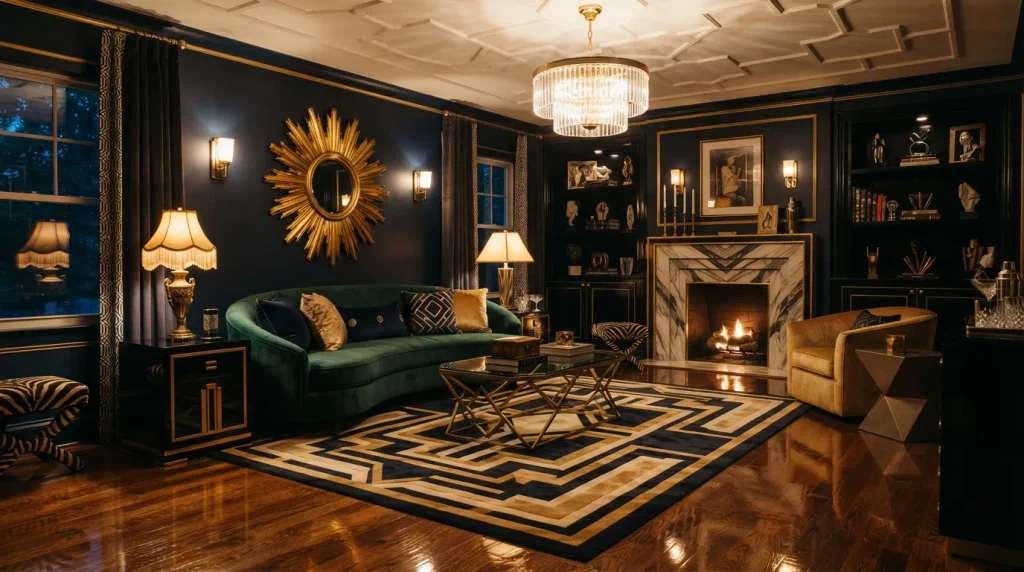
- Geometric patterns add bold visual rhythm to a room
- Curved furniture softens sharp lines for balanced elegance
- Dark accent walls make gold and brass details pop
- Statement mirrors instantly become a room’s focal point
- I’ve noticed one bold Art Deco piece changes a room’s entire energy
Art Deco design brings drama back into interior spaces, and it does so unapologetically. Bold geometric patterns, curved furniture silhouettes, and rich jewel tones combine to create rooms that feel confident rather than quiet. In my experience, this style works best when balanced with darker accent walls, since navy or black backdrops make gold and brass details stand out dramatically. Unlike softer minimalist trends, Art Deco embraces symmetry, shine, and bold contrast. Every element feels purposeful, from the sunburst mirror to the lacquered furniture edges, creating a space that feels theatrical, luxurious, and genuinely memorable the moment someone walks in.
Introducing this style doesn’t always require a full room transformation to make an impact. A single curved velvet chair or a geometric rug can shift an entire space toward this dramatic aesthetic instantly. Many designers recommend pairing Art Deco accents with simpler surrounding furniture, letting the statement pieces truly shine without competing visually. Emerald, navy, and black tones pair beautifully with warm gold or brass fixtures throughout this style. For homeowners who want their living room to feel bold, glamorous, and distinctly different from typical modern interiors, Art Deco remains a striking and rewarding design direction worth exploring.
14. Cottagecore Cozy Living

- Floral patterns add a soft, romantic layer to any room
- Vintage-inspired textiles create an instantly cozy atmosphere
- Dried florals and greenery bring gentle texture without upkeep
- Sunlit windows enhance the whimsical, storybook feeling
- I’ve tried this style in a small nook and it works beautifully
Cottagecore design taps into a quieter, slower kind of comfort, and that’s a huge part of its appeal. Soft florals, natural linens, and vintage-inspired details come together to create rooms that feel gentle, romantic, and unhurried. In my experience, this style shines in smaller spaces like reading nooks or bedrooms, where the coziness feels more intentional and personal. Wooden furniture, dried flower arrangements, and lace textiles add warmth without requiring anything expensive or elaborate. Rather than chasing polish or perfection, cottagecore leans into softness and imperfection, giving rooms a nostalgic, homey feeling that many people find deeply comforting.
This style has grown especially popular among people seeking a gentler contrast to fast-paced modern life. A single floral cushion, a woven basket, or dried wildflowers can introduce the aesthetic without a major investment. Many designers recommend layering natural textures like linen and rattan to keep the look grounded rather than overly sweet. Soft morning light enhances this style particularly well, so positioning key furniture near windows helps the room feel even more inviting. For anyone wanting a home that feels warm, whimsical, and quietly romantic, cottagecore continues to offer a comforting and genuinely charming design path.
15. Urban Modern Chic
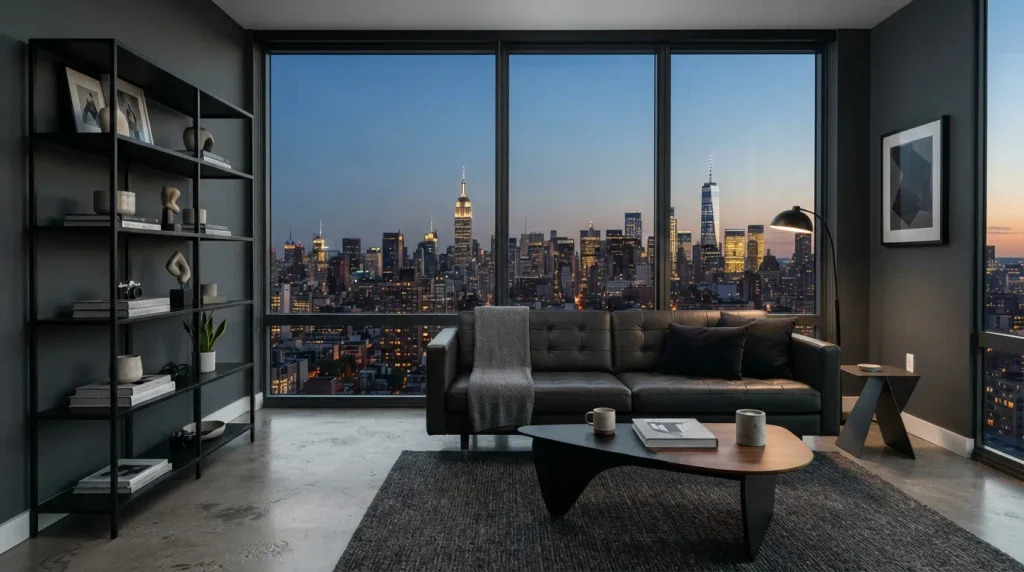
- Dark tones create a sleek, sophisticated backdrop
- Minimal decor keeps the focus on architecture and views
- Angular furniture adds a sharp, modern visual edge
- Works especially well in city apartments and lofts
- That’s why many designers recommend restraint over excess here
Urban modern chic embraces a bold, confident restraint that feels distinctly city-inspired. Dark walls, matte black fixtures, and minimal decor create a sophisticated backdrop that lets architecture and views take center stage. In my experience, this style works especially well in apartments with large windows or skyline views, since the darker tones make natural or city light feel even more striking at night. Furniture stays sleek and angular, avoiding anything overly soft or ornamental. The overall effect feels sharp and intentional, appealing to people who want their home to feel current, uncluttered, and quietly impressive without unnecessary decoration.
What makes this style effective is its disciplined approach to decor, prioritizing quality over quantity throughout the space. A few carefully chosen pieces, like a leather sofa or a sculptural side table, carry far more visual weight than a room filled with smaller accessories. Many designers recommend keeping color palettes limited to two or three tones to maintain that sleek, cohesive feeling. Concrete or polished flooring pairs particularly well within this aesthetic, reinforcing the modern edge. For city dwellers wanting a home that feels sophisticated, minimal, and effortlessly stylish, urban modern chic remains a genuinely striking choice.
16. Mediterranean Sun-Kissed Style
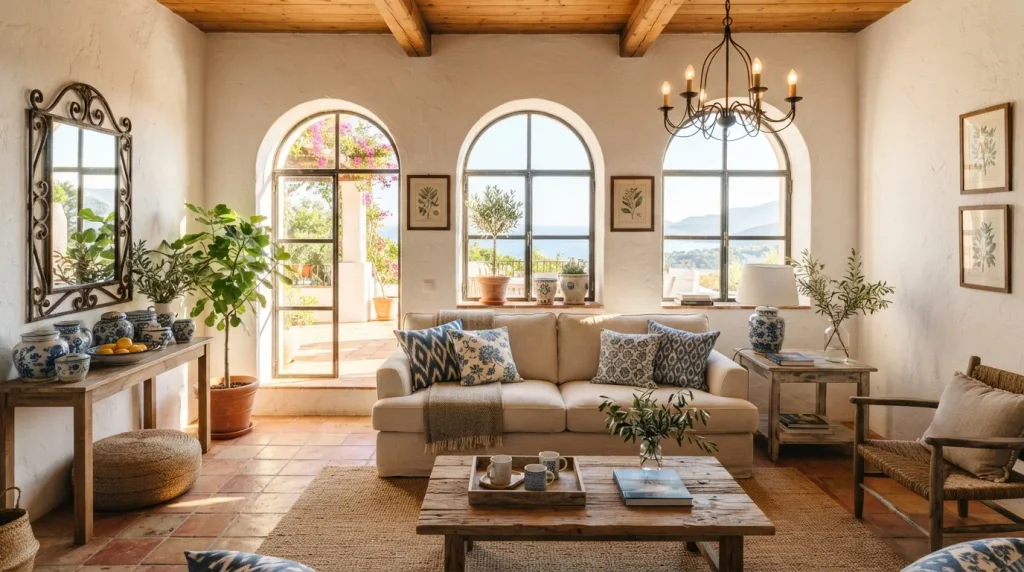
- Terracotta and stucco textures add warmth and authenticity
- Arched windows enhance natural light throughout the day
- Blue and white ceramics bring a fresh coastal contrast
- Wrought iron details add subtle old-world character
- I’ve noticed this palette feels warm year-round, not just summer
Mediterranean style borrows from sun-drenched coastlines, and it brings that same warmth indoors regardless of climate. White stucco walls, terracotta tile, and wrought iron details create a textured, earthy foundation that feels both rustic and refined. In my experience, this style works particularly well in rooms with arched doorways or windows, since the architecture naturally complements the aesthetic without much extra effort. Blue and white ceramic accents add a fresh, coastal contrast against the warm neutral base. Rather than feeling like a themed vacation home, this style settles into everyday life comfortably, offering a sunny mood no matter the season outside.
Bringing Mediterranean charm into a home doesn’t require structural changes like actual archways or stucco walls. Terracotta accessories, woven textiles, and simple ceramic vases can introduce the aesthetic gradually into any existing space. Many designers recommend pairing this style with olive branch greenery or citrus-toned accents to reinforce the sun-soaked feeling further. Wrought iron light fixtures or mirrors add subtle old-world texture without overwhelming the room. For homeowners wanting a warm, inviting space that feels like a permanent summer afternoon, Mediterranean style remains one of the more genuinely uplifting popular interior design styles available today.
17. Dark Academia Interiors
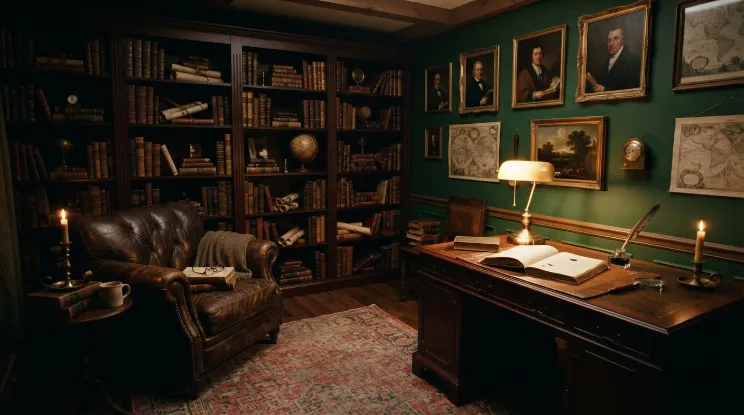
- Deep, moody tones create a focused, intellectual atmosphere
- Wooden bookshelves add texture and a sense of history
- Warm lighting makes reading corners feel inviting after dark
- Vintage frames and books add authentic character instantly
- I’ve seen this style turn a small corner into a favorite room
Dark academia interiors create a space that feels like stepping into a private library, rich with mood and quiet intention. Deep emerald and mahogany tones set a scholarly backdrop, while brass lighting adds warmth against the darker palette. In my experience, this style thrives best in smaller, cozy rooms like studies or reading nooks, where the moody atmosphere feels intimate rather than heavy. Leather furniture, stacked books, and vintage frames build layers of texture that feel collected over years rather than purchased all at once. The result is a space that invites slow evenings, quiet focus, and a genuine sense of intellectual comfort.
This aesthetic has grown particularly popular among people who want their home to feel like a retreat from screens and fast-paced routines. A single bookshelf, a leather chair, or warm brass lighting can introduce this mood without redesigning an entire room. Many designers recommend keeping natural light limited in these spaces, relying instead on warm lamps to reinforce the cozy, scholarly feeling. Deep jewel tones pair beautifully with aged wood and worn leather throughout this style. For anyone craving a thoughtful, atmospheric space to read or unwind, dark academia interiors offer a genuinely distinctive and comforting design direction.
18. Desert Modern Aesthetic
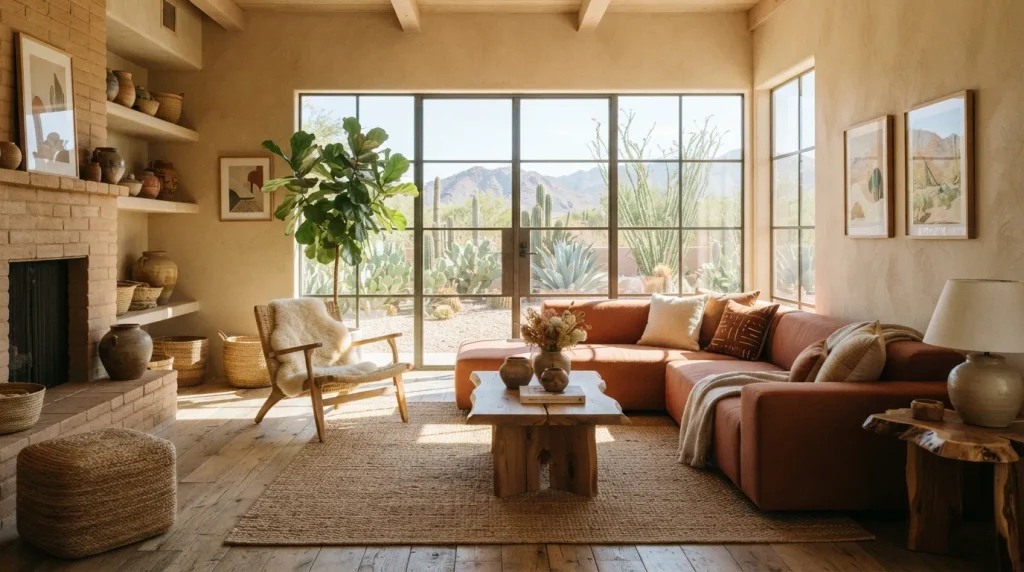
- Earthy tones create a warm, grounded visual palette
- Sculptural pottery adds artistic texture without clutter
- Natural rope and wood textures enhance the organic feel
- Large windows connect the space to outdoor desert views
- I’ve noticed this style pairs beautifully with minimal, sparse decor
Desert modern design channels the quiet beauty of arid landscapes into warm, sun-washed interiors. Sandy beige, terracotta, and rust tones form a grounded palette that feels both modern and deeply natural. In my experience, this style works best when paired with plenty of natural light, since the warm colors truly come alive under bright sunlight throughout the day. Sculptural pottery, rope-woven furniture, and sun-bleached wood add organic texture without needing excessive decoration. Rather than filling a room with objects, this aesthetic embraces open space and simplicity, letting each carefully chosen piece feel intentional, artistic, and quietly striking within the room.
This style has gained popularity partly because it offers a fresh alternative to cooler, grayscale modern interiors. Rope textures, ceramic vases, and natural wood tones introduce warmth without relying on busy patterns or bold colors. Many designers recommend keeping furniture minimal here, allowing negative space to highlight each sculptural piece individually. Cacti or dried desert plants reinforce the aesthetic further, connecting the interior to its natural inspiration outdoors. For homeowners wanting a calm, earthy space that feels both modern and organically warm, desert modern design remains a genuinely refreshing and increasingly popular choice.
19. Maximalist Color Explosion
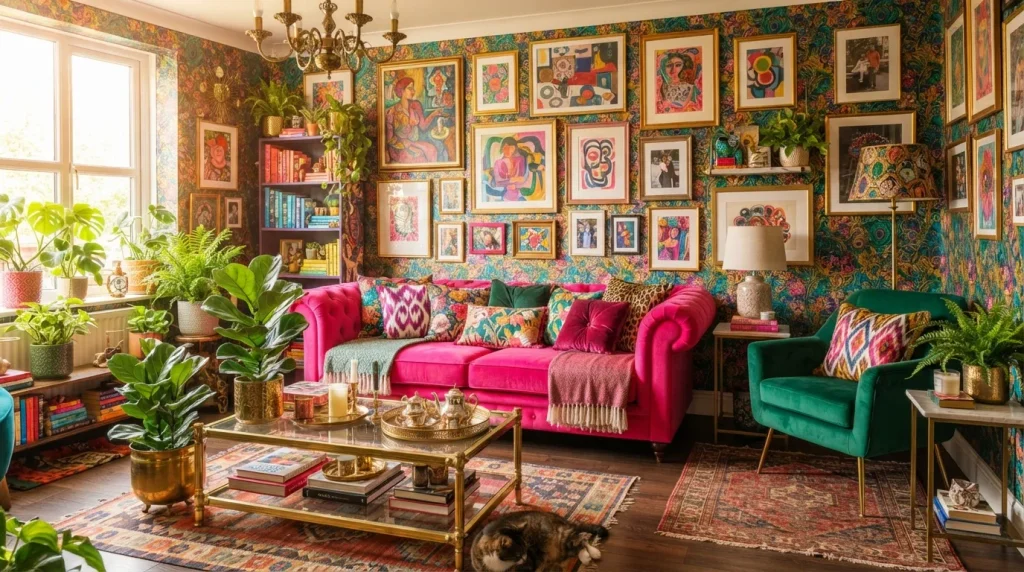
- Layering colors and patterns creates energetic, joyful spaces
- Gallery walls become a bold personal statement
- Mixing textures prevents busy rooms from feeling chaotic
- Great for expressing personality rather than following trends
- I’ve noticed maximalist rooms photograph incredibly well for Pinterest
Maximalist design rejects the idea that more is automatically overwhelming, proving instead that thoughtful abundance can feel joyful. Bold wallpaper, clashing jewel tones, and layered patterns come together to create rooms full of energy and personality. In my experience, the key to successful maximalism lies in repetition, using the same two or three colors throughout different patterns so the space feels cohesive rather than chaotic. Gallery walls, patterned cushions, and abundant plants add depth without ever feeling sparse. Unlike quieter minimalist trends, this style celebrates boldness, encouraging homeowners to fill their space with color, art, and pieces that genuinely spark joy daily.
What makes maximalism increasingly popular is its refusal to follow strict design rules, giving homeowners genuine creative freedom. A patterned rug paired with a bold accent chair can anchor an entire room’s energetic mood instantly. Many designers recommend starting with one dominant color family, then layering complementary patterns and textures around it gradually. Brass accents and lush greenery help balance the visual intensity without dulling it down. For anyone tired of neutral, restrained interiors and craving a home that feels expressive, joyful, and unmistakably personal, maximalist design offers an exciting and genuinely rewarding path forward.
20. French Country Elegance
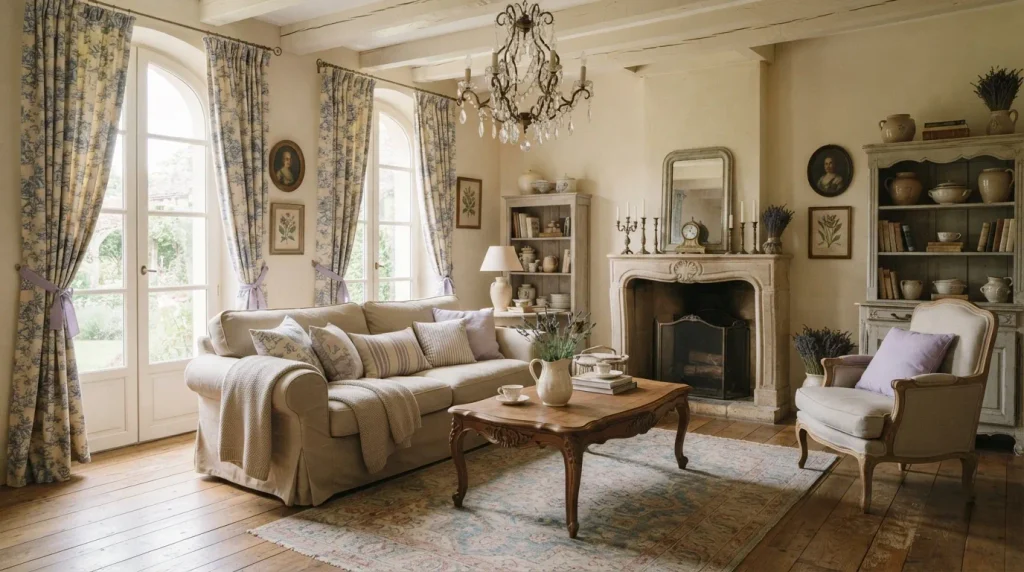
- Soft linens and curtains add romantic, airy texture
- Carved wood furniture brings subtle old-world elegance
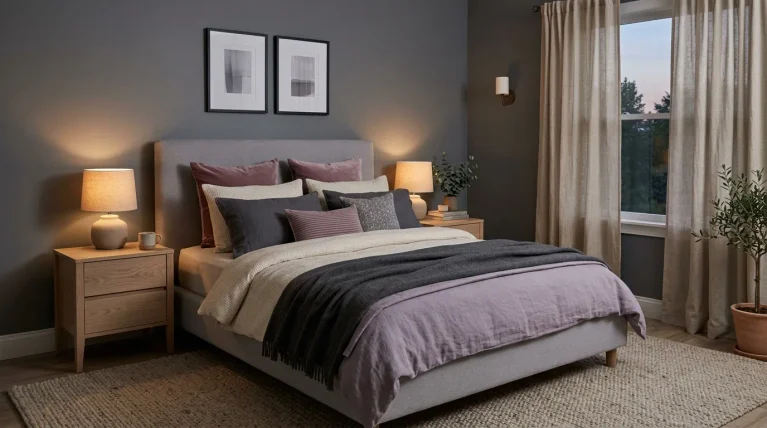
- Muted lavender and cream tones feel calm and refined
- Chandeliers add a touch of understated luxury
- That’s why many designers recommend this for formal living spaces
French country design blends rustic charm with refined elegance, creating rooms that feel simultaneously relaxed and polished. Soft linen slipcovers, carved wood furniture, and muted lavender tones form a gentle, romantic palette throughout the space. In my experience, this style suits formal living rooms particularly well, since the distressed wood and antique details add warmth without feeling stiff or overly decorated. Toile patterns and soft curtains introduce subtle texture, while chandeliers bring a touch of understated luxury overhead. Rather than feeling like a strict historical recreation, this style settles comfortably into modern homes, offering timeless charm without sacrificing everyday comfort or livability.
This design direction remains popular largely because it balances elegance with genuine warmth, avoiding the coldness sometimes found in formal interiors. Distressed wood finishes and soft fabric textures keep the space feeling approachable rather than untouchable. Many designers recommend pairing antique furniture pieces with slightly more casual linen textiles to prevent the room from feeling overly formal. Lavender, cream, and soft gold tones work beautifully together within this palette. For homeowners wanting a graceful, romantic living space that still feels comfortable for daily life, French country elegance continues to offer a genuinely timeless and rewarding design choice.
21. Retro Pop Color Design
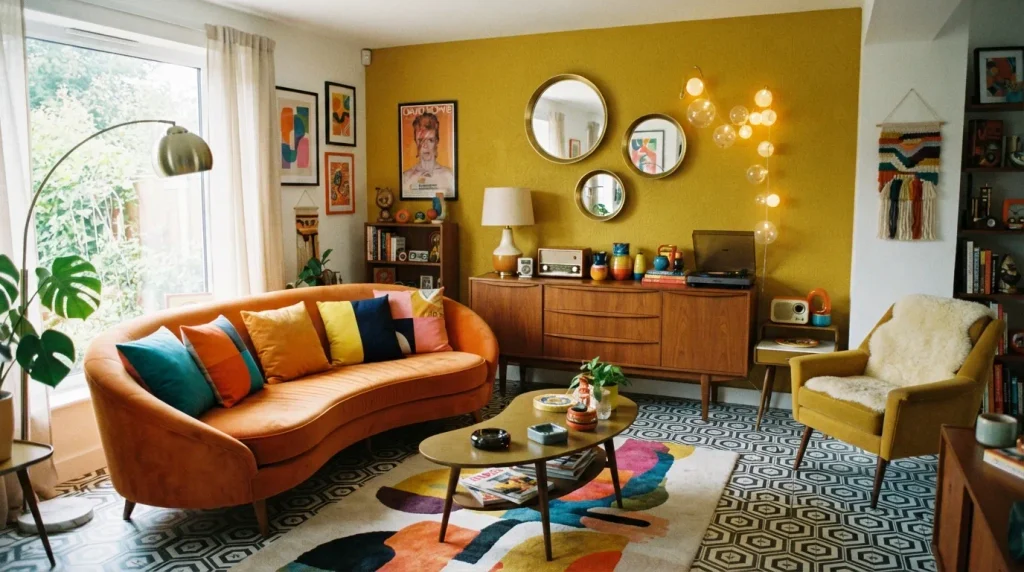
- Bold color blocking instantly energizes a neutral room
- Curved retro furniture softens sharp modern layouts
- Playful patterns work well in casual, social spaces
- Vintage-inspired lighting adds a fun focal point
- I’ve noticed one retro accent piece can transform a plain room
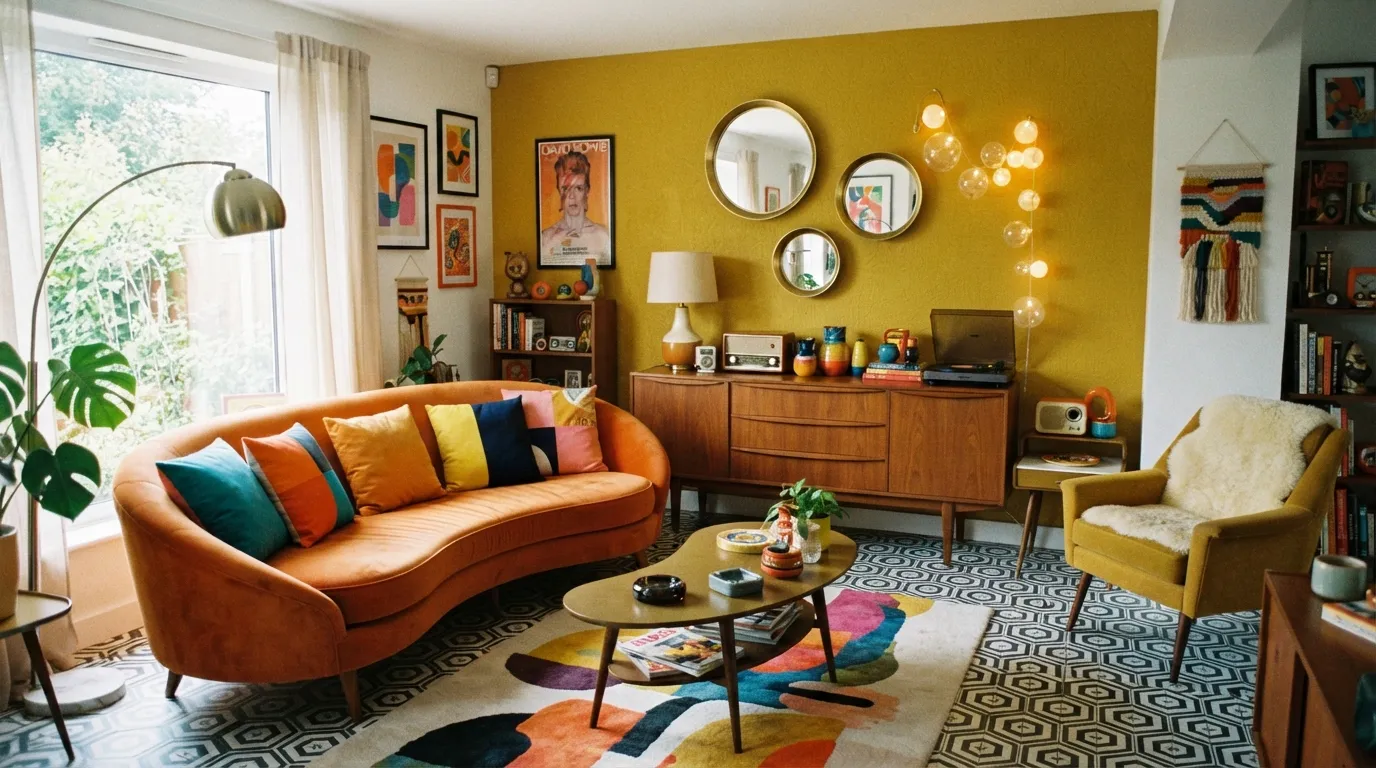
Retro pop design brings playful nostalgia into modern homes, proving that bold color can feel fun rather than overwhelming. Mustard yellows, burnt oranges, and geometric patterns combine to create rooms full of personality and energy. In my experience, this style works especially well in casual social spaces, like living rooms or game rooms, where a lighthearted mood feels appropriate and welcome. Curved furniture silhouettes soften the boldness of the color palette, keeping the room from feeling too intense visually. Rather than taking itself too seriously, retro pop design invites homeowners to have fun with color, pattern, and shape throughout their space.
This style continues to attract attention because it offers an easy way to break away from safer, neutral interiors. A single color-blocked accent wall or a curved orange sofa can completely shift a room’s personality without a full renovation. Many designers recommend balancing bold retro pieces with simpler surrounding furniture, letting the statement colors truly stand out. Bubble-shaped lighting and round mirrors add playful geometric interest overhead and throughout the space. For anyone wanting their home to feel energetic, nostalgic, and genuinely fun to spend time in, retro pop design remains a joyfully distinctive choice.
22. Warm Minimalist Living
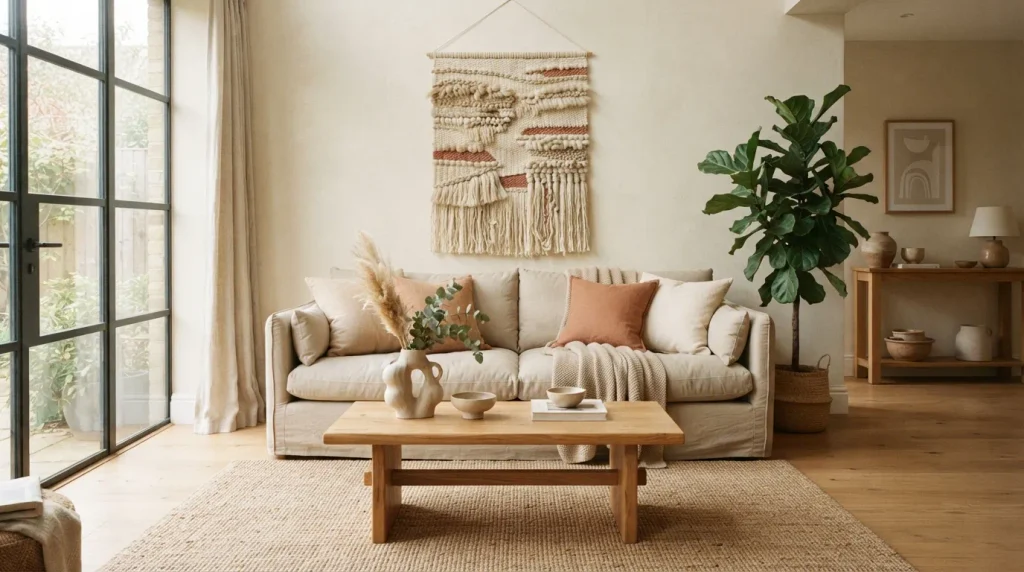
- Soft neutral layering avoids the coldness of stark minimalism
- Natural materials like linen and oak keep the room grounded
- Sculptural decor adds interest without visual clutter
- Works beautifully for people wanting calm, functional spaces
- I’ve noticed warm minimalism ages better than trend-driven decor
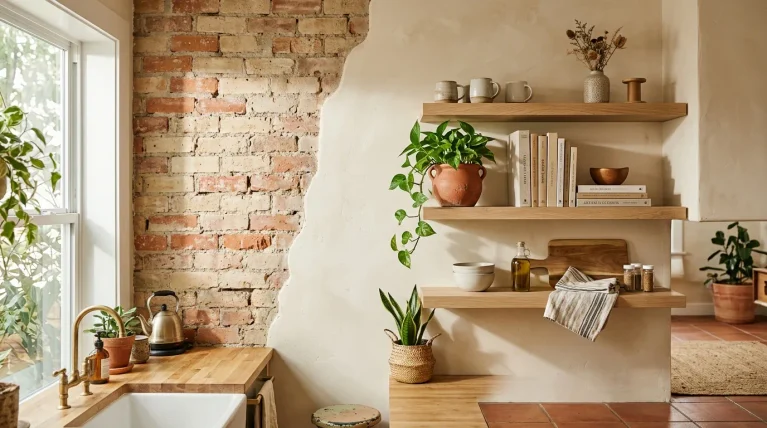
Warm minimalism answers a common concern people have about minimalist design: that it can feel cold or unwelcoming. By combining soft neutral tones with natural textures like linen and oak, this style keeps rooms simple without losing warmth. In my experience, this approach works especially well for people transitioning away from busier, more cluttered interiors, since it still allows a sense of ease and comfort. Cream plaster walls and soft terracotta accents add gentle depth against a mostly neutral base. Rather than feeling empty, these spaces feel intentional and calm, proving that simplicity and warmth can genuinely coexist within the same room.
This design direction has grown popular partly because it feels sustainable rather than trend-driven, aging gracefully over time. A few sculptural ceramic pieces or a woven wall hanging add texture without disrupting the room’s calm foundation. Many designers recommend limiting the color palette to warm neutrals, then introducing texture through natural materials instead of pattern. Light oak flooring and linen textiles reinforce the soft, grounded mood throughout the space. Among today’s popular interior design styles, warm minimalism stands out for homeowners wanting a peaceful, functional home that still feels genuinely inviting and comfortable every day.
Conclusion
Your home doesn’t have to fit into one box, and that’s the beauty of exploring so many design directions. From moody dark academia nooks to sun-washed desert modern rooms, these popular interior design styles prove there’s genuine inspiration for every taste and lifestyle. I’ve seen how even one small change, a new rug, a warmer light, a single statement piece, can shift how a whole room feels. Pick the style that speaks to you, try it in your own space, and don’t be afraid to mix elements until it feels genuinely yours. Save this post for later, and share it with someone who’s ready to fall in love with their home again.