Sparkly Winter Decor Ideas for a Cozy Bright Home Look
The week after Christmas is the darkest of the year, and taking every light and bauble down at once can make a home feel like someone switched winter to hard mode. The trick the prettiest winter houses know: January is not for undecorating. It is for transitioning — keeping the glow, retiring the Christmas, and letting your rooms shine in a quieter way.
These sparkly winter decor ideas show you how to make that shift layer by layer. We will sort what stays and what goes, build a frosted palette, bring in branches and pinecones as your base, add mercury and clear glass for shine, string fairy lights where winter feels darkest, layer textiles that catch the light, and finish with one bright corner per room.
Nothing here fights the season. Short days, cold windows, long evenings — winter sparkle works with all of it, turning the darkest weeks into the coziest.
1. Keep the Sparkle, Pack Away the Christmas

Photo credit: @christmastreeideas on Instagram
Begin with a sort, not a shopping trip. Three piles: unmistakably Christmas (reds, Santas, signs with words, novelty anything) goes to storage; winter-neutral pieces (silver and white baubles, plain greenery, pinecones, candles, fairy lights) stay out; and everything else returns to normal life. Most homes discover that half their December decor was quietly winter all along.
Work room by room so no space is left half-undressed, and store the Christmas pile properly labeled for next year. This single edit changes the home's mood from "holidays ending" to "winter, done beautifully" — and January suddenly feels like a season instead of an aftermath.
Budget note: The transition costs almost nothing because it is mostly subtraction. Your only likely purchases are a few white or silver pieces to replace the red ones you just packed away.
2. Build a Frosted Palette: White, Silver, and Pale Wood

Photo credit: @christmas_interior on Instagram
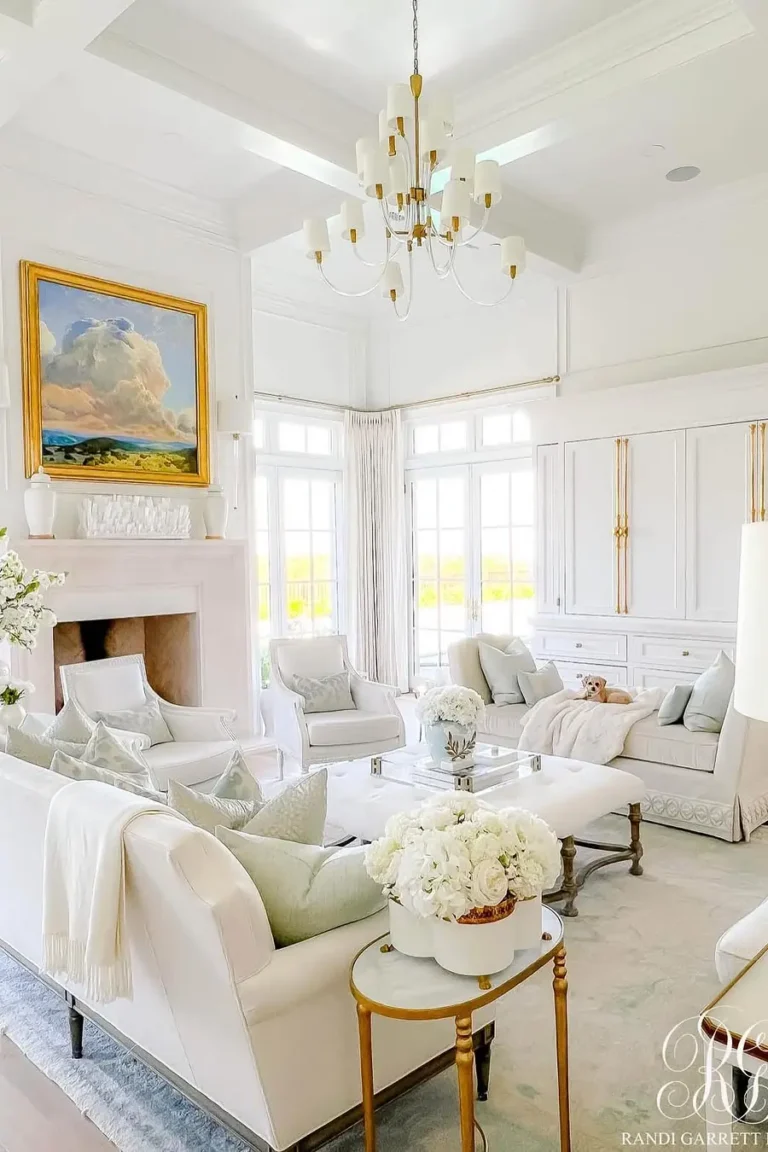
Winter sparkle has a color story: white and cream as the base, silver and clear glass as the shine, pale wood and natural textures as the warmth that stops it feeling icy. Stick to it across every room and your whole home reads as one calm, bright season.
Remove the last loud colors as you find them — the scarlet cushion, the bright green throw — and replace them with the palette’s own versions: ivory, oatmeal, soft grey, natural linen. In this palette, sparkle comes from finish rather than color: mercury glass, polished silver, frosted everything, and light itself.
Color note: Add warmth deliberately or white rooms go cold. Cream rather than blue-white, warm wood rather than chrome, and amber candlelight rather than white bulbs keep frosted feeling cozy instead of clinical.
You May Also Like: Small Home Declutter Ideas for a Fresh New Year Start
3. Use Frosted Branches and Pinecones as Your Base

Photo credit: @christmas_interior on Instagram
Every seasonal scheme needs a base layer, and winter's is the winter landscape itself: bare branches — frosted, snowy, or plain — in tall vases, pinecones gathered in bowls and baskets, and plain or frosted greenery swagged along mantels and shelves. These natural pieces give your glass and metal something to sparkle against.
Frosting is forgiving and cheap: flocked sprays, a brush of white paint on cone tips, or a dusting of faux snow on a garland all read correctly at room distance. Cluster natural pieces generously — a full bowl of cones, three branches rather than one — because sparse nature looks like leftovers while generous nature looks like design.
Texture note: Pair matte naturals (wood, cones, wool) with shine (mercury glass, polished silver, clear glass). Winter sparkle is that contrast; all-matte is rustic, all-shine is a shop window, and the balance is a home.
4. Add Mercury Glass and Clear Glass for Shine
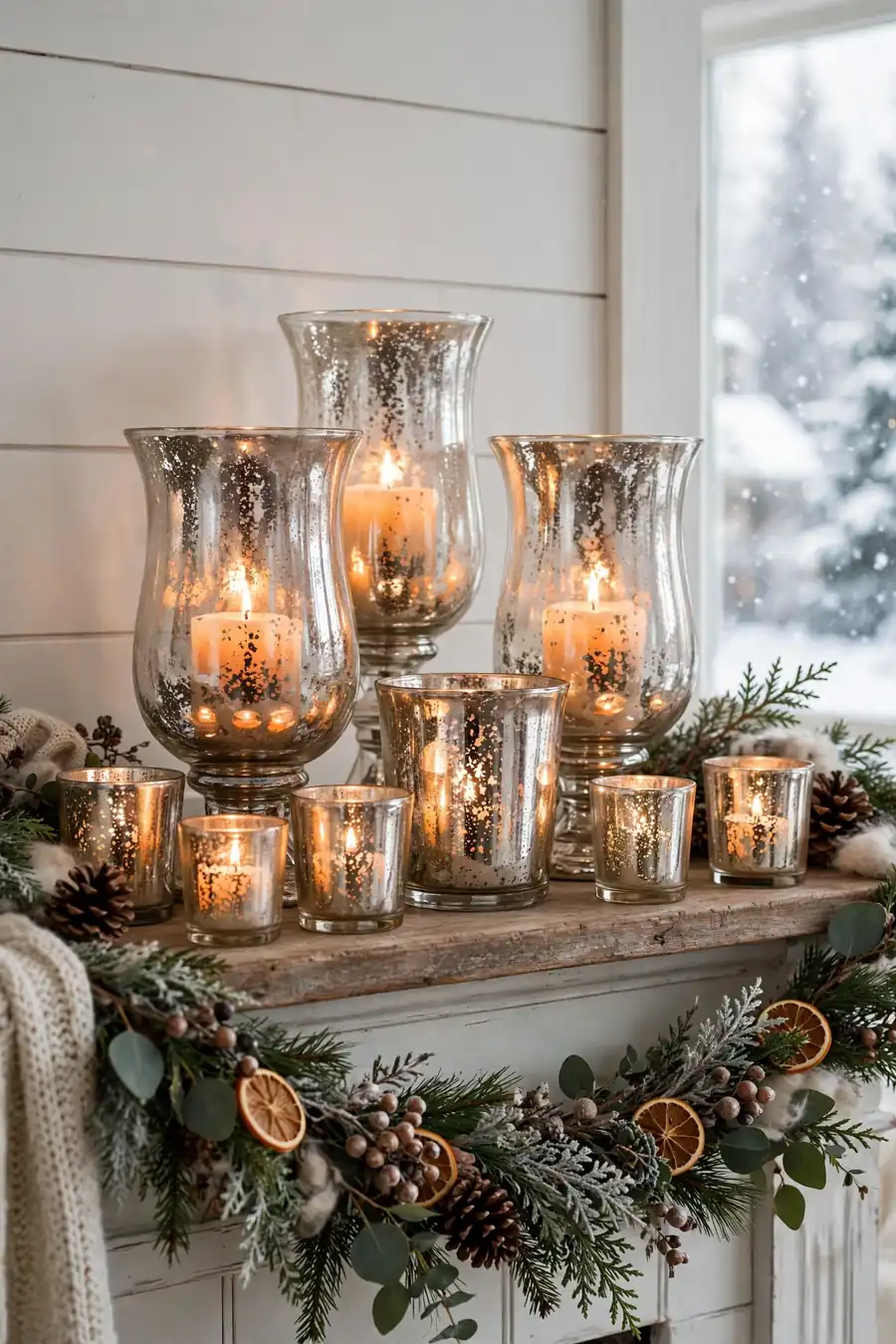
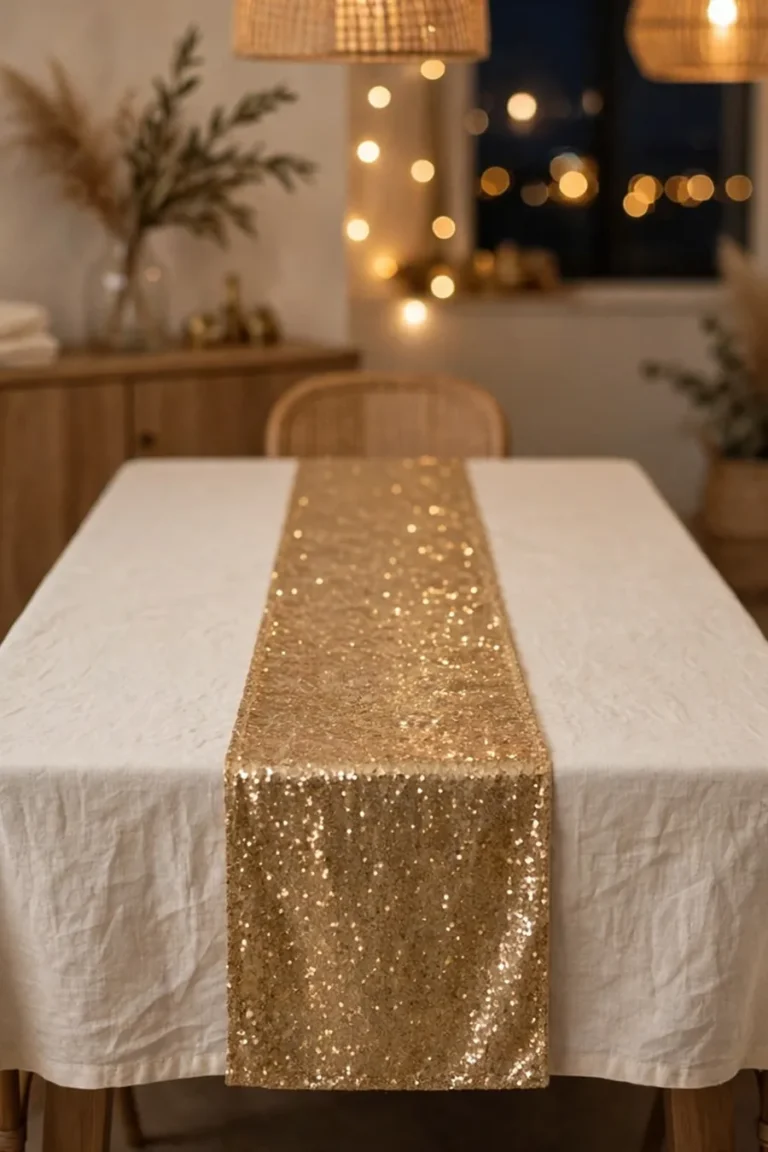
Mercury glass — with its soft, speckled, antique mirror finish — is winter sparkle's signature material. It shines without glittering, reflects candlelight in fragments, and sits perfectly between silver decor and warm rooms. Add it as votives, hurricanes, small bowls, and trays, and group it where light already lives: mantels, dining tables, beside lamps.
Clear glass plays support: tall hurricanes protecting pillar candles, glass jars holding fairy lights, a cloche over a tiny winter scene. Glass also lets you use Christmas survivors — silver baubles in a clear bowl read as winter decor the moment the red ones are gone.
Style note: Group glass in odd numbers at varied heights — a tall hurricane, a medium vase, a low votive. Even heights in a row look like stock; varied heights look like styling.
You May Also Like: 25 Christmas Mantel Ideas to Make Your Home Glow
5. Layer Fairy Lights Where Winter Feels Dark
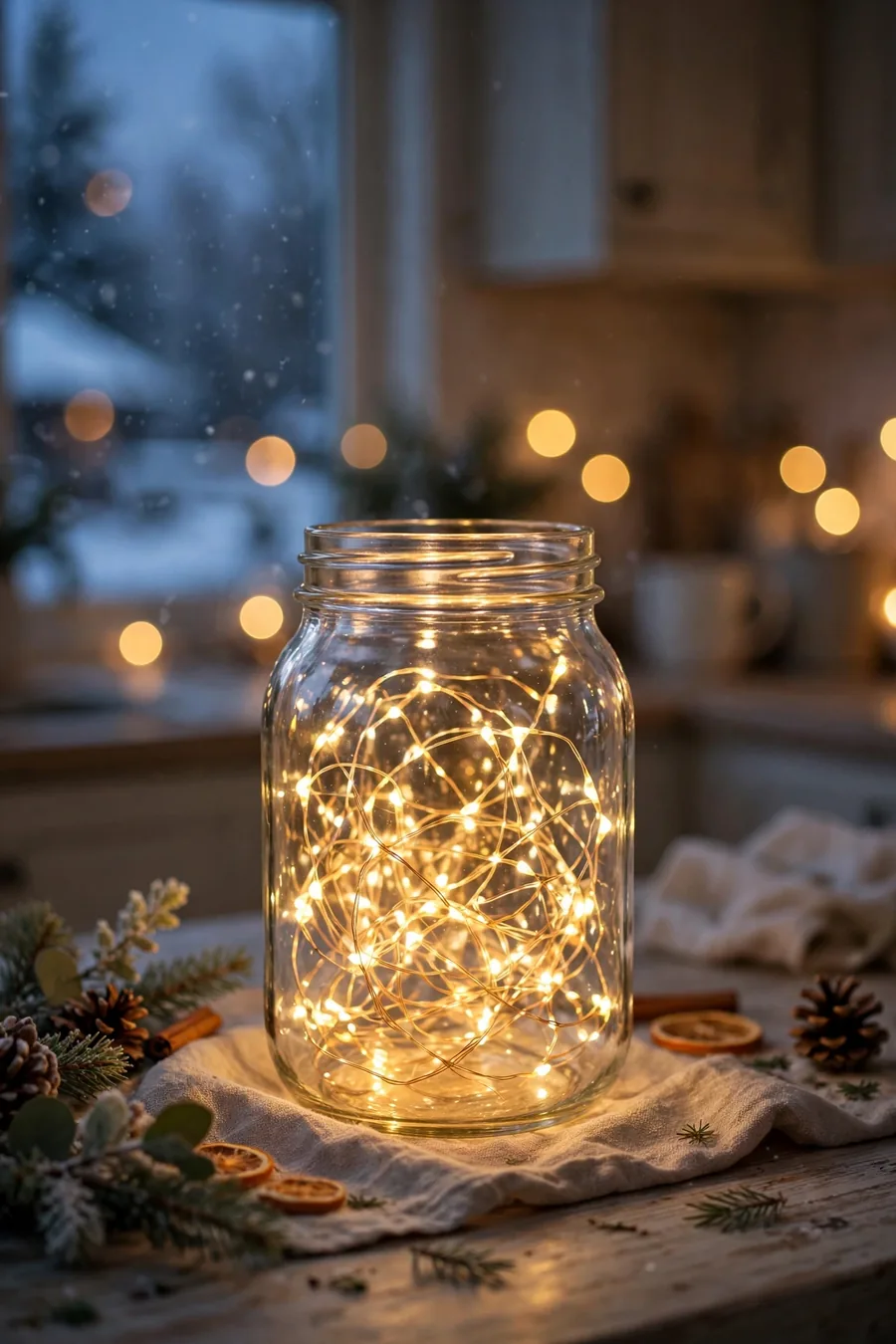
The tree may go, but its lights should move house rather than retire. Rehome warm-white fairy lights into the darkest parts of winter life: coiled in a glass jar on the kitchen counter, woven through the mantel greenery, along a staircase, around a mirror, or inside the branch arrangement. In midwinter, light is not decoration — it is morale.
Battery strands with timers are the workhorses here: set them once and the house glows on schedule through the darkest weeks. Push some bulbs deep into greenery and leave others forward; mixed depths create the glow-from-within that makes winter rooms feel candlelit rather than decorated.
Safety note: Use LED strands in good condition, keep battery packs and connections dry and off the floor, and let no fabric rest directly on bulbs. Check older strands for damage before redeploying them for the season.
6. Add Cozy Textiles That Catch the Light
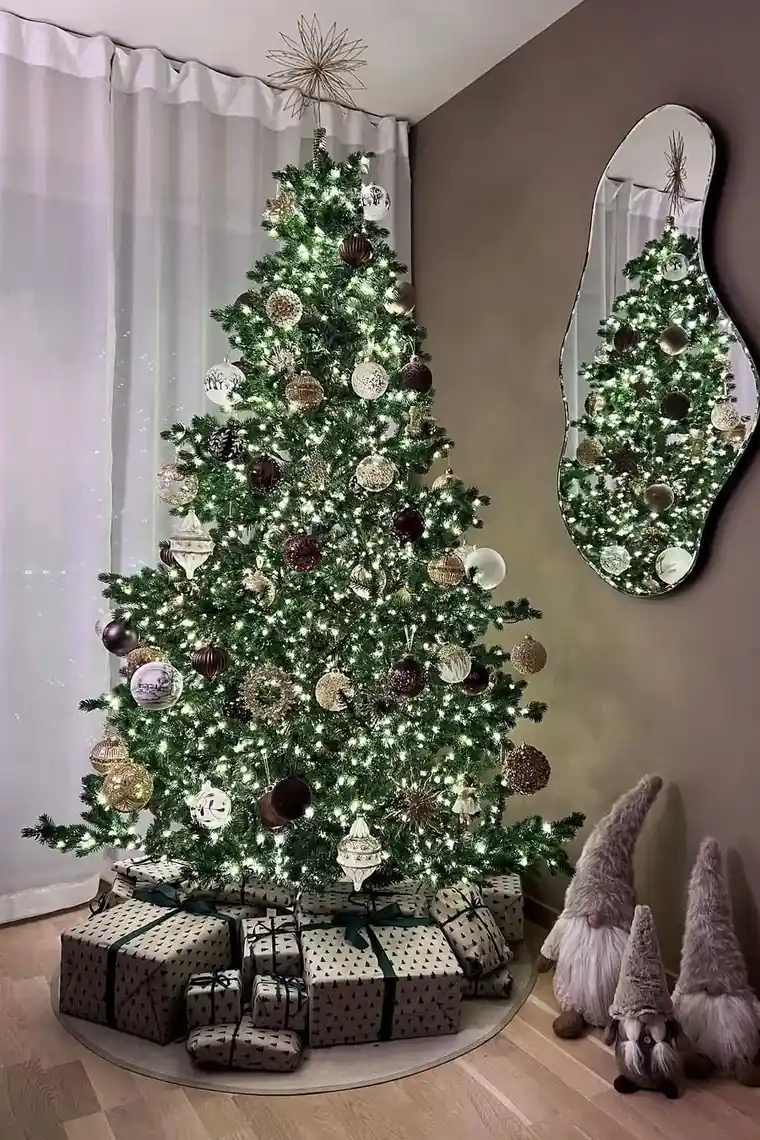
Photo credit: @christmastreeideas on Instagram
Sparkle without softness is just glare, so layer the textiles winter actually demands: chunky knit or wool throws on the sofa, flannel or brushed-cotton bedding, cushions in cream, ivory, and one subtle shimmer. Choose finishes with a slight sheen — satin-weave cotton, a metallic-thread knit — and the textiles themselves join the sparkle scheme.
This is also a comfort strategy. Rooms that look bright but feel cold get avoided; rooms layered in warm textiles with light catching on every fold get lived in. Rotate the same palette from cushions to curtains to throws so each room feels finished rather than accessorized.
Budget note: One good throw in ivory or soft grey, moved room to room where you actually sit, out-performs four cheap ones. Buy the soft one; winter evenings will prove it nightly.
You May Also Like: 25 Neutral Christmas Decor Ideas for a Calm Elegant Home
7. Finish With One Bright Corner per Room

Photo credit: @christmas_interior on Instagram
Zoom out and give each room one deliberately bright corner: the mantel with its glass and lights, a reading chair with a lamp, throw, and glowing jar beside it, the dining table's winter centerpiece. Stand in the doorway at dusk and check that your eye finds it — that corner is what the room feels like on dark evenings.
Then edit around it. Surfaces far from the corner can stay calm and mostly empty; winter rooms feel brighter when light is concentrated rather than spread thin. Finish by retiring whatever still argues with the palette, and your January home is done: cozy, bright, and calm until spring.
Fixing note: If a room feels sparkly but chilly, the problem is missing texture, not missing light. Add one wool or knit layer and one wood piece before touching the lighting; warmth is usually a textile problem.
Sparkly Winter Decor Cheat Sheet
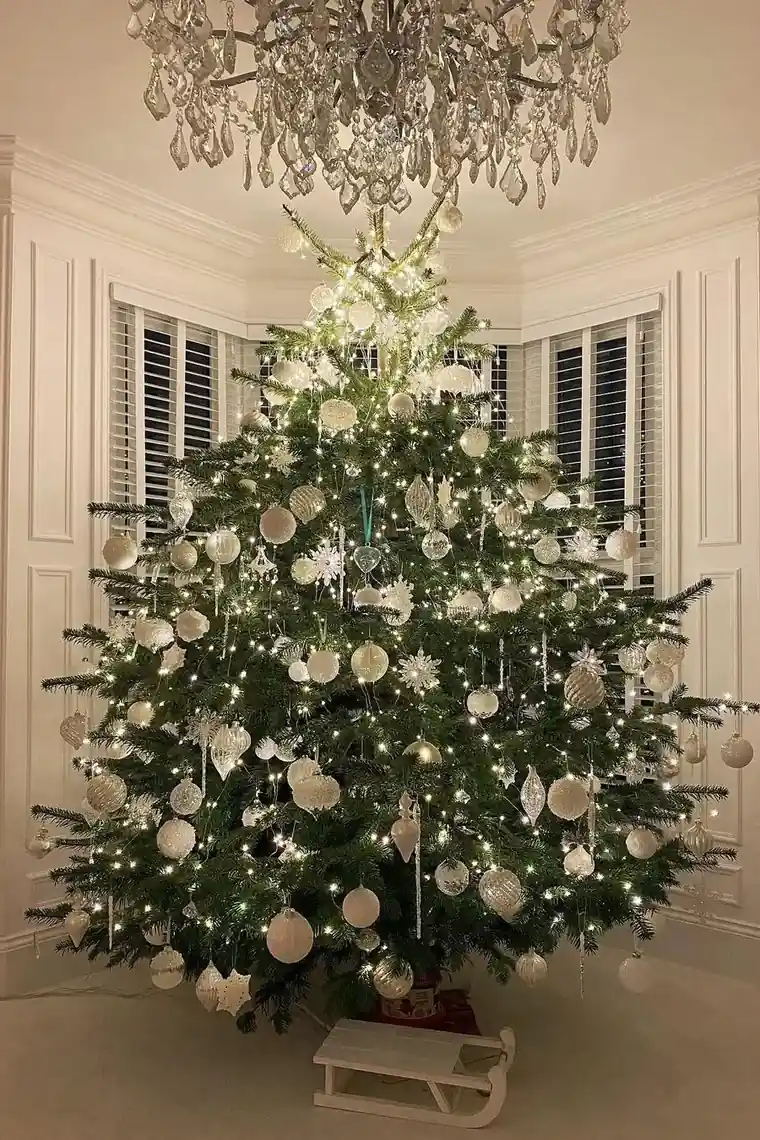
Photo credit: @christmastreeideas on Instagram
| Layer | Add this | Retire this |
|---|---|---|
| Palette | White, cream, silver, pale wood | Red, bright green, novelty prints |
| Base | Frosted branches, pinecones, plain greenery | Wordy signs and Christmas figures |
| Shine | Mercury glass and clear glass clusters | Loose glitter on every surface |
| Light | Rehomed fairy lights in jars and garlands | One harsh overhead as the only source |
| Textiles | Wool throws, flannel, subtle-shimmer cushions | Thin summer cottons in bright colors |
| Focal | One bright, lit corner per room | Every shelf competing for attention |
| Scent | Cedar, pine, or vanilla candle | Leftover candy-cane and gingerbread sprays |
Frequently Asked Questions
How do I use sparkly winter decor ideas after the Christmas tree comes down?
Keep the winter half of your December decor — silver and white baubles, plain and frosted greenery, pinecones, candles, and fairy lights — and pack away everything red, wordy, or character-shaped. Rehome the tree’s lights into jars, garlands, and mirrors, build on white, silver, and pale wood, and your home keeps its glow while feeling calmly wintry instead of Christmassy.
What is the difference between Christmas decor and winter decor?
Winter decor drops the holiday signals — red, Santa, “Merry Christmas” text, novelty shapes — and keeps the season’s textures: frosted greenery, pinecones, bare branches, mercury glass, warm light, and heavy textiles. If a piece could sit in a January cabin photo without looking like a leftover, it is winter decor.
How can I make dark winter rooms feel brighter without more lamps?
Multiply the light you have: fairy lights in glass jars, mercury glass beside candles, a mirror where it catches a lamp, and pale textiles that bounce light instead of absorbing it. Concentrate brightness into one corner per room rather than spreading it thin, and the whole room reads brighter on the same electricity.
When should winter decor come down?
There is no rule, but most people transition again in late February or early March, swapping frosted branches and heavy throws for the first spring greenery. Because winter decor uses neutrals and naturals, it can also fade out gradually, piece by piece, without ever looking out of season.

One Comment