Small Home Declutter Ideas for a Fresh New Year Start
January in a small home can feel like living inside a storage box. Every gift, box and winter layer landed somewhere, and in a small space "somewhere" is usually the chair, the counter or the floor by the door. The fix is not a heroic weekend clear-out you will abandon by Tuesday.
What works is smaller: the small home declutter ideas new year routines can actually survive. One bag, one surface, one visible win at a time. Each pass takes ten to twenty minutes, needs no new furniture, and leaves a room that feels lighter the moment you finish it.
Work in the order below: quick wins first, systems second, and one tiny keeping rule at the end so the calm lasts longer than the motivation does.
1. Start With One Bag and the Worst Surface

Photo credit: @hilltown_house on Instagram
Grab one bag for donations and one for rubbish, then pick the single surface that annoys you most — the entryway chair, the kitchen counter end, the coffee table. Set a timer for fifteen minutes and clear only that. Everything on it either goes to its real home, into a bag, or back in its place.
Do not tidy the whole room that the surface lives in. A small, finished patch beats a half-sorted room every time, because the finished patch is what your eye rests on. When the timer stops, take both bags out of the living space immediately: donation bag by the front door, rubbish straight out.
Momentum note: In a small home, one clear surface changes the feeling of the whole room. Start where you look most often, not where the mess is technically worst.
2. Clear Every Flat Surface in Sight
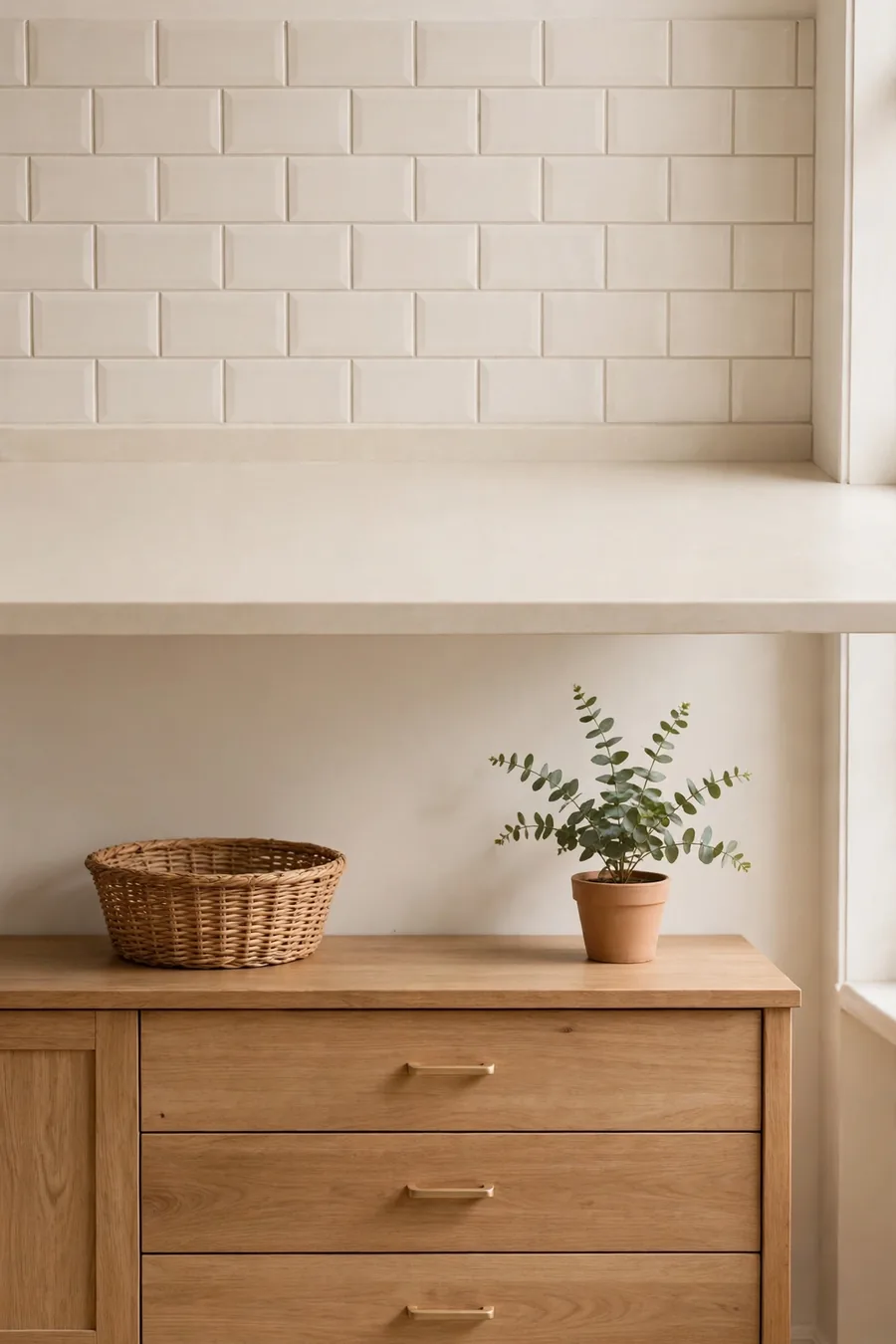
Flat surfaces are clutter magnets, and small homes have nowhere for the overflow to hide. Walk the whole home with fresh eyes and clear the counters, the table, the top of the dresser and the bathroom sink edge. For this pass, "clear" means empty or holding only the two or three things that live there on purpose.
Work surface by surface, not room by room, and resist re-styling as you go — that is a later, happier job. If an item has no home, it goes in a "decide" box with a date on it. If nobody opens the box within two weeks, its contents leave without a second debate.
A useful test while you work: every surface should be able to state its job in five words. Counters are for cooking, the table is for eating, the dresser is for clothes. Anything sitting on a surface that does not serve that job is a guest overstaying — and guests, however nice, eventually have to go home.
Space note: A decide box works only if it is small. Use a shoebox, not a storage bin, so the number of postponed decisions stays honest.
You May Also Like: January Home Decor Ideas for a Fresh Cozy New Start
3. Give the Daily Things a Home Zone
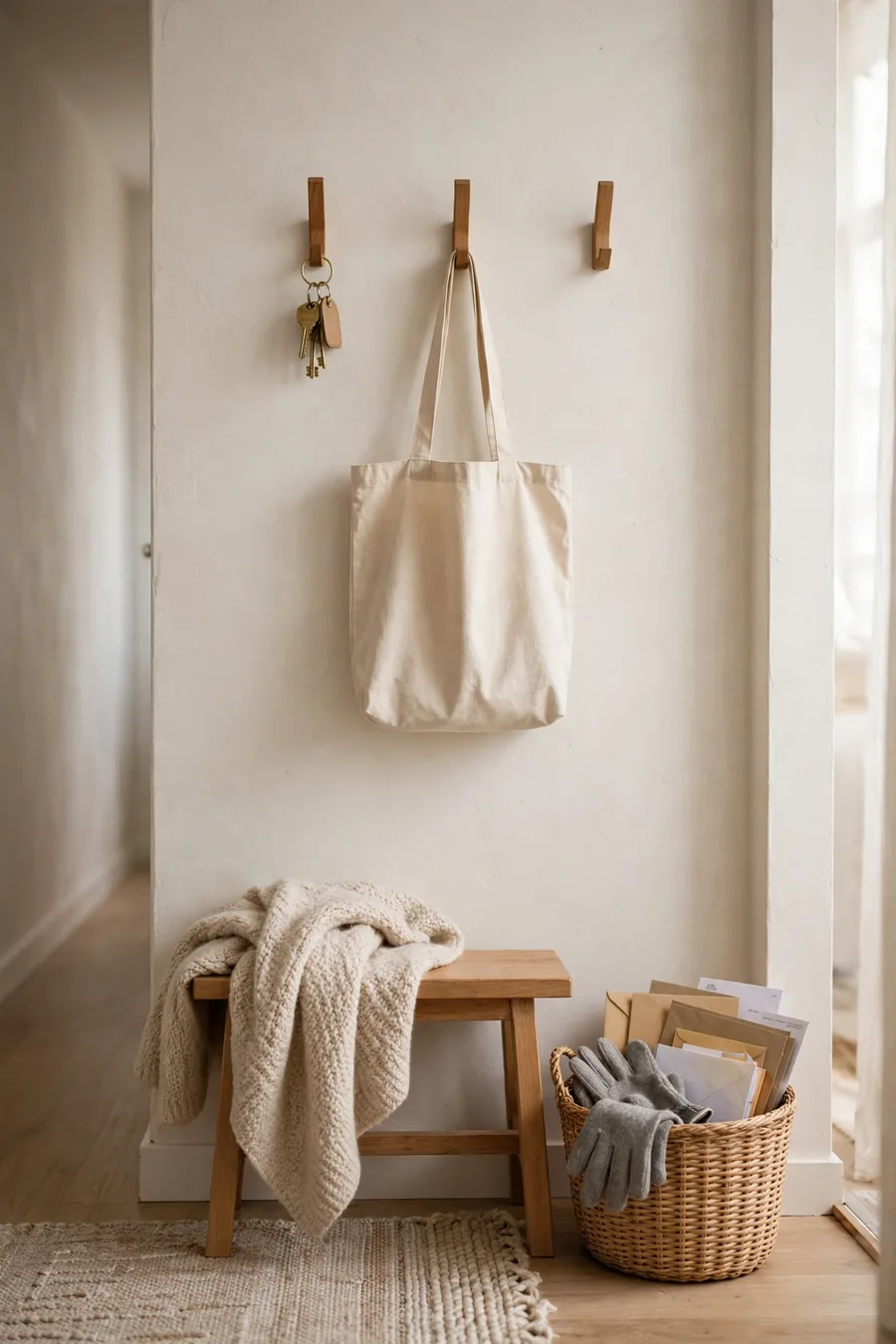
Most small-home clutter is not junk; it is daily things with nowhere assigned to land. Keys, post, chargers, bags, gloves and the dog lead all need one obvious home each, as close as possible to where they naturally get dropped. A hook by the door, one basket, one drawer — that is the whole system.
Put the home where the habit already is, not where you wish the habit was. A basket on the exact spot where post piles up will be used; a beautiful organizer in another room will not. Label nothing, explain once, and give it a week to bed in.
Fixing note: If a zone keeps overflowing, the zone is too small or holds things that are not truly daily. Demote the rarely used items to a cupboard and keep the zone lean.
4. Tame Paper, Cords and Countertop Creep
Paper and cables are the clutter that regrows overnight. Give paper one in-tray or one folder, and a five-minute weekly sort: act, file or recycle. School letters and bills that need action go on the fridge or a single clip, never in a growing stack on the counter.
For cords, bundle each charging setup into one small basket or box with the cable ends labelled, and leave exactly one charging spot in the home. Kitchen counters get the same treatment: appliances you use less than weekly go into a cupboard, and the kettle and board earn their permanent places.
Budget note: Paper and cord control costs almost nothing — one tray, one basket, a few labels. It is the highest-impact, lowest-spend declutter in a small home.
You May Also Like: 21 Vanity for Small Bedrooms Ideas to Save Space
5. Do a 15-Minute Closet and Drawer Edit
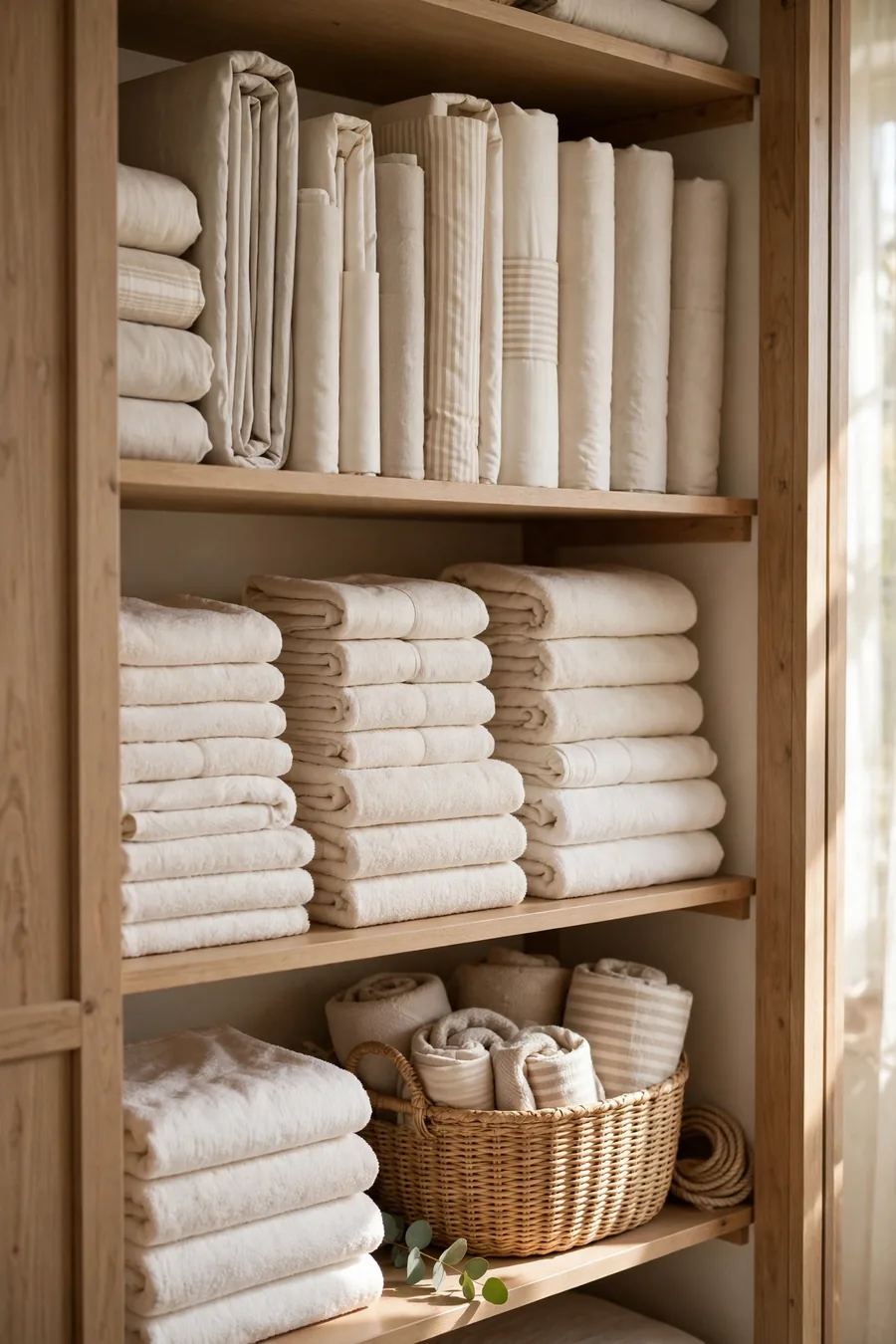
Clothes storage is where small homes quietly lose the most space. Work one drawer or one rail at a time with the same two bags. Take everything out, keep only what fits the life you actually live, and put back less than the space comfortably holds — three-quarters full is the target.
Turn all the hangers one way; when you wear something, turn the hanger back. In three months, the untouched hangers tell you exactly what can go without any agonizing. Heavy winter layers that are staying go into vacuum bags or the top shelf, not prime drawer space.
Do shoes in the same pass, because entryways in small homes drown in them quietly. Two pairs per person live by the door; the rest move to a wardrobe, a box or the donation bag. It takes five minutes and gives back the first square metre every visitor sees.
Storage note: Off-season storage only helps if it is out of the daily path. High shelves, under-bed boxes and the top of the wardrobe are fine; the everyday drawer is not.
6. Reset the Kitchen Counters and One Cupboard
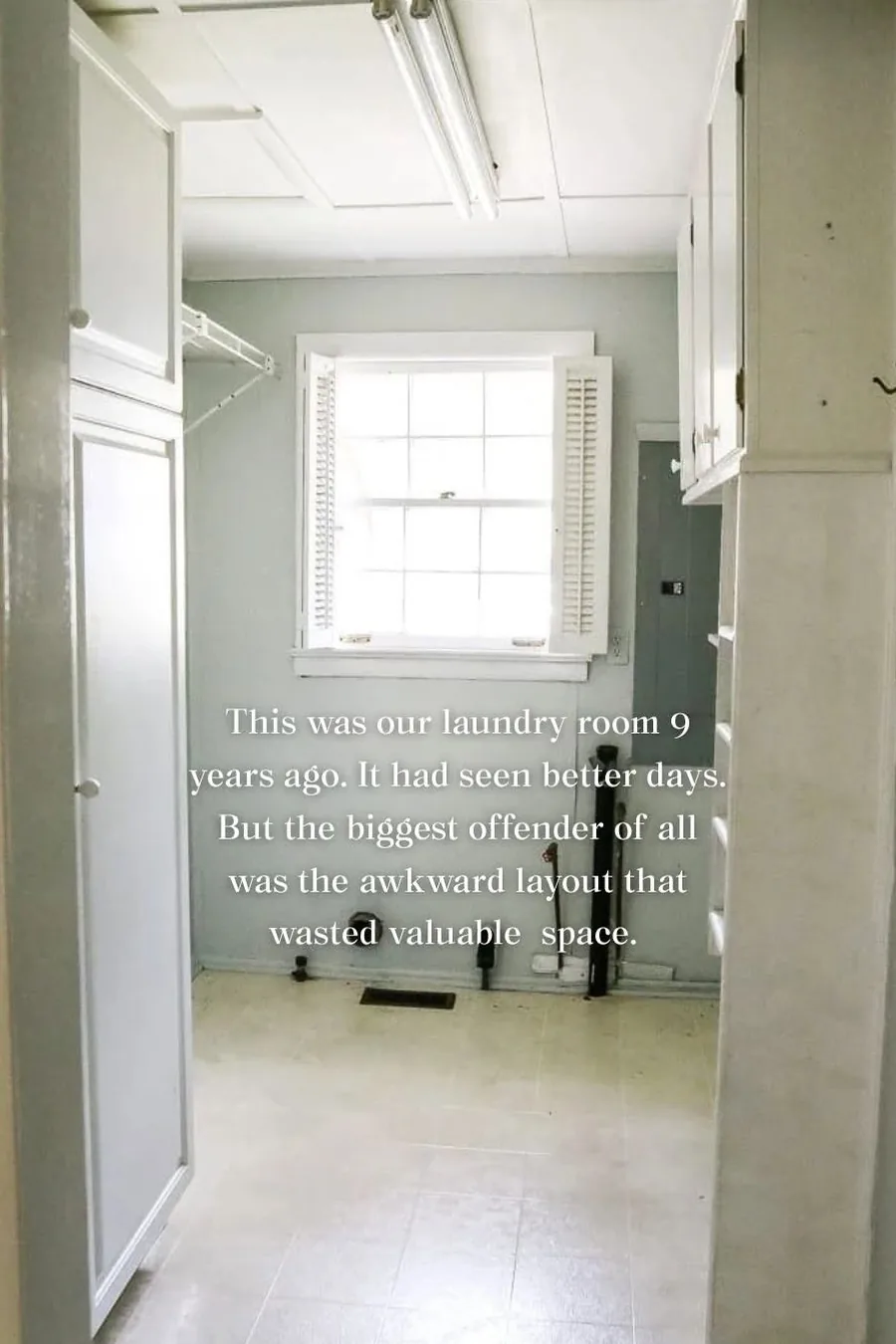
In a small kitchen, counter space is cooking space, so it gets defended first. Clear the counters down to the true daily tools, then open the worst cupboard — usually the pans or the plastic boxes — and match every container with its lid. Lidless boxes and extra pans you never reach for go in the donation bag.
Group what stays by task: morning things together, cooking things together, so one cupboard door opens per job. Decant nothing fancy; simple stacking and one small basket for packets is enough to make the cupboard feel twice its size.
Space note: Keep the "one in, one out" rule for kitchen gadgets from January onward. Small kitchens cannot absorb extras, however useful they look in the shop.
You May Also Like: 21 Modern Laundry Room Ideas for a Stylish Organized Space
7. Keep It Clear With a Ten-Minute Nightly Rule
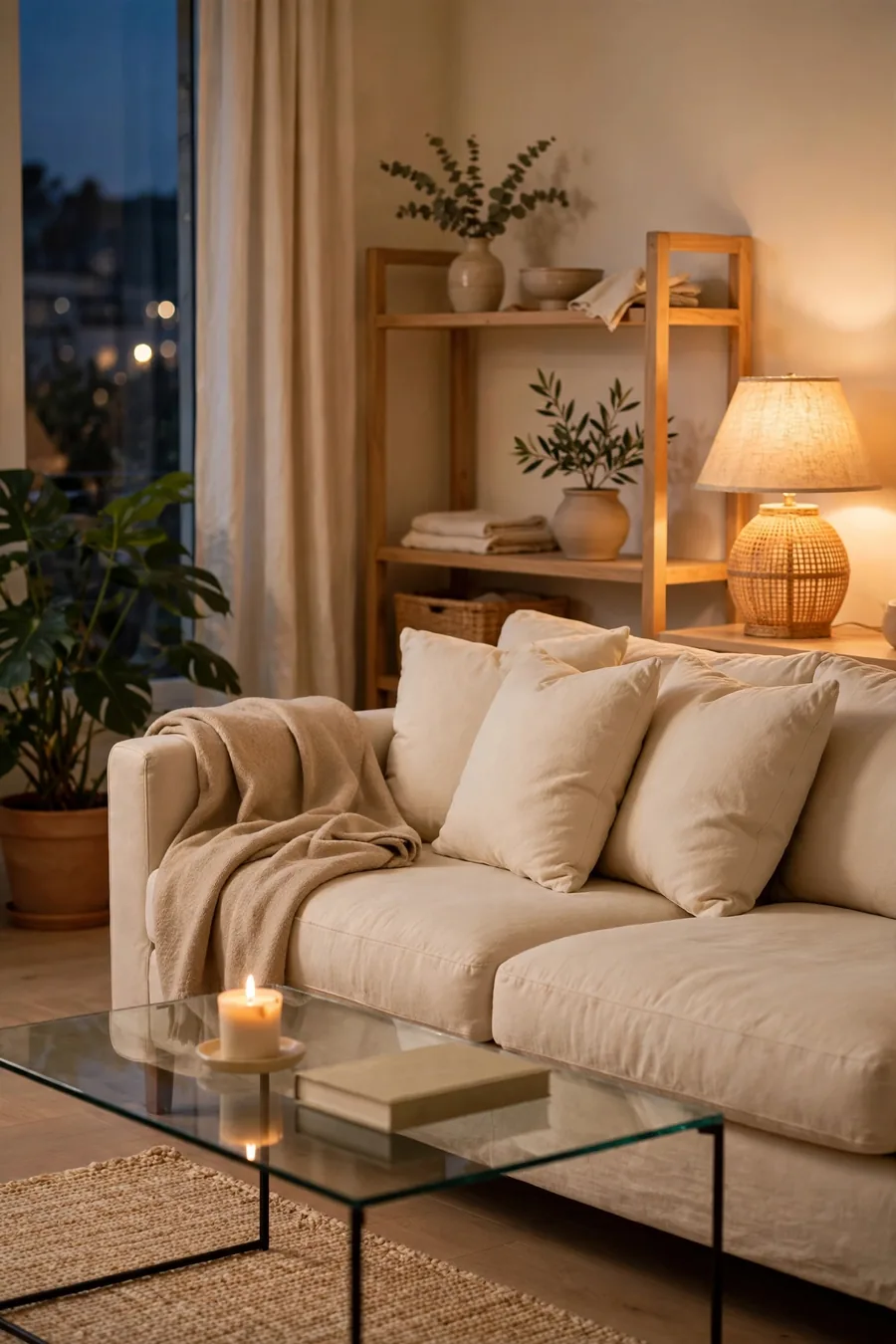
Photo credit: @goldenboysandme on Instagram
Decluttering sticks when the reset is tiny and daily. Ten minutes each evening, same time, same loop: surfaces, floor pick-up, post into the tray, bags by the door. Set a timer and stop when it rings — the rule is small on purpose, so it survives tired days.
Once a week, spend the ten minutes on the decide box and the donation bag instead, so departures keep happening. And once a month, re-run step one on whichever surface has started creeping again. Small homes do not stay clear by magic; they stay clear by rhythm.
Habit note: Attach the reset to something you already do — kettle boiling, dishwasher unloading — and it stops feeling like a chore within a week.
The Small-Home Declutter Cheat Sheet
| Zone | First move | Time it takes |
|---|---|---|
| Entryway | One basket or hook per daily item | 15 minutes |
| Living room | Clear the coffee table and sofa arms | 10 minutes |
| Kitchen counters | Appliances used weekly only stay out | 20 minutes |
| Paper and cords | One in-tray, one charging basket | 15 minutes |
| Wardrobe | One drawer or rail, three-quarters full | 15 minutes per drawer |
| Cupboards | Match lids, group by task | 20 minutes each |
| Whole home | Ten-minute nightly reset loop | 10 minutes daily |
Frequently Asked Questions
What are the easiest small home declutter ideas new year beginners can start with?
Start with one surface and one bag, not the whole home. Clear the flat surfaces, give keys, post and chargers a home each, and take donation bags out the same day. Small finished wins build the habit that bigger declutters need.
How do I declutter a small home with no storage space?
Declutter to the space you have, not the space you wish for. Keep cupboards three-quarters full, store off-season things high or under the bed, and apply one-in-one-out to new purchases. If an item has no home, it cannot stay — that rule does most of the work.
How long does it take to declutter a small apartment?
In short daily passes, most people see a real difference in a week: surfaces on day one, zones on day two, wardrobe and kitchen across the next few days. The ten-minute nightly reset then keeps it done, which matters more than the first big push.
What should I do with things I am not sure about?
Put them in a small decide box with a date written on it. If the box stays unopened for two weeks, donate the contents without re-sorting. The small box keeps postponed decisions few and honest.


2 Comments