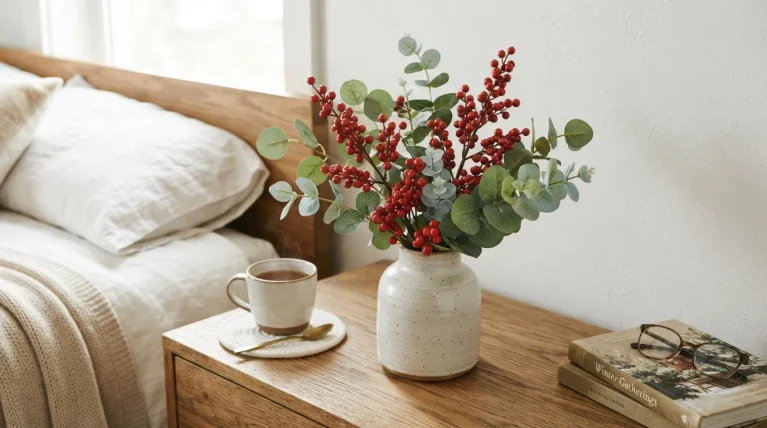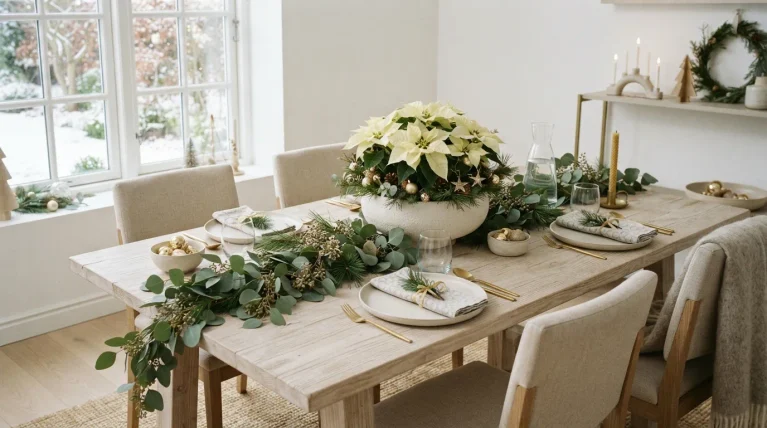
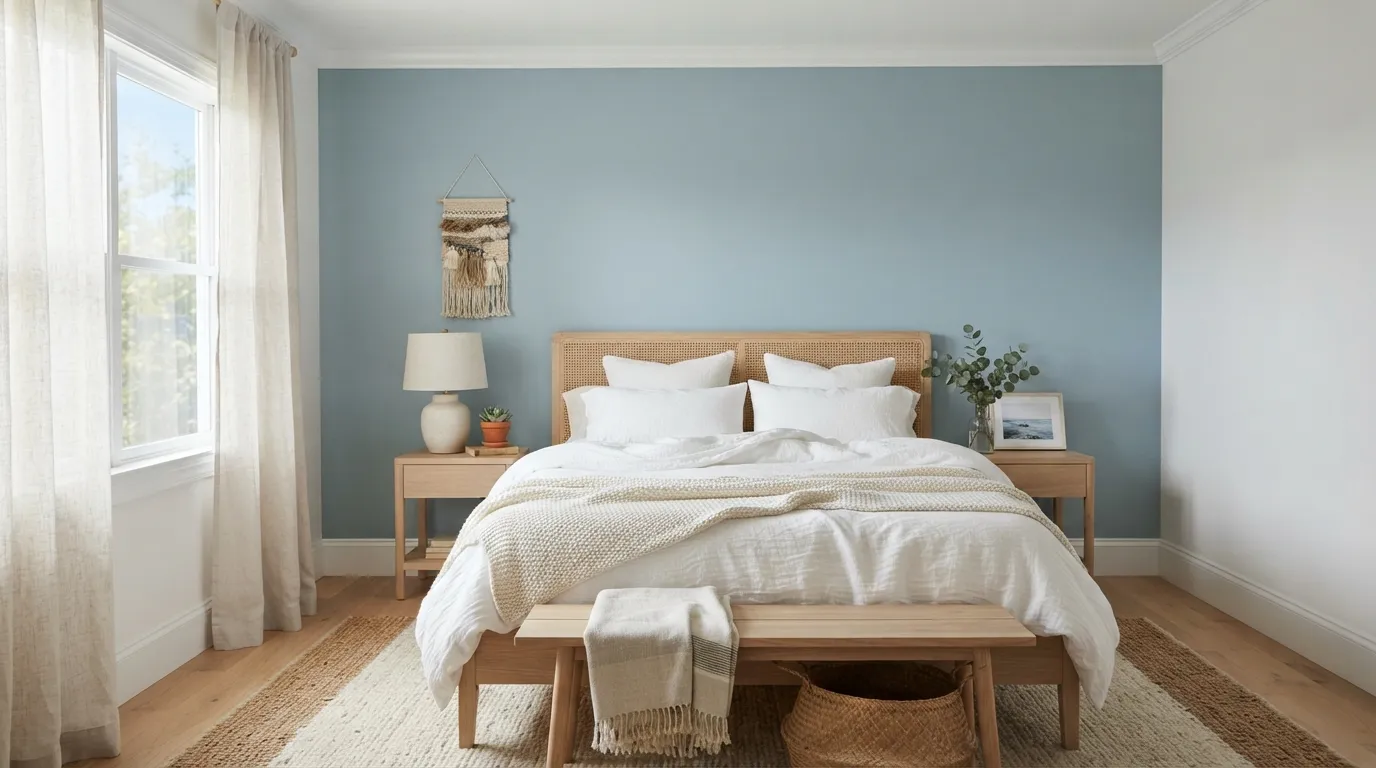
Picture walking into a room that instantly feels like a seaside escape, without ever leaving your house. That’s the magic of the right summer decorations for home, and it’s easier to achieve than most people think. Whether you’re refreshing a single corner or reimagining an entire living space, small coastal-inspired touches can completely shift how a room feels and functions. In my experience, homeowners often assume this kind of transformation requires a big budget or a full renovation, but that simply isn’t true. This collection of 25 ideas focuses on simple, achievable changes, from natural textures to soft color palettes, that bring warmth, light, and a genuine sense of calm into any home. Each idea here is practical, budget-friendly, and easy to personalize, so you can create a space that feels fresh, breezy, and truly your own this season.
1. Driftwood Wall Accents
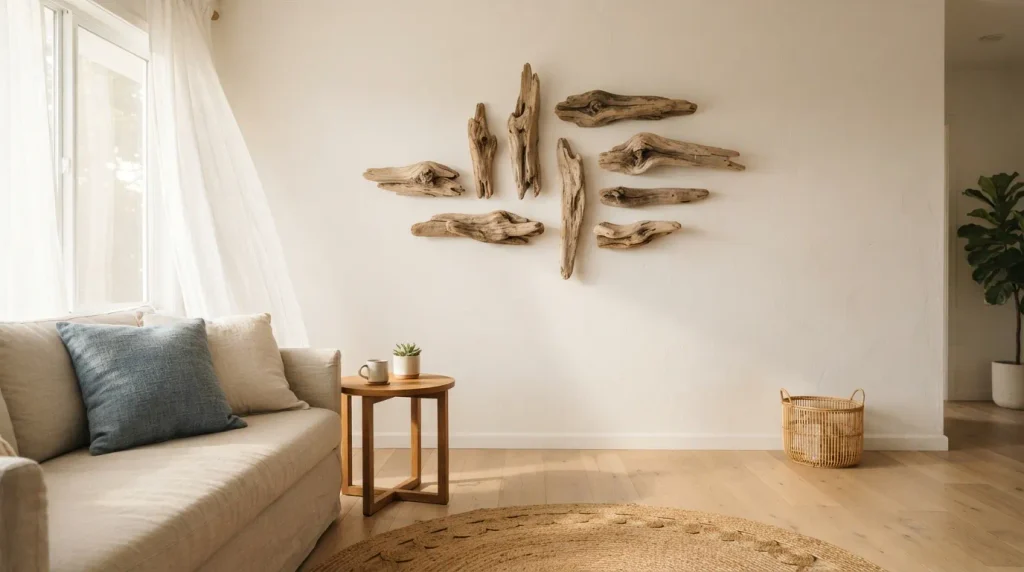
- Adds natural texture without cluttering the space
- Works in living rooms, hallways, or above a bed
- Pairs beautifully with white or sandy neutral walls
- Costs little if you collect pieces yourself
- Instantly signals a relaxed, beachy mood
Driftwood has a quiet power that most people underestimate until they try it. A single weathered branch mounted on a plain wall can shift an entire room’s energy from ordinary to coastal-calm in minutes. I’ve noticed that homeowners often overthink wall decor, reaching for expensive art when a simple piece of driftwood does more emotional work. It carries a story of sun, salt, and time, which is exactly the feeling summer decorations for home should bring. The rough texture also contrasts nicely against smooth painted walls, giving the eye something organic to rest on.
Styling driftwood well comes down to restraint rather than abundance. Two or three pieces arranged with visible negative space between them look intentional, while a crowded cluster starts to feel messy fast. I’ve seen this work especially well above headboards and console tables, where the irregular shape breaks up a room’s straight lines. Pale or bleached driftwood suits brighter coastal palettes, while darker pieces add grounding warmth to all-white rooms. Either way, it stays lightweight, easy to rearrange, and forgiving for beginners still learning how texture and negative space work together.
Also Read : 22 Scandinavian Kitchen Ideas for a Bright Modern Home
2. Blue And White Stripes
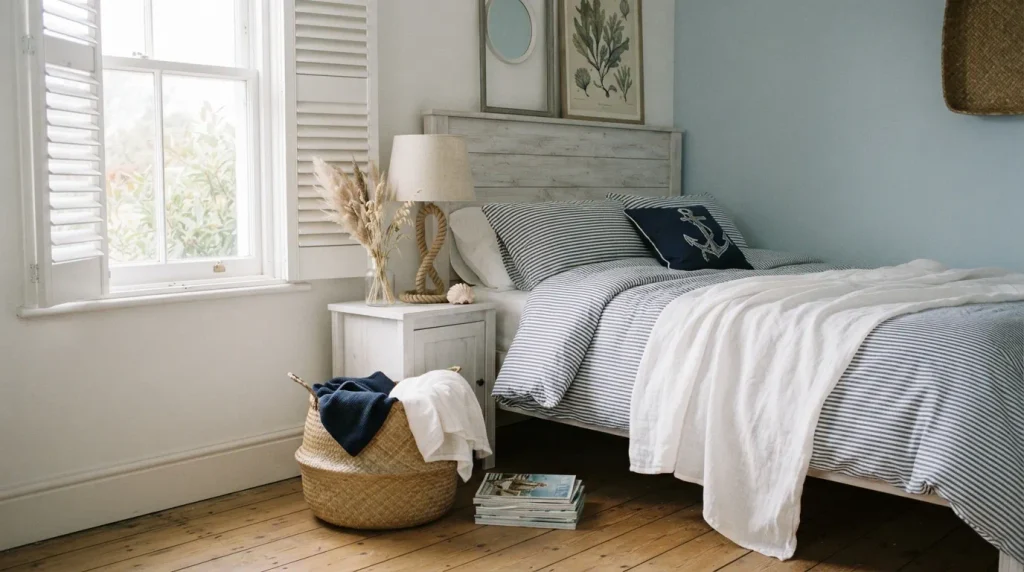
- Instantly reads as coastal without extra effort
- Works on bedding, curtains, rugs, and cushions
- Timeless pattern that rarely feels dated
- Easy to mix with plain neutral pieces
- Budget-friendly since striped textiles are widely available
Stripes are one of those patterns that almost never fail, and there’s a reason coastal homes lean on them so heavily. Navy and white together create instant visual rhythm, drawing the eye across a room in a way that feels crisp rather than chaotic. That’s why many designers recommend starting a coastal refresh with just one striped textile, like a duvet cover or a set of curtains, before adding anything else. It’s a low-risk, high-reward move. The pattern also photographs beautifully, which matters if you’re documenting your home’s transformation for inspiration boards.
Balance is the real secret to making stripes feel curated instead of overwhelming. Pairing a bold striped piece with plain linen, solid cushions, or a neutral rug keeps the room breathable and prevents pattern fatigue. In smaller rooms, thinner stripes tend to feel calmer, while wider stripes suit larger open spaces with more wall and floor area to fill. This idea works particularly well in bedrooms and sunrooms, where natural light amplifies the contrast between navy and white. It’s a simple styling choice that consistently delivers a fresh, unmistakably summer coastal feel.
Also Read : 27 Modern Rustic Living Room Ideas to Try Today
3. Seashell Centerpieces
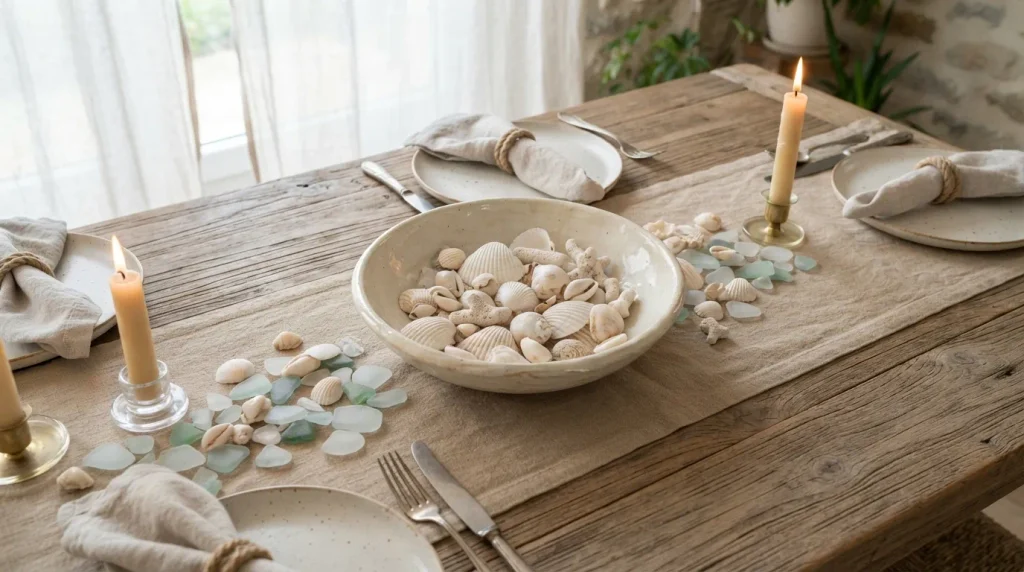
- Brings the outdoors in with almost no cost
- Perfect for dining tables, coffee tables, or shelves
- Easy to swap seasonally as decor changes
- Adds a personal, nostalgic touch if shells are collected
- Simple enough for total beginners to arrange well
A bowl of seashells sounds almost too simple to matter, yet it consistently becomes one of the most complimented details in a coastal-styled room. The trick lies in presentation rather than the shells themselves. A shallow, wide bowl in a neutral tone lets the natural variation in shell color and shape become the actual decoration. I’ve tried this in several different rooms, and it works best when the shells are grouped by size or tone rather than mixed randomly, since that small step instantly makes the display look more considered and less like leftover vacation souvenirs.
Placement matters just as much as the arrangement itself. A dining table centerpiece works well for everyday styling, while a smaller version on a bathroom shelf or windowsill adds a subtle coastal touch without overwhelming the space. Mixing in a few pieces of sea glass or a scattering of sand at the base adds texture and depth. This idea costs almost nothing if shells were collected on a trip, and it carries genuine sentimental value that store-bought decor rarely matches, making it one of the most personal entries in this whole collection.
Also Read : 25 St Patricks Day Decorations for a Festive Green Home
4. Linen Curtain Panels
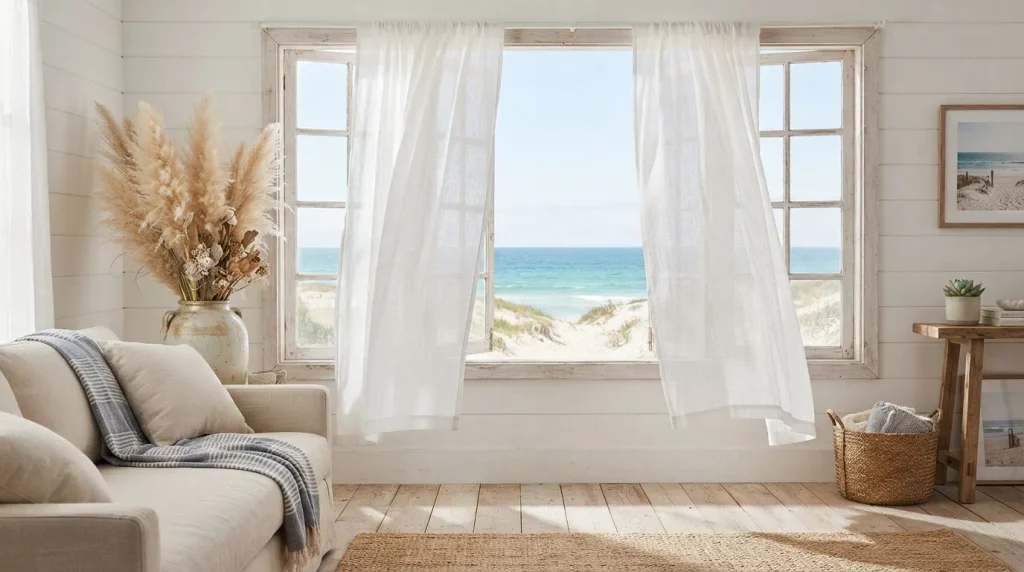
- Softens harsh light while keeping rooms bright
- Adds movement and texture without heavy patterns
- Suits almost every room, from bedrooms to living areas
- Easy to install even for rental homes
- Creates an airy, breathable feel year-round
Few upgrades change a room’s mood as quickly as swapping heavy drapes for light linen panels. The fabric catches even a small breeze, giving the room a sense of movement that feels alive rather than static. In my experience, this is one of the easiest changes for beginners because it requires no design skill, just the right fabric weight and a simple rod. Linen also filters sunlight beautifully, softening harsh afternoon glare into a warm, diffused glow that makes every other piece of coastal summer decorations for home look brighter and more intentional throughout the day.
Choosing the right shade matters more than people expect. Pure white keeps rooms feeling crisp and beach-fresh, while off-white or oatmeal tones add warmth to rooms that get less natural light. Length is another detail worth getting right, since curtains that just brush the floor look far more polished than ones that stop short. This idea works especially well in living rooms and bedrooms facing windows with a view, letting natural light do most of the styling work. It’s a low-effort change with a genuinely high visual payoff.
Also Read : 22 Stylish Bed Without Headboard Ideas for Bedrooms
5. Woven Rattan Baskets
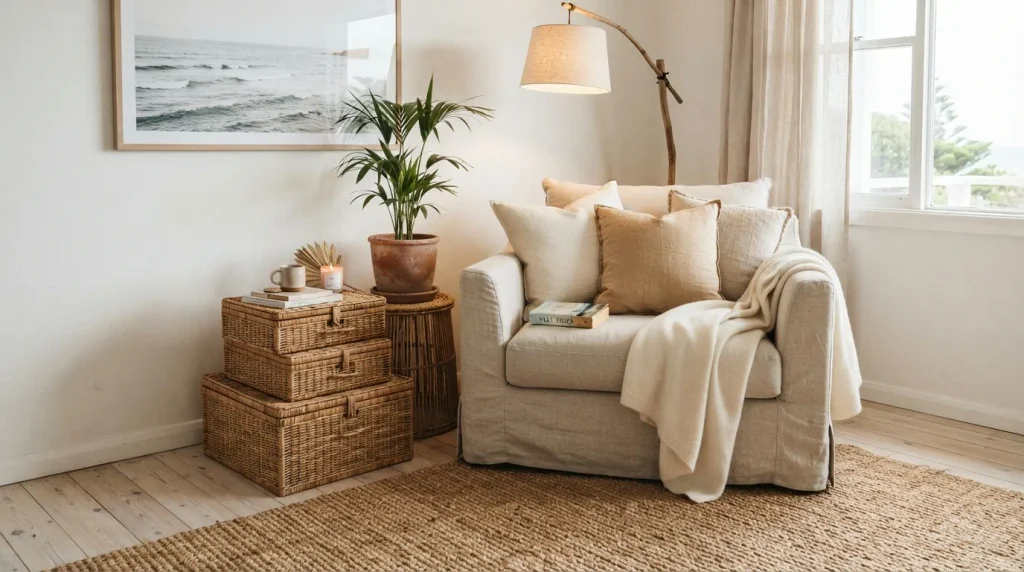
- Adds texture while staying practical for storage
- Works in living rooms, bedrooms, and entryways
- Complements almost any coastal or neutral palette
- Hides clutter while looking intentionally styled
- Durable and long-lasting compared to plastic storage
Rattan baskets solve a problem most coastal-style rooms run into: how to stay organized without breaking the relaxed, natural mood. Plastic bins or metal containers tend to feel out of place next to linen and driftwood, while woven rattan blends right in. I’ve noticed that even one basket, used to corral blankets or magazines, can make a room feel more finished simply because it replaces visual clutter with an intentional-looking texture. It’s a practical fix disguised as decor, which is exactly the kind of detail that separates a styled room from one that just has nice things in it.
Layering different basket sizes creates the most natural-looking result. A large floor basket for blankets paired with a smaller shelf basket for smaller items gives the eye variety without feeling cluttered. Rattan also ages well, developing a slightly weathered look over time that actually suits the coastal theme rather than looking worn out. This idea works particularly well in entryways, where a basket near the door can hold shoes or outdoor gear while still looking like a deliberate styling choice rather than a storage afterthought.
Also Read : 23 Cozy Modern Farmhouse Living Room Ideas for Your Home
6. Ocean Blue Accent Wall
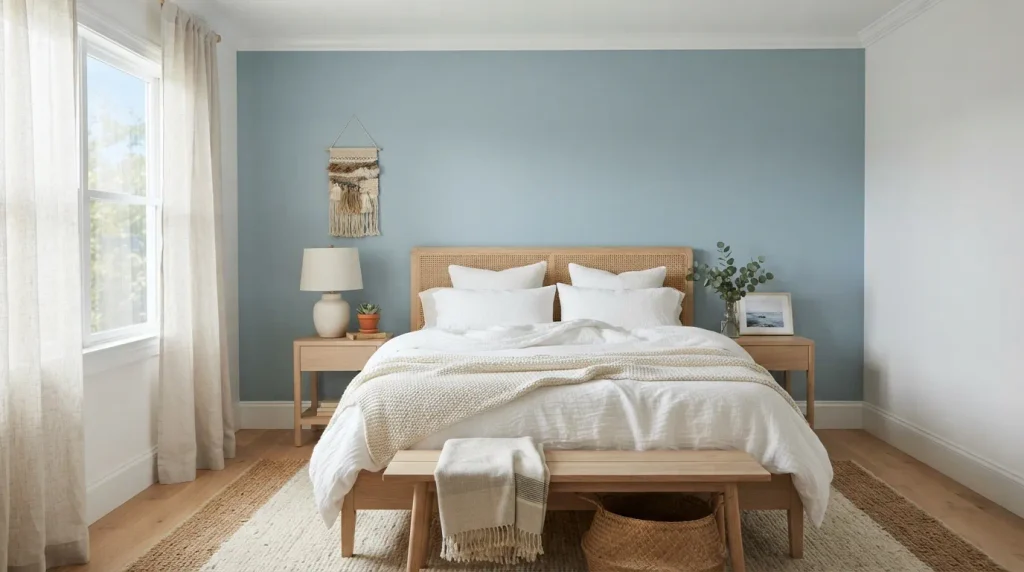
- Adds color without overwhelming the whole room
- Instantly evokes a calm, ocean-inspired feeling
- Pairs well with white, cream, and natural wood tones
- Works as a budget-friendly weekend project
- Suits bedrooms, bathrooms, and reading nooks especially well
A single accent wall in muted ocean blue does something most people don’t expect: it makes the entire room feel larger and calmer, not smaller. That’s because soft blue tones recede visually rather than pushing forward the way bold colors do. That’s why many designers recommend testing this idea in bedrooms first, where the goal is relaxation rather than energy. Paired with white trim and natural wood, the blue reads as effortless rather than themed, avoiding the trap of looking like a costume-style beach room instead of a genuinely livable coastal space.
Choosing the right shade is the part beginners get wrong most often. Overly bright or saturated blues can feel more nautical-novelty than coastal-calm, while dusty, muted tones consistently look more expensive and timeless. Testing a sample patch at different times of day helps predict how the color will behave under natural versus evening light. This idea pairs especially well with white bedding, light wood furniture, and woven textures, letting the wall act as a quiet backdrop rather than the loudest element in the room.
Also Read : 21 Curved Kitchen Island Ideas for a Stylish Modern Kitchen
7. Rope Wrapped Mirrors
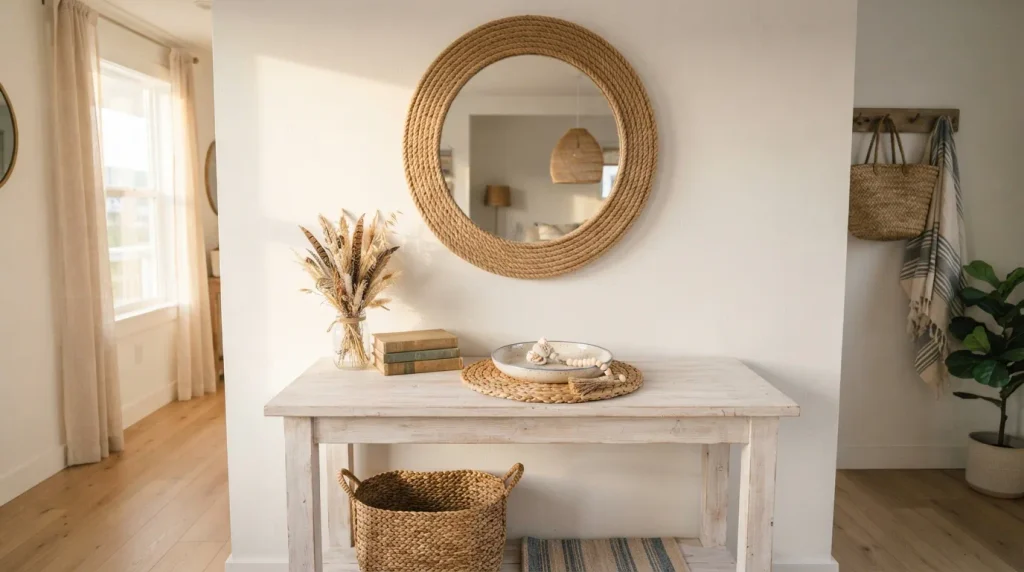
- Adds nautical charm without feeling costume-like
- Reflects light to brighten smaller entryways or hallways
- Easy DIY project using rope and an old mirror
- Works as a functional piece, not just decoration
- Pairs naturally with wood, linen, and woven textures
A rope-wrapped mirror manages to do two jobs at once, which is exactly why it earns its spot in so many coastal homes. It functions as a genuinely useful mirror while quietly reinforcing the nautical theme through texture alone, without relying on anchors, ropes tied in knots, or anything overly literal. I’ve seen this work particularly well in entryways and hallways, spaces that often get overlooked during styling but see daily use. The circular shape also softens a room full of straight furniture lines, adding a small but noticeable visual break that makes the whole space feel more considered.
This idea is refreshingly easy to execute even for someone with no design background. A plain round mirror wrapped in natural jute or manila rope costs a fraction of a designer nautical mirror, and the wrapping process itself takes less than an hour. Hanging it at eye level above a console table or bench maximizes both its function and its visual impact. Because the frame is textured rather than shiny or ornate, it blends into almost any coastal palette, from bright white rooms to warmer tan and driftwood-heavy spaces without looking mismatched.
8. Coastal Throw Pillows
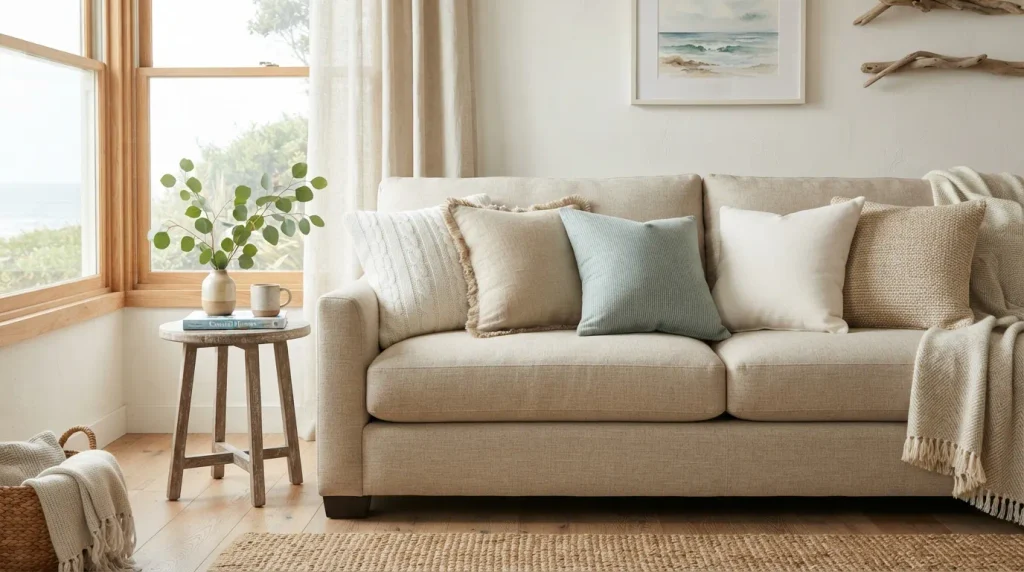
- Refreshes a room instantly without new furniture
- Allows easy seasonal color and texture changes
- Mixes well with existing neutral sofas or chairs
- Adds comfort along with visual styling
- Affordable way to test a coastal palette
Throw pillows are the fastest way to test whether a coastal palette actually works in your space before committing to bigger changes. Because they’re inexpensive and easy to swap, they let you experiment with sandy beige, seafoam, and soft white combinations without repainting a single wall. In my experience, three to five pillows in varied textures, like linen, knit, and a subtle stripe, look far more intentional than five pillows in the exact same fabric. This small variety mimics how designers actually layer texture, giving even a plain neutral sofa an updated, styled appearance in the time it takes to unbox them.
Getting the mix right comes down to varying size and texture rather than color alone. Pairing one larger solid pillow with a smaller patterned one, plus a textured knit accent, creates natural visual rhythm without looking cluttered. This idea works on sofas, accent chairs, and even window seats, making it one of the most flexible entries in any coastal refresh. Because pillow covers are inexpensive and machine washable, this is also one of the lowest-commitment ways to keep a room feeling fresh across different seasons and moods.
9. Woven Wall Baskets
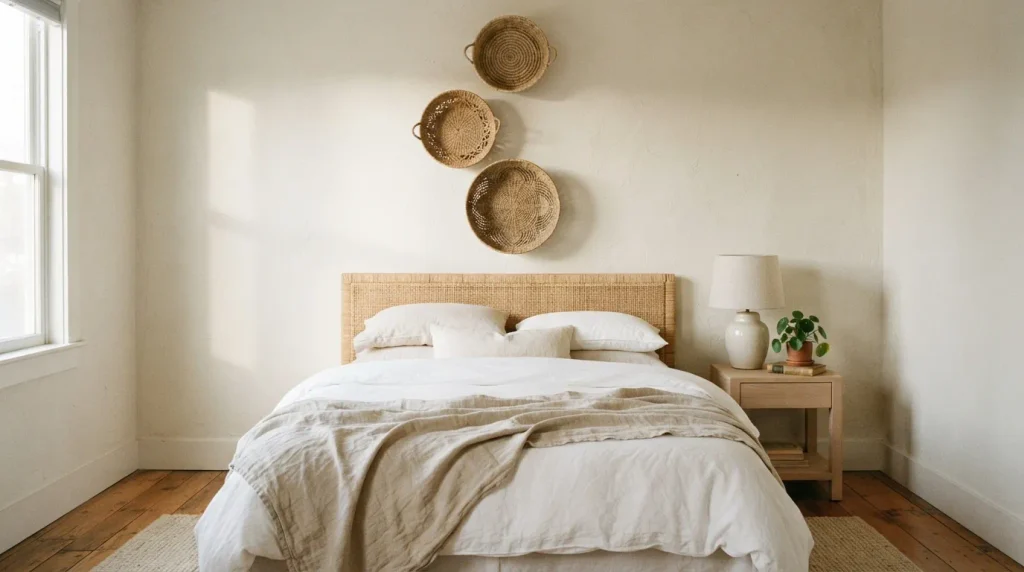
- Adds dimensional texture to otherwise flat walls
- Budget-friendly alternative to framed wall art
- Works well above beds, sofas, or in hallways
- Creates visual interest without heavy commitment
- Easy to rearrange or resize the cluster anytime
Flat walls are one of the most common styling struggles in coastal homes, especially in rooms with mostly white or neutral paint. Woven wall baskets solve this by adding dimension and shadow play that framed art simply can’t replicate. I’ve noticed that the natural texture catches light differently throughout the day, so the wall never looks static even without touching a thing. It’s also one of the most forgiving decor choices for renters, since baskets can be hung with lightweight hooks and repositioned easily, making this idea especially appealing to anyone hesitant about permanent wall changes.
Arranging the cluster well comes down to varying basket size and slightly overlapping their placement rather than lining them up evenly. An odd number, usually three or five, tends to look more natural than an even grouping. This idea works beautifully above beds, sofas, or in narrow hallways where framed art might feel too formal. Because the baskets are neutral in tone, they pair effortlessly with almost every other idea in this collection, from driftwood accents to striped textiles, without ever competing for visual attention.
10. Sandy Beige Table Runners
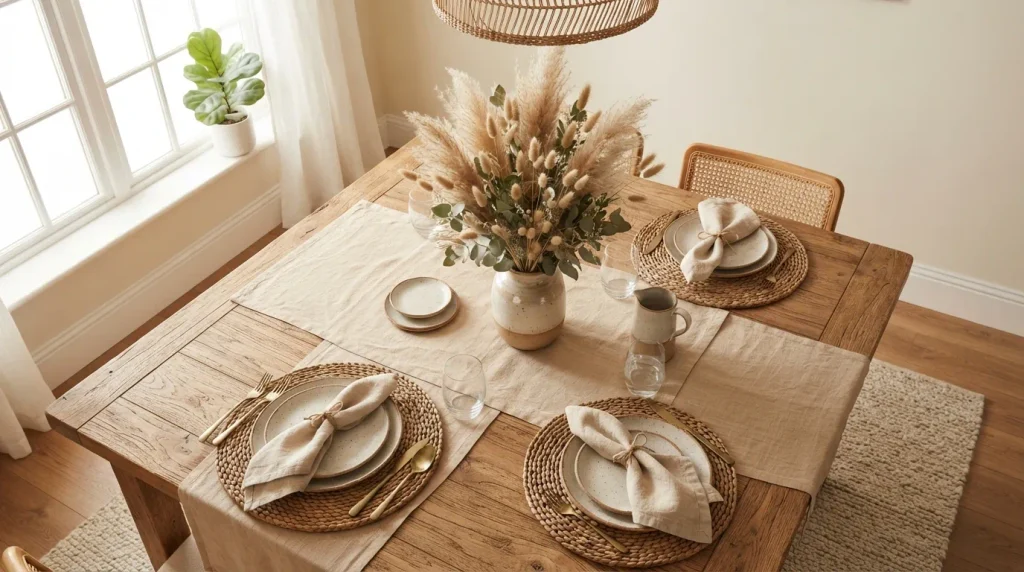
- Grounds a table setting without heavy patterns
- Works for everyday meals or special occasions
- Pairs naturally with wood, linen, and ceramic textures
- Easy to wash and reuse across seasons
- Instantly warms up an all-white table setting
A table runner might seem like a minor detail, but it’s often what separates a table that looks staged from one that looks styled. Sandy beige linen sits right between crisp white and warm wood tones, acting as a bridge that ties the whole table setting together. I’ve tried this with several different dinnerware sets, and it consistently softens the look of an all-white table, which can otherwise feel a little clinical or cold. The natural wrinkles and texture of linen actually add to the effect, giving the table a relaxed, lived-in quality that matches the rest of a coastal home.
Layering matters here just as much as color choice. Placing woven rattan placemats beneath plates, then adding the runner down the center, creates a natural buildup of texture without needing a single patterned piece. This idea works particularly well for everyday styling since linen holds up to regular washing, but it also elevates a table quickly for guests or special occasions. Finishing the setting with a small vase of dried grasses or a scattering of shells ties the runner into the rest of the room’s coastal summer decorations for home theme.
11. Whitewashed Wood Furniture
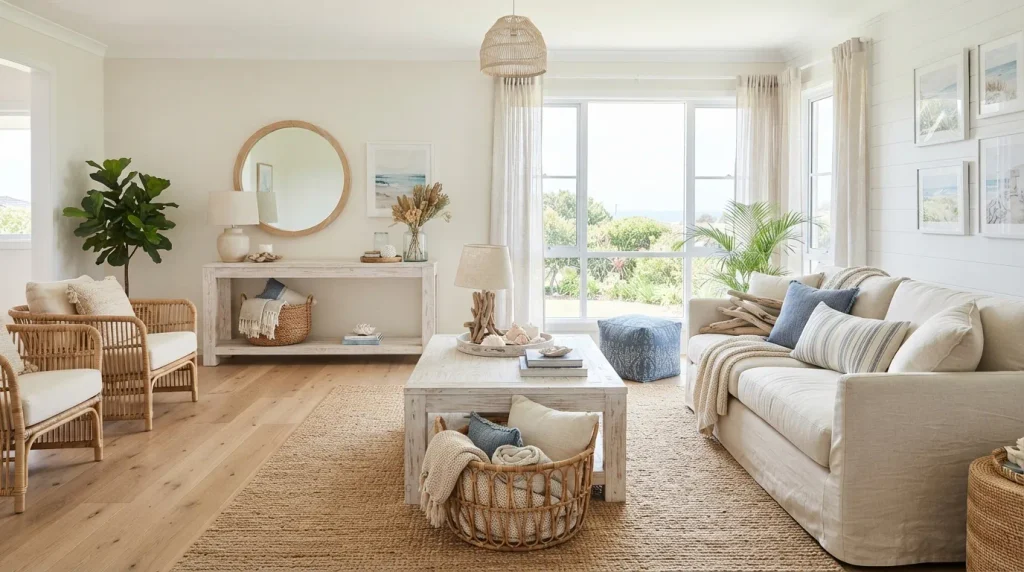
- Lightens a room instantly compared to dark wood
- Adds texture through visible grain and brush strokes
- Works for tables, shelves, cabinets, and furniture frames
- Suits both small and large coastal-style rooms
- Easy weekend DIY using whitewash paint techniques
Dark wood furniture, while beautiful in other styles, tends to work against the airy feeling coastal rooms are built around. Whitewashing solves this without requiring a full furniture replacement. The technique allows the wood grain to remain visible while lightening the overall tone, which keeps pieces looking natural rather than painted over completely. That’s why many designers recommend whitewashing as a starting point for anyone converting existing furniture into a coastal palette, since it’s reversible, affordable, and doesn’t require buying anything new if the furniture’s shape and structure are already in decent condition.
The process itself is approachable even for first-time DIYers. A diluted white paint mixture, brushed on and wiped back before it fully dries, lets the natural grain show through for that classic driftwood-like finish. This idea works especially well on coffee tables, console tables, and open shelving units, where the lighter tone can visually anchor a room without adding heaviness. Once finished, whitewashed pieces pair effortlessly with linen textiles, woven baskets, and soft blue accents, making this one of the more transformative ideas in the entire collection.
12. Glass Jar Vases
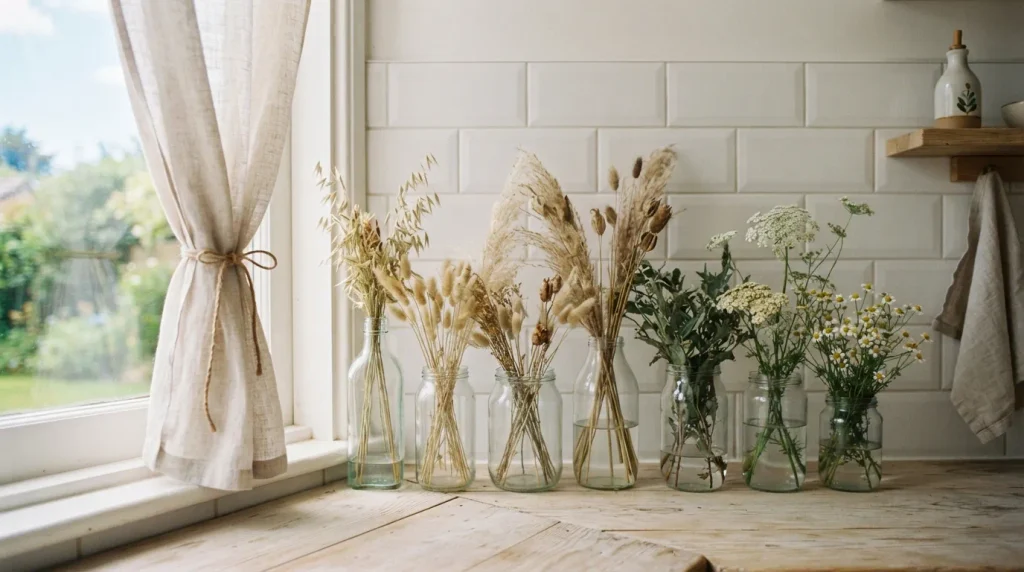
- Costs almost nothing using repurposed jars
- Brightens windowsills, shelves, and kitchen counters
- Easy to update with different seasonal stems
- Adds a fresh, natural element to any room
- Simple enough for a five-minute styling refresh
Glass jar vases prove that coastal styling doesn’t need to be expensive to look intentional. Repurposed jars, cleaned and filled with dried grasses or a few simple stems, catch natural light beautifully and add a soft organic touch to windowsills and countertops. I’ve noticed that clustering two or three jars of varying heights looks far more considered than placing a single jar alone, since the height variation mimics how plants naturally grow together. It’s a five-minute styling change that consistently makes kitchens and bathrooms feel fresher, without requiring any new furniture or a serious time investment.
What makes this idea especially practical is how easily it adapts across seasons. Dried pampas grass works beautifully in warmer months, while a few white wildflowers or eucalyptus stems can rotate in whenever the room needs a refresh. Because the vases are simple glass, they never compete visually with the rest of a coastal room’s palette, letting the stems themselves do the styling work. This idea works particularly well on kitchen windowsills, bathroom shelves, or small side tables where a larger arrangement wouldn’t fit comfortably.
13. Nautical Rope Accents
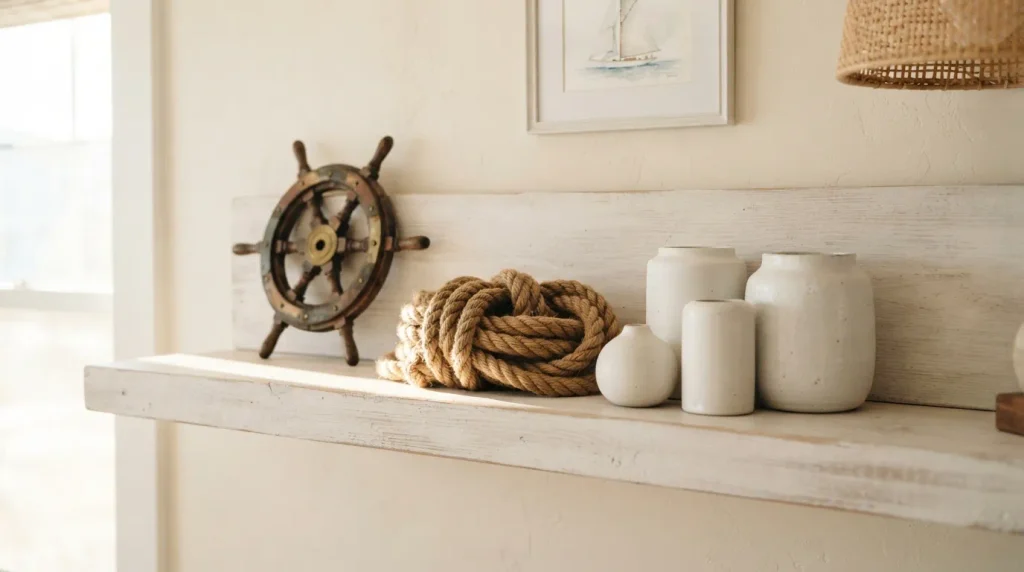
- Adds subtle nautical character without feeling themed
- Works well on shelves, mantels, or bookcases
- Pairs naturally with wood, linen, and ceramic pieces
- Easy to source affordably from craft or home stores
- Small detail that reads as intentional, not accidental
Nautical rope accents walk a fine line that a lot of coastal styling gets wrong: they suggest the seaside theme without tipping into costume territory. A small coil of rope beside a ceramic vase or tucked around a shelf edge does more with less, letting the texture speak instead of relying on anchors or ship wheels stacked everywhere. In my experience, one or two rope details per room is the sweet spot. Beyond that, the space starts to feel like a themed rental rather than a genuinely styled home, which is the opposite of what good coastal decor should achieve.
Placement is what makes this idea work long-term. A shelf, mantel, or bookcase corner gives rope accents a natural home without demanding a dedicated display area. Pairing the rope with plain ceramic or glass pieces keeps the overall look balanced, since too many textured elements together can feel busy rather than curated. This idea is also inexpensive, as rope can usually be found at craft or hardware stores for very little cost, making it an easy way to round out a coastal shelf styling project without needing to buy anything decorative or ornamental.
14. Soft Sand Toned Rugs
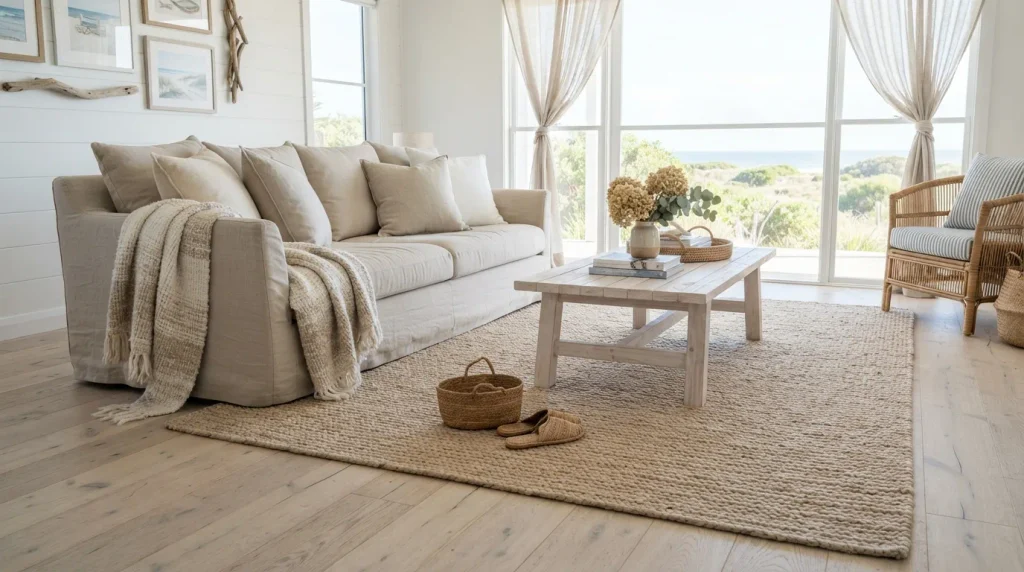
- Grounds a room while keeping the palette light
- Adds texture underfoot without heavy patterns
- Works in living rooms, bedrooms, and hallways
- Durable and easy to maintain with regular care
- Bridges wood flooring and lighter furniture tones
Rugs often get chosen last, but in coastal rooms they deserve to be chosen early, since the wrong tone can throw off an otherwise well-styled space. A soft sand-toned jute or sisal rug does what darker or patterned rugs can’t: it grounds the room visually while staying light enough to match everything above it. I’ve seen this work well in rooms where the flooring and furniture are already fairly neutral, since the rug adds just enough texture and warmth to keep the space from feeling flat or under-decorated, without introducing any competing color or pattern.
Texture matters as much as tone when choosing a rug for this style. Natural fiber weaves like jute or sisal add visual interest through their weave pattern alone, which works especially well underneath simple linen furniture and whitewashed wood pieces. This idea suits living rooms and bedrooms equally well, and even smaller versions work nicely in hallways or entryways. Because sand tones are so neutral, this rug choice pairs effortlessly with almost every other idea in this collection, making it one of the most foundational pieces in a coastal room.
15. Coral And Shell Wall Art
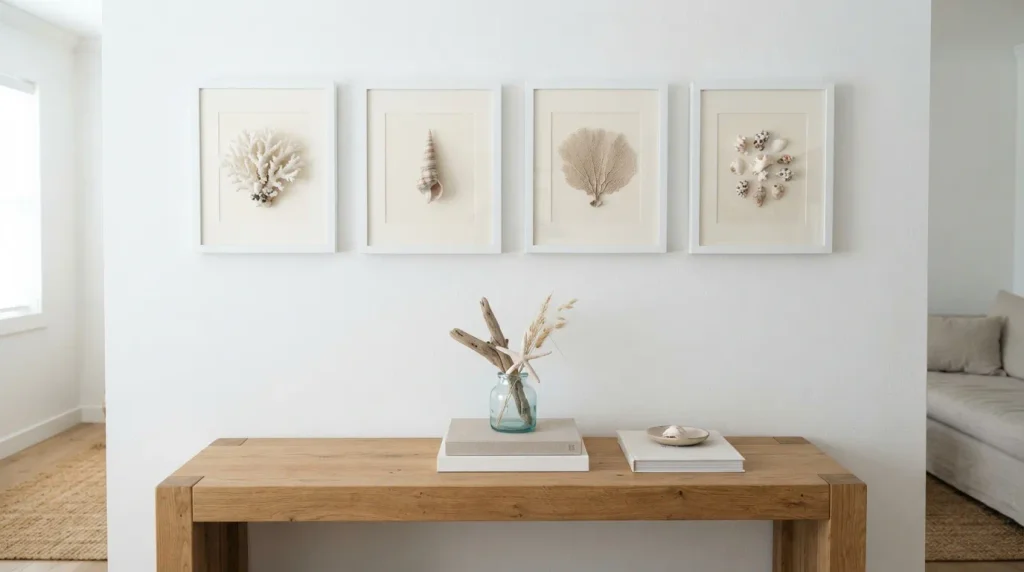
- Turns natural finds into gallery-style decor
- Adds personality without relying on typical beach art
- Works well as a small grouped wall display
- Elevates simple materials through thoughtful framing
- Suits hallways, bedrooms, and living room walls
Framed coral and shell specimens take an idea that could easily look like clutter and turn it into something that reads as genuinely curated. The key is the framing itself, since slim white frames give even a simple shell or piece of coral a gallery-like presentation that feels elevated rather than souvenir-like. That’s why many designers recommend this approach over displaying shells loosely on a shelf, especially for anyone who wants their coastal styling to feel more sophisticated than typical beach-house cliché. It’s a small shift in presentation that makes a noticeable difference in how the whole piece reads.
A grouped arrangement of three to five small frames tends to look more intentional than a single large piece, especially when hung with consistent spacing along a hallway or above a console table. Mixing coral shapes with flatter shell specimens adds visual variety within the grouping. This idea works particularly well in spaces that need a personal touch, like a hallway gallery wall or above a bedroom dresser, and it holds up as a long-term decor choice since pressed natural specimens don’t fade or wear the way printed art sometimes can.
16. Pampas Grass Arrangements
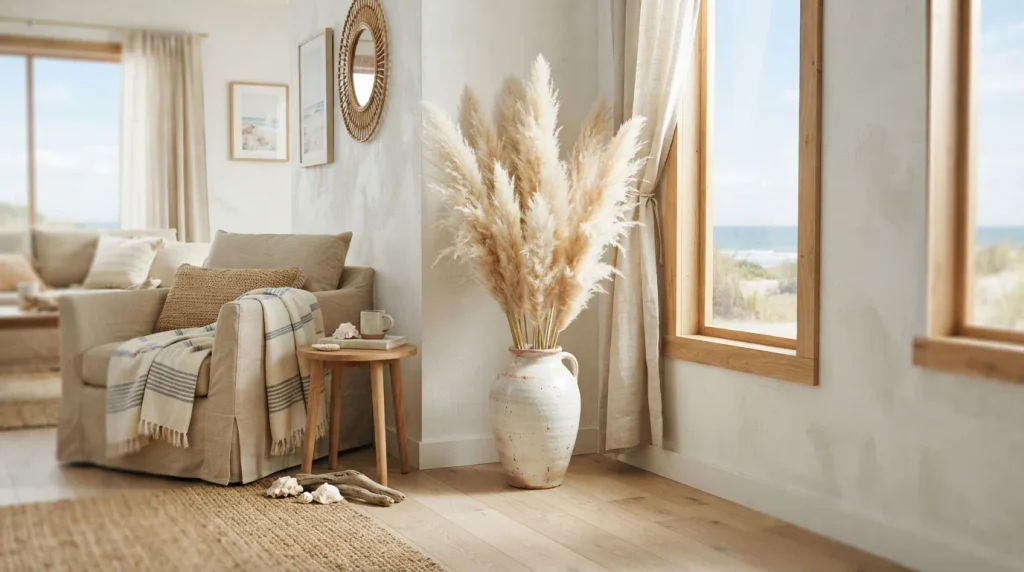
- Adds height and softness without needing fresh flowers
- Lasts for months compared to traditional arrangements
- Works in corners, entryways, or beside furniture
- Fills empty space with texture rather than clutter
- Low maintenance choice for busy households
Pampas grass earns its popularity honestly, since it solves a problem that fresh flowers can’t: longevity without the upkeep. A tall arrangement in the corner of a room fills empty vertical space with movement and softness, without needing water, sunlight schedules, or constant replacing. I’ve noticed that a single generous bunch, rather than a few sparse stems, makes the biggest visual difference, since fullness reads as intentional while a thin arrangement can look accidental or unfinished. It’s one of the easiest ways to add a soft, natural focal point to a coastal room without ongoing maintenance or cost.
Placement plays a bigger role than most people expect when working with tall arrangements like this. Empty corners, the sides of a sofa, or beside a doorway all benefit from the height and texture pampas grass provides, especially in rooms that otherwise feel a little bare at eye level and above. A simple ceramic or ribbed ceramic vase keeps the focus on the grass itself rather than a busy container. This idea pairs especially well with whitewashed furniture and linen textiles, rounding out a room’s coastal palette with almost no ongoing effort required.
17. Light Wood Shelving
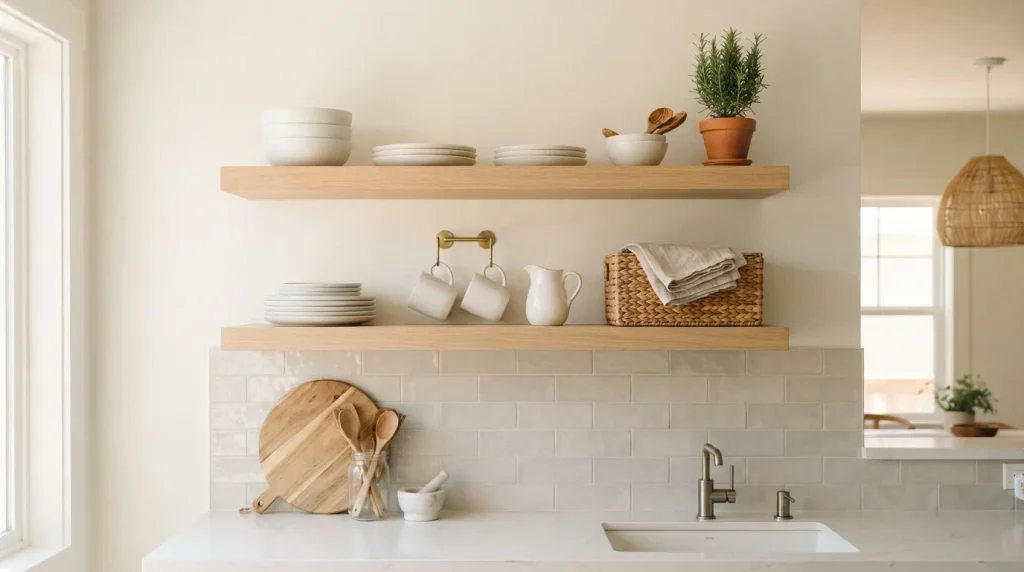
- Combines storage with open, breathable styling
- Lightens a room compared to closed cabinetry
- Works well in kitchens, bathrooms, and living spaces
- Encourages intentional, curated object display
- Pairs naturally with ceramic, wood, and woven textures
Open shelving gets debated often, but in coastal-style rooms, light wood floating shelves consistently work in the room’s favor. Unlike closed cabinetry, they keep sightlines open and let light travel further across a space, which matters in rooms that rely on brightness as part of their overall aesthetic. In my experience, the shelves work best when styled with restraint, holding a handful of ceramic pieces, a small plant, or a stack of neutral-toned dishware rather than being filled edge to edge. That restraint is what keeps the shelving looking curated instead of cluttered or overly busy.
Installation is more approachable than many homeowners assume, especially with modern floating shelf hardware designed for straightforward wall mounting. Light oak or ash tones work particularly well against white or pale-colored walls, reinforcing the airy coastal palette rather than competing with it. This idea suits kitchens and bathrooms especially well, where functional storage still needs to look intentional. Layering in a small woven basket on a lower shelf adds texture while keeping everyday items tucked away without sacrificing the open, breathable feel the shelving is meant to create.
18. Muted Coral Accents
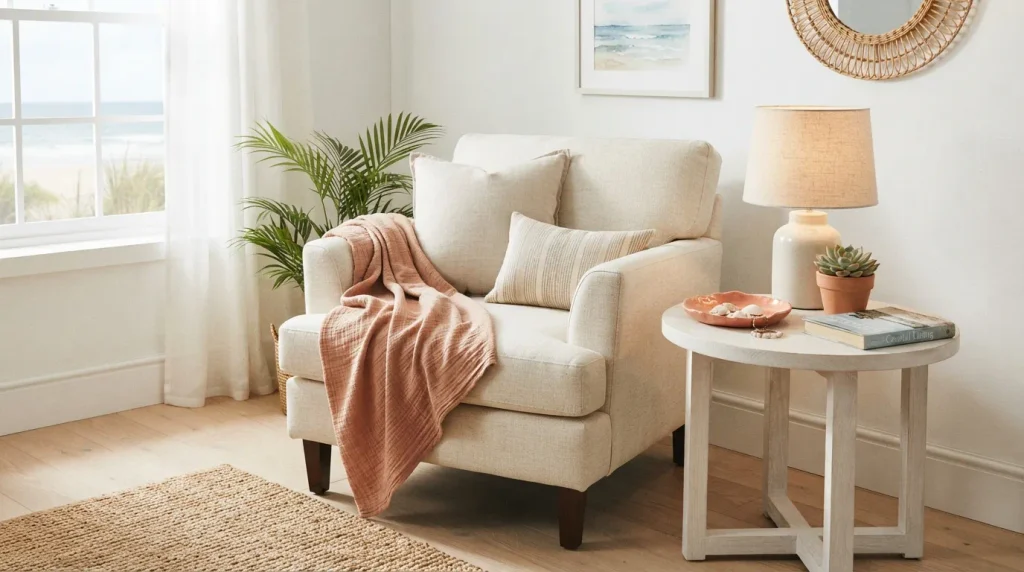
- Introduces color without disrupting a neutral palette
- Adds warmth that pure blue and white sometimes lacks
- Works well as small accents rather than large pieces
- Pairs beautifully with sandy and cream tones
- Suits living rooms, bedrooms, and reading corners
Blue and white dominate most coastal color conversations, but muted coral brings something those two tones can’t offer on their own: warmth. Used sparingly, a coral throw blanket or a small ceramic dish introduces a gentle pop of color that keeps an all-neutral room from feeling cold or one-dimensional. I’ve tried this in rooms that felt a little flat despite having all the right textures, and adding just one coral accent was often the missing piece that made the space feel finished rather than simply neutral for the sake of being neutral.
The key to using coral well is restraint, since too much can shift the room away from coastal and toward a completely different tropical or beach-party feel. One or two small accents, like a throw blanket, a cushion, or a small dish, tend to work best, especially when placed against cream, sand, or white backgrounds where the color can stand out without overwhelming. This idea suits reading corners and bedrooms particularly well, spaces where a small amount of warmth makes the room feel more inviting without disrupting the overall calm, breezy atmosphere.
19. Wicker Pendant Lighting
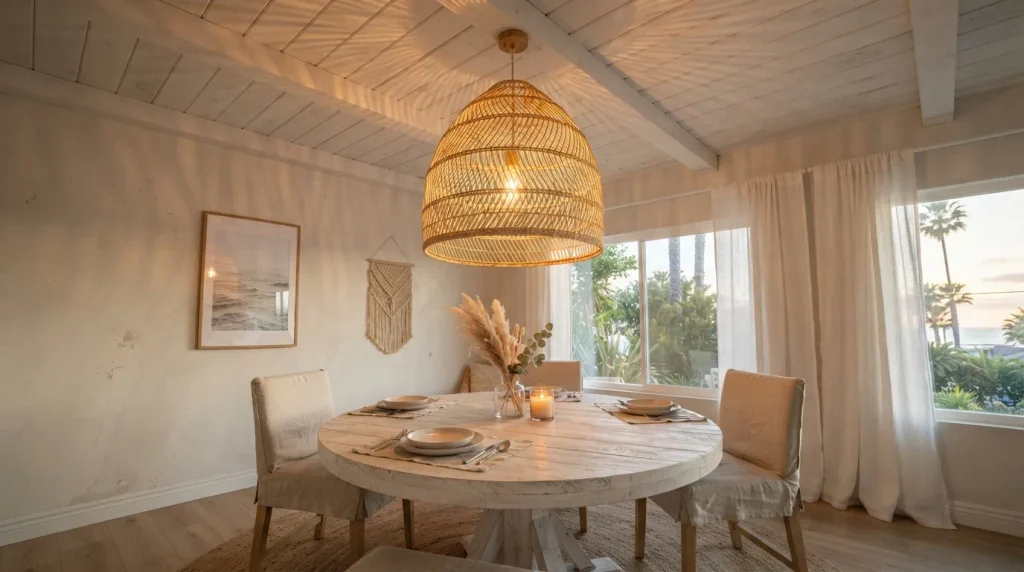
- Adds warm texture to lighting fixtures overhead
- Casts soft shadow patterns for ambient evening light
- Works well above dining tables or kitchen islands
- Replaces generic fixtures with natural material charm
- Suits both bright daytime and cozy evening settings
Lighting fixtures are one of the most overlooked opportunities in coastal styling, yet they sit right at eye level whenever someone glances up. A woven wicker pendant swaps out a plain, generic fixture for something with genuine texture and warmth, and the effect multiplies once the light is switched on. I’ve noticed that the shadows cast through the woven material add a soft, dappled glow across ceilings and walls that plain glass or metal fixtures simply can’t replicate. It’s a detail that photographs beautifully and consistently draws attention in a room without requiring any additional styling around it.
Choosing the right size matters more than people expect, since an undersized pendant can look lost above a larger dining table while an oversized one can overwhelm a smaller kitchen nook. Wicker and rattan pendants suit dining areas and kitchen islands especially well, where the warm glow adds ambiance during evening meals. This idea pairs naturally with whitewashed wood furniture and linen textiles, tying the lighting into the rest of a room’s coastal palette. It’s a fixture upgrade that works equally well in bright daytime settings and softer evening lighting.
20. Sheer White Bed Canopies
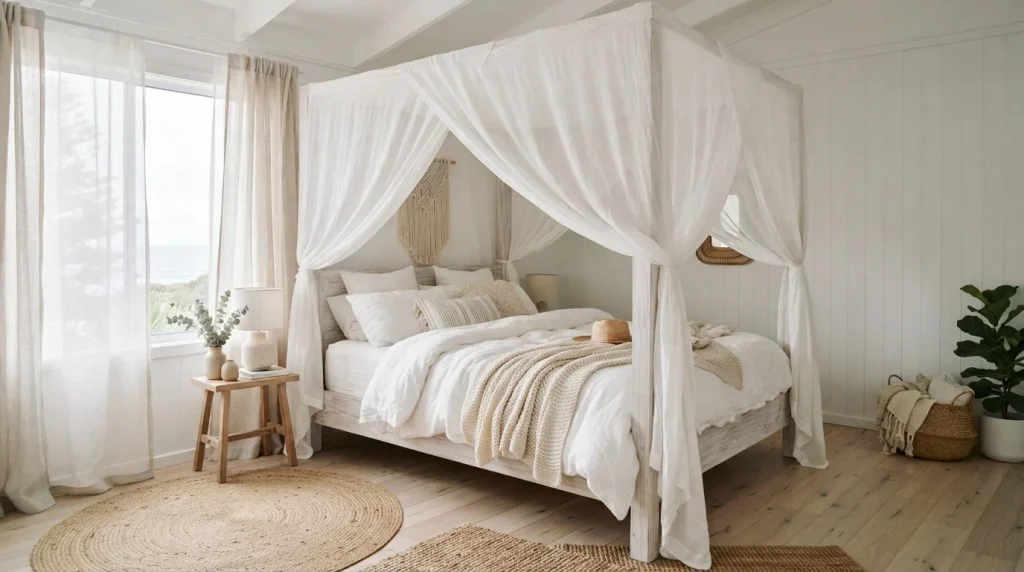
- Adds softness and a dreamy visual layer overhead
- Works well in bedrooms with higher ceilings
- Creates a cozy, enclosed feel without heaviness
- Pairs naturally with linen bedding and neutral tones
- Easy to install using a simple ceiling mount
A sheer canopy does something few other bedroom additions can: it adds a layer of softness overhead without making the room feel smaller or more closed in. Because the fabric is sheer rather than opaque, natural light still filters through freely, keeping the airy coastal feeling intact even with an added layer of texture. That’s why many designers recommend canopies for bedrooms that already have strong natural light, since the fabric enhances the glow rather than blocking it. The result is a bed that feels a little more special and considered than one styled with linens alone.
Installation is simpler than the dreamy end result might suggest, usually requiring just a single ceiling mount point directly above the bed. Lighter fabrics like cotton voile or linen gauze work best for maintaining that soft, breezy coastal feeling, while heavier fabrics can start to look more formal than relaxed. This idea suits bedrooms with slightly higher ceilings especially well, giving the fabric enough room to drape naturally. Paired with linen bedding and a neutral palette, a sheer canopy consistently becomes one of the most photographed corners of a coastal-styled home.
21. Ceramic Coastal Vases
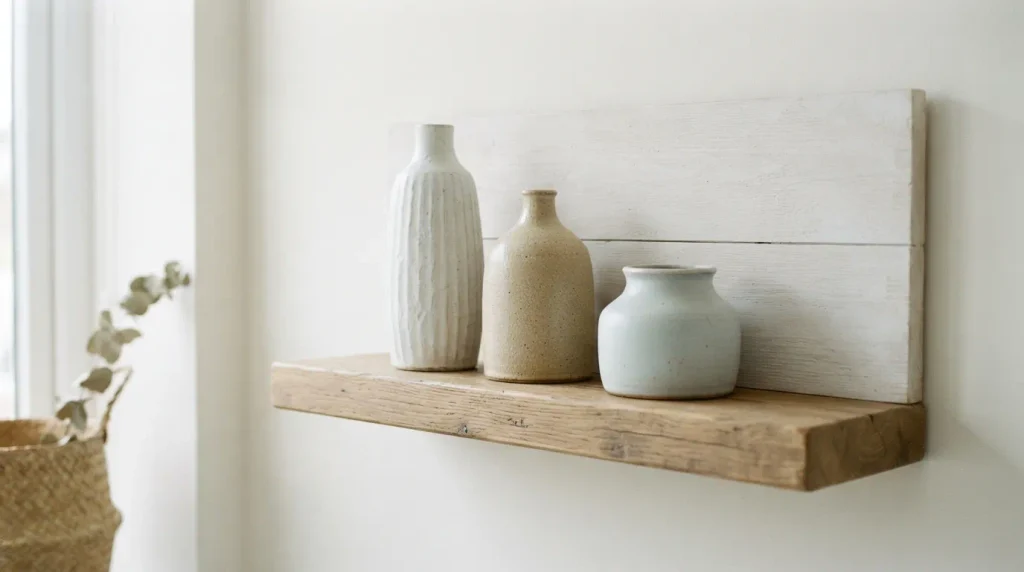
- Adds curated color variation without pattern
- Works well grouped in odd numbered sets
- Suits shelves, mantels, and console tables
- Easy to style with or without stems inside
- Ties together multiple coastal tones in one display
Ceramic vases offer something most coastal decor pieces don’t: the ability to introduce subtle color variation without relying on pattern or print at all. A grouped display in white, sand, and pale blue tones lets the coastal palette show up through solid color and texture alone, which tends to look more sophisticated than mixing multiple patterned pieces together. I’ve seen this work particularly well on mantels and console tables, where the height variation between vases creates natural visual rhythm even when the display is left completely empty of any flowers or stems.
Grouping in odd numbers, typically three, remains one of the most reliable styling rules for a reason, since it consistently reads as more natural and less rigid than an even pairing. Varying the height and slightly the shape of each vase within the group adds further visual interest without introducing any actual pattern. This idea works whether the vases are left empty for a more minimal look or filled with dried grasses for added texture. Either way, it remains one of the most flexible and low-maintenance styling choices in a coastal room.
22. Woven Placemats Set
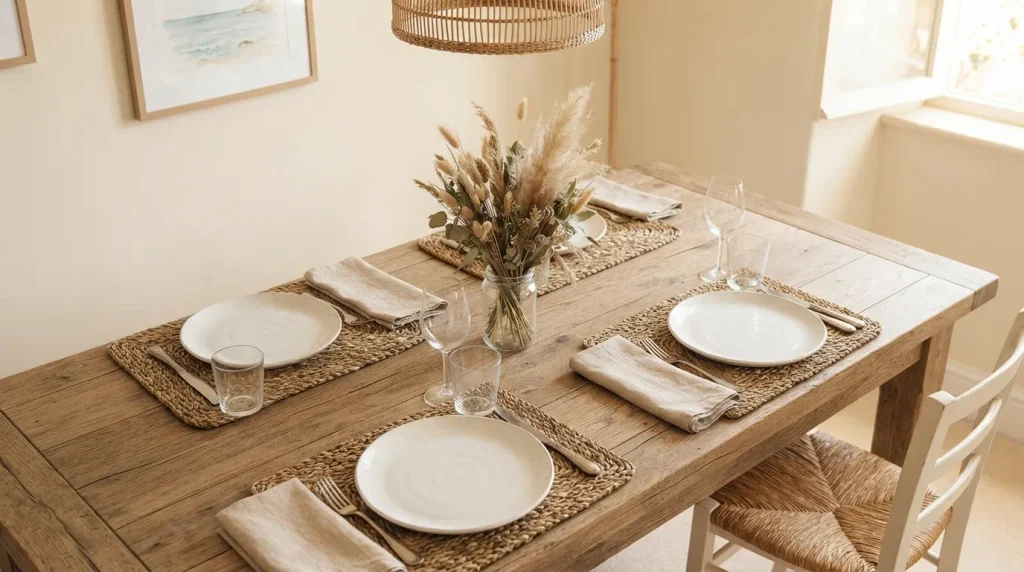
- Adds texture beneath everyday tableware
- Protects table surfaces while enhancing coastal style
- Works for casual meals and formal table settings
- Affordable way to refresh a dining space
- Pairs naturally with linen napkins and ceramic dishware
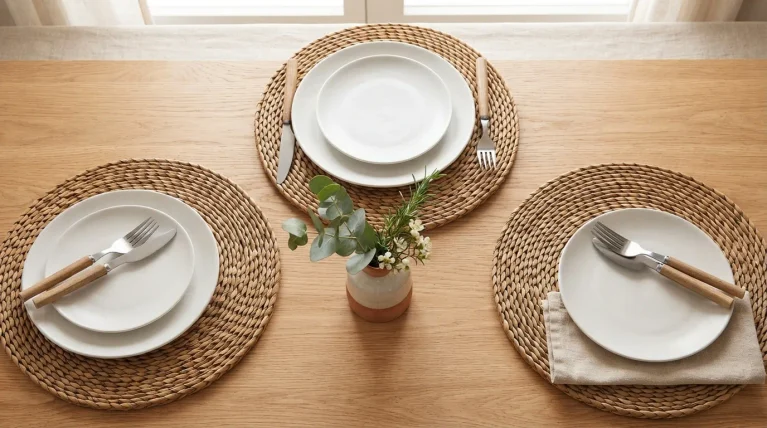
Placemats rarely get much attention, yet they sit directly beneath every meal, making them one of the most consistently visible styling details in a coastal dining space. Woven seagrass placemats add texture exactly where plain white plates need it most, breaking up what could otherwise be a fairly flat table setting. I’ve tried swapping fabric placemats for woven ones in several dining spaces, and the natural texture consistently reads as more relaxed and considered, giving even simple everyday dishware a slightly elevated, styled appearance without needing to buy new plates or glassware.
Layering woven placemats with linen napkins and simple ceramic dishware creates a cohesive table setting without introducing any competing patterns. This idea works equally well for casual weeknight dinners and more intentional table settings for guests, since the natural material feels appropriate in both contexts. Because seagrass and similar woven materials are inexpensive and widely available, this is one of the lowest-cost ways to round out a coastal dining space. Finished with a small centerpiece of dried grasses, the whole table setting comes together with minimal effort.
23. Blue Glass Bottles
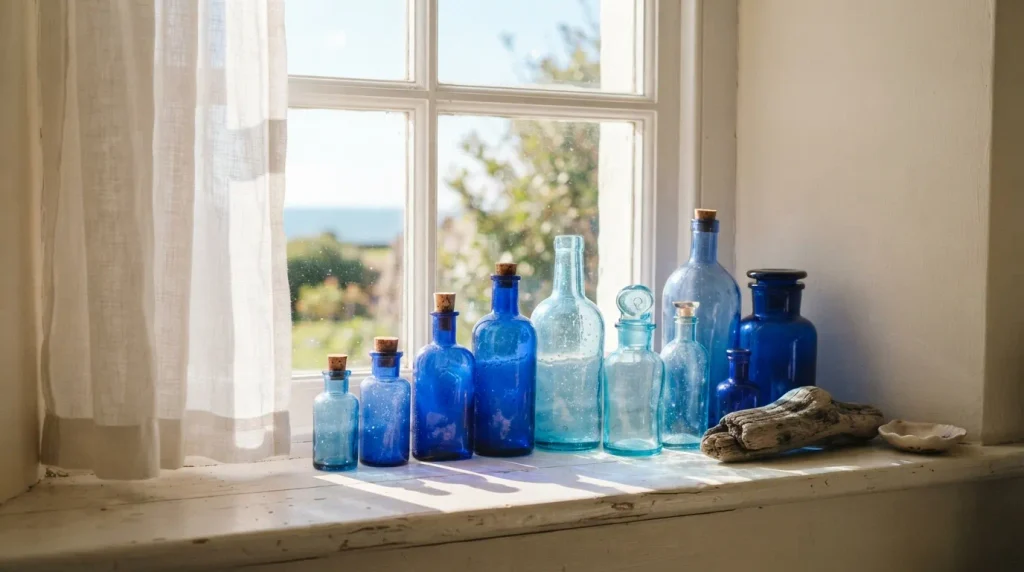
- Adds color through light rather than paint or fabric
- Creates a striking effect when sunlight passes through
- Works well on windowsills, shelves, or bathroom counters
- Easy to collect affordably from thrift or vintage stores
- Small detail with a surprisingly large visual impact
Blue glass bottles bring color into a coastal room in a way paint or fabric simply can’t replicate, since the effect depends entirely on light passing through the glass. Placed along a sunlit windowsill, they cast soft blue-tinted light and shadow across nearby surfaces throughout the day, creating a subtle, ever-changing visual detail. I’ve noticed that this idea works best in windows that get direct morning or afternoon sun, since the color and glow become far more noticeable when light is actually moving through the bottles rather than in shaded or north-facing rooms.
Collecting a varied set of bottle heights and slightly different blue tones creates more visual interest than a uniform row of identical bottles. Thrift stores and vintage shops are often the most affordable source for these pieces, and mismatched shapes actually enhance the collected, personal feel of the display. This idea suits kitchen windowsills and bathroom counters especially well, small spaces where a single striking detail can carry the whole room’s coastal feeling. It’s an inexpensive addition that delivers a disproportionately large visual return.
24. Natural Fiber Curtains
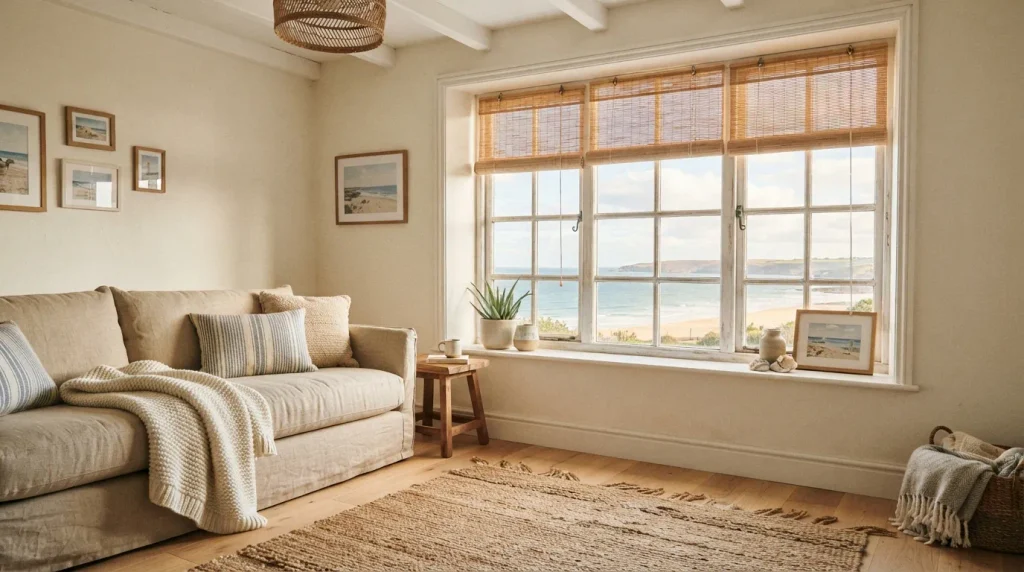
- Filters light while adding natural texture
- Works as an alternative to fabric curtains
- Suits kitchens, living rooms, and sunrooms especially well
- Provides privacy without blocking natural light completely
- Durable option that holds up well over time
Natural fiber window treatments, like woven bamboo or rattan blinds, offer something fabric curtains can’t: texture that stays consistent whether the blinds are open, closed, or somewhere in between. That’s why many designers recommend them for sunrooms and kitchens, spaces where privacy is needed some of the time but natural light should still take priority for most of the day. The woven material filters harsh sunlight into a softer, dappled glow rather than blocking it out completely, which keeps rooms bright even when the blinds are partially drawn for privacy or temperature control.
Durability sets this idea apart from many other coastal styling choices, since natural fiber blinds tend to hold up well over years of daily use without fading or losing their texture the way some fabrics can. They pair naturally with linen furniture and jute rugs, reinforcing a room’s earthy, textured coastal palette without introducing anything that competes for attention. This idea suits kitchens, living rooms, and sunrooms particularly well, anywhere natural light plays a central role in the room’s overall mood and everyday function throughout the day.
25. Sea Glass Displays
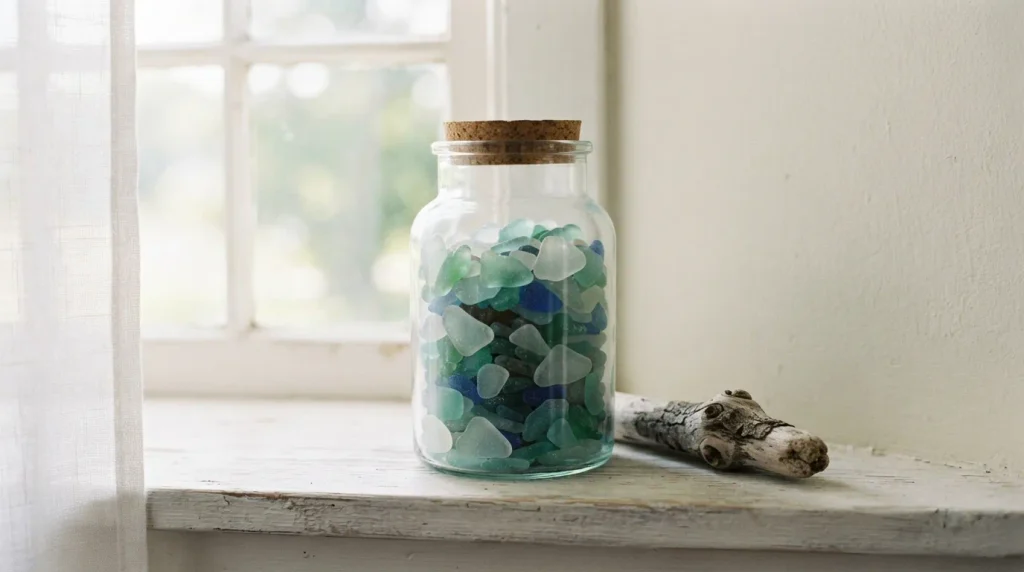
- Turns collected finds into a genuine keepsake display
- Adds subtle color through frosted, light-catching texture
- Works well on windowsills, shelves, or bathroom counters
- Costs nothing if pieces are personally collected
- Small display with meaningful, personal styling value
Sea glass carries something most decor pieces can’t fake: an authentic connection to time spent somewhere real, whether that’s a specific beach trip or years of casual collecting. Displayed simply in a clear glass jar, the frosted texture catches natural light in a soft, diffused way that colored glass bottles achieve with more intensity but sea glass achieves with more subtlety. I’ve noticed that this idea resonates most with people who already have a small collection sitting in a drawer somewhere, since it finally gives those pieces a proper, visible home instead of staying tucked away and forgotten.
Grouping the sea glass by color, or leaving the tones naturally mixed, both work depending on the look you’re after, though sorted arrangements tend to look slightly more polished on open display. This idea suits windowsills best, where daylight can pass through the glass and highlight its frosted texture throughout the day. As one of the most personal entries in this entire collection of summer decorations for home, it closes things out on a genuinely meaningful note, since no two sea glass collections ever look quite the same.
Conclusion:
A home doesn’t need a full renovation to feel like a summer retreat. As these ideas show, thoughtful summer decorations for home can be simple, affordable, and deeply personal, whether it’s a bowl of collected seashells or a single linen curtain catching the breeze. I’ve seen how small changes like these can completely transform the feel of a space, often more than expensive furniture ever could. Start with just one or two ideas that speak to you, and let the rest come naturally over time. Save this post to Pinterest for inspiration whenever you need it, and share it with anyone ready to bring a little coastal calm into their own home.