19 Christmas Window Box Ideas for a Charming Holiday View
A Christmas window box is a small garden with an outsized job: it has to look beautiful from the street, from the pavement, and from the sofa inside, all at the same time. Most window boxes fail at one of those three views. They are planted for summer colour and then abandoned in December, or they are stuffed with decorations that look charming from indoors and chaotic from the road. The good ones are simpler than they look — a backbone of evergreen, one clear colour, and light that carries the whole thing after dark. A window box planted for the pavement as well as the sofa is doing double duty, and the few extra minutes spent finishing its ends and its inside face are what turn a good box into one neighbours stop to admire.
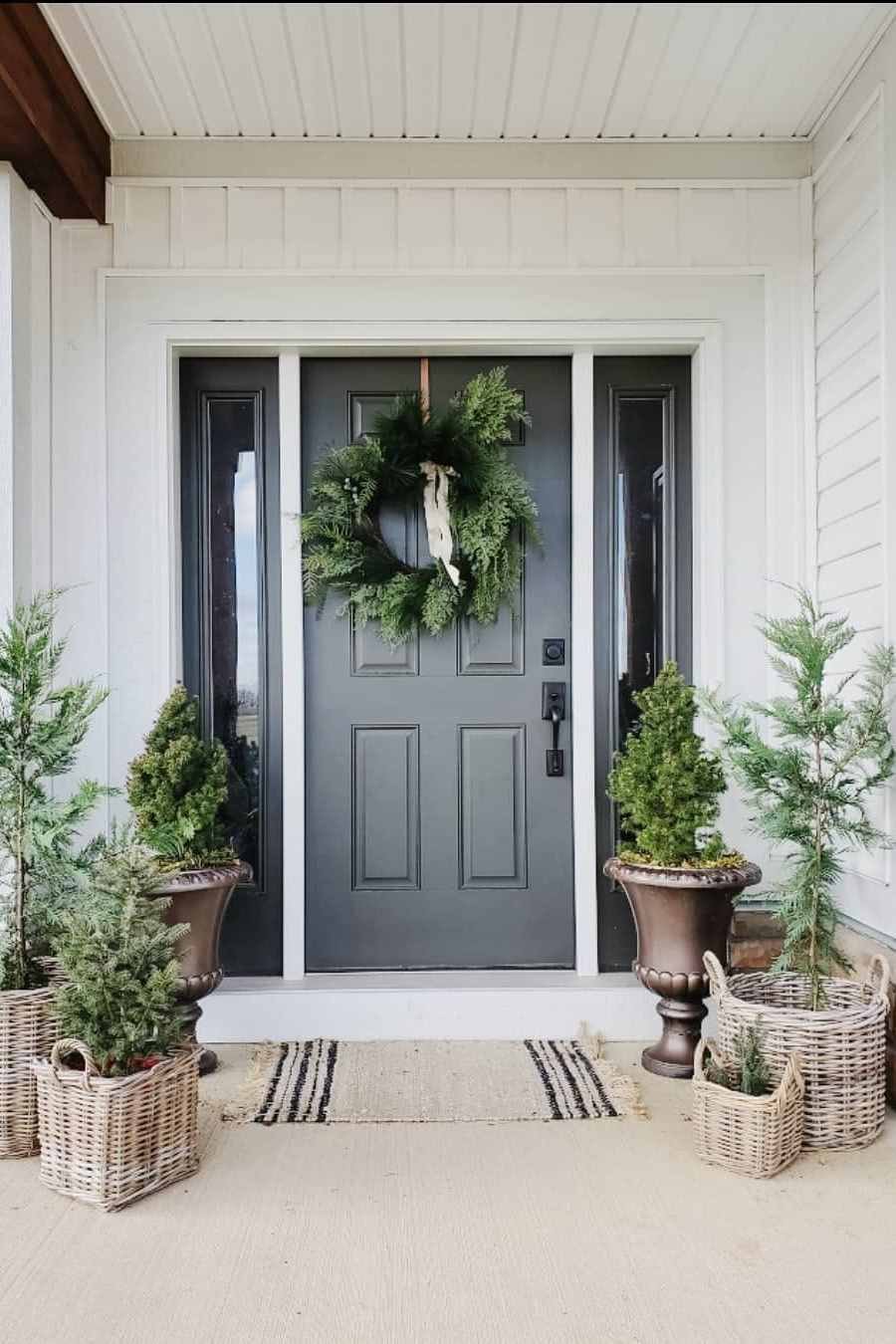
Before you plant or buy anything, stand on the pavement and look at your windows as a stranger would. That outside view is the one most people will actually see, and it decides whether the box reads as festive or fussy. The 19 ideas below follow the box from the street inward: the view first, then the planting, then the light, and finally the care that keeps it alive until January. For the porch and entry that frame these windows, see front porch Christmas decor and plan the whole front of the house as one welcome.
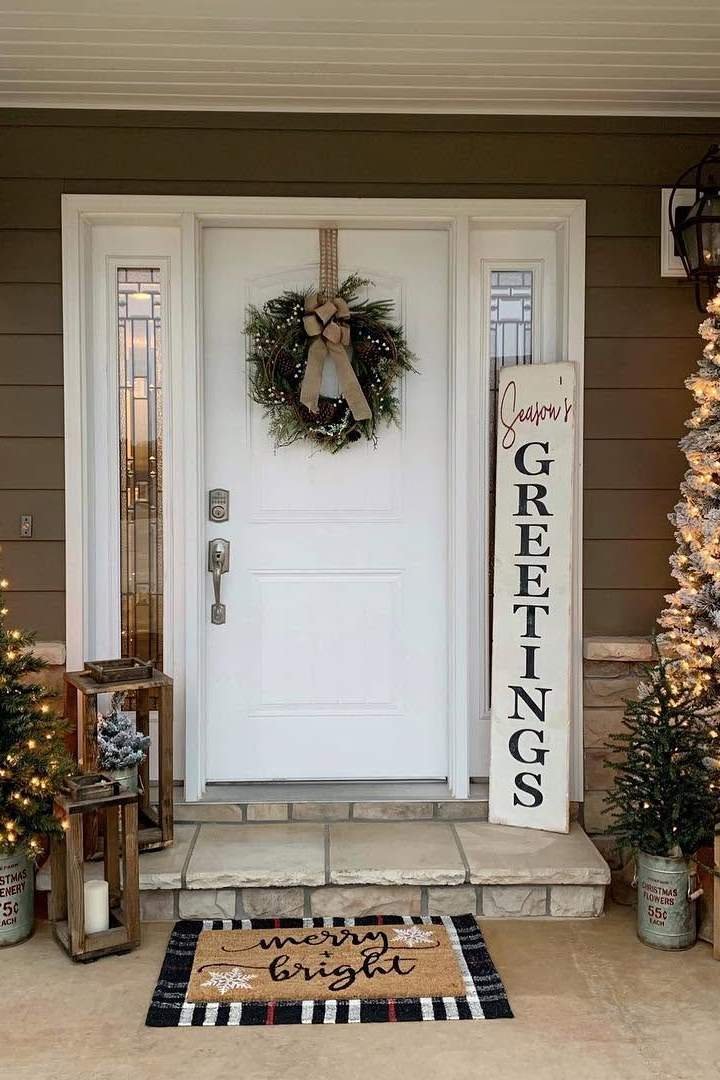
The Street-Side View — What Passers-By See
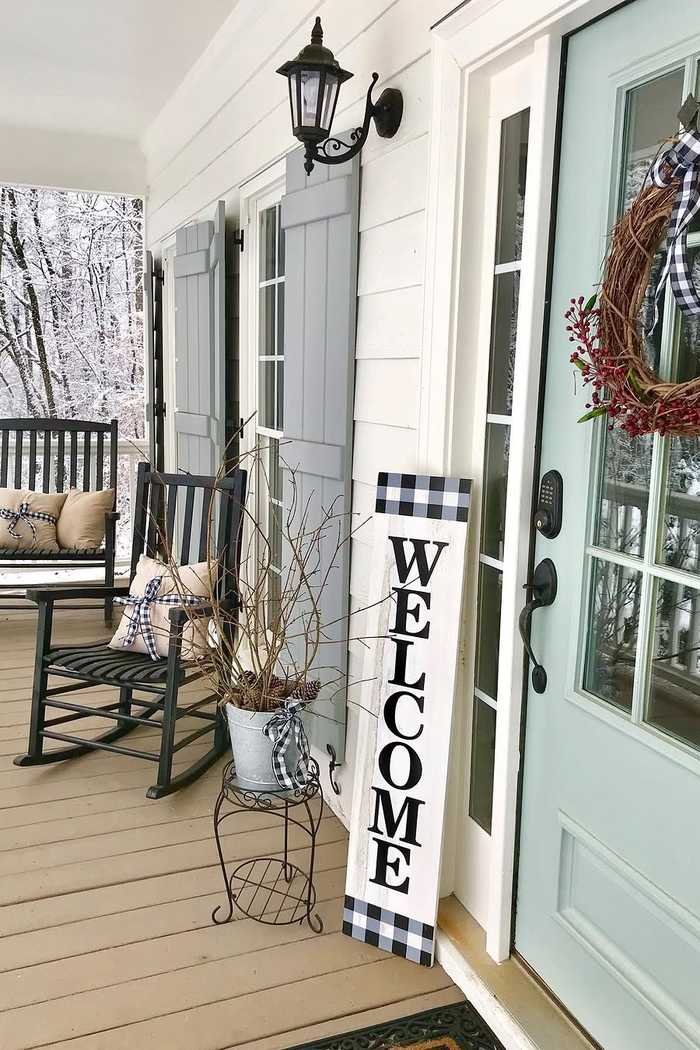
1. Start with Evergreen, Not Flowers
December window boxes live or die on evergreen. Pine, fir, spruce, and ivy hold their colour through frost, while summer flowers collapse at the first cold night. Build the whole box from evergreen first — upright sprigs at the back, trailing ivy at the front — and only then add colour. A box that is all evergreen still looks like Christmas; a box that is all decoration with no greenery looks like a craft project that escaped. Buy evergreen from a local tree lot or garden centre in late November, when cuttings are freshest, and keep spare branches in a bucket of water outside so mid-December replacements are already on hand.
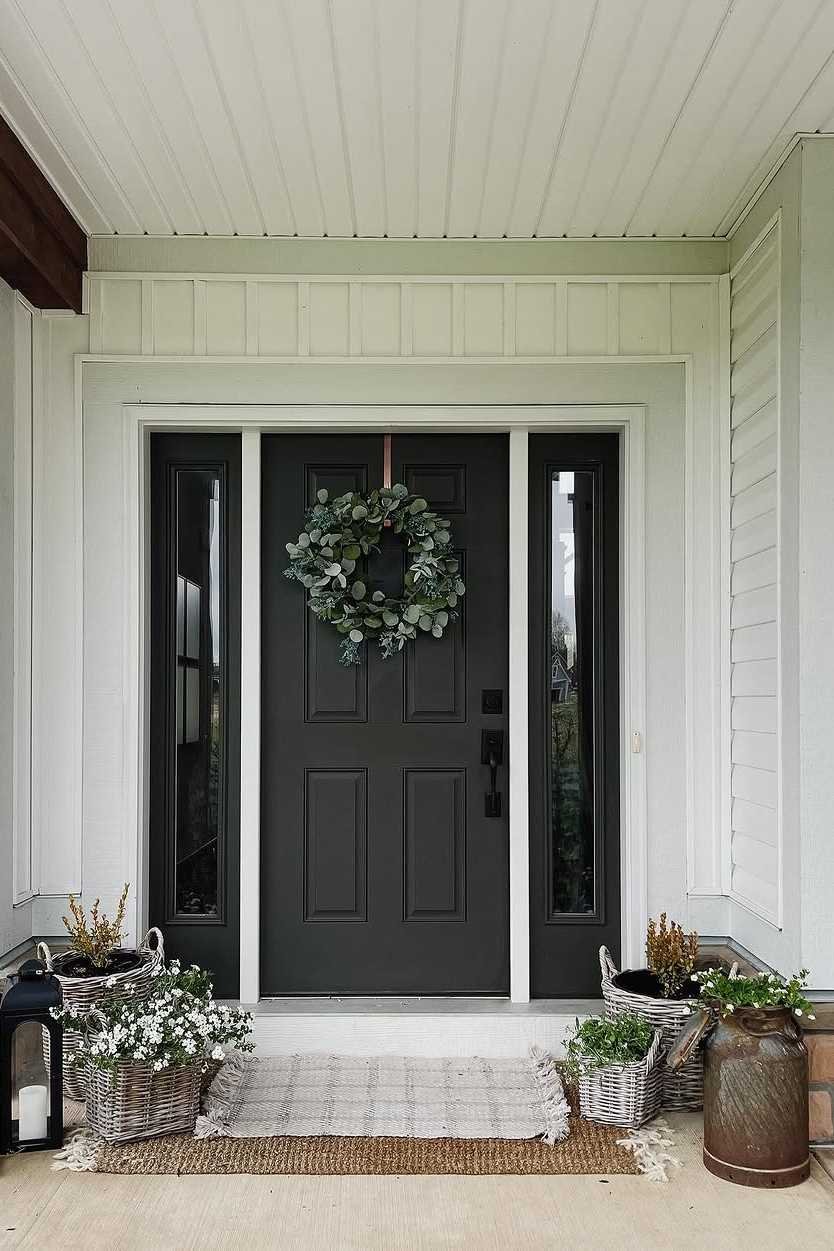
2. Give the Box One Clear Colour
From the street, a window box is seen from twenty metres away, so subtle colour combinations disappear. Pick one colour that reads at distance — classic red berries, warm gold baubles, or white lights against dark green — and repeat it along the whole box. Two colours can work if one clearly leads, but three or more turn the box into confetti. Stand back on the pavement after planting the first box and check before you repeat the scheme on the rest.

3. Keep the Silhouette Simple and Full
A good window box silhouette is a soft, full mound, not a flat row of sticks. Push cuttings in at angles so the box looks full from the side as well as the front, and let a few trailing pieces spill over the front edge to soften the box itself. Gaps are the enemy: from the street, a gap reads as a missing tooth. If you run short of greenery, pack the back with cheap filler branches and save the best pieces for the front and ends.
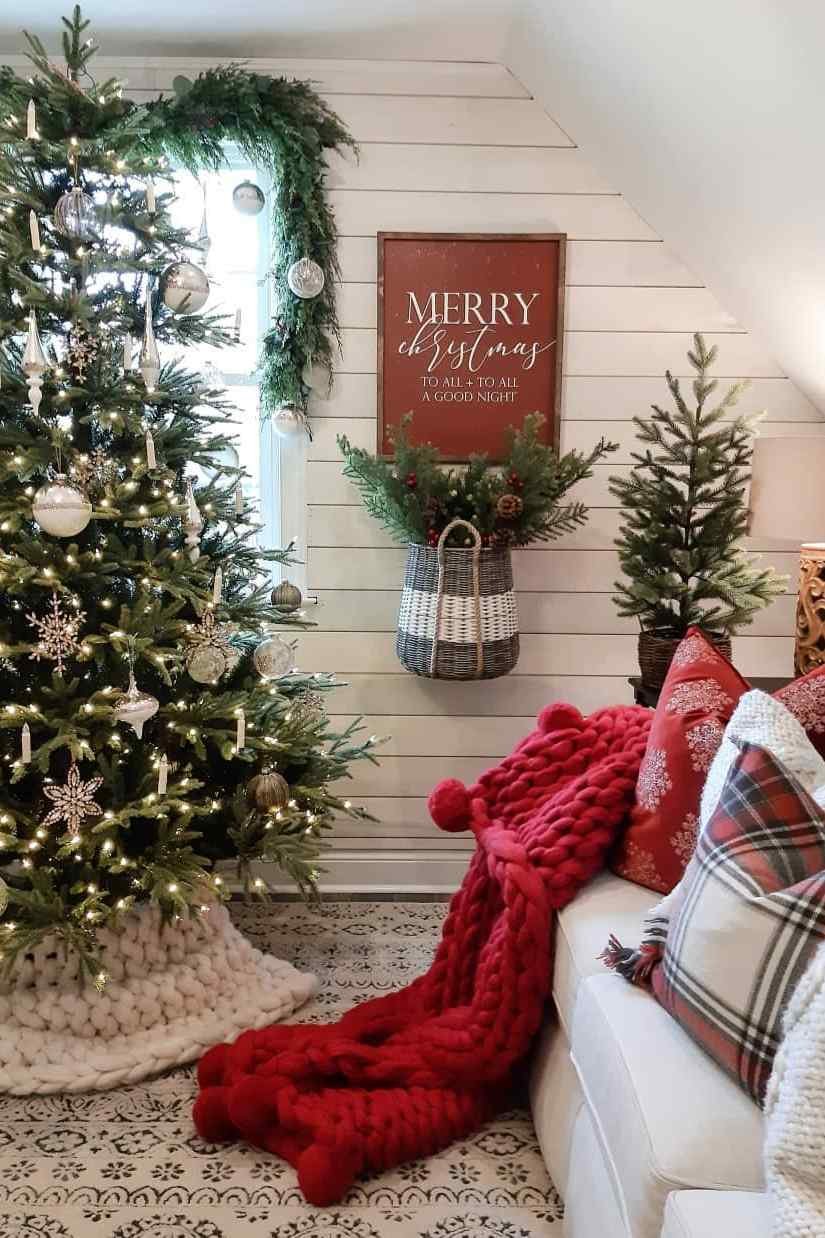
4. Match the Box to the House, Not the Neighbours
A white cottage, a brick terrace, and a modern grey house all need different window boxes. White houses glow with red and green; brick warms up with gold and cream; grey and black exteriors need brighter greens and white lights to avoid disappearing. Your neighbours’ boxes are not the brief — your own walls are. Photograph your house front in daylight, then choose bauble and ribbon colours that stand out against that exact background.

5. Dress the Ends, Not Just the Front
People walk past window boxes from the side far more than they stand square in front of them, so the ends matter. Finish each end with a small cluster of berries or a pinecone, and let the trailing greenery wrap slightly around the corner. A box with bare ends looks unfinished from the pavement, however beautiful its front is. This five-minute finish is the difference between a box that looks planted and a box that looks placed.
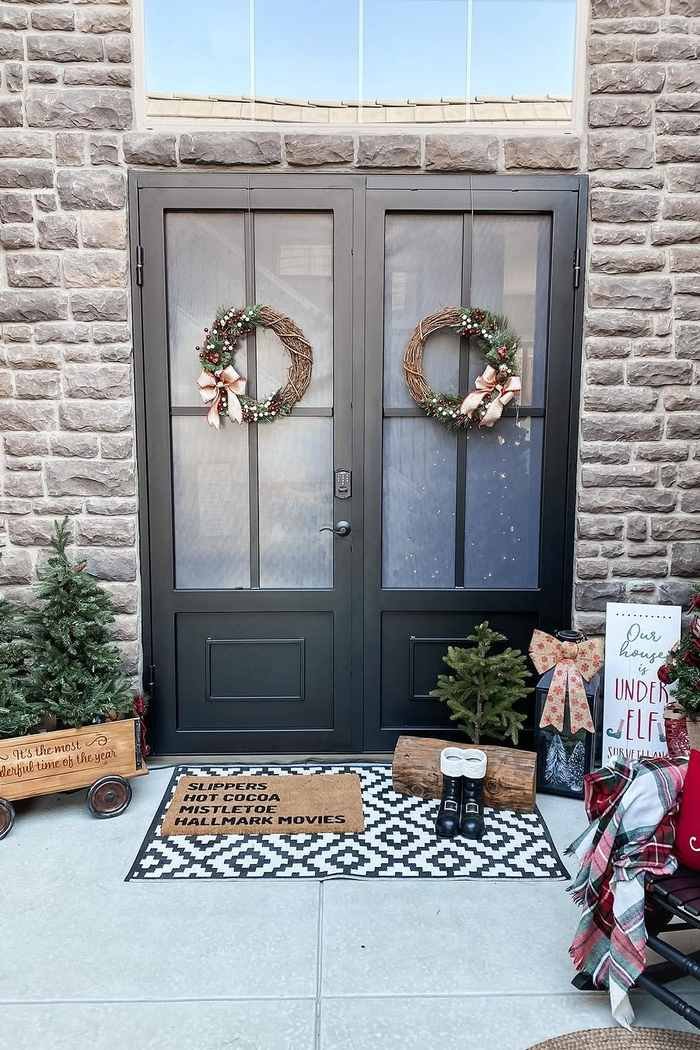
Planting That Lasts — Greenery Through January

6. Mix Three Evergreens for Texture
One type of evergreen looks flat; three look like a woodland. Combine a stiff upright — spruce or fir — with a soft draping cedar and a trailing ivy, and the box gains depth that survives frost and wind. The different needle shapes catch light differently, so the box looks alive even on grey days. If you can only find one type, vary the cutting lengths instead: short at the front, long at the back, and the same layering effect appears. If only one evergreen is available, vary cutting lengths dramatically — very short at the front, very long at the back — and the layering will read almost as well as a three-variety mix.

7. Add Berries for Colour That Frost Cannot Kill
Real berries are the hardest-working colour in a winter box. Holly, winterberry, and even sturdy faux berry sprays hold their red through rain and frost when flowers would not last a night. Cluster berries in groups of three or five rather than scattering single stems, because a cluster reads from the street while a single stem vanishes. If birds strip your real berries, that is a sign the box is alive — top it up once mid-December and enjoy the visitors.

8. Tuck in Pinecones and Dried Orange
Pinecones and dried orange slices are the details that make a box feel handmade rather than shop-bought. Push pinecones deep into the greenery so they look grown, not glued, and wire dried oranges to face outward where the light catches them. A handful per box is plenty — these are accents, not the main event. If you make a matching wreath, the same materials tie the door and the windows together, and Christmas wreath ideas show how to repeat the palette gracefully.

9. Protect the Box from Wind and Frost
Wind is a window box’s real enemy, not cold. Sheltered boxes last weeks longer than exposed ones, so on a windy front, choose shorter cuttings, wire the main stems to the box, and avoid tall ornaments that act as sails. After a hard frost, do not water a frozen box — wait for a thaw, then water lightly. A box that is wired, low, and dense will still look good on New Year’s Day, when a tall, loose one has already blown apart. On the windiest fronts, a low box planted tight with short cuttings and wired stems will outlast a tall, loose box by weeks, because wind damage comes from leverage, and short stems give wind nothing to grab.

10. Let One Box Go Bold and Keep the Rest Calm
If you have several windows, resist the urge to make every box a showpiece. Give the largest or most visible window the bold treatment — brighter berries, gold baubles, more lights — and keep the others in calm evergreen with one quiet accent. The bold box becomes the focal point and the calm boxes make it shine. Five shouting boxes compete with each other; one star with a calm chorus wins every time.

Light and Colour After Dark
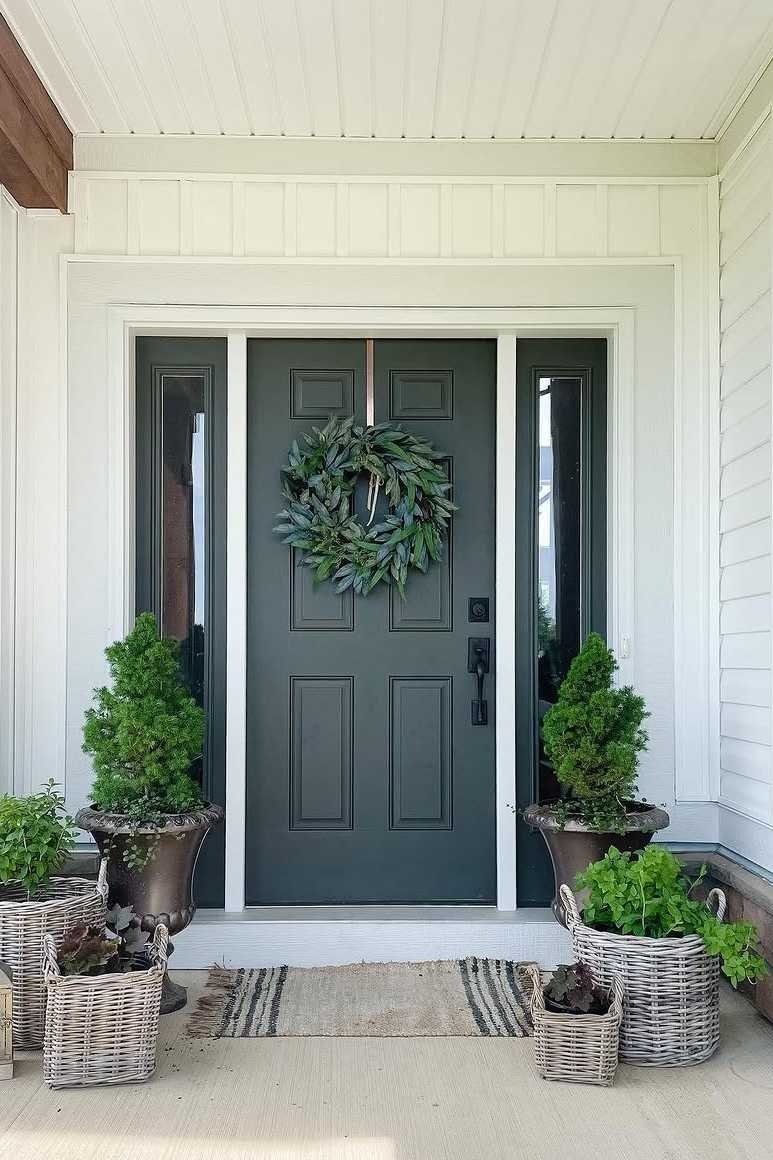
11. Weave Lights In Last, Not First
Lights woven in after the planting sit on top of the greenery and glow outward; lights buried underneath disappear into the foliage. Lay the planting first, then weave a single string of warm-white fairy lights through the front face of the box, keeping the wire hidden behind the top row of cuttings. Test the lights at dusk before you finish — daylight lies about how bright a box really is, and dusk is when it matters.

12. Choose Warm White for Traditional Houses
Warm-white lights flatter brick, cream, and timber houses the way candlelight flatters a room. Cool-white lights can look icy and modern, which suits grey and white contemporary fronts but makes a cottage look cold. If your street already glows warm from every porch, matching that warmth makes your house feel part of the street rather than apart from it. One colour temperature across all your boxes keeps the front of the house calm. If your street already glows warm from every porch, matching that warmth makes your house feel part of the street, while a single cool-white box on a warm street looks like an error rather than a choice.

13. Add a Gold or Silver Accent After Dark
Metallic baubles do something no plant can: they catch and throw light after dark. A few gold or matte silver baubles tucked near the front of the box will sparkle in the fairy lights and in passing car headlights, so the box keeps working long after sunset. Use shatterproof baubles outdoors — glass ones break in frost and wind — and wire them on, because a bauble that falls onto the pavement is a hazard as well as a loss.
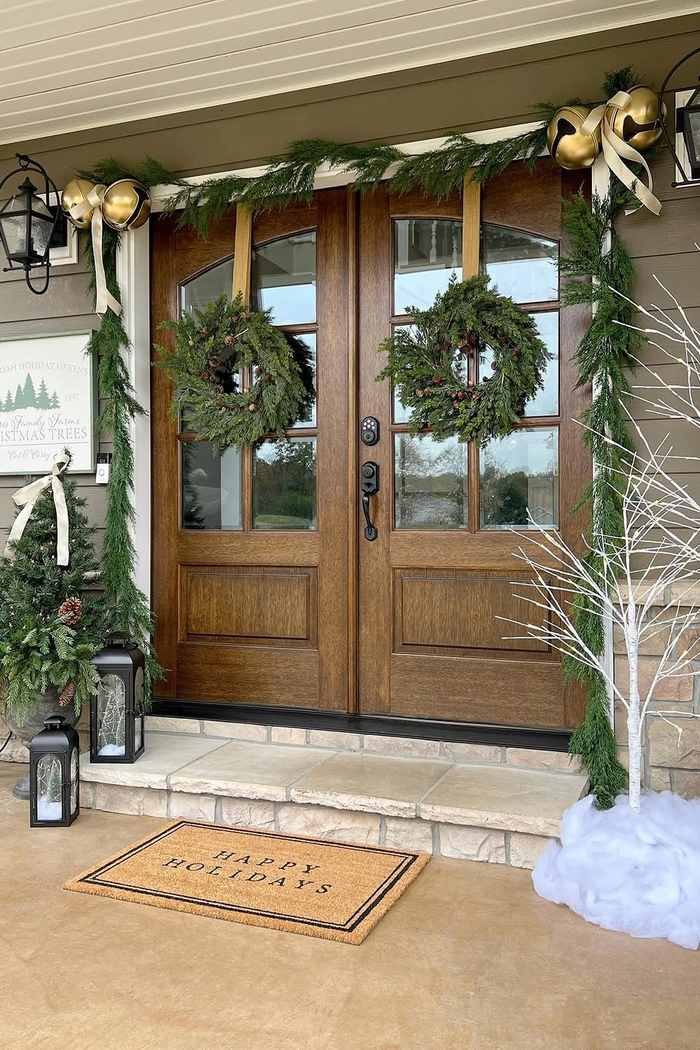
14. Echo the Door Wreath, Don’t Copy It
The window boxes and the front door should rhyme, not repeat. If the wreath is red berries and fir, give the boxes fir and a quieter red — or the same berries in a smaller dose. Exact copying across door and windows looks like a set bought in one box; echoing looks like a home decorated by someone with taste. The shared material is the thread; the different proportions are the personality.

15. Light the Sill, Not Just the Box
A windowsill candle or a small lantern inside the window, behind the box, doubles the glow. From the street, the warm interior light shining through the glass turns the whole window into a lantern, with the box as its festive frame. Keep the indoor candle flameless if it sits near curtains, and keep the sill clear of anything that blocks the light. This inside-out glow is free — it uses light already in the room — and it transforms the box after dark. A flameless candle on the sill behind the box is the safest version of this glow, since it sits near curtains, and its warm light through the glass turns the whole window into a lantern after dark.

The Inside View and the Care That Keeps It Alive
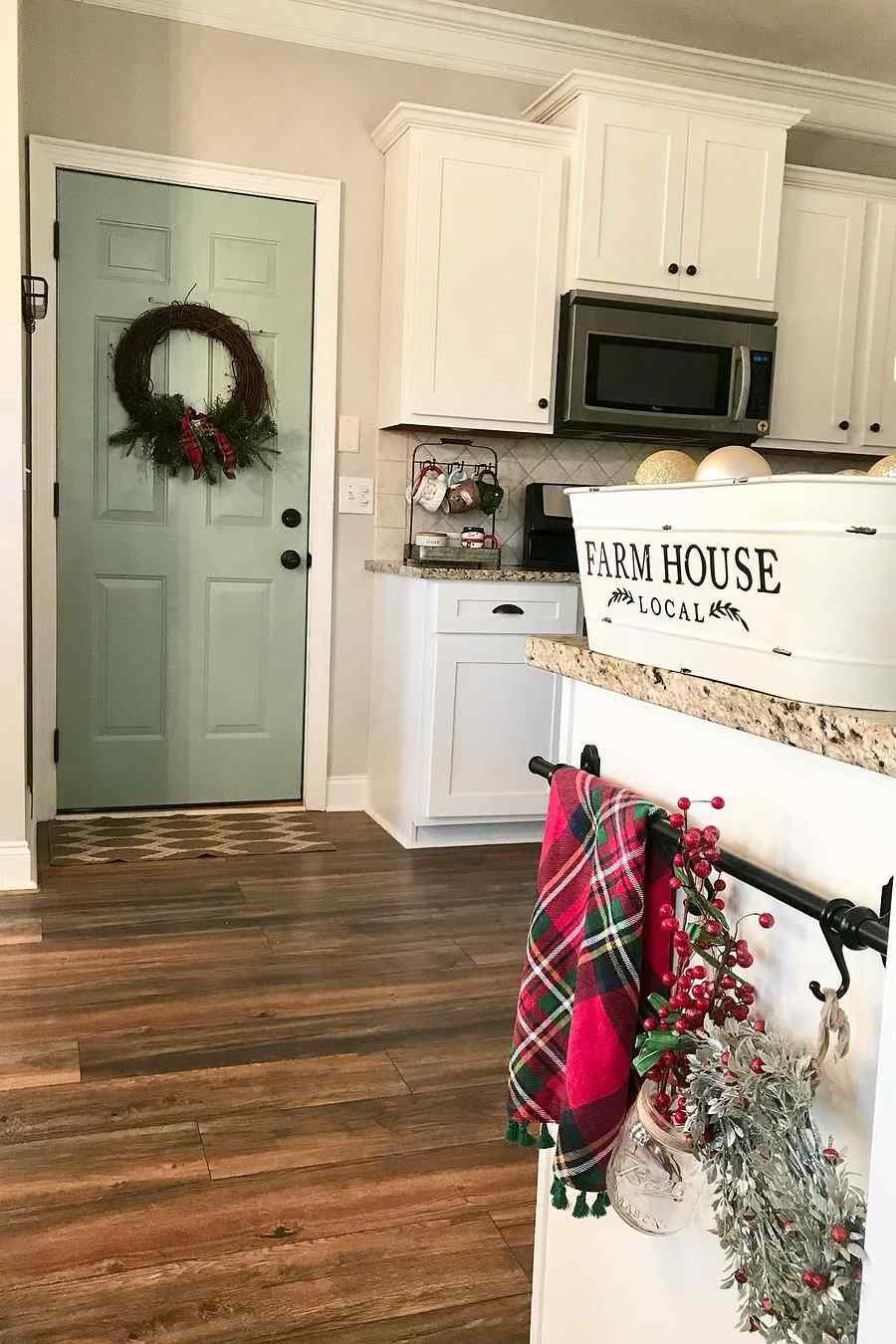
16. Check the View from the Sofa Too
From inside, you see the back of the box — soil, stems, and wire — so finish the inside face as well. A row of upright cuttings at the back hides the mechanics and frames the view like a living picture. If the window looks onto a dull wall or a neighbour’s fence, the box becomes the view itself, which is even more reason to keep its back tidy. The best window boxes are the ones you enjoy from your own sofa on a dark afternoon.
17. Water Sparingly, and Only on Mild Days
Winter boxes need far less water than summer ones, but they still dry out in wind. Water lightly on mild, frost-free days, and only enough to dampen the soil — a soaked box freezes solid overnight and heaves its cuttings out. If the box is planted in foam rather than soil, a light misting keeps the cuttings fresh without waterlogging. Check the box weekly, not daily, and you will catch drying before it shows.
18. Refresh Once, Mid-December
Even the best box fades after three weeks of weather. Plan one refresh in mid-December: replace any browned cuttings, top up berries the birds have taken, and straighten lights that have slipped. The refresh takes twenty minutes per box and carries the display through to New Year. Boxes that are never refreshed look tired by Christmas Day itself, which is exactly when most guests arrive. Bring a small bag of spare cuttings, berries, and a pair of secateurs to the refresh, because the job goes twice as fast when every replacement is in hand rather than fetched from the shed mid-task.

19. Bring the Best of the Box Indoors in January
When the boxes finally come down, do not bin everything. Pinecones, dried oranges, and sturdy baubles go straight into next year’s storage, and any living ivy can move to an indoor pot. The greenery itself can be composted, and the box scrubbed and stored dry so it does not rot over winter. A hallway dressed with the same evergreen spirit keeps the welcome going inside — see Christmas hallway decor ideas for the indoor half of this story — and the color palette generator will help you carry one palette from the windows right through the house.

Conclusion
A Christmas window box succeeds when it is judged from all three views — the street, the pavement, and the sofa — and the secret is restraint: evergreen first, one colour, ends finished, and light woven in last. Plant one box well before you plant five boxes hurriedly, refresh it once in mid-December, and it will greet every passer-by and every guest until January. For small outdoor spaces with the same spirit, how to decorate an apartment balcony for Christmas carries these ideas onto balconies and tiny porches. When the box glows after dark, holds its colour through frost, and still looks tidy from your own sofa, it has succeeded at all three of its jobs, and it will be worth planting again next year.
FAQ
What greenery lasts longest in a Christmas window box?
Spruce, fir, and ivy last longest because their needles and leaves hold through frost and wind. Cedar adds softness but dries faster in exposed spots, so use it sheltered or mix it behind sturdier spruce. Avoid eucalyptus outdoors in hard frost — it blackens quickly. Spruce and fir hold longest in exposed boxes, cedar suits sheltered spots, and ivy trails beautifully but needs protection from hard wind, so match the evergreen to the exposure rather than planting the same mix on every window.

Can I use a window box if I rent?
Yes, with a no-drill bracket that hooks over the sill or clamps to the railing, and a lightweight box planted in foam rather than wet soil. Check your lease for exterior rules first, keep the box secure, and remove it cleanly in January with no marks left behind. A no-drill bracket that hooks over the sill or clamps to the railing, with a lightweight foam-planted box, is the rental-safe option, and it removes cleanly in January with no marks left on the brickwork or paint.
How do I stop birds eating all my berries?
You cannot fully stop them, and a few missing berries are part of a living display. Use a mix of real and faux berry sprays — birds take the real ones and leave the faux — and top up the real berries once in mid-December so the box still reads red at Christmas. Birds will always take some real berries, which is why a mix of real and faux sprays works best: the real berries feed the birds, the faux ones hold the colour, and one mid-December top-up keeps the box red at Christmas.

When should I plant a Christmas window box?
Plant in late November so the box settles before the first hard frost, and plan your one refresh for mid-December. Boxes planted too early, in October, look tired by Christmas; boxes planted in mid-December have no time to settle before the coldest weather. Late November planting gives the box time to settle before hard frost, while a mid-December refresh — replacing browned cuttings and straightening lights — carries the display looking fresh through to New Year.

💬 Join Our Decor Community
Decor Fern | Home Decor Ideas & Inspiration — share your rooms, get ideas, and chat with fellow decor lovers.
Join the Facebook GroupFollow on Facebook