
How to Mix Gold and Silver Christmas Decor Elegantly
Gold is warm and cozy, silver is crisp and frosty, and for years the decorating rule said pick one and banish the other. That rule is officially retired. Mixed metallics look richer than either metal alone — the secret is not avoiding the mix, it is controlling it, so the two metals read as one deliberate palette instead of two half-finished ones arguing on your tree.
This guide shows you how to mix gold and silver christmas decor step by step: choosing a lead metal, matching undertones, splitting the balance, and repeating the pairing until it looks intentional everywhere it appears.
Your existing decorations already contain both metals, most likely. This system simply teaches them to get along.
1. Choose One Lead Metal First
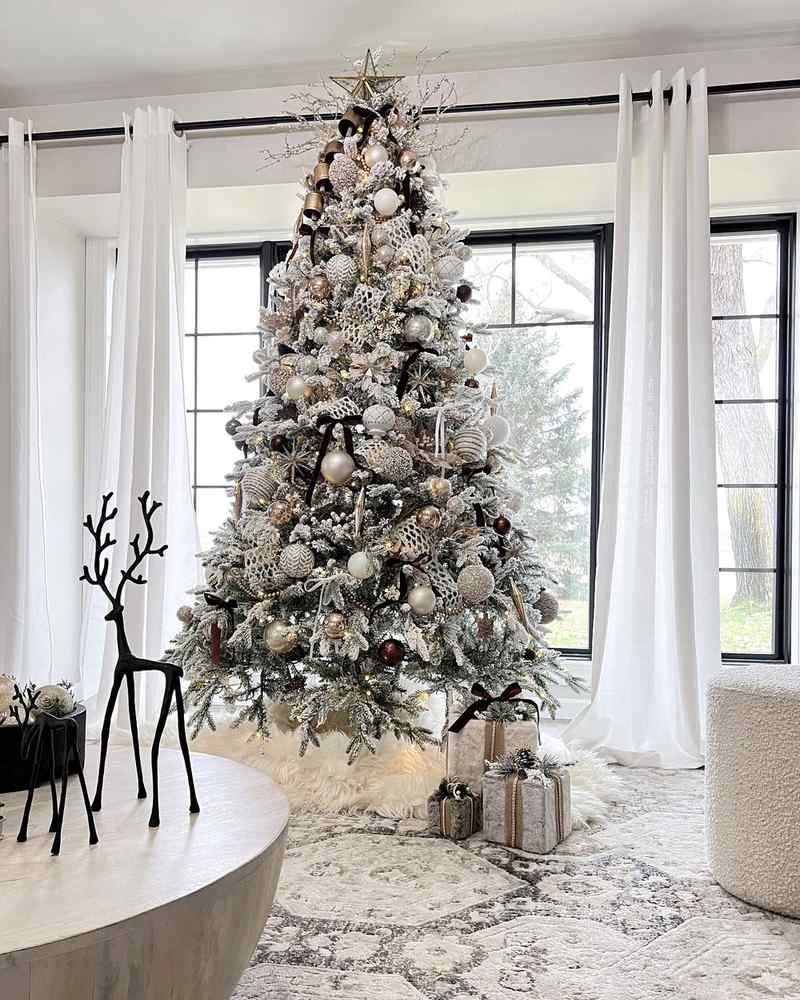
Photo: Chelsea (@blessed_ranch) on Instagram
Photo credit: @christmastreeideas on Instagram
Every elegant mix has a leader. Decide which metal dominates your home this Christmas — gold if your rooms run warm, cream, and wood-toned; silver if they run cool, white, and grey. The lead metal gets roughly two-thirds to three-quarters of the ornaments, ribbon, and candle holders. The second metal becomes the accent, appearing in smaller, deliberate doses.
This is not about counting ornaments at the store. It is about what your eye reads first. A tree that is mostly gold with silver sparkle woven through looks designed. A tree split exactly half and half looks undecided, like two decorating schemes sharing a branch. If you are torn, match the leader to your fixed finishes: warm brass or gold light fixtures argue for gold; chrome and cool steel argue for silver.
Palette note: Write your split down if it helps — "gold leads, silver accents" — and shop with that sentence in hand. It stops the slow drift where every pretty silver thing quietly takes over.
2. Check the Undertones Before Mixing

Photo credit: @christmastreeideas on Instagram
Metals clash by undertone, not by name. Bright yellow gold and icy blue-silver worn together can feel harsh, while champagne gold and soft pewter-silver melt into each other beautifully. Before decorating, gather your gold and silver pieces in one pile under your actual room light and look honestly: warm golds pair with antique, brushed, or champagne silvers; shiny chrome pairs better with pale, bright gold.
The forgiving middle ground is the antique finish. Antique gold and antique silver share a muted, aged quality that makes them natural partners, and matte or brushed versions of both are far easier to mix than mirror-shiny ones. If one piece screams the wrong temperature, retire it to a different room this year rather than forcing the relationship.
Fixing note: A clashing piece can often be demoted instead of discarded. Tuck the too-yellow ornament deep inside the tree where greenery and shadow soften it, and let your best-matched pieces take the outer branches.
You May Also Like: 24 Black Gold Christmas Decorations for a Glam Holiday Look
3. Split It Roughly 70/30

Photo: Courtney Allison (@frenchcountrycottage) on Instagram
Photo credit: @christmas_interior on Instagram
With a lead metal chosen and undertones matched, divide your metallic pieces into a rough 70/30 balance. Seventy percent lead metal creates the clear identity; thirty percent accent is enough to make the mix sparkle and feel generous, without tipping into tie-game territory. Spread the accent through the display rather than parking it all in one corner.
This ratio flexes gracefully by surface. Your tree might run 70/30 gold-to-silver, while a mantel of mostly silver candlesticks flips the recipe with gold ribbon woven through the garland. As long as each individual surface has one clear leader, the house feels coherent even when different rooms lean different ways — especially when greenery and neutral pieces unify them, which is exactly where we are heading.
Scale note: In small displays like a wreath or a tray, even 80/20 works better than 70/30. The tinier the arrangement, the stronger the leader should be, so the mix reads clearly at a glance.
4. Repeat Each Metal at Least Three Times
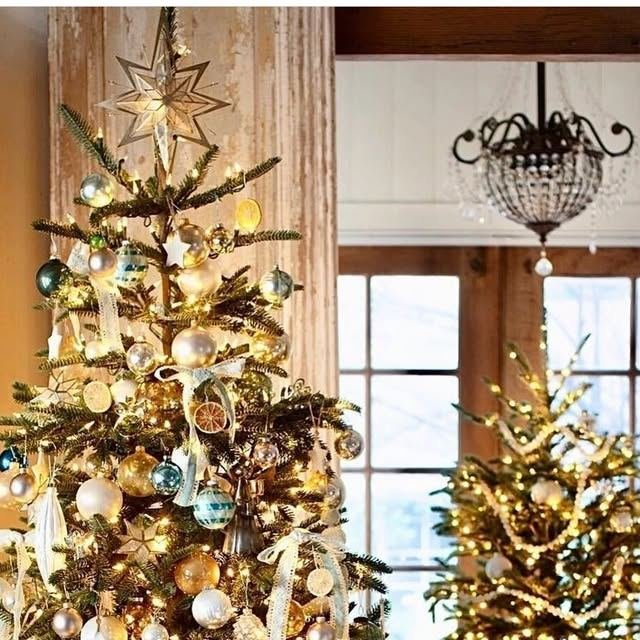
Photo: Courtney Allison (@frenchcountrycottage) on Instagram
Photo credit: @christmastreeideas on Instagram
A single silver ornament on a gold tree looks like a mistake; a silver thread repeated three or more times looks like a plan. This is the rule that turns mixing into design. On the tree, repeat your accent metal in ornaments, a ribbon or bead garland, and the tree topper's details. On a table, echo it in candlesticks, napkin rings, and one ornament cluster in the centerpiece.
Repetition creates rhythm, and rhythm is what your eye is actually judging. Space the repeats at uneven, natural distances rather than measuring them out — styled, not stamped. The same rule holds on a staircase garland or across a whole room: three appearances minimum per metal, per view, and the pairing stops looking accidental immediately.
Style note: The cheapest repeat is ribbon. One spool of accent-metal ribbon woven through the tree, the wreath, and the mantel garland ties three surfaces together for a few dollars.
You May Also Like: 25 Christmas Mantel Ideas to Make Your Home Glow
5. Bridge the Metals With Neutrals and Greenery
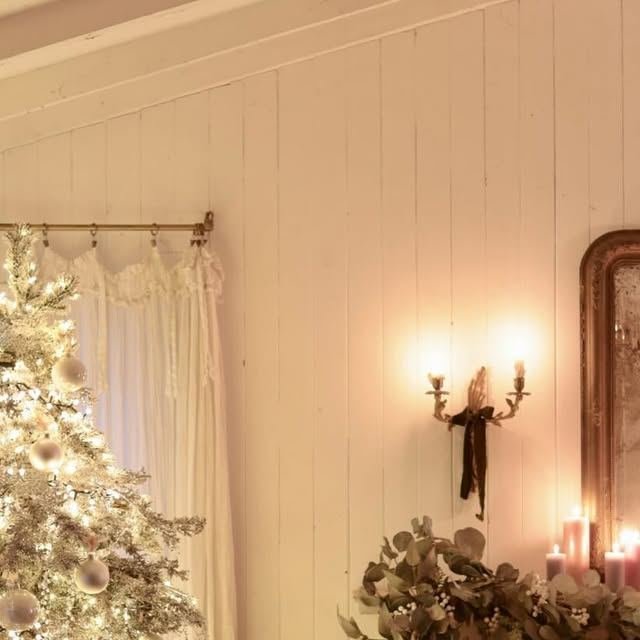
Photo: Courtney Allison (@frenchcountrycottage) on Instagram
Photo credit: @christmastreeideas on Instagram
Gold and silver rarely sit directly side by side in an elegant scheme — they meet across a bridge. Greenery is the best bridge ever grown: deep pine and cedar soften both metals, give the eye a rest between shine and shine, and make warm and cool tones look like they belong to the same forest. Cream, warm white, wood, and clear glass do the same job in softer ways.
Build every display greenery-first, then add the lead metal, then dot in the accent. The green layer guarantees the metals are always photographed against nature instead of against each other. Frosted or snowy greenery leans prettier with silver; deep, glossy greenery glows with gold — use whichever your lead metal prefers, and let the accent metal simply enjoy the ride.
Texture note: Pinecones, wooden beads, and cream ribbon are neutral peacemakers. A few matte natural pieces between metallic ones stop the whole display from sliding into disco territory.
6. Let Warm Light Blend the Shine
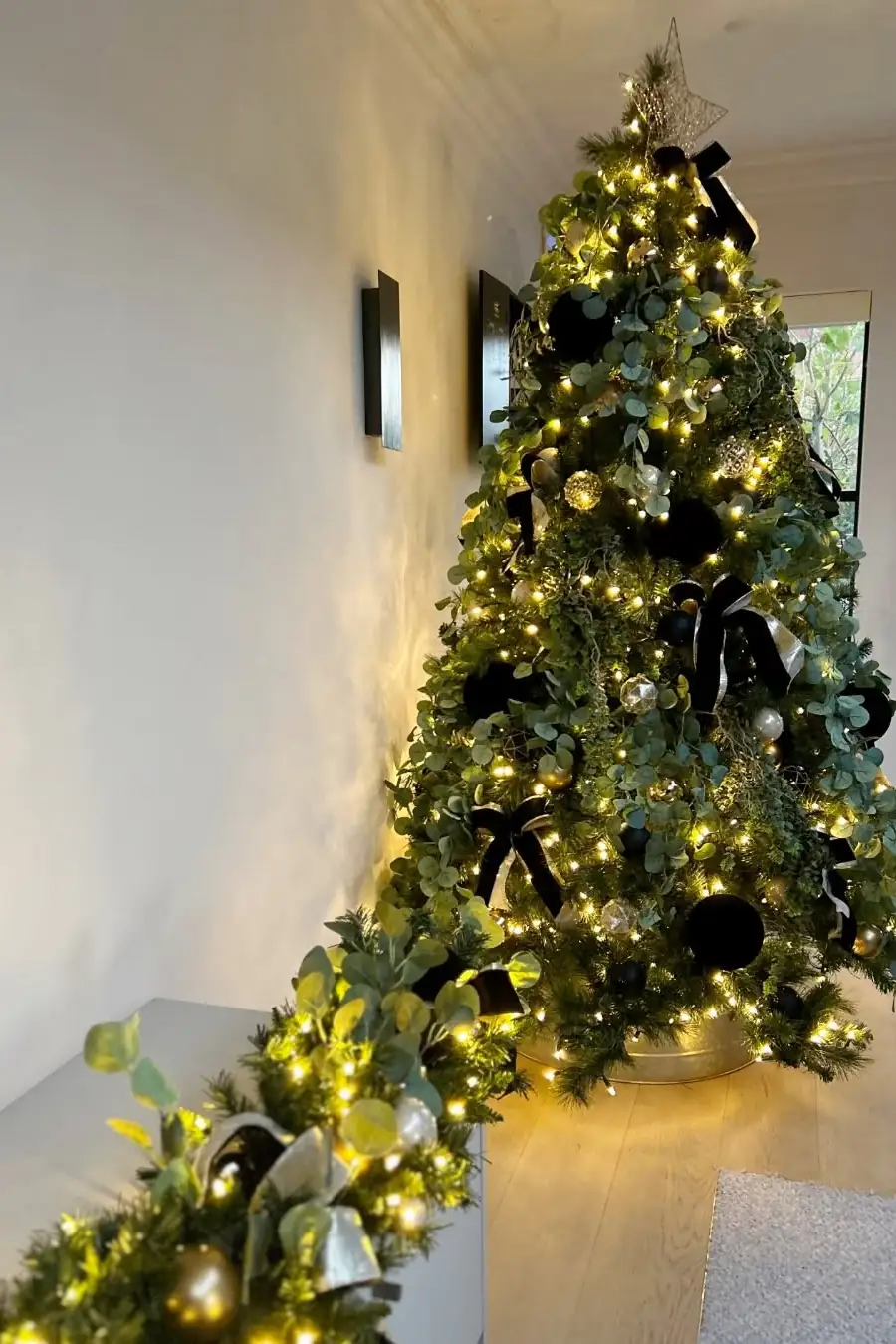
Photo credit: @thechristmasdecorators on Instagram
Lighting is the great mediator of metals. Warm-white fairy lights (the golden-toned kind, never blue-white) wrap both metals in the same glow, softening silver's coolness and deepening gold's warmth until they look like family. If your mix ever feels slightly tense in daylight, wait for the evening test — most gold-and-silver schemes come together magically when the tree lights come on.
Candlelight performs the same diplomacy on tables and mantels. Gold holders with real or flameless candles flatter silver pieces nearby, and vice versa, because the flame's warm spectrum bathes everything in one tone. This is why mixed metallics always photograph best at dusk: the light is literally blending your palette.
Lighting note: Keep bulb temperature consistent everywhere — one string of cool lights among warm ones will spotlight the clash you worked to avoid. Check boxes for "warm white" before weaving lights through metallic displays.
You May Also Like: 21 Christmas Table Centerpieces for a Beautiful Holiday Table
7. Spread the Pairing Room to Room

Photo credit: @blesserhouse on Instagram
Once the tree works, carry the same lead-and-accent pairing through the house so rooms feel related. The mantel repeats it in garland and candlesticks. The dining table repeats it in holders, ribbon, and ornament clusters. The entryway wreath gets a bow in the lead metal with accent berries tucked through. Same colors, same ratio, smaller doses.
You do not need metallic everything in every room — a couple of shine points per surface is plenty, anchored by your neutrals and greenery. If one room naturally leans the opposite way (a cool grey bathroom, say, that prefers silver), let that room flip the lead while keeping the same finishes and the same green-and-cream bridges. The family resemblance holds, and the variety actually looks collected and confident.
Budget note: Mixing metals is the thrift-lover's palette. Instead of replacing a mismatched collection, you re-balance it — a spool of ribbon and a few bridge pieces cost far less than a whole new single-metal set.
The Gold-and-Silver Cheat Sheet
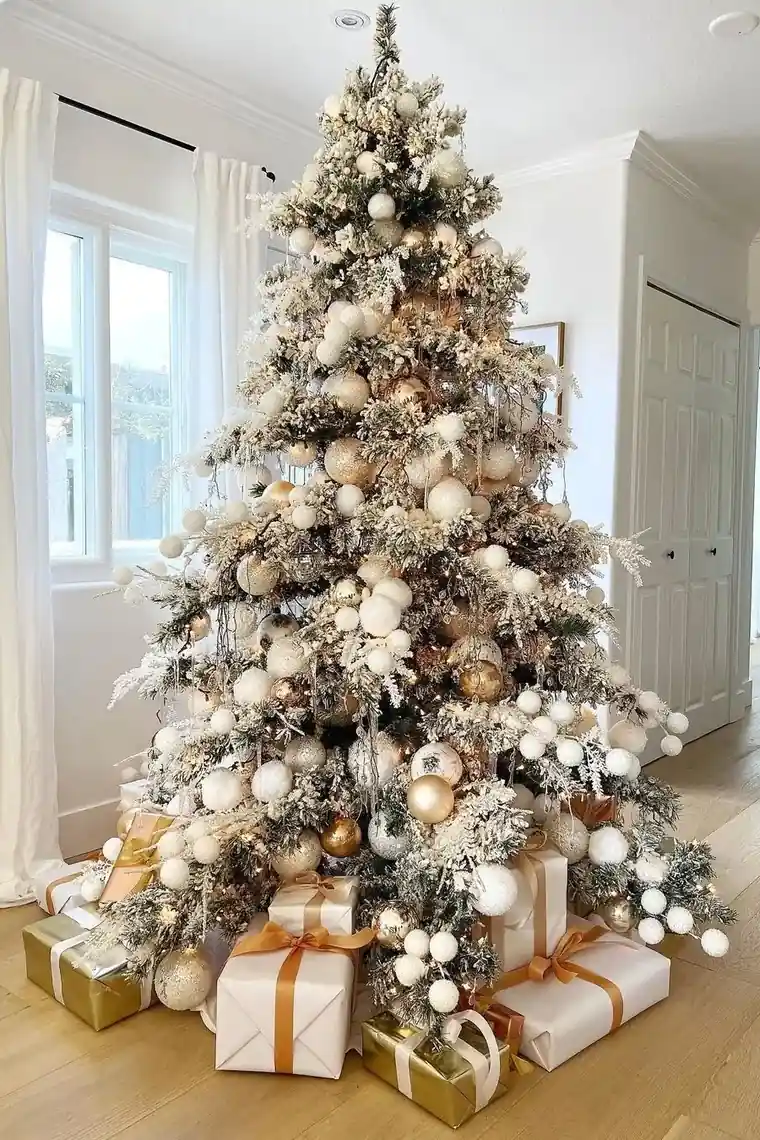
Photo credit: @christmastreeideas on Instagram
| Element | Gold does this job | Silver does this job |
|---|---|---|
| Tree ornaments | Warm lead, 70% of the shine | Frosty sparkle dotted through, repeated 3+ times |
| Ribbon | Deep, wide ribbon as the base layer | Narrow ribbon or bead garland layered over |
| Candle holders | Warm glow on mantel and table | Cool glints beside greenery and glass |
| Greenery pairing | Deep glossy pine and cedar | Frosted or snowy tips |
| Bridge pieces | Cream ribbon, wood beads, pinecones | Clear glass, cream ceramics, more greenery |
Gold and Silver Christmas Decor in a Small Space
Small rooms suit mixed metals — a little shine in a few places reads richer than a whole room of glitter.
- Repeat each metal three times. Small touches — an ornament, a ribbon edge, a glass companion — are enough to tie the metals together.
- Let brushed and matte pieces be the base. Use brushed or matte pieces as the quiet base and save the shiniest ornaments as highlights.
- Bridge with neutrals and greenery. Neutrals and greenery soften the shine and keep a small room calm.
- Spread it room to room. Carry the pairing from room to room in small doses instead of loading it all into one space.
- Warm light blends the shine. Warm-white light flatters gold and keeps the mix elegant instead of harsh.
Frequently Asked Questions
What is the easiest way to learn how to mix gold and silver christmas decor without it clashing?
Pick one lead metal first and give it about seventy percent of the metallic pieces, then repeat the accent metal at least three times in every display so it looks intentional. Match undertones — champagne and antique finishes mix easiest — and always build on a greenery base with warm-white lights, which blend the two shines together.
What ratio of gold to silver looks best?
A rough 70/30 split in favor of your lead metal. Smaller displays like wreaths and trays often look even better at 80/20. An exact 50/50 split is the one to avoid, because neither metal leads and the mix reads undecided.
Can I mix shiny and matte metals together?
Yes — in fact mixing finishes adds the depth that keeps metallics elegant. Use brushed or matte pieces as the quiet base and save the shiniest ornaments and holders as highlights, spread evenly so no single surface turns into a mirror ball.
Which metal should lead if my home has warm wood and cream walls?
Let gold lead. Warm wood, cream, and warm-white lighting all flatter gold's warmth, and silver then works beautifully as the smaller frosty accent in ornaments, ribbon edges, and glass companions. Silver carries just as beautifully into New Year decor. If your fixtures are chrome or your walls run cool grey, flip the roles and lead with silver.
You Would Also Love
💬 Join Our Decor Community
Decor Fern | Home Decor Ideas & Inspiration — share your rooms, get ideas, and chat with fellow decor lovers.
Join the Facebook GroupFollow on Facebook


One Comment