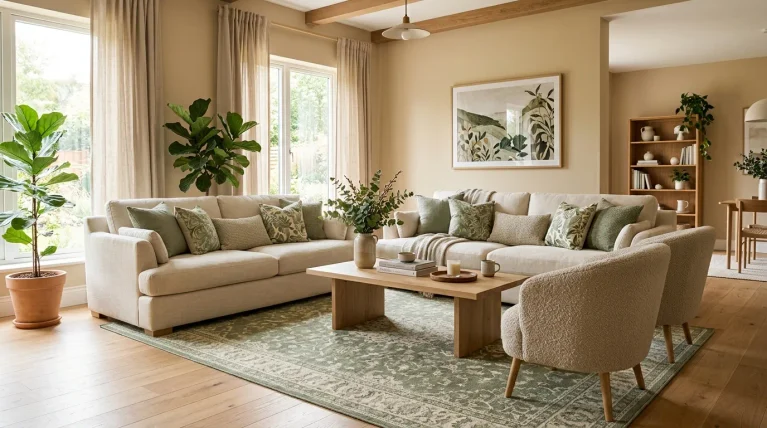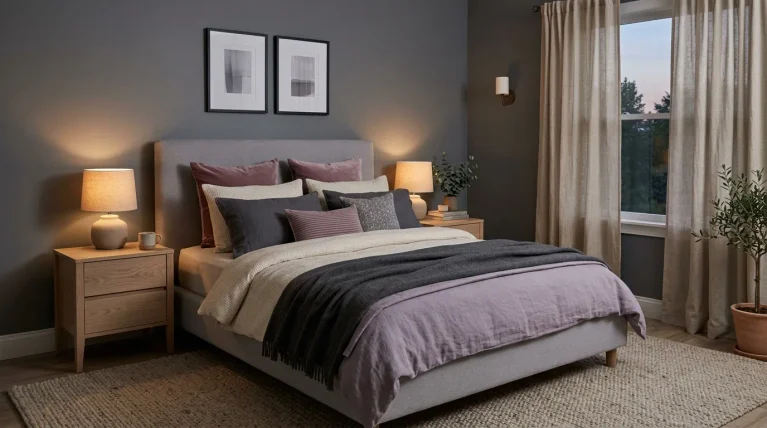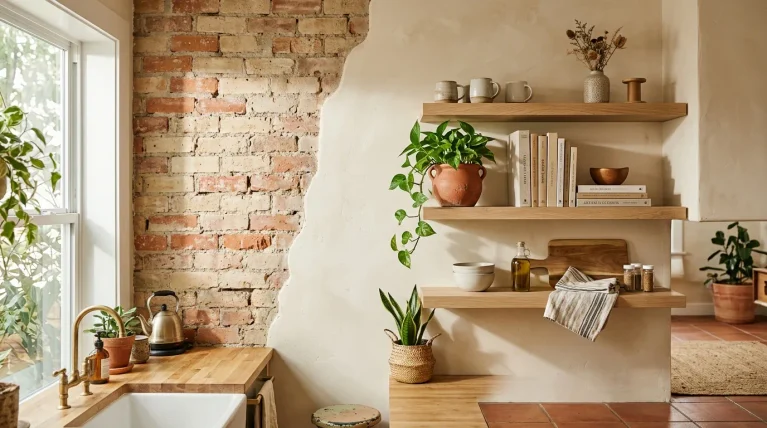
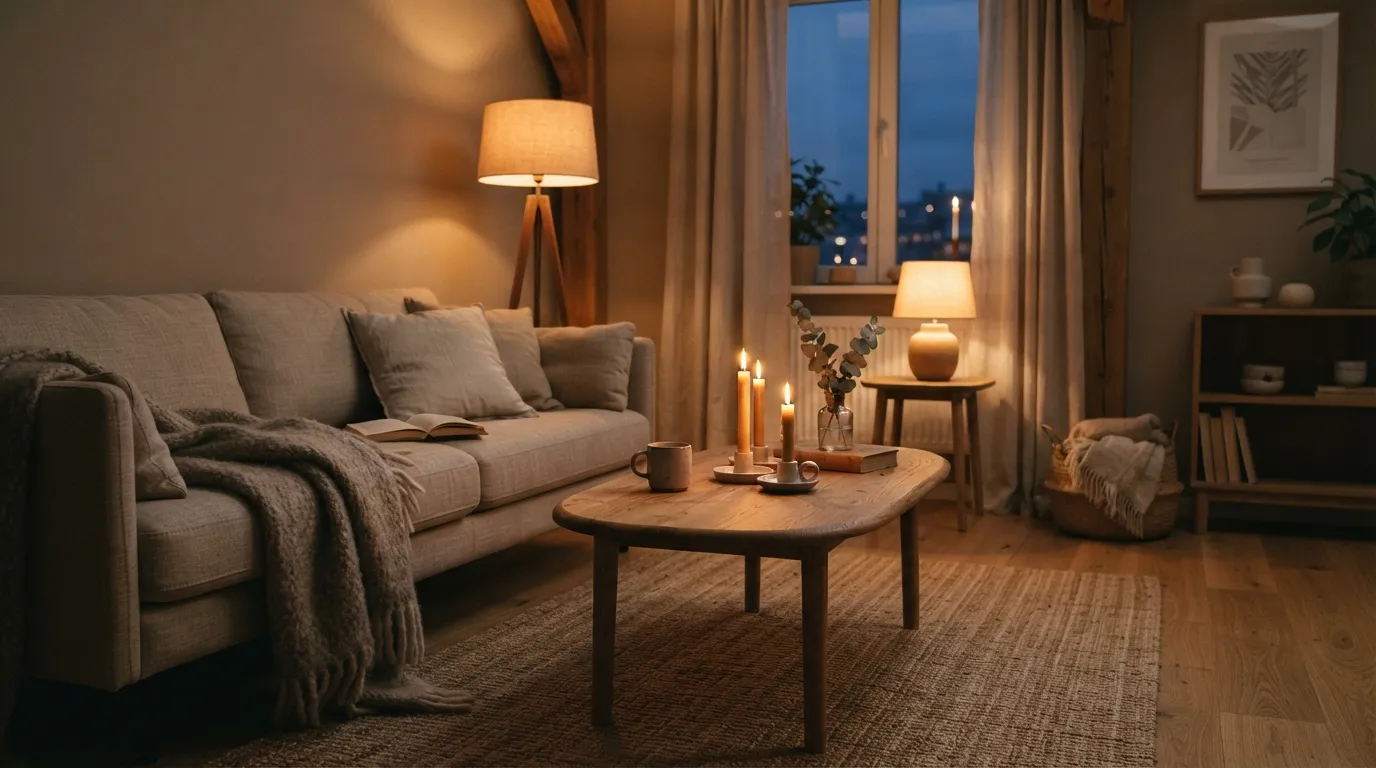
Ever walked into a room and instantly felt at home? That’s the quiet magic of Scandinavian design. If your living room feels a little flat, cold, or unfinished, you’re not alone, and you’re in the right place. A cozy scandinavian living room isn’t about spending a fortune or gutting your space completely. It’s about small, intentional choices, warm wood tones, soft textures, layered lighting, that add up to something that feels calm and inviting every single day. In my experience, the homes that feel the most welcoming aren’t the most expensive ones, they’re the ones styled with warmth and purpose. This guide walks you through 25 practical, beautiful ideas you can start using today, whether you’re working with a full room makeover or just a few small updates. Save this for later, because you’ll want to come back to it.
1. Layered Wool Textures
- Adds instant warmth without cluttering the space
- Mixing textures like wool, boucle, and linen creates visual depth
- Works well over neutral furniture to soften hard lines
- Easy, low-cost upgrade for renters too
- Great for transitional seasons when you want warmth without heaviness
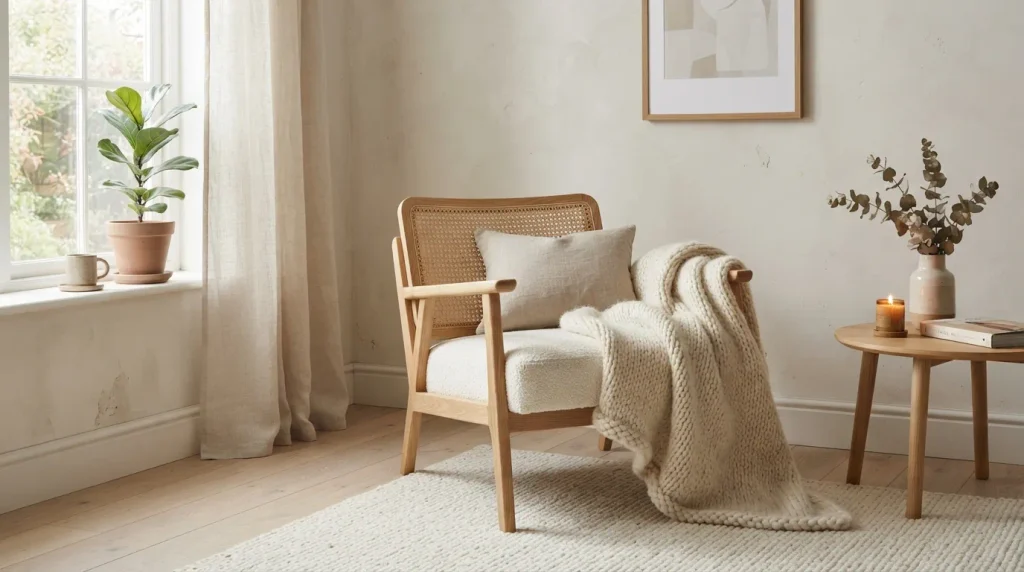
Nothing says cozy Scandinavian living room quite like layered wool textures draped across a simple chair or sofa. In my experience, texture does more visual work than color in Nordic-style spaces, since the palette stays so neutral. A chunky throw, a boucle cushion, and a low-pile rug together create depth that flat surfaces can’t achieve alone. This layering technique also makes a room feel lived-in and intentional rather than sparse or unfinished. Homeowners often assume warmth comes from color, but in Scandinavian design, it comes from touch. Adding two or three textures in similar tones keeps things calm while still feeling rich and inviting to sit in.
Small apartments benefit enormously from this idea because texture adds coziness without shrinking the visual space the way bold color or pattern often does. I’ve noticed that renters especially love this approach since throws, cushions, and rugs are removable and require no commitment to walls or furniture. Layering wool, cotton knits, and sheepskin in soft neutrals keeps the room feeling airy while still warm underfoot and to the touch. This works particularly well near a reading nook or window seat, where you want the space to invite lingering. A few well-chosen textiles can transform a plain corner into the coziest spot in the entire home.
Also Read : 24 Cozy Boho Living Room Ideas for a Warm Relaxed Space
2. Warm Wood Accents
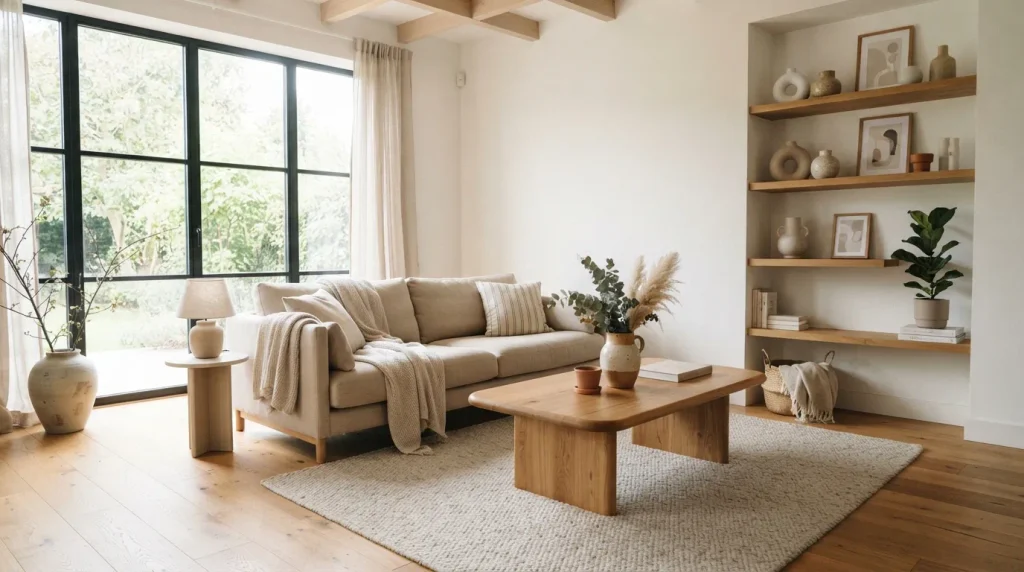
- Wood tones bring natural warmth into a mostly white palette
- Balances cool Scandinavian minimalism with earthy comfort
- Open shelving keeps the room functional and visually light
- Pairs beautifully with white or muted wall colors
- Helps avoid a cold, sterile feel common in all-white rooms
Warm wood accents are the backbone of nearly every cozy scandinavian living room, and for good reason. Pale oak, ash, or birch tones introduce natural warmth that stops an all-white space from feeling clinical or cold. That’s why many designers recommend anchoring a room with at least one large wood element, like a coffee table or media console, before adding smaller decor pieces. Wood also brings a grounding, organic quality that softens sharper architectural lines. Whether it’s flooring, furniture, or shelving, these tones create continuity throughout the space. The result is a home that feels calm, connected to nature, and effortlessly welcoming to everyone who walks in.
Beyond furniture, wood accents can appear in smaller, more affordable ways that still make a noticeable difference. Think wooden picture frames, a carved bowl on the coffee table, or slatted wall panels behind the sofa. I’ve seen this work well in many homes where budget was limited but warmth was still the goal. These small touches tie a room together without requiring a full furniture overhaul. Mixing slightly different wood tones is also acceptable in Scandinavian design, as long as undertones stay warm rather than clashing. This flexibility makes wood one of the easiest and most forgiving ways to build a cozy, inviting atmosphere.
Also Read : 21 Moody Dining Room Ideas for a Dramatic Cozy Space
3. Soft Neutral Palette
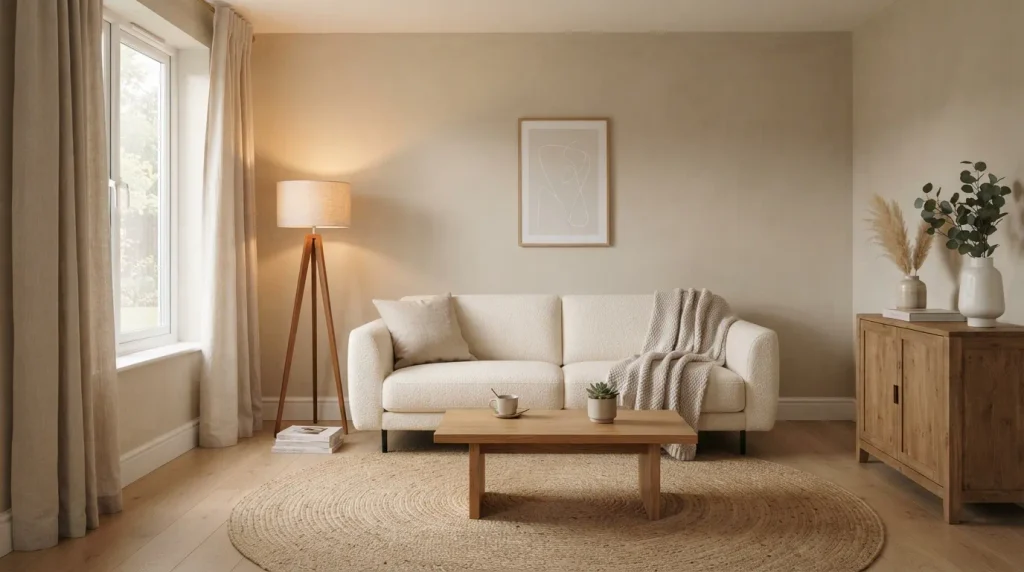
- Creates a peaceful, uncluttered visual foundation
- Neutral tones make small rooms feel larger and brighter
- Easy to accessorize without clashing colors
- Timeless look that won’t feel outdated quickly
- Helps other design elements, like wood and texture, stand out
A soft neutral palette forms the quiet foundation that makes every other design choice shine. Think oatmeal, warm white, sand, and soft greige rather than stark, cold white. In my experience, this palette works especially well in smaller homes because it visually expands the space while keeping things calm and uncluttered. Unlike bold color schemes that can feel overwhelming over time, neutrals age gracefully and rarely need updating. They also act as a blank canvas, allowing wood tones, textures, and greenery to become the real visual stars of the room. This restraint is exactly what gives Scandinavian interiors their signature sense of calm sophistication.
Choosing the right neutral isn’t just about picking white paint and calling it done. Undertones matter significantly, since a cool-toned white can make a room feel sterile, while a warm neutral instantly softens the atmosphere. I’ve tried several combinations in different lighting conditions, and rooms with strong natural light handle cooler neutrals better, while dimmer spaces need warmer undertones to avoid feeling flat. Layering two or three shades within the same neutral family, rather than one flat color, also adds subtle depth. This approach keeps the palette from feeling boring while still preserving that clean, restful quality Scandinavian design is known for.
Also Read : 22 Dorm Room Ideas for Guys to Create a Cool Space
4. Cozy Reading Nook
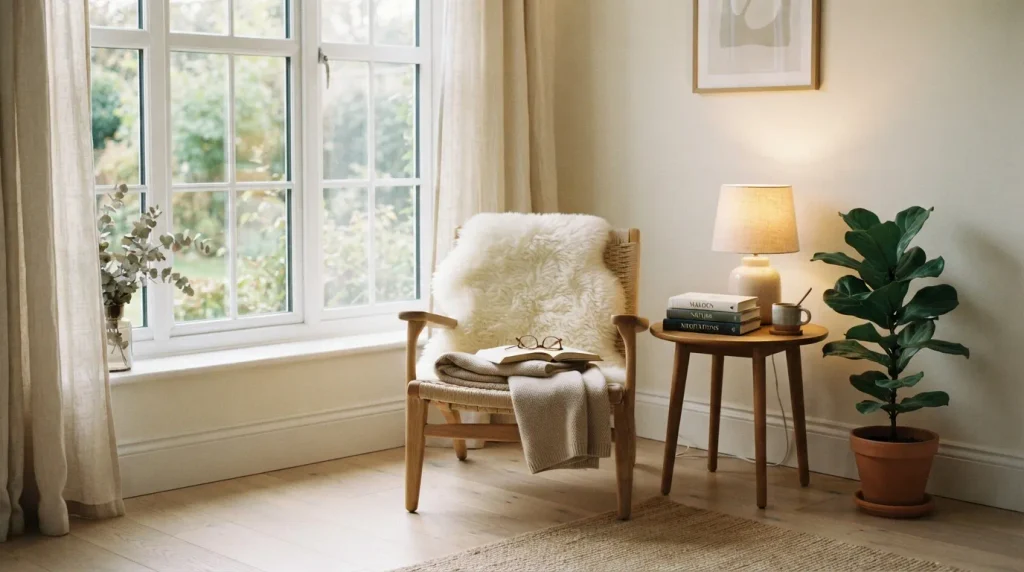
- Turns unused corners into a purposeful, inviting space
- Encourages slower, screen-free moments at home
- Works in even the smallest apartments or hallways
- A single chair and good lighting is all it takes
- Adds a personal, lived-in feel to the living room
Every cozy scandinavian living room deserves one spot designed purely for slowing down, and a reading nook does exactly that. In my experience, this idea works best tucked beside a window where natural light pours in during the day and a warm lamp takes over at night. You don’t need a large space, just one comfortable chair, a soft throw, and somewhere nearby to rest a book or cup of tea. This small, intentional corner often becomes the most-used part of the room. It signals that the home is designed for comfort and rest, not just for looking good in photos.
What makes a reading nook feel truly Scandinavian is restraint rather than excess. Skip the oversized recliner and choose a simple wood-framed chair with clean lines instead. I’ve noticed that adding a sheepskin throw or a knit cushion instantly boosts the coziness factor without cluttering the space visually. A small side table for books and a warm-toned lamp completes the setup without needing anything else. This idea also photographs beautifully for Pinterest, since the combination of natural light, texture, and simplicity creates that instantly recognizable hygge feeling readers are drawn to save and recreate in their own homes.
Also Read : 25 Jewel Tone Bedroom Ideas for a Rich Luxurious Look
5. Statement Area Rug
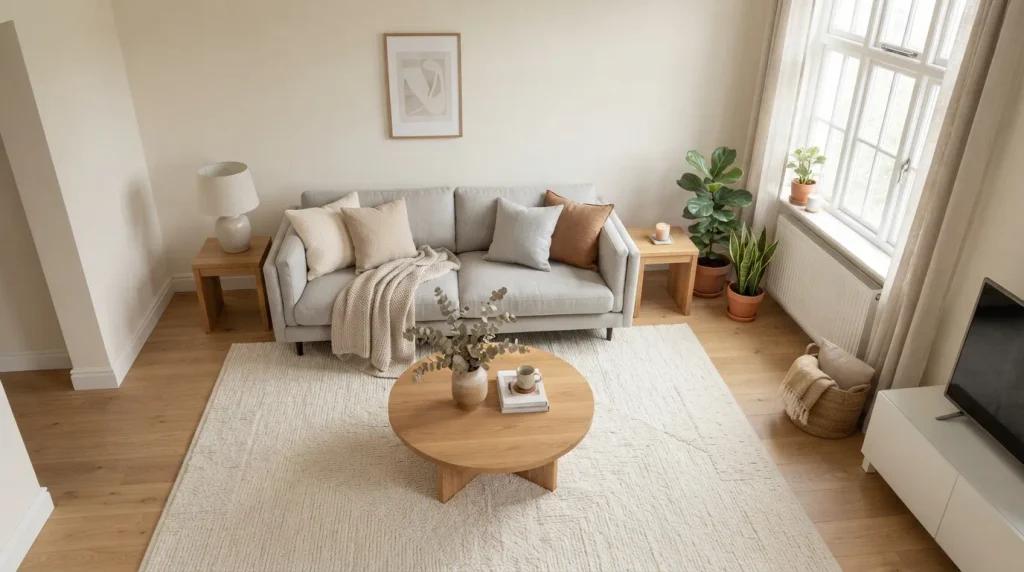
- Anchors the entire seating area visually
- Adds softness underfoot, especially over hardwood floors
- Helps define the living space in open-plan homes
- A larger rug size instantly makes rooms feel more finished
- Texture matters as much as color when choosing one
A statement area rug does more than protect flooring, it visually anchors the whole seating arrangement. That’s why many designers recommend sizing up rather than down, since a rug that’s too small can make even a well-furnished room feel disjointed and incomplete. Ideally, front furniture legs should rest on the rug to create a unified, grounded look. In open-plan homes especially, a rug helps separate the living area from the dining or kitchen zone without needing walls. Choosing a subtle texture like wool or a soft geometric weave adds interest while still keeping within the calm, neutral Scandinavian color story.
Color and texture matter just as much as size when selecting the right rug for this kind of space. Ivory, oatmeal, or soft gray tones with a slight woven texture tend to work best, since bold patterns can clash with the overall minimalist feel. I’ve seen this work well in many homes where a plain rug felt flat until a subtle textured weave was introduced instead. This small shift adds tactile interest without disrupting the calm palette. A good rug also softens footsteps and sound, making the entire room feel warmer, quieter, and noticeably more comfortable to spend time in daily.
Also Read : 21 Navy Blue Wallpaper iPhone Ideas for a Stylish Screen
6. Layered Ambient Lighting
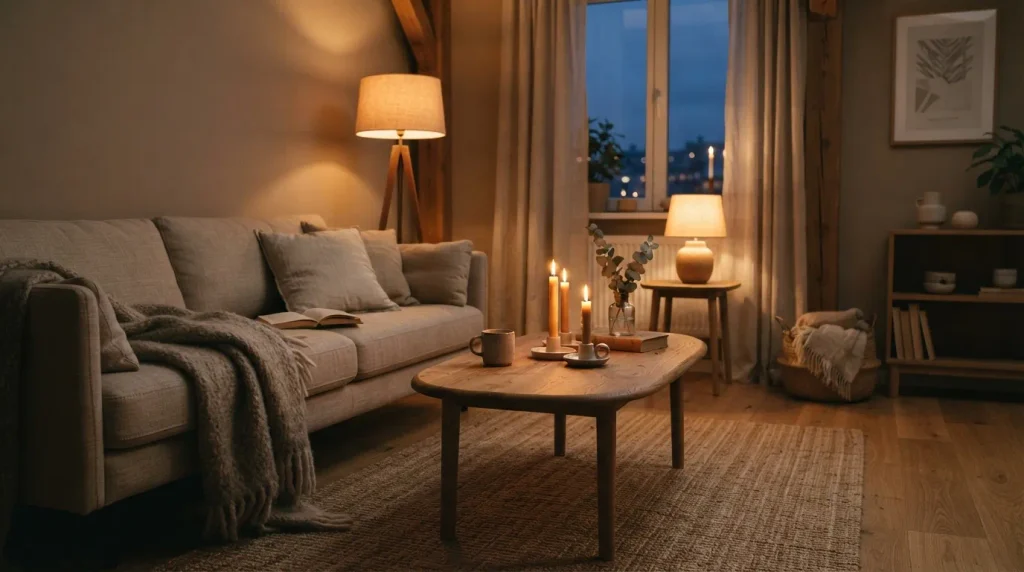
- Multiple light sources create warmth after sunset
- Avoids harsh overhead lighting that feels cold or clinical
- Candles and warm bulbs boost the hygge factor instantly
- Easy to adjust for different moods throughout the day
- Small change with a big visual and emotional impact
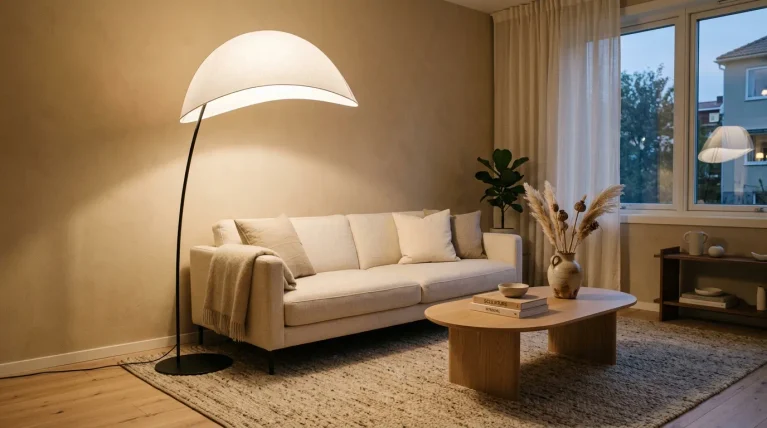
Lighting shapes the mood of a cozy scandinavian living room more than almost any other single element. Relying only on a bright overhead fixture tends to flatten the space and strip away warmth, no matter how well the furniture is chosen. Instead, layering a floor lamp, a table lamp, and a few candles creates soft pools of light throughout the room. This approach mimics natural evening light and instantly feels more relaxing than a single harsh source. I’ve noticed that even the same furniture and color palette can feel completely different once lighting is layered thoughtfully rather than left as an afterthought.
Warm-toned bulbs make a noticeable difference here, since cool white light often clashes with the soft neutrals common in Scandinavian interiors. Aim for bulbs around 2700K to 3000K for that gentle, golden glow associated with hygge-style spaces. Candles add an extra layer of warmth and are especially effective during darker winter months when natural daylight is limited. This lighting strategy costs very little to implement but transforms how the entire room feels in the evening. A well-lit corner with soft ambient glow often becomes the most photographed, saved, and shared detail in Pinterest-style Scandinavian living room posts.
Also Read : 23 Scandinavian Bedroom Ideas for a Cozy Minimalist Retreat
7. Minimalist Furniture Silhouettes
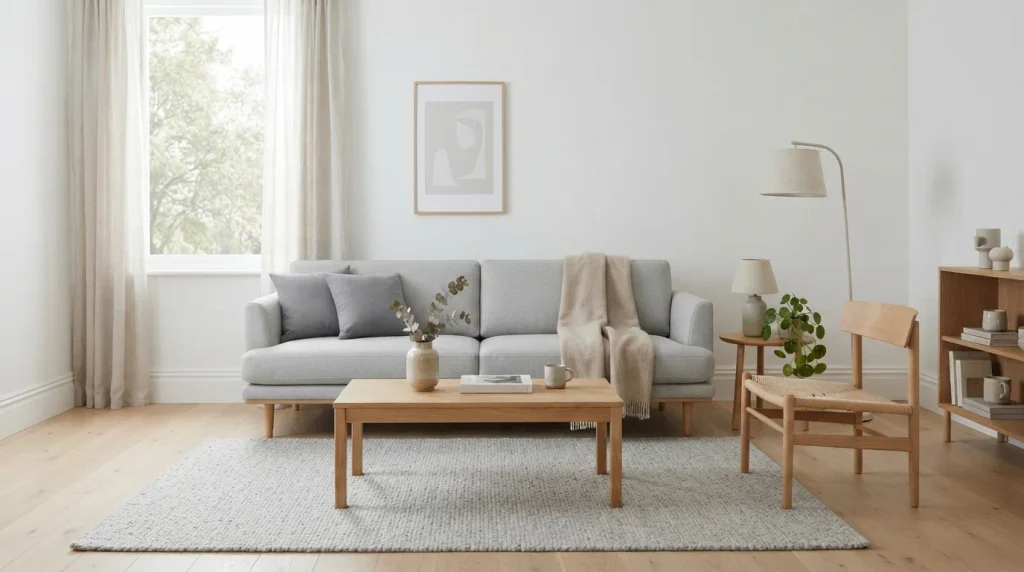
- Clean lines keep the room feeling open and calm
- Slim furniture legs create a lighter, airier visual effect
- Reduces visual clutter even in fully furnished rooms
- Functional shapes over decorative, ornate details
- Easier to style and rearrange over time
:
Minimalist furniture silhouettes are what give a cozy scandinavian living room its signature sense of ease and openness. Choosing pieces with slim wooden legs, low profiles, and simple rectangular or rounded shapes keeps the visual weight of the room light, even when the space is fully furnished. In my experience, swapping out one bulky, overly ornate piece for a cleaner silhouette can transform how an entire room feels without changing anything else. This isn’t about owning less furniture, it’s about choosing shapes that let the room breathe. Clean lines also make it far easier to layer in texture and warmth without the space feeling crowded or busy.
:
Function plays just as important a role as form when selecting furniture for this style. Scandinavian design has always prioritized pieces that work hard for everyday life, not just ones that look good in photos. A coffee table with hidden storage or a sofa with removable, washable covers fits naturally into this philosophy while still keeping clean lines intact. I’ve tried mixing slightly rounded and slightly angular pieces in the same room, and it works well as long as the overall palette and material choices stay consistent. This balance of simplicity and practicality is exactly what makes the style feel livable rather than staged.
8. Greenery and Botanicals
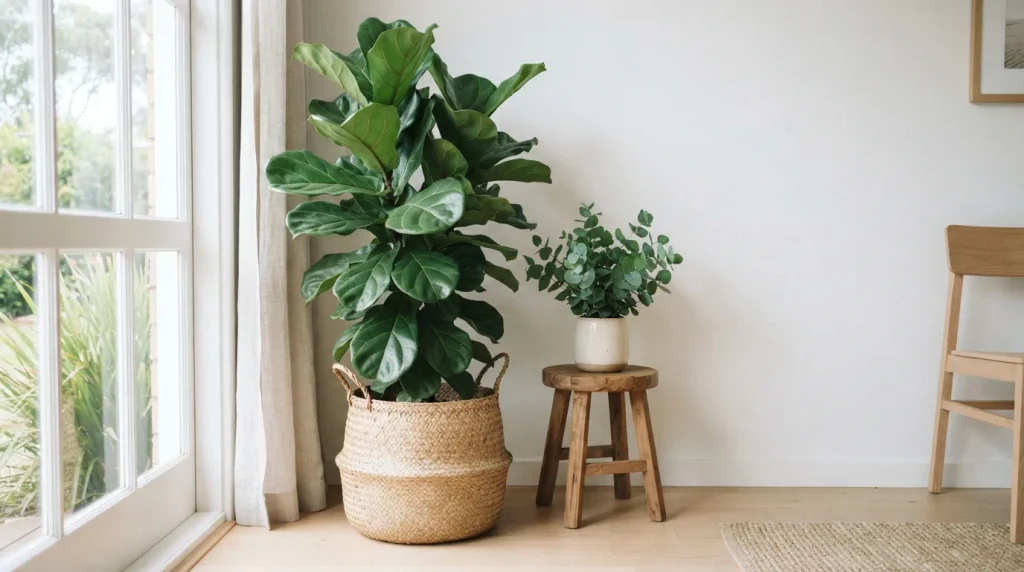
- Adds natural life and color without breaking the neutral palette
- Improves air quality while boosting visual softness
- Woven baskets and terracotta pots complement wood tones perfectly
- Easy, affordable way to refresh a room seasonally
- Brings an organic, grounded feel to minimalist spaces
:
Greenery and botanicals bring a living, breathing quality to a cozy scandinavian living room that furniture and decor alone simply can’t achieve. A tall fiddle leaf fig, a trailing pothos, or a small cluster of potted herbs introduces gentle color variation without disrupting the calm neutral palette this style relies on. That’s why many designers recommend at least one larger plant per seating area, paired with a smaller accent plant nearby for balance. Beyond aesthetics, plants soften hard architectural lines and fill empty corners that might otherwise feel unfinished. They also bring a subtle sense of freshness and life into a space that’s otherwise built around quiet, muted tones.
:
Choosing the right planter matters just as much as the plant itself when aiming for this specific look. Woven baskets, unglazed terracotta, and simple stone-toned pots all complement the natural materials already present in Scandinavian interiors far better than glossy or brightly colored options. I’ve noticed that even low-maintenance plants like snake plants or ZZ plants create the same visual warmth as more demanding varieties, making this idea accessible regardless of gardening experience. Grouping two or three plants of varying heights near a window also creates a natural, layered look that feels intentional rather than randomly placed throughout the room.
9. Woven Basket Storage
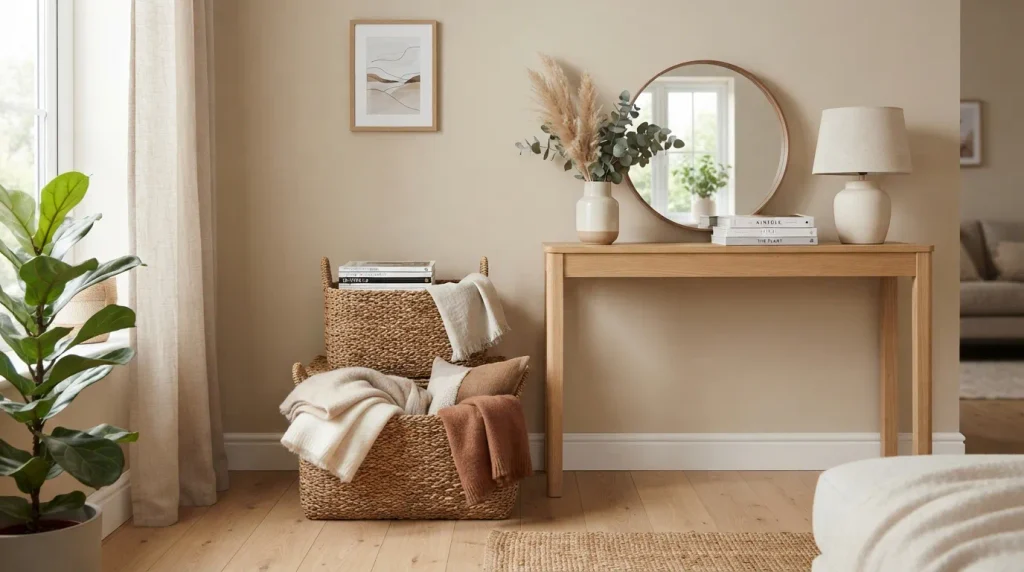
- Hides everyday clutter while adding natural texture
- Keeps blankets, toys, or magazines easily accessible
- Woven materials add warmth without extra color
- Doubles as decor and practical storage
- Perfect for small living rooms needing hidden organization
:
Woven basket storage solves one of the most common living room struggles, which is keeping everyday items accessible without letting them clutter the space visually. Blankets, magazines, remote controls, and even children’s toys can disappear into a stylish seagrass or rattan basket within seconds. In my experience, this small addition makes an enormous difference in how organized and calm a room feels day to day, especially in busy households. Unlike closed cabinets, open baskets keep frequently used items within easy reach while still looking intentional. This practical solution fits naturally into the relaxed, functional philosophy that defines Scandinavian-style living spaces so well.
:
Beyond function, woven baskets also contribute meaningfully to the room’s overall texture and warmth. Their natural fiber material pairs beautifully with wood furniture and soft neutral textiles already common in this design style. I’ve seen this work well in many homes where a plain corner needed just one more grounding element, and a simple basket filled that gap perfectly. Varying basket sizes, stacking two or three together, or tucking one beside a sofa all create subtle visual interest without added cost. It’s a small, budget-friendly upgrade that solves a real problem while still looking effortlessly curated and cozy.
10. Linen Curtain Panels
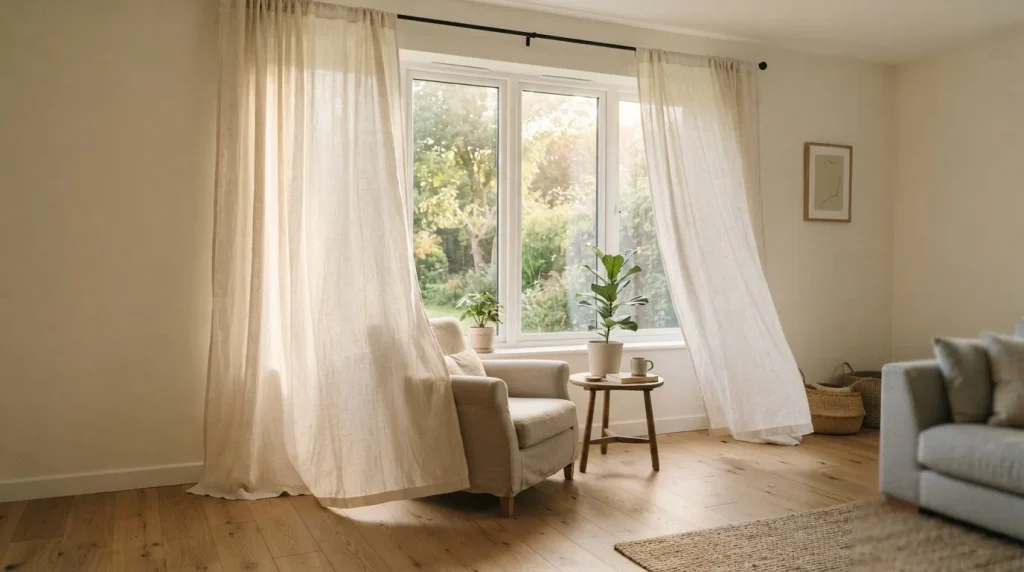
- Softens natural light without blocking it completely
- Adds gentle texture and movement to plain walls
- Floor-length panels make ceilings feel taller
- Neutral linen fits effortlessly into any color scheme
- Affordable upgrade with a noticeably high-end result
:
Linen curtain panels are a small detail that quietly elevates an entire cozy scandinavian living room. Unlike heavy, dark drapes, soft linen filters natural light into a warm, diffused glow rather than blocking it out completely. In my experience, hanging curtains closer to the ceiling rather than directly above the window frame makes rooms feel significantly taller, even in homes with standard ceiling heights. This simple trick costs nothing extra but changes how spacious a room feels almost instantly. Linen also has a naturally relaxed, slightly wrinkled texture that fits the effortless, unfussy character Scandinavian interiors are known for throughout every season.
:
Choosing the right shade of linen matters more than people often expect. Off-white, oatmeal, or soft gray tones blend seamlessly with neutral walls, while stark white can sometimes feel too cold or clinical against warmer wood furniture. I’ve tried both extremes in similar-sized rooms, and warmer linen tones consistently created a cozier, more welcoming result. Floor-length panels, slightly puddling or just skimming the floor, also add a soft, lived-in elegance that shorter curtains can’t replicate. This detail may seem minor, but it’s often the finishing touch that makes a room feel fully considered rather than incomplete.
11. Ceramic and Stoneware Accents
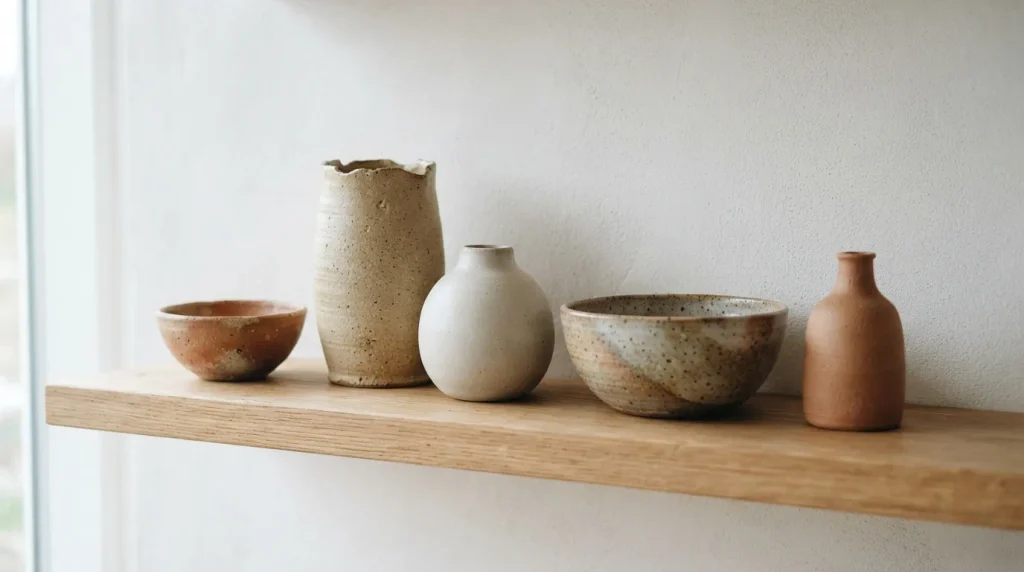
- Adds handmade, artisanal warmth to open shelving
- Muted tones keep accents from overpowering the space
- Small pieces make a big styling impact
- Great way to display personality without clutter
- Works beautifully alongside plants and books
:
Ceramic and stoneware accents bring a handmade, artisanal quality to a cozy scandinavian living room that mass-produced decor rarely achieves. A single unglazed vase or a small stoneware bowl placed on a shelf or coffee table adds personality without overwhelming the room’s carefully balanced simplicity. That’s why many designers recommend choosing a few meaningful pieces rather than filling every surface with decor. These objects often carry visible texture, like matte glazes or slightly imperfect shapes, which adds warmth and authenticity. This idea works especially well for readers who want their space to feel curated and personal rather than like it came straight from a showroom floor.
:
Styling these pieces well comes down to restraint and grouping rather than quantity. Placing three items of varying heights together, such as a vase, a small bowl, and a stack of books, creates a natural, balanced vignette. I’ve noticed that leaving intentional empty space around these groupings actually makes them stand out more than crowding a shelf ever could. Muted, earthy glazes in beige, sand, or soft terracotta tones blend seamlessly with the rest of the neutral palette. This small styling habit is one of the easiest ways to make open shelving feel finished, thoughtful, and genuinely lived-in.
12. Wall-Mounted Wood Shelving
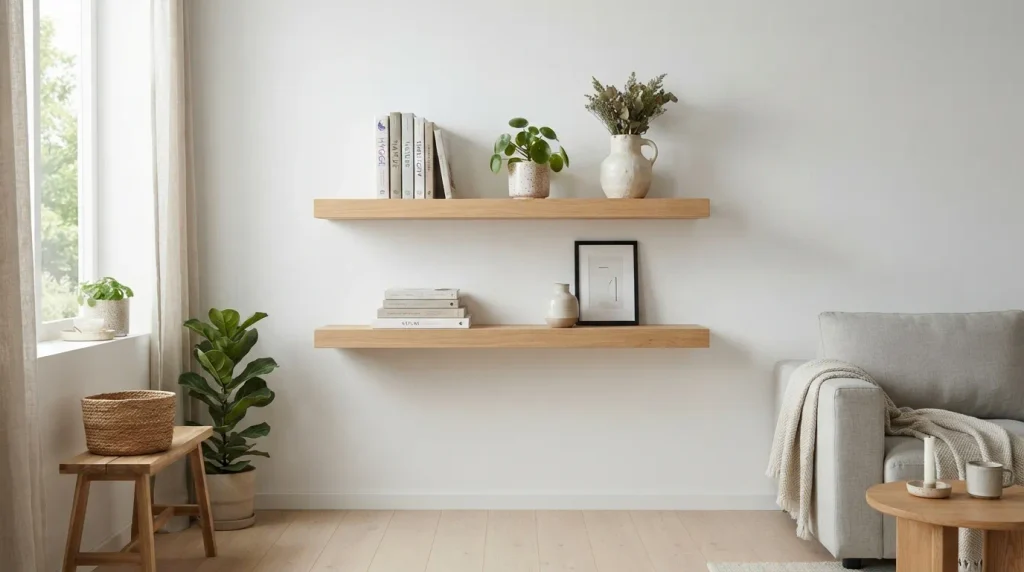
- Adds storage without taking up floor space
- Keeps decor organized and visually breathable
- Floating design maintains an open, airy feel
- Great for displaying books, plants, or personal items
- Works well in small apartments or narrow rooms
:
Wall-mounted wood shelving is one of the most practical ideas for anyone working with a smaller cozy scandinavian living room. Floating shelves free up valuable floor space while still offering a place to display books, plants, and small decorative objects. In my experience, keeping shelves lightly styled, with visible gaps rather than fully packed rows, is what gives this look its signature airy, uncluttered feel. Light oak or ash wood tones blend naturally into white or neutral walls, creating a soft contrast rather than a harsh one. This idea is especially useful for renters, since most floating shelves can be installed and removed without major wall damage.
:
The way items are arranged on these shelves matters just as much as the shelving itself. Mixing vertical books with horizontal stacks, then adding a single plant or small object, creates natural visual rhythm instead of a flat, uniform line. I’ve seen this work well in many homes where shelves initially felt cluttered until items were regrouped with more breathing room between them. Keeping the color palette limited to two or three tones across all displayed items also helps maintain that calm, cohesive Scandinavian look. This small adjustment turns simple storage into an intentional, styled focal point on an otherwise plain wall.
13. Cozy Throw Pillow Mix
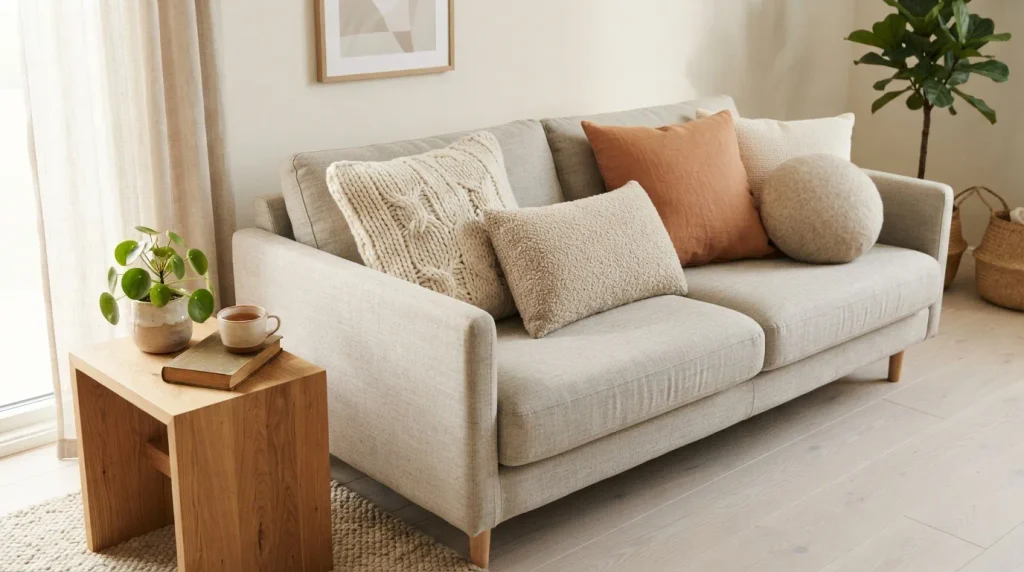
- Instantly upgrades a plain sofa without buying new furniture
- Mixing textures adds depth even within one color family
- Odd numbers of pillows create a more natural look
- Seasonal swaps keep the space feeling fresh
- Small budget item with a noticeably big visual effect
:
A cozy throw pillow mix is one of the fastest, most affordable ways to refresh a cozy scandinavian living room without any major changes. Combining textures like knit, boucle, and linen within a soft neutral palette adds depth and tactile interest to even the plainest sofa. In my experience, three or five pillows in varying sizes almost always looks more balanced than an even, symmetrical number. A single muted accent tone, like soft rust or sage, can be introduced here without disrupting the overall calm color story. This idea is perfect for renters or anyone wanting a quick seasonal refresh without committing to new furniture or paint.
:
Texture should guide pillow selection more than pattern in this particular design style. Solid or subtly textured pillows blend far more naturally into a Scandinavian space than bold prints, which can feel visually busy against an otherwise minimalist backdrop. I’ve tried layering a chunky knit pillow with a smoother linen one, and the contrast in texture alone creates enough visual interest without needing extra color or pattern. Swapping covers seasonally, heavier knits in winter and lighter linen in summer, keeps the space feeling current and considered year-round. This low-cost styling habit consistently delivers one of the highest visual returns for the smallest effort.
14. Natural Stone Coffee Table
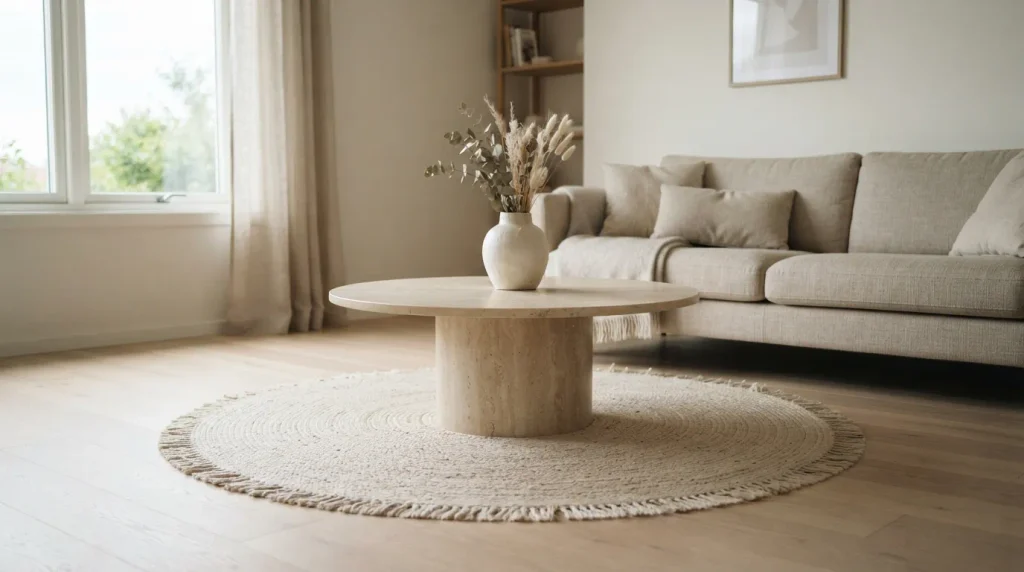
- Adds an elegant, grounded focal point to the room
- Natural stone brings texture without extra color
- Pairs beautifully with wood and soft linen textures
- Durable and easy to style minimally
- Elevates the space with a subtle luxury feel
:
A natural stone coffee table introduces a quiet sense of elegance to a cozy scandinavian living room without ever feeling flashy or overdone. Materials like honed marble, travertine, or limestone bring subtle texture and variation that flat wood or glass surfaces simply can’t offer. That’s why many designers recommend this piece as a focal upgrade for readers looking to elevate their space without adding more color or pattern. Its rounded shape also softens the room’s overall geometry, especially when paired with angular sofas or shelving. Even a smaller stone side table can achieve this same grounded, elevated effect in tighter living spaces.
:
Styling a stone coffee table works best when kept minimal, letting the material itself remain the visual focus. A single ceramic vase, a small stack of books, or nothing at all allows the natural veining and texture of the stone to stand out fully. I’ve noticed that overly styled stone tables often lose the very quality that made them special in the first place. Pairing stone with warm wood legs or a nearby jute rug also balances its coolness with organic warmth. This combination of materials creates the kind of layered, tactile richness Scandinavian interiors are especially known for.
15. Soft Corner Bench Seating
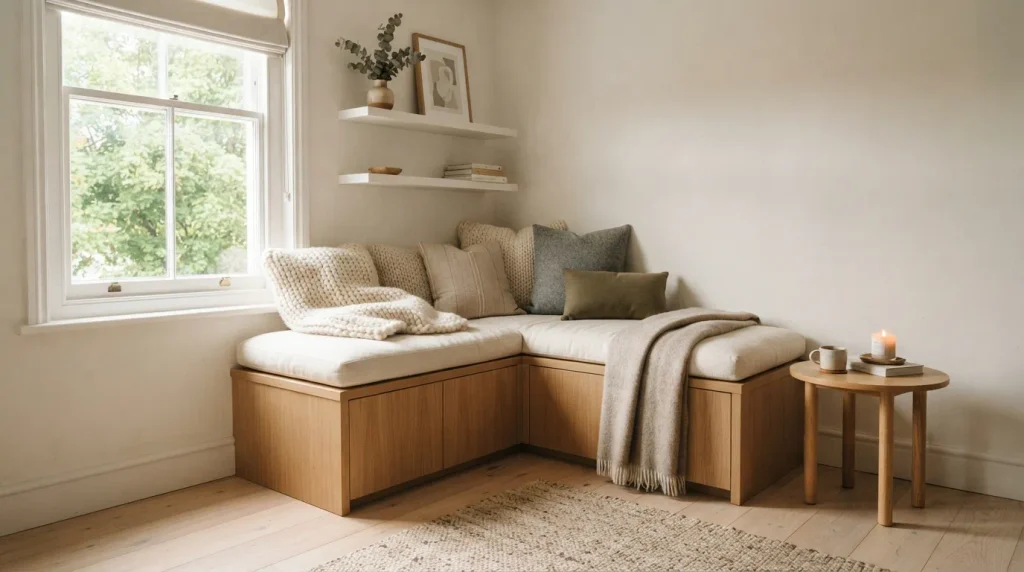
- Maximizes seating without overcrowding the room
- Corner placement makes use of often-wasted space
- Cushioned seating adds an extra layer of comfort
- Great for gathering spots in family living rooms
- Combines function and coziness in one design feature
:
Soft corner bench seating solves the common challenge of adding extra seating without making a cozy scandinavian living room feel crowded or overstuffed. Built into an unused corner, a simple wood-framed bench with a cushioned top offers a comfortable spot for reading, chatting, or relaxing that a bulky armchair might not fit. In my experience, this idea works especially well in family homes, where extra seating is constantly needed but floor space is limited. Layering the bench with soft cushions and a knit throw instantly ties it into the room’s overall cozy, textured aesthetic. It’s a practical solution that never sacrifices style for function.
:
What makes corner seating feel intentional rather than makeshift is careful attention to cushioning and color coordination. A thick cream or oatmeal cushion paired with two or three coordinating throw pillows creates a cohesive, inviting look rather than a random addition. I’ve seen this work well in many homes where an awkward, unused corner became the most requested seat in the entire room. Adding a small side table nearby for drinks or books completes the setup without requiring extra floor space elsewhere. This idea proves that even the most overlooked corners can become genuinely comfortable, well-used parts of the home.
16. Textured Accent Wall
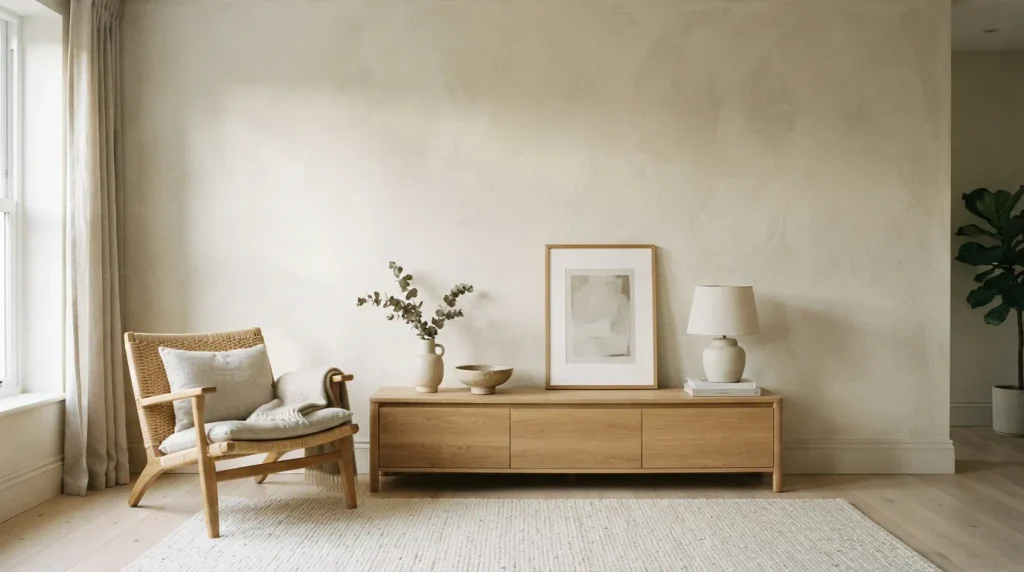
- Adds depth and interest without using bold color
- Textured plaster catches natural light beautifully
- Creates a focal point without cluttering the room
- Works well behind a sofa or media unit
- A subtle way to add character to plain walls
:
A textured accent wall gives a cozy scandinavian living room a sense of depth that flat paint simply cannot achieve on its own. Lime-wash plaster, microcement, or even a subtle textured wallpaper in warm off-white tones catches natural light differently throughout the day, creating soft shadows and visual movement. In my experience, this idea works best when applied to just one wall, usually behind the sofa, so it becomes a gentle focal point rather than an overwhelming feature. Unlike bold paint colors, textured neutral finishes age well and rarely feel dated. This makes it a longer-term investment that still delivers strong visual impact from day one.
:
This idea also pairs beautifully with the minimal furniture and soft lighting already common in Scandinavian interiors. A plain wood console or sofa placed against a textured wall allows the wall itself to add interest, meaning other decor can stay simple and understated. I’ve tried this in rooms with both strong and limited natural light, and the texture reads well in either case, though warm ambient lighting in the evening enhances the shadow effect noticeably. This finishing touch often surprises people with how much personality it adds to a room, all while staying firmly within a calm, neutral color palette.
17. Functional Media Console
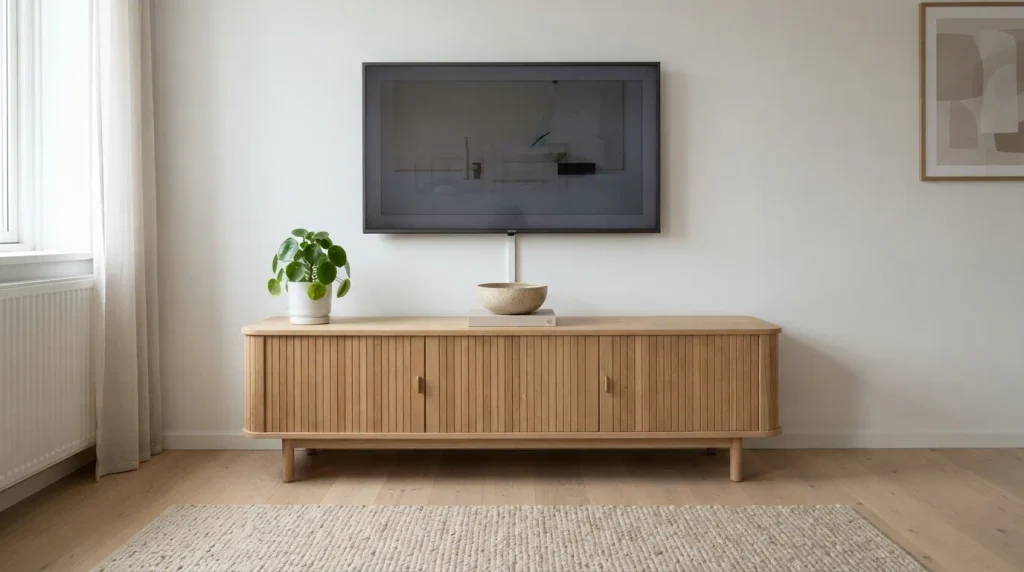
- Keeps electronics and cables neatly hidden
- Slatted wood doors add texture while staying functional
- Low height keeps the room feeling open and airy
- Doubles as extra storage for media or books
- Balances practicality with clean visual design
:
A functional media console solves one of the trickiest parts of styling a cozy scandinavian living room, which is keeping technology from disrupting the calm, curated look. A low console with slatted wood doors hides cables, gaming consoles, and remotes while still adding natural texture to the room. That’s why many designers recommend choosing furniture with closed storage in main living spaces, since visible clutter quickly undermines an otherwise peaceful design. Keeping the console low in height also helps maintain sightlines across the room, especially in open-plan layouts where visual flow between spaces matters just as much as individual furniture pieces.
:
Styling the top of the console works best with the same restraint used throughout the rest of the room. A single plant, a small ceramic bowl, or nothing at all keeps the surface from feeling cluttered or competing visually with the television above it. I’ve noticed that homeowners often overload media consoles with decor, which unintentionally recreates the very clutter the closed storage was meant to solve. Light wood tones with visible grain also help this functional piece feel like an intentional design choice rather than a purely practical afterthought, tying it seamlessly into the room’s broader material palette.
18. Warm Metal Fixtures
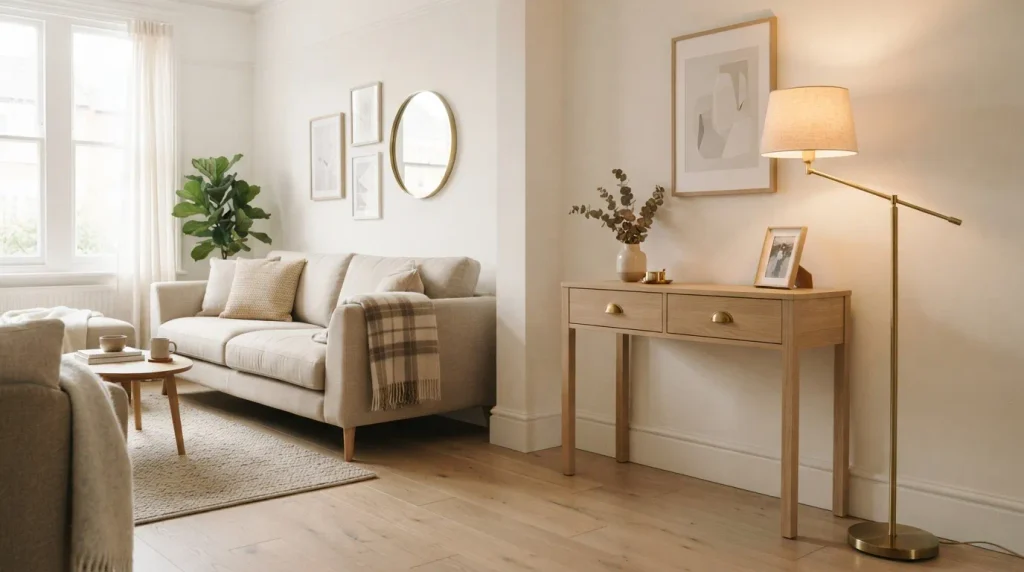
- Adds subtle shine without feeling overly glamorous
- Brushed or matte finishes fit better than glossy chrome
- Small details like handles or lamp bases make a difference
- Warms up an otherwise all-neutral, matte-heavy palette
- Ties different furniture pieces together visually
:
Warm metal fixtures add a quiet touch of refinement to a cozy scandinavian living room without ever feeling loud or overly decorative. Brushed brass, aged gold, or matte bronze finishes on lamp bases, drawer pulls, or curtain rods introduce subtle shine that balances the room’s otherwise matte, textured materials. In my experience, choosing warm metals over cool chrome or silver tones makes a noticeable difference in how inviting the space feels overall. These small details are easy to overlook while shopping but often become the finishing touch that makes a room feel fully considered rather than left at eighty percent complete.
:
Consistency across metal finishes throughout the room matters more than people initially expect. Mixing warm brass with cool chrome in the same space can create a visually jarring effect, even if each individual piece looks great on its own. I’ve seen this work well in many homes where simply swapping mismatched hardware to a single warm metal tone instantly made the room feel more cohesive and intentional. This doesn’t require replacing furniture, just small updates like lamp bases, hooks, or handles. It’s a low-cost, high-impact detail that ties the entire room together at a level most guests notice without quite knowing why.
19. Symmetrical Furniture Layout
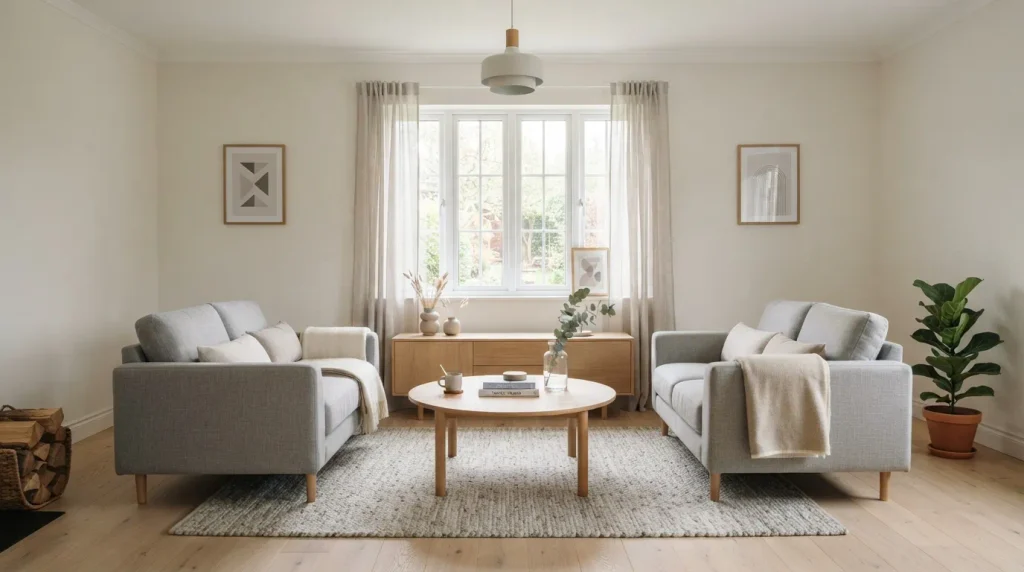
- Creates a sense of balance and visual calm
- Encourages face-to-face conversation and connection
- Works especially well in smaller, boxier rooms
- Matching furniture pieces simplify decor decisions
- Gives even a plain room a polished, intentional feel
:
A symmetrical furniture layout brings an instant sense of order to a cozy scandinavian living room, especially in smaller or more compact spaces. Positioning two matching chairs or sofas facing one another, centered around a coffee table, creates visual balance that feels calm rather than rigid. In my experience, this arrangement also naturally encourages better conversation, since seating faces inward rather than being lined up against walls. Symmetry doesn’t mean every single object must match exactly, but anchoring the main seating pieces this way gives the whole room a grounded, intentional structure that’s easy to build the rest of the styling around.
:
This layout also simplifies decorating decisions considerably, since matching pieces automatically balance each other without much extra thought. A pair of identical armchairs paired with a single central table removes the guesswork that often comes with mismatched furniture arrangements. I’ve tried this approach in both large and small rooms, and it consistently reads as more polished, even when the individual pieces themselves are simple or budget-friendly. Adding a floor lamp or plant at one end can slightly offset the symmetry to keep the room from feeling too formal, striking that relaxed-yet-considered balance Scandinavian interiors are known for.
20. Handwoven Wall Hanging
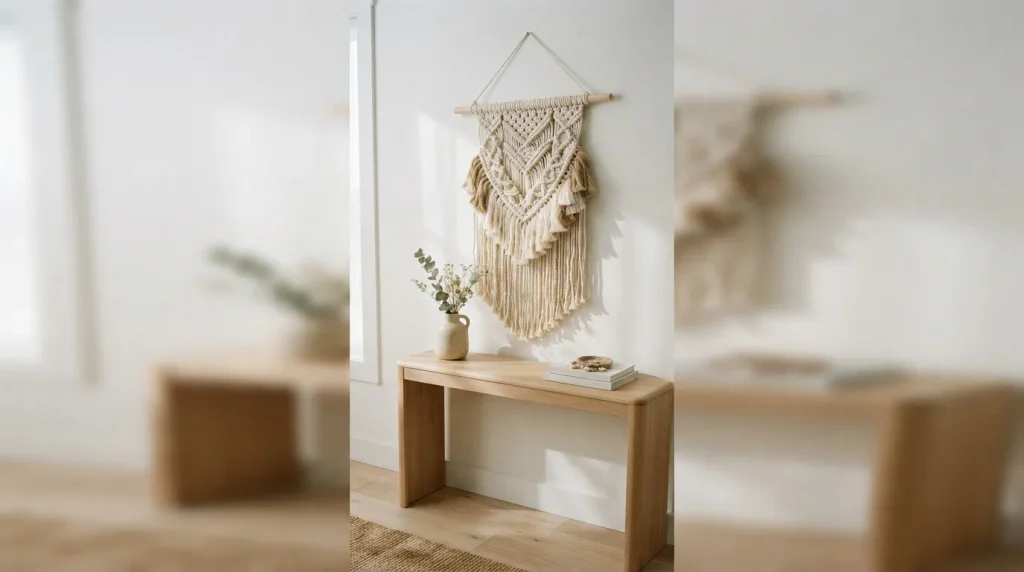
- Adds texture and personality to empty wall space
- Softens the room without using traditional artwork
- Handmade pieces bring warmth and authenticity
- Works well above consoles, sofas, or shelving
- A unique alternative to framed prints or paintings
:
A handwoven wall hanging offers a soft, textured alternative to traditional framed artwork in a cozy scandinavian living room. Made from natural fibers like cotton or jute, these pieces add gentle movement and dimension to plain walls without introducing bold color or pattern. That’s why many designers recommend this idea for readers who want personality on their walls without disrupting the room’s calm, neutral tone. The fringed or knotted texture catches natural light beautifully throughout the day, creating subtle shadow play that flat artwork simply can’t replicate. It’s a small detail with a surprisingly large visual and emotional impact.
:
Placement matters significantly when styling this kind of piece well. Hanging it slightly above a console table or sofa, rather than centered too high on the wall, keeps the scale proportional and grounded within the room. I’ve noticed that pairing a wall hanging with one or two smaller decor items below, like a vase or small plant, creates a natural, layered vignette rather than an isolated object floating on an empty wall. This idea also works particularly well for renters, since it requires minimal wall damage and can be easily swapped or repositioned as styling preferences change over time.
21. Warm Wooden Flooring
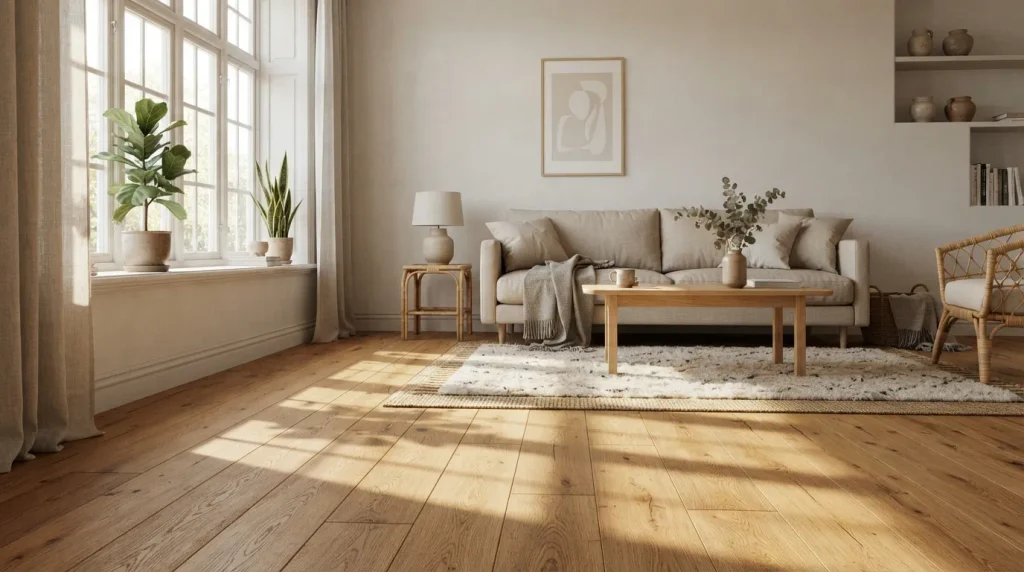
- Sets the tone for the entire room’s warmth
- Wide planks make smaller rooms feel more spacious
- Pairs naturally with nearly every neutral color scheme
- A long-term investment that rarely goes out of style
- Enhances how natural and artificial light reflect in the room
:
Warm wooden flooring often gets overlooked in design conversations, yet it plays one of the biggest roles in shaping how cozy a scandinavian living room ultimately feels. Honey or golden oak tones reflect natural light beautifully, adding warmth even on overcast days when direct sunlight is limited. In my experience, wide-plank flooring in particular makes smaller rooms feel noticeably more spacious, since fewer visible seams create a cleaner, more continuous look underfoot. While flooring is a bigger investment than most other ideas on this list, its long-term impact on the room’s overall warmth and character is difficult to replicate with smaller decor changes alone.
:
For those unable to replace flooring entirely, layering warm-toned rugs over existing floors can achieve a similar visual effect at a fraction of the cost. I’ve tried this solution in rented spaces with cooler-toned flooring, and a large wool or jute rug in warm neutrals softened the overall look significantly. Wood flooring also acts as a unifying base that ties together furniture, rugs, and wall tones throughout the room. Its natural grain and warmth provide the perfect grounding element beneath all the other cozy, textural details layered on top throughout the rest of the space.
22. Sculptural Table Lamp
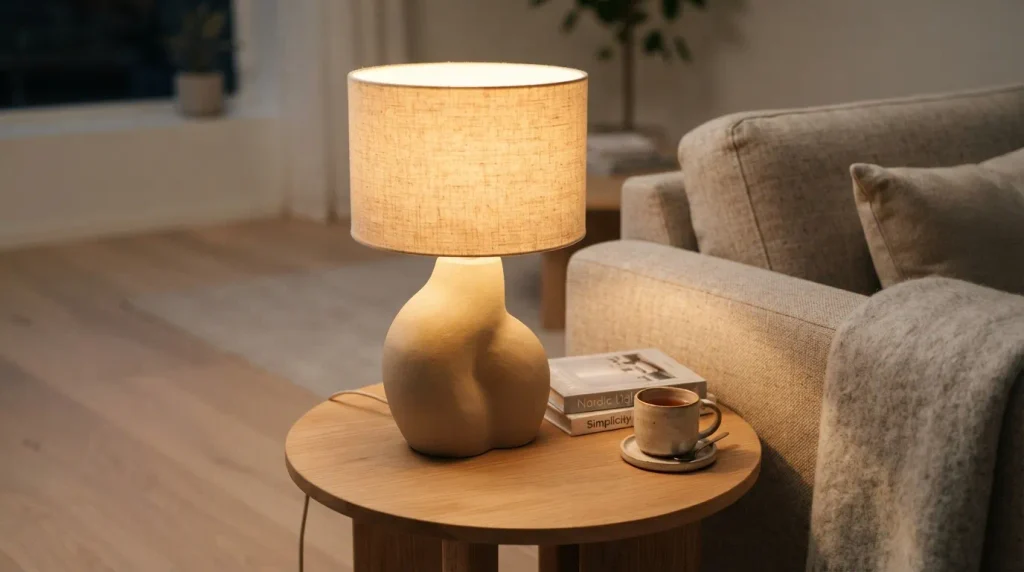
- Doubles as functional lighting and standalone decor
- Curved, organic shapes soften the room’s straight lines
- Warm glow adds instant coziness after dark
- A statement piece that doesn’t require extra styling
- Elevates a plain side table with minimal effort
:
A sculptural table lamp brings both function and artistry to a cozy scandinavian living room in a single, effortless piece. Its curved ceramic or organic-shaped base softens the straighter lines found in most furniture, creating a gentle visual contrast that feels intentional rather than accidental. In my experience, this kind of lamp works especially well on a side table beside a sofa or reading chair, where its warm glow becomes part of the evening ambiance rather than just a source of light. Unlike purely decorative objects, a well-chosen lamp earns its place by serving a clear function while still elevating the room’s overall aesthetic.
:
Choosing the right shade material and light temperature makes a real difference in how this piece performs visually. A fabric or linen shade diffuses light more softly than glass or metal, creating that warm, glowing quality associated with hygge-style evenings at home. I’ve noticed that a single well-placed sculptural lamp often draws more compliments than an entire shelf of smaller decor items combined. Its organic shape also means it rarely needs additional styling nearby, since the lamp itself becomes the visual focal point. This makes it one of the simplest ways to add both warmth and artistic character to a side table.
23. Soft Window Seat Nook
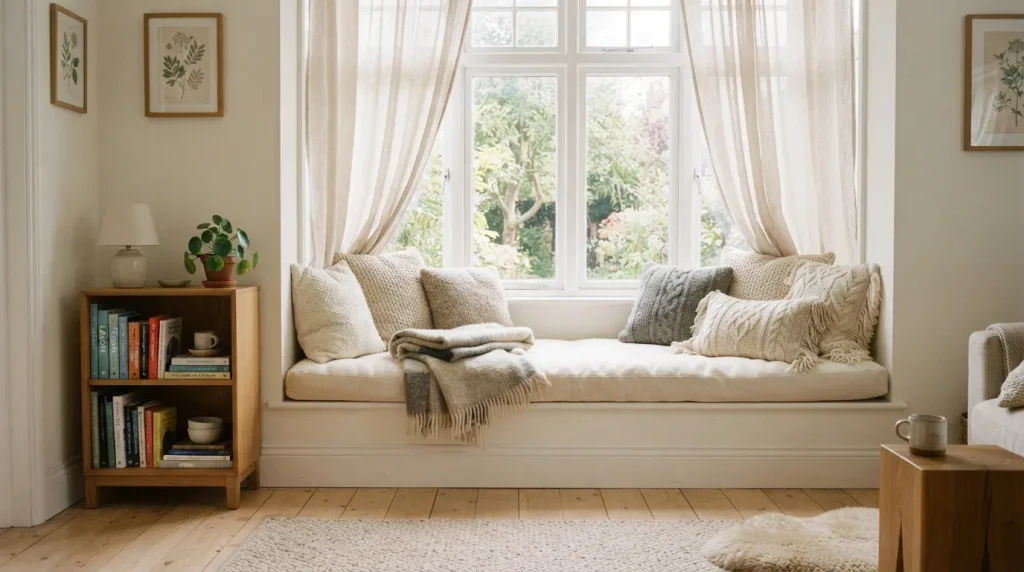
- Turns unused window space into a cozy retreat
- Natural light makes it a favorite daytime spot
- Cushioned seating adds comfort without bulky furniture
- Great for reading, working, or simply relaxing
- Maximizes both function and charm in one feature
:
A soft window seat nook transforms an often-overlooked architectural feature into one of the coziest spots in the entire cozy scandinavian living room. Built beneath a window with a cushioned top and a few layered pillows, this nook takes advantage of natural light throughout the day while adding a charming, functional element to the space. In my experience, even a narrow window ledge can be converted into a usable seat with the right cushion and support, making this idea accessible in homes of nearly any size. It’s a feature that feels both architecturally intentional and warmly inviting at the same time.
:
Comfort should be prioritized just as much as appearance when creating this kind of nook. A thick cushion, ideally with a removable cover for easy cleaning, paired with two or three coordinating throw pillows makes the space genuinely usable rather than purely decorative. I’ve seen this work well in many homes where a previously wasted window area became a favorite spot for morning coffee or afternoon reading. Adding a small nearby shelf for books or a plant completes the look without requiring additional floor space. This idea consistently ranks among the most saved and recreated Scandinavian styling details online.
24. Matte Black Details
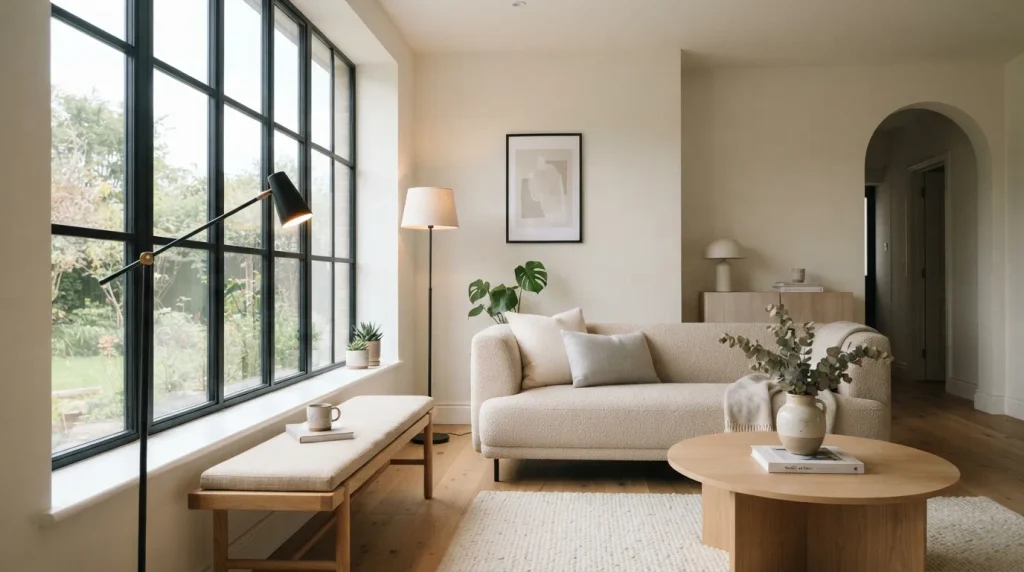
- Adds subtle contrast without disrupting the neutral palette
- Matte finishes feel more grounded than glossy black
- Small doses of black create definition and structure
- Works well on window frames, lamps, or hardware
- Prevents an all-neutral room from feeling flat
:
Matte black details introduce just enough contrast to keep a cozy scandinavian living room from feeling flat or one-dimensional. Used sparingly on window frames, a slim floor lamp, or door hardware, this dark accent creates definition against the room’s otherwise soft, neutral backdrop. That’s why many designers recommend limiting black to two or three touchpoints rather than scattering it throughout the space, since restraint keeps the contrast feeling intentional instead of jarring. This small design choice adds a grounded, slightly modern edge to what might otherwise feel like an entirely soft, textureless room, giving the eye somewhere structured to rest.
:
Matte finishes work significantly better than glossy black in this context, since shine tends to feel out of place against the muted, tactile materials common in Scandinavian interiors. I’ve tried both finishes in similar rooms, and matte black consistently blended more naturally with wood tones and soft textiles than its glossy counterpart. A single black-framed window, paired with one matching lamp or picture frame elsewhere in the room, is often enough to create this effect without overpowering the space. This subtle styling trick proves that even minimal, careful use of a bold tone can meaningfully elevate an otherwise entirely neutral color palette.
25. Cozy Fireplace Corner
- Creates a natural, warm focal point for the room
- Firelight adds instant ambiance during colder months
- Pairs beautifully with soft textures and wood tones
- Encourages gathering and slower, screen-free evenings
- Even a small stove or electric option works well
:
A cozy fireplace corner brings a natural focal point to a cozy scandinavian living room that few other design features can match. Whether it’s a traditional wood-burning stove, a small gas insert, or even a realistic electric option, the warm flicker of firelight instantly deepens the room’s sense of comfort, especially during colder months. In my experience, positioning seating slightly angled toward the fireplace, rather than directly opposite, creates a more relaxed, natural gathering spot than a strictly formal arrangement. This feature often becomes the heart of the home, drawing people away from screens and into slower, more connected evenings together.
:
Styling around a fireplace works best when kept simple, allowing the fire itself to remain the visual and emotional center of the space. A wood log basket, a soft knit throw draped nearby, and minimal decor on the mantel keep the area feeling calm rather than overly staged. I’ve noticed that even homes without a real fireplace can recreate this cozy effect using a compact electric version or a cluster of candles in a similar corner. This idea ties together nearly every other element on this list, texture, warm lighting, wood tones, and natural materials, into one final, deeply inviting focal point.
Conclusion:
Creating a cozy scandinavian living room really comes down to layering small, thoughtful details, warm wood, soft textures, gentle lighting, and letting simplicity do the heavy lifting. I’ve seen how small changes like these can completely transform a space, often faster than people expect. You don’t need to try all 25 ideas at once. Pick one or two that speak to you, whether it’s a new throw pillow mix or a cozy reading nook, and build from there. Save this post to Pinterest so you can revisit it anytime inspiration strikes, and share it with a friend who’s ready to make their own home feel warmer, calmer, and more like themselves.