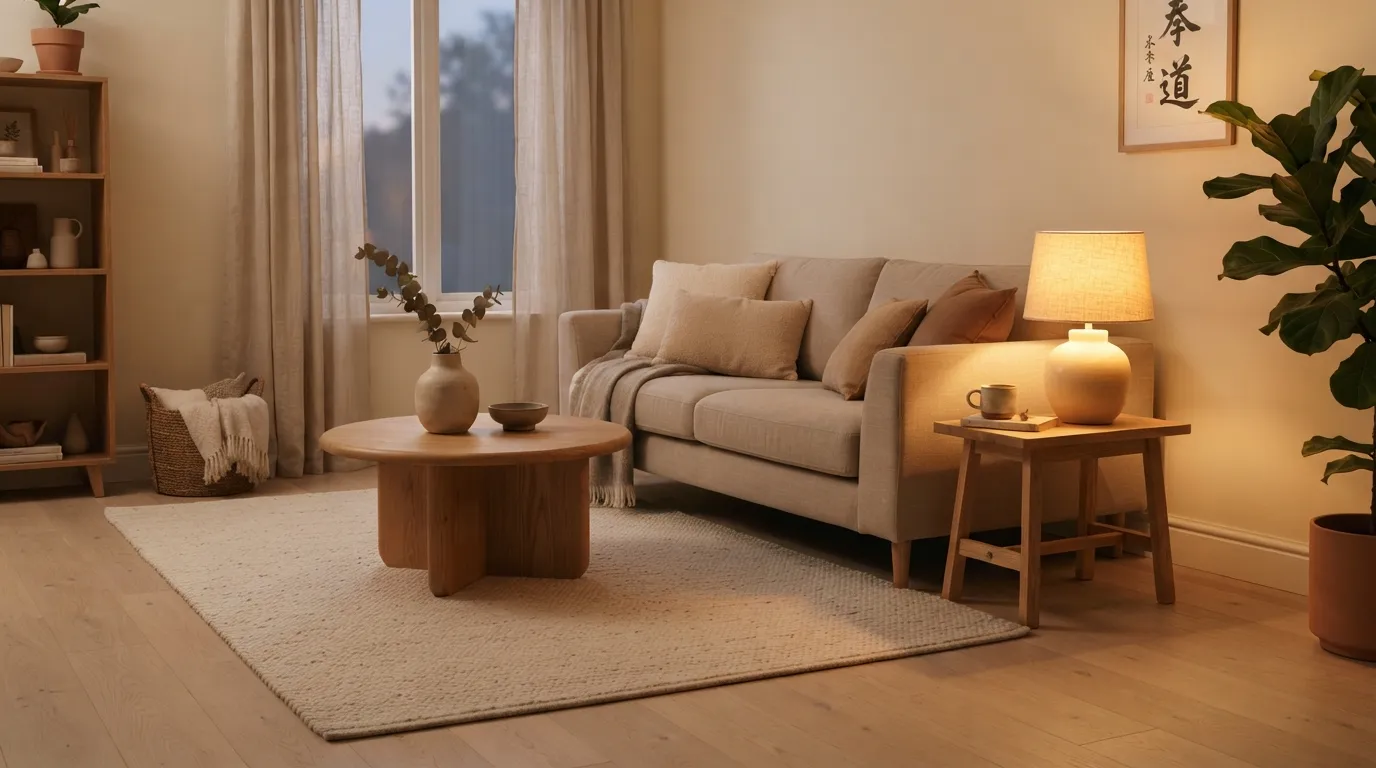
A calm living room can change the way your entire home feels. Think warm wood, soft textures, clean lines, and plenty of breathing room.
These japandi living room amazon finds bring together simple pieces that can make your space feel warmer, more organized, and effortlessly modern. If your living room feels cluttered, cold, or unfinished, you don’t need to replace everything. A few thoughtful additions can completely shift the atmosphere. From natural oak furniture and woven textures to soft lighting, neutral textiles, and practical storage, these ideas are easy to adapt to real homes. In my experience, starting with one strong foundation piece and adding layers slowly creates a more natural result than buying everything at once.
1. Low Linen Sofa
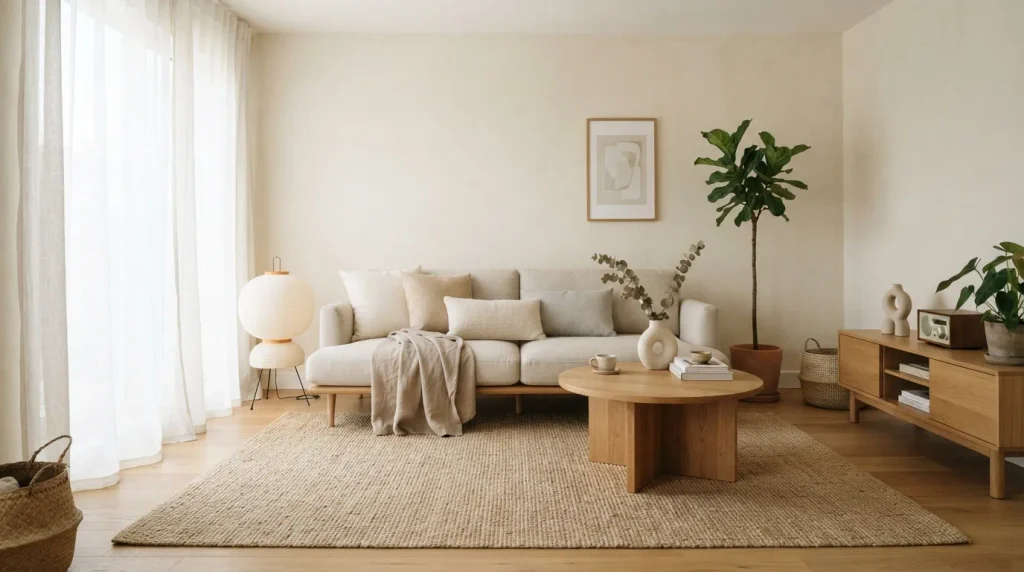
- Creates an instant calm focal point without making the room feel heavy.
- Warm beige or oatmeal upholstery keeps the palette soft and natural.
- Slim legs help smaller rooms look more open and spacious.
- Linen-look texture adds visual interest without introducing busy patterns.
- One simple throw or cushion is enough to finish the look.
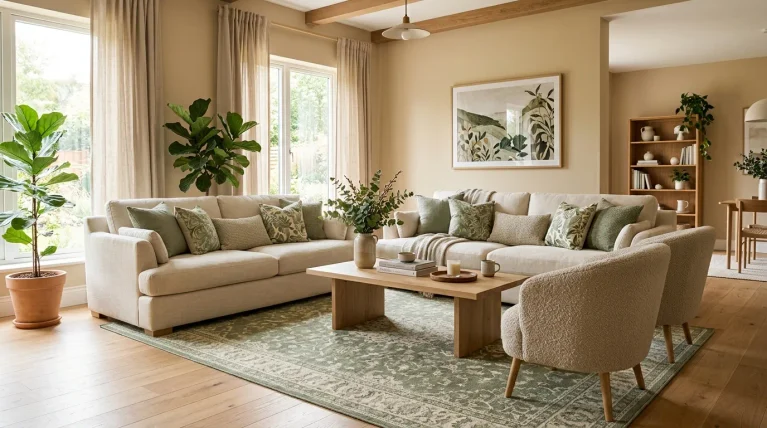
A calm room can start with one beautifully simple anchor: a low-profile linen sofa. Its soft shape instantly gives a Japandi living room a relaxed, grounded feeling without making the space look empty. Choose warm beige, oatmeal, or light taupe upholstery to echo natural materials and keep the palette quiet. In my experience, a sofa with slim arms and visible wooden legs also makes smaller rooms feel more open. Pair it with a simple oak coffee table, woven rug, and one sculptural cushion for a polished setup that looks intentional rather than overly decorated.
The right sofa can make the entire room feel calmer before you add anything else. A low, neutral design keeps sightlines open, while linen-look fabric brings subtle texture that photographs beautifully in natural light. For real homes, check the dimensions carefully before ordering, especially if your living room has narrow doors or limited floor space. I’ve noticed that choosing a slightly deeper seat can also make a compact lounge feel more inviting without adding visual bulk. Finish the arrangement with one soft throw and a small ceramic accent for an easy, layered Japandi look.
Also Read : 24 Cozy Boho Living Room Ideas for a Warm Relaxed Space
2. Rounded Oak Table
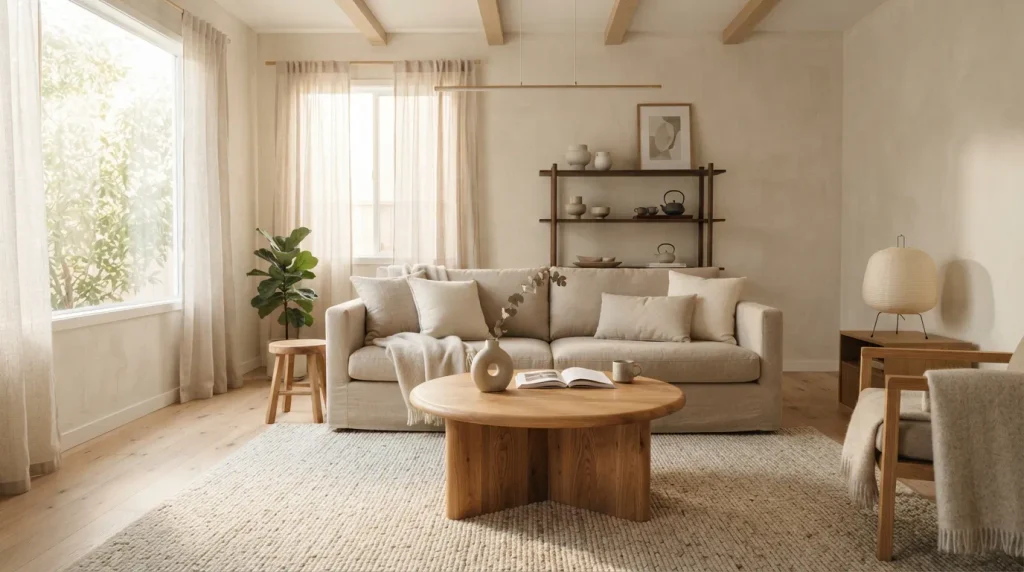
- Adds natural warmth without competing with larger furniture.
- Rounded edges soften a room filled with straight furniture lines.
- A matte wood finish feels more relaxed than glossy surfaces.
- Leave generous empty space on the tabletop for a cleaner appearance.
- A small tray and ceramic piece provide enough styling without clutter.
Natural wood is one of the easiest ways to bring Japandi warmth into a living room, and an oak coffee table does it without overwhelming the space. Look for rounded edges, a rounded silhouette, and a matte or lightly finished surface. These details soften the room while keeping the furniture practical for everyday use. In my experience, a round or softly oval table works especially well when the sofa has clean, straight lines because the contrast prevents the layout from feeling too rigid. Add a small tray, one ceramic vase, and leave plenty of surface space for a calm, uncluttered finish.
A warm oak coffee table can become the quiet centerpiece that ties every neutral element together. Its natural grain adds visual interest without introducing a busy pattern, making it especially useful in rooms with cream walls, beige upholstery, and woven textures. For Amazon shopping, pay attention to tabletop thickness, leg construction, and the listed dimensions rather than judging size from photos alone. A table that leaves comfortable walking space around the sofa will make the room feel larger and easier to use. Keep styling minimal with two or three useful pieces instead of filling every corner.
Also Read : 22 Black Fireplace Ideas for a Bold Modern Living Room
3. Textured Neutral Rug
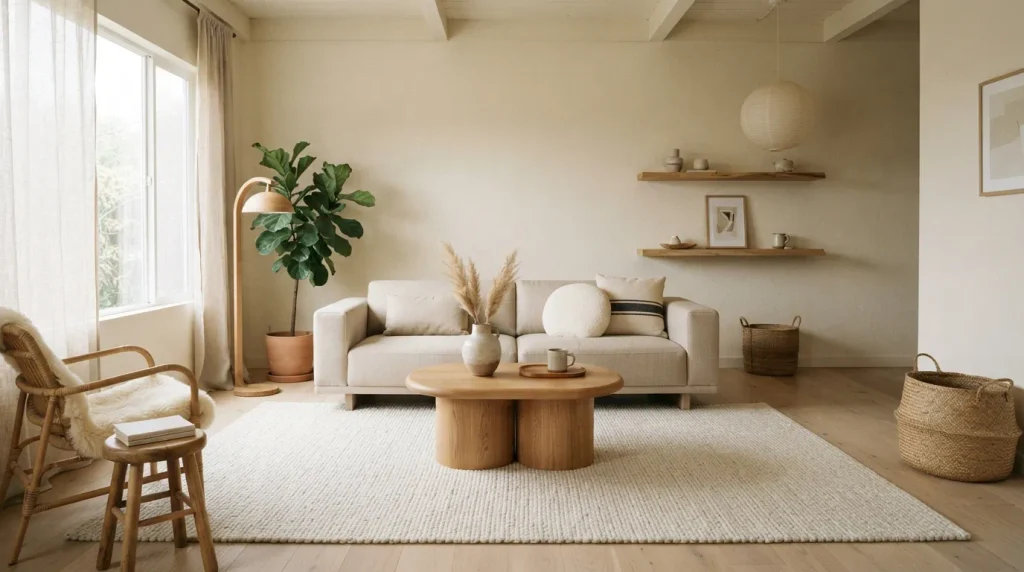
- Adds softness and warmth to hard flooring.
- Visually connects the sofa, table, and surrounding seating.
- Ivory, sand, and warm greige shades keep the room cohesive.
- Subtle texture creates depth without distracting from the furniture.
- Low-pile designs are practical for cleaning and everyday use.
Few details change the atmosphere of a living room faster than a soft woven rug underfoot. Choose an ivory, sand, or warm greige rug with a subtle texture instead of a bold pattern to support the Japandi balance of simplicity and warmth. The rug visually connects the sofa, coffee table, and surrounding seating, making separate pieces feel like one intentional arrangement. I’ve seen this work particularly well in open-plan homes where a rug quietly defines the lounge zone. A low-pile option is also practical because it is easier to vacuum, place furniture on, and maintain.
A textured neutral rug gives a Japandi living room the soft foundation that hard floors often lack. It adds warmth underfoot, reduces the starkness of large furniture pieces, and creates a gentle contrast against wood surfaces. When choosing an online rug, compare the listed measurements with your seating layout so at least the front legs of major furniture can sit comfortably on it. This small planning step makes the room look more cohesive. For a Pinterest-ready finish, let the rug remain mostly visible and layer only a few carefully chosen accents above it.
Also Read : 21 Navy Blue Wallpaper iPhone Ideas for a Stylish Screen
4. Paper Lantern Pendant
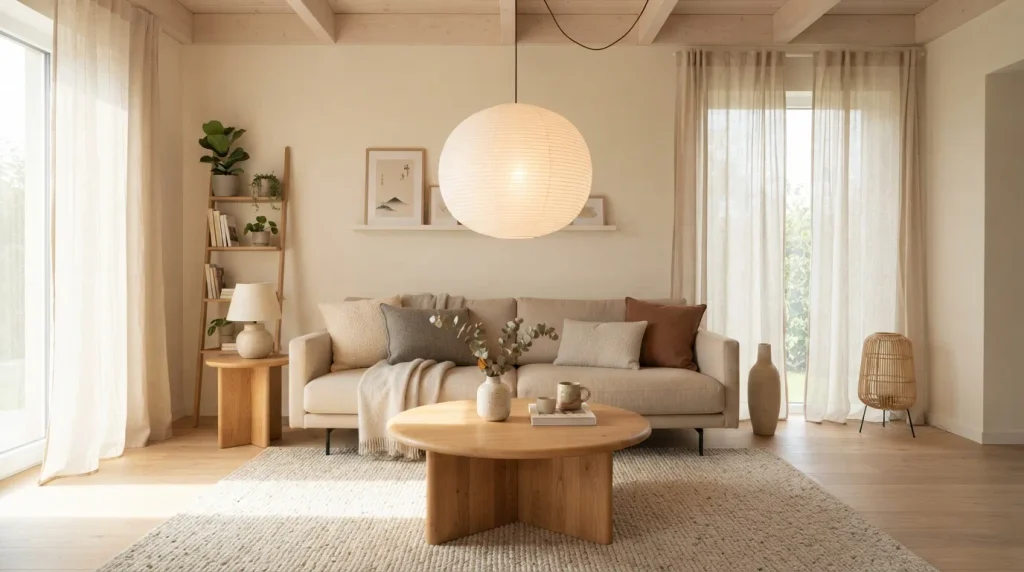
- Softens the room with diffused, gentle illumination.
- Adds height without introducing a heavy visual fixture.
- White or warm ivory shades blend naturally with neutral interiors.
- Works beautifully above a simple seating arrangement.
- A rounded silhouette reinforces the organic Japandi aesthetic.
A paper lantern pendant can completely change the mood of a living room while taking up almost no visual space. Its rounded shape and lightweight appearance pair naturally with low furniture, pale woods, and neutral fabrics. Choose an ivory or warm-white shade for the softest effect, especially if your walls are cream or off-white. The diffused light also helps remove harsh shadows after sunset, making the room feel more comfortable. In my experience, one oversized lantern often looks more intentional than several small fixtures competing for attention above the seating area.
Lighting becomes especially important when you want a Japandi room to feel warm throughout the day, not just attractive in photographs. A paper shade filters the bulb’s brightness and creates a soft glow across nearby walls and furniture. For online shopping, check the fixture’s diameter and hanging length before ordering, because scale matters above a sofa or coffee table. Use a warm-white bulb rather than a cool daylight bulb for a more relaxing atmosphere. Keep surrounding lighting simple so the pendant remains the main visual feature without making the room feel decorated.
Also Read : 24 White Brick Fireplace Ideas for a Bright Cozy Home
5. Woven Storage Baskets
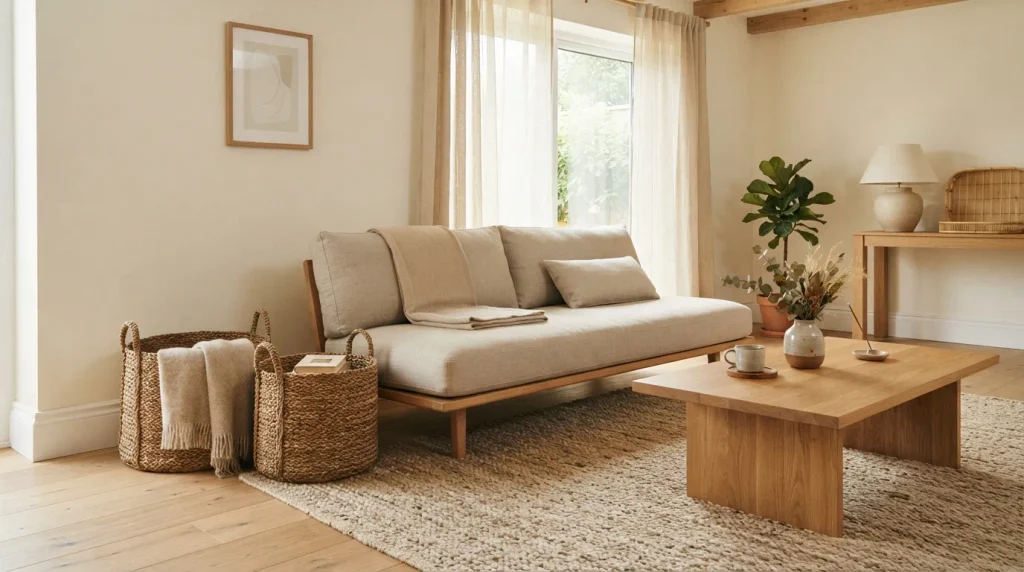
- Hides everyday clutter while keeping useful items within reach.
- Natural fibers introduce warmth and tactile texture.
- Large baskets work well beside sofas or empty corners.
- Neutral tones blend into the room instead of demanding attention.
- Use matching or complementary shapes for a cleaner visual rhythm.
Beautiful rooms still need somewhere to hide the things used every day, and woven baskets make that practical need look intentional. Place one beside the sofa for blankets, magazines, or children’s items, or use a pair to fill an otherwise awkward corner. Natural seagrass, rattan, jute, and similar fibers add texture without disrupting a quiet color palette. I’ve noticed that open baskets are particularly useful in busy homes because they make tidying quick. Instead of leaving a throw across the sofa, you can simply fold it loosely into the basket and keep the room looking composed.
Storage should feel almost invisible in a calm interior, and woven baskets achieve that balance beautifully. Their irregular fibers provide enough texture to keep a neutral room from looking flat, while their earthy color connects naturally with oak furniture and beige textiles. When choosing baskets online, check their dimensions and whether they have handles if you plan to move them frequently. A slightly oversized basket can also make a corner feel purposeful rather than forgotten. Keep the contents limited to one category, such as throws or books, so the storage remains easy to use and visually tidy.
Also Read : 23 Scandinavian Bedroom Ideas for a Cozy Minimalist Retreat
6. Ceramic Accent Vases
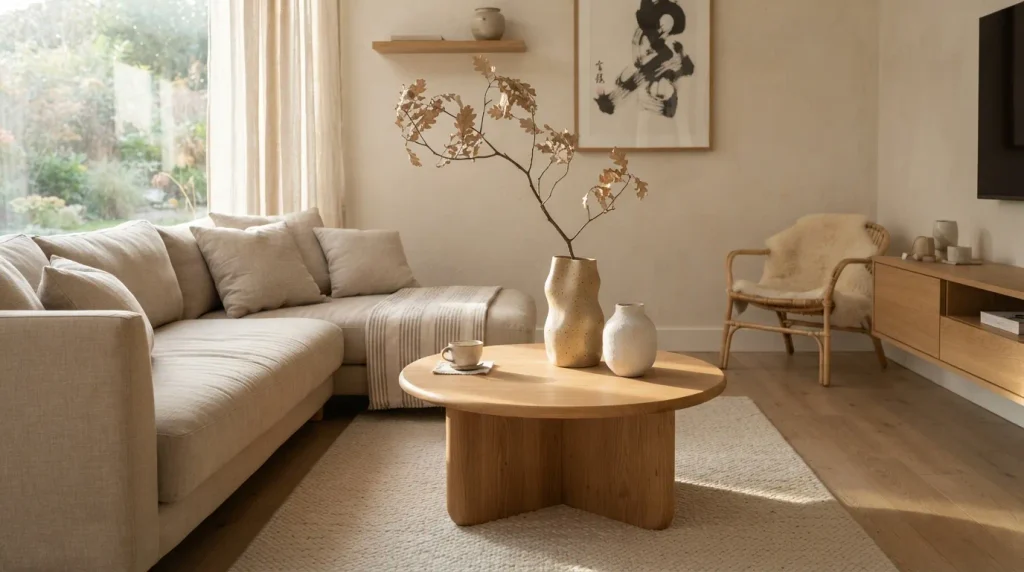
- Adds handcrafted character without creating visual clutter.
- Matte ceramic surfaces complement natural wood and linen.
- Small sculptural shapes can make an empty table feel finished.
- Cream, stone, taupe, and muted gray are easy to coordinate.
- One branch or stem is often enough for a polished arrangement.
Small decorative pieces can have a surprisingly strong effect when the rest of the room is intentionally simple. A matte ceramic vase adds shape, texture, and a handcrafted feeling without introducing bright colors or complicated patterns. Look for rounded or slightly irregular forms in cream, stone, taupe, or soft gray. Place one vase on the coffee table, console, or open shelving and leave plenty of empty space around it. That negative space is part of the design. In my experience, a single sculptural object often creates more impact than a collection of small decorative pieces.
Ceramic accents work particularly well with the natural materials already common in Japandi interiors. The contrast between a smooth or slightly rough ceramic surface, visible wood grain, and soft linen creates layers without making the room feel busy. If you are shopping online, compare the vase’s height and opening size with the surface where you plan to use it. A low vase suits a coffee table because it preserves sightlines, while a taller shape can add balance to a console. Add one dried branch or delicate stem and stop there for an effortlessly finished look.
Also Read : 25 Cozy Scandinavian Living Room Ideas for a Warm Home
7. Bouclé Accent Chair
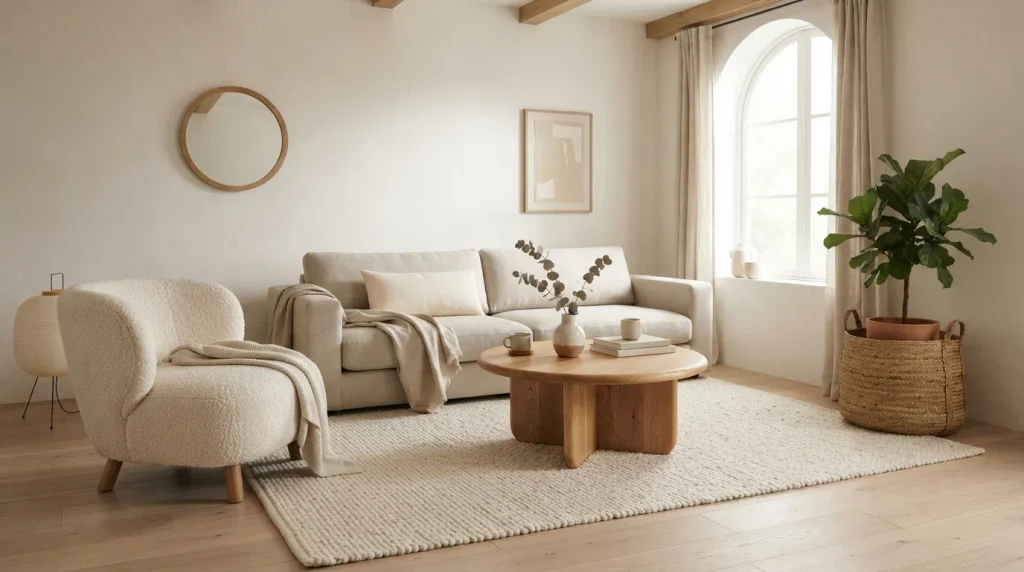
- Adds a cozy seating layer without overwhelming the main sofa.
- Cream bouclé brings softness and subtle tactile contrast.
- A compact rounded silhouette works well in smaller rooms.
- Position it slightly toward the coffee table for easy conversation.
- Keep surrounding decor minimal so the chair remains visually balanced.
An accent chair can make a living room feel more complete while giving you another comfortable place to sit. For a Japandi-inspired setup, a cream bouclé chair with a rounded back or gently curved arms works especially well beside a simple linen sofa. The soft upholstery adds texture without introducing strong color, while the compact shape keeps the room visually light. I’ve noticed that placing the chair at a slight angle toward the coffee table creates a more natural conversation area than pushing it flat against a wall. Leave enough space around it for comfortable movement.
The best accent chair should feel like part of the original furniture plan rather than an extra piece squeezed into the room. Look for neutral upholstery, natural or light wooden legs, and a silhouette with gentle curves. Before ordering, measure the chair’s width, depth, and seat height against your available floor space. This prevents the common problem of a beautiful chair making the room feel cramped. Pair it with a small woven basket or simple side table if needed, but avoid over-accessorizing. The goal is comfortable layering with plenty of breathing room around each piece.
8. Linen Throw Pillows
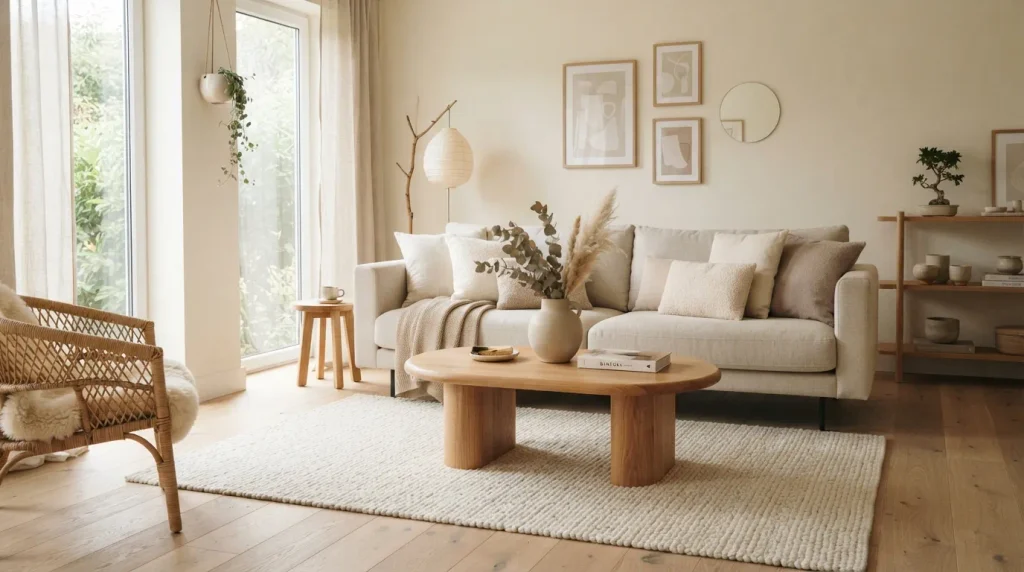
- Adds softness without changing the room’s neutral foundation.
- Linen texture creates subtle depth against smooth furniture.
- Mix two or three related neutral shades for gentle contrast.
- Choose simple shapes instead of decorative patterns or bold prints.
- Avoid filling every seat so the sofa still looks relaxed.
Sometimes the smallest styling change makes the biggest visual difference, and neutral linen pillows are a perfect example. Layering two or three cushions in cream, oatmeal, beige, or soft taupe can make a simple sofa look finished without losing its relaxed character. Choose different textures rather than dramatically different colors to create depth. In my experience, slightly varied pillow sizes look more natural than identical cushions lined across the sofa. Keep one area of the seating open so the arrangement feels inviting rather than overly styled, especially if the room is used every day.
Linen-look pillow covers are also an easy way to refresh a living room without replacing expensive furniture. Their natural texture complements pale wood, woven rugs, ceramic accessories, and other organic materials commonly used in Japandi spaces. When shopping online, check the insert size and whether the covers are removable and washable, particularly if the sofa receives regular use. A simple combination of square and lumbar cushions can create enough dimension without becoming busy. If the sofa already has strong texture, choose smoother pillow covers so the overall arrangement stays balanced and visually calm.
9. Minimal Floor Lamp
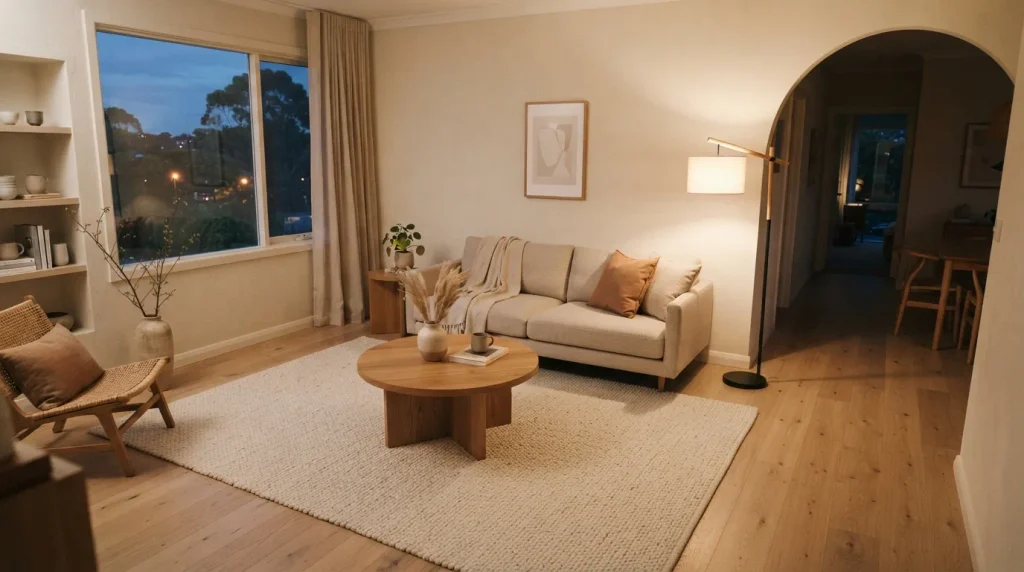
- Creates a cozy reading zone without adding bulky furniture.
- A slim profile keeps the floor visually open.
- Black details can provide gentle contrast against pale neutrals.
- Warm bulbs make evening lighting softer and more comfortable.
- Position the lamp beside the sofa where it serves a practical purpose.
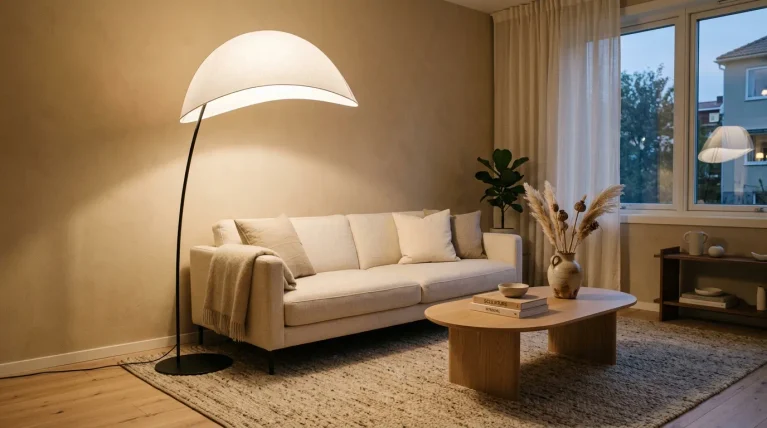
A slim floor lamp can add both function and atmosphere without taking attention away from the main furniture. Look for a simple wooden, black, or mixed-material design with a narrow profile and understated shade. Placing it beside the sofa creates a practical reading light while giving an empty corner a clear purpose. Warm illumination works especially well with beige upholstery and pale wood because it brings out the natural warmth of those materials after sunset. I’ve seen this work well in smaller living rooms where a floor lamp replaces the need for a bulky side table.
For a calm modern setup, avoid complicated lamp shapes or oversized bases that compete with the rest of the furniture. A clean vertical line can actually make the room feel taller while adding a useful layer of lighting. When choosing one online, check the total height, base diameter, cord placement, and bulb requirements. These details matter once the lamp is positioned beside seating. Use it with a warm bulb and keep the surrounding surface uncluttered. The result is a quiet evening corner that feels functional, comfortable, and visually connected to the rest of the room.
10. Arched Wall Mirror
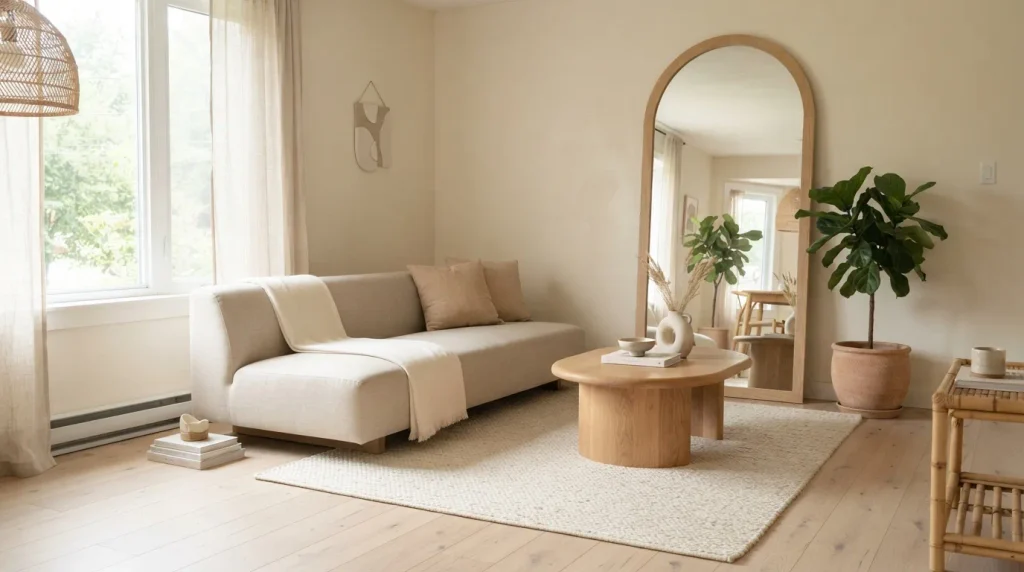
- Makes a smaller living room appear brighter and more open.
- An arched shape softens the room’s straight architectural lines.
- Light oak framing connects naturally with wooden furniture.
- Leaning placement creates a relaxed, modern appearance.
- Position it where it can reflect daylight for maximum effect.
A large arched mirror can make a quiet living room feel noticeably brighter and more spacious without adding visual clutter. Choose a simple light oak frame that echoes the wood tones already present in the furniture. The curved top introduces a soft organic shape against straight walls, shelves, and seating. Place the mirror where it can reflect a window or another bright part of the room rather than facing a cluttered area. In my experience, leaning a full-length mirror against the wall creates a relaxed Japandi feeling while avoiding the formality of a heavily mounted decorative piece.
Mirrors are especially useful when a living room feels narrow, dark, or visually flat. The reflected light helps distribute brightness, while the mirror itself becomes a functional decorative feature. Before buying, measure the available wall or floor space and check the mirror’s overall dimensions carefully, especially if you plan to lean it rather than mount it. A slim frame keeps the look understated and lets the reflection do most of the work. Pair it with pale flooring, neutral upholstery, and one or two natural accessories so the surrounding area remains simple and uncluttered.
11. Oak Floating Shelf
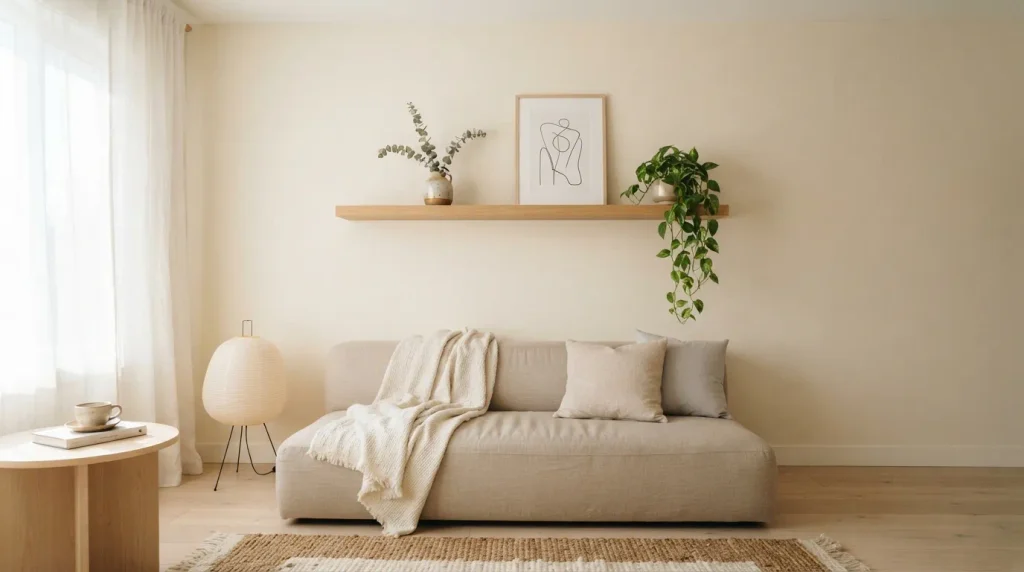
- Uses vertical wall space without making the room feel crowded.
- Light oak adds warmth against cream or off-white walls.
- One carefully styled shelf looks cleaner than several packed shelves.
- Mix ceramic, wood, and greenery for subtle visual variety.
- Leave generous empty space around decorative objects.
A single floating oak shelf can turn an empty wall into a useful design feature without overwhelming a minimalist living room. Choose a slim shelf in natural or light oak and style it with only a few carefully selected objects. A small ceramic vase, simple framed print, or trailing plant can provide enough contrast against a warm cream wall. The key is restraint. I’ve noticed that leaving plenty of empty shelf space often makes the display look more expensive and intentional. It also gives you room to change one accessory seasonally without rebuilding the entire arrangement.
Floating shelves work particularly well when floor space is limited because they add storage and personality without taking up valuable walking room. For a Japandi-inspired result, avoid filling the shelf from end to end. Instead, create small visual groups with different heights and textures, then leave open space between them. Check the shelf’s weight capacity before placing ceramics or heavier objects on it. If you are renting, consider whether the mounting system suits your walls. A simple shelf with thoughtful styling can provide the warmth of decor while preserving the room’s clean lines.
12. Pleated Fabric Shades
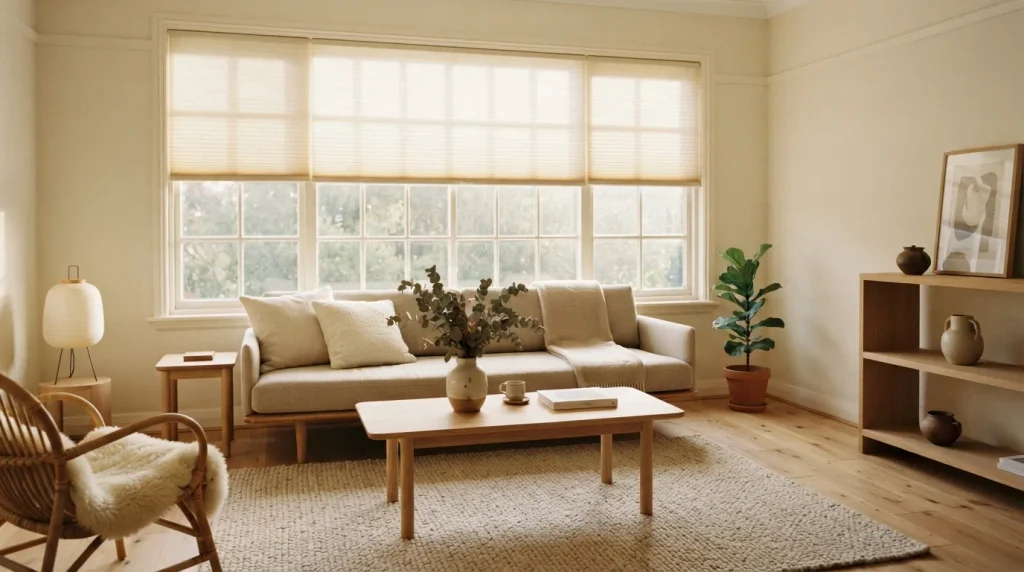
- Filters strong sunlight while keeping the room naturally bright.
- Fabric texture adds softness around otherwise plain windows.
- Ivory and warm beige shades complement Japandi neutrals.
- Simple folds create visual detail without bold patterns.
- Choose light-filtering fabric for a softer daytime atmosphere.
Window treatments can quietly change the entire feeling of a living room, especially when the furniture and decor are already simple. Pleated fabric shades in ivory, cream, or warm beige soften bright daylight while keeping the space naturally illuminated. Their subtle folds add texture around the windows without competing with artwork or furniture. For a Japandi palette, avoid stark white if the rest of the room uses warm neutrals. A slightly creamy shade usually blends more naturally. In my experience, soft-filtering fabric creates a much more comfortable daytime atmosphere than completely bare windows or heavy blackout curtains.
The right window shade also helps control glare while preserving the airy quality that makes neutral interiors appealing. When shopping online, check the fabric opacity, mounting style, exact window measurements, and whether the product is sold individually or as a pair. These practical details can prevent frustrating sizing mistakes. Keep the rest of the window area simple so the fabric remains part of the architecture rather than looking like an added decoration. Pair the shades with pale wood, linen upholstery, and natural woven textures for a cohesive look that feels soft, modern, and comfortably lived-in.
13. Olive Tree Planter
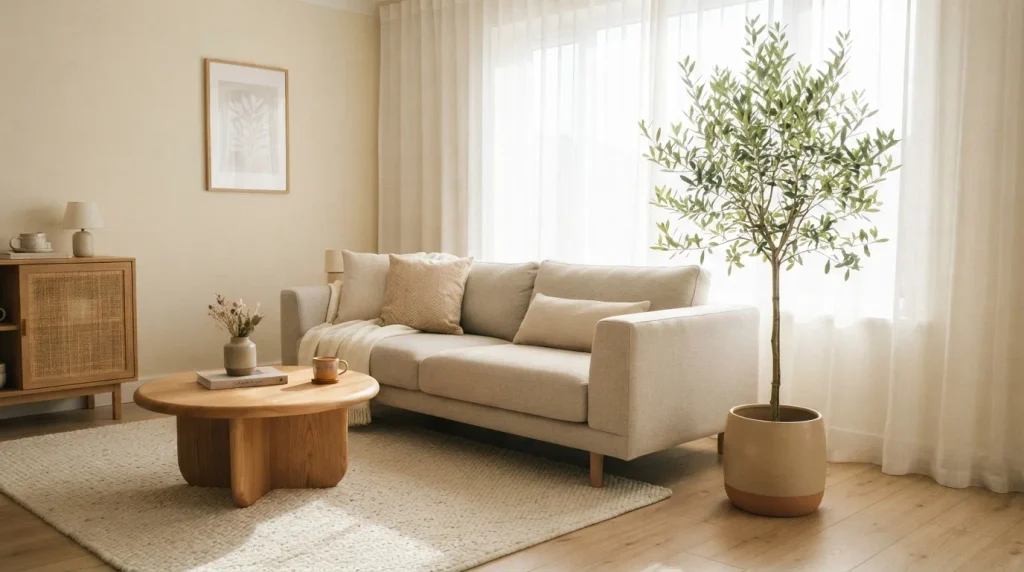
- Adds natural color without disrupting a neutral palette.
- Tall foliage fills an empty corner with graceful vertical shape.
- An understated ceramic planter keeps the look refined.
- Olive or similar foliage works beautifully with pale wood.
- Position it near a bright window with room for the leaves to spread.
A touch of greenery can keep a neutral living room from feeling too carefully arranged, and a slender olive tree is an especially natural choice. Its muted green leaves add gentle color while maintaining the earthy, understated character of Japandi interiors. Place it in a simple matte ceramic planter beside the sofa or near a bright window where the foliage can become part of the room’s silhouette. I’ve noticed that one taller plant often works better than several small ones because it creates height without adding visual clutter. Choose a planter in cream, sand, or warm gray.
Plants also bring a useful organic shape into rooms dominated by straight furniture and clean architectural lines. An olive tree’s narrow trunk and airy branches create movement while leaving plenty of space around the seating area. If you are shopping online, check the plant’s mature height, pot dimensions, and care requirements rather than relying only on the product photograph. For rooms with limited natural light, consider a realistic artificial option with varied leaf shapes and a natural-looking trunk. Keep the planter simple so the greenery remains the main visual feature without making the corner feel busy.
14. Rattan Side Table
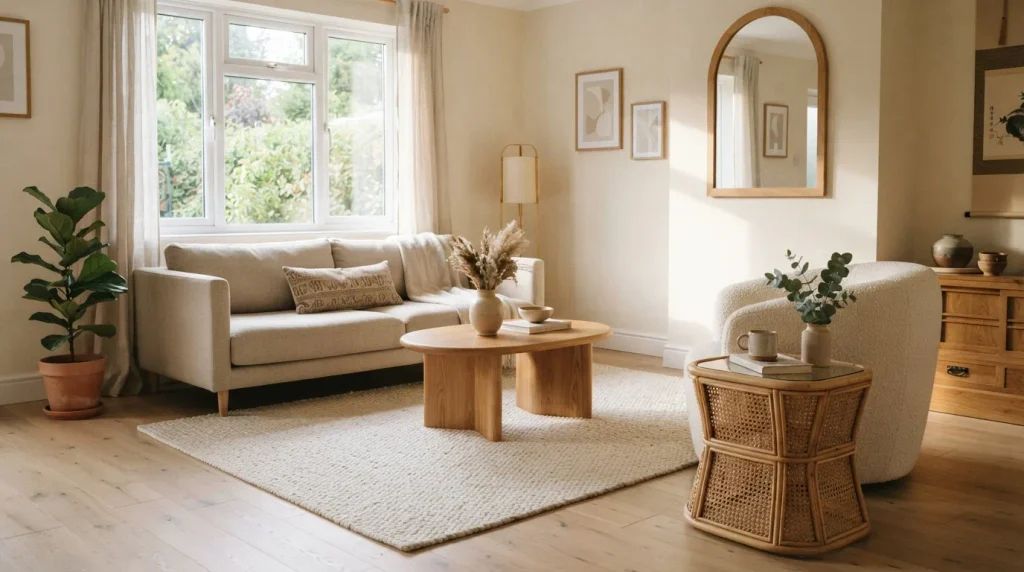
- Adds lightweight storage beside seating without visual heaviness.
- Woven rattan introduces texture beside smooth upholstery.
- A compact round shape works well in tight spaces.
- Natural tan tones complement oak and beige furniture.
- Keep the tabletop nearly empty for a cleaner appearance.
A small rattan side table is one of those pieces that can make a living room feel finished while solving a practical problem. Place it beside an accent chair or sofa for a convenient spot to hold a book, cup, or small lamp. The woven surface introduces tactile detail that pairs beautifully with linen, bouclé, oak, and ceramic pieces. In my experience, a compact round table is particularly useful in smaller rooms because it provides function without creating sharp corners or making the walkway feel restricted. Choose natural tan or honey-colored rattan for a warm, understated finish.
The best side table should support the way you actually use the room rather than simply fill an empty corner. Check its height against the sofa or chair arm so drinks and books are easy to reach. For online finds, also examine the tabletop diameter, leg structure, and whether the woven material is suitable for everyday use. Keep the styling simple with one small ceramic object or a book, leaving most of the surface available. That combination of practicality and restraint is what keeps a Japandi living room comfortable instead of looking like a staged showroom.
15. Wooden Media Console
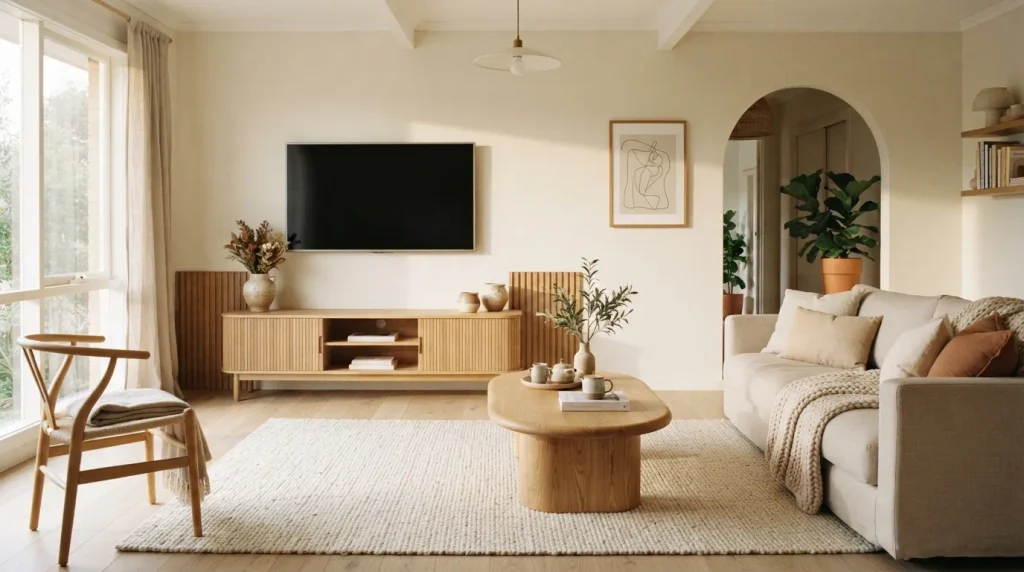
- Conceals electronics and everyday accessories behind clean doors.
- A low profile keeps the television wall visually balanced.
- Natural oak adds warmth beneath a large black screen.
- Closed storage helps prevent cables and clutter from dominating.
- Leave some open space around the console for a lighter appearance.
The television wall can easily become the busiest part of a living room, but a low wooden media console helps bring everything back into balance. Choose a simple oak or light-wood design with closed storage so remotes, cables, gaming accessories, and other everyday items stay hidden. The long horizontal shape also provides a visual counterpoint to a wall-mounted screen. In my experience, low furniture makes the ceiling feel higher and keeps the room from looking crowded around the television. Pair it with one or two neutral ceramic pieces rather than filling the entire surface.
A well-designed media console does more than hide clutter; it can anchor the entire seating arrangement. Look for clean doors, subtle handles or handle-free fronts, and enough internal storage for the equipment you actually use. Measure the television width and wall area before ordering so the console feels proportionate rather than too small. Cable-management openings are another useful feature worth checking in product details. Keep the wall above it mostly clear and let the natural wood provide warmth. This creates a practical entertainment area that still feels calm, organized, and consistent with modern Japandi styling.
16. Soft Floor Pouf
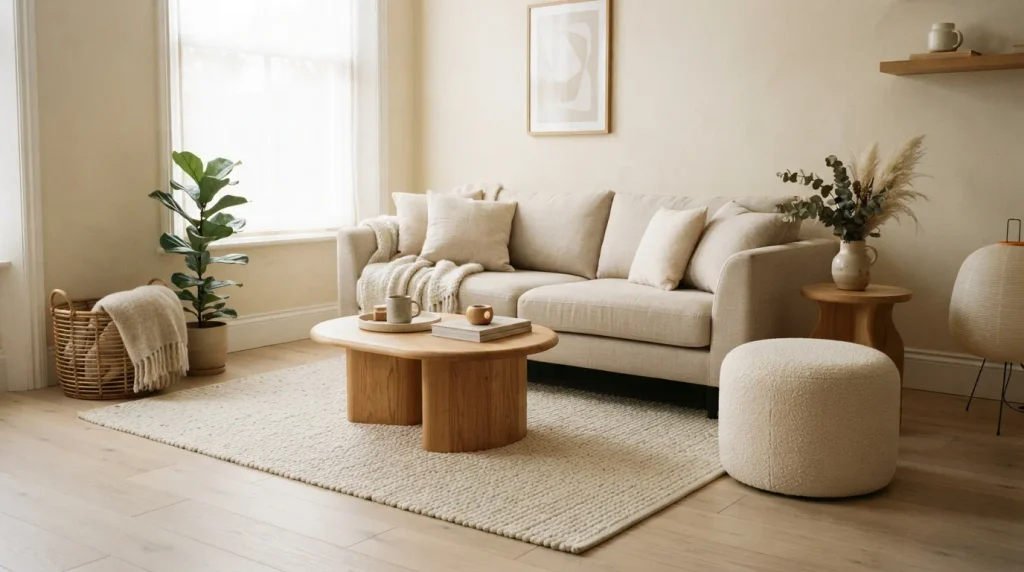
- Adds flexible seating without the bulk of another chair.
- A low rounded shape reinforces the room’s soft organic lines.
- Cream, oatmeal, and beige fabrics blend easily with neutral furniture.
- Use it as extra seating, a footrest, or a casual surface.
- Choose washable or durable fabric for everyday family use.
A soft floor pouf is an easy way to add flexible comfort without committing to another full-size chair. Its low profile keeps sightlines open, while a rounded shape complements curved coffee tables, organic ceramics, and other soft forms. Choose cream, oatmeal, or warm beige upholstery so it blends naturally with the existing furniture. I’ve noticed that a pouf becomes especially useful in smaller living rooms because it can move wherever needed and disappear visually when not in use. Place it near the sofa for relaxed seating or use it as a comfortable footrest.
The beauty of a pouf is that it combines decoration with everyday function. During gatherings, it becomes an extra seat; during quiet evenings, it can support your feet or hold a folded throw. When shopping online, check its dimensions, firmness, cover material, and weight capacity rather than choosing based only on appearance. A washable cover is especially helpful in homes where the piece will receive frequent use. Keep the surrounding area relatively open so the pouf does not make the seating arrangement feel crowded. Its simple shape should add comfort while preserving the room’s spacious feeling.
17. Warm Table Lamp
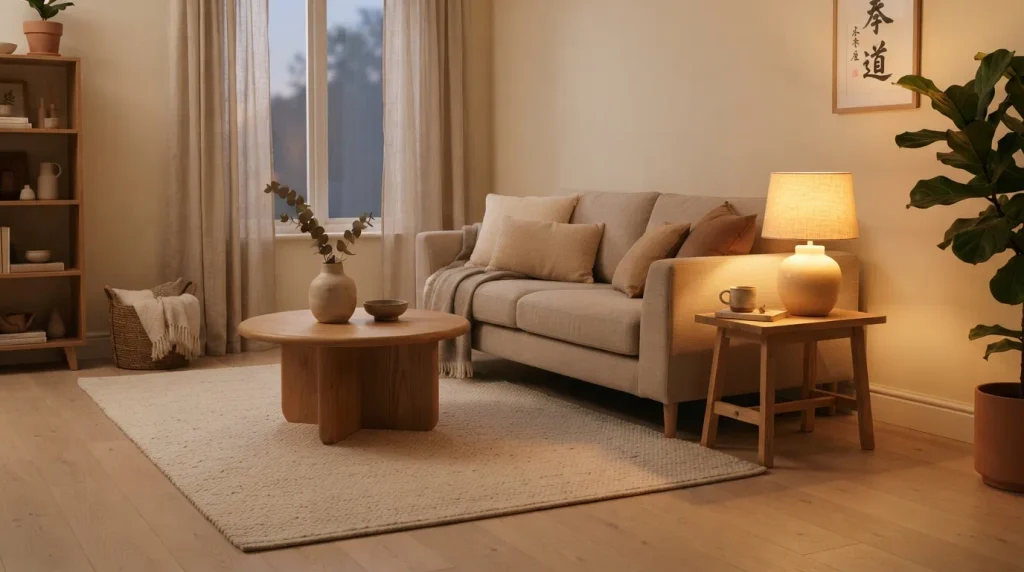
- Creates a warm evening layer beside the sofa.
- A small lamp adds atmosphere without occupying much space.
- Ceramic, linen, or wood bases reinforce natural textures.
- Warm light makes beige and oak tones feel richer.
- Keep the lamp shade simple for a softer visual effect.
A small table lamp can make a living room feel completely different once the sun goes down. Place one on a compact oak side table or media console and choose a warm bulb that creates a soft pool of light instead of harsh overhead brightness. Ceramic, linen, paper, or natural wood bases work beautifully with Japandi materials. In my experience, having a light source near the sofa makes evening reading and relaxing feel much more comfortable. It also gives the room a gentle glow that highlights textures without making every surface equally bright.
Layered lighting is one of the easiest ways to make a minimalist room feel warm rather than stark. Instead of relying entirely on a ceiling fixture, combine a small table lamp with natural daylight and a simple floor lamp. When choosing an online lamp, check the shade diameter, total height, bulb type, and whether the switch is conveniently placed. A warm-white bulb around the cozy end of the spectrum usually works well with cream walls and natural wood. Keep the table underneath mostly clear so the lamp remains both useful and visually intentional.
18. Minimalist Wall Art
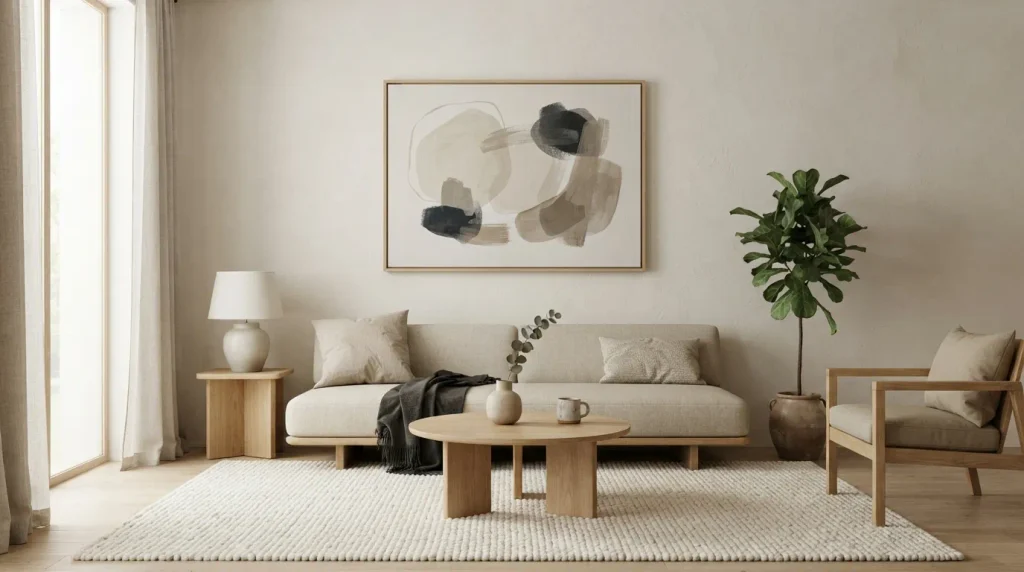
- Gives a blank wall personality without creating visual noise.
- Abstract shapes can complement organic furniture silhouettes.
- Neutral artwork keeps the palette cohesive and flexible.
- One larger piece often looks cleaner than many small frames.
- Choose artwork with colors already present in the room.
One carefully chosen artwork can give a Japandi living room personality without breaking its peaceful visual rhythm. Look for abstract forms, simple line work, or muted landscapes in shades already present in the space, such as beige, charcoal, taupe, cream, or soft brown. A larger piece above the sofa can create a strong focal point while keeping the rest of the wall open. I’ve noticed that oversized artwork often looks more intentional than several small prints scattered across the same area. Choose a simple frame in oak, black, or warm neutral for consistency.
The artwork should support the furniture rather than compete with it. Before ordering, compare the print dimensions with the sofa width and consider leaving generous space around the frame. This helps the wall feel balanced instead of crowded. If you are buying a digital print, choose a high-resolution file and use a frame with a clean profile. For physical artwork, check the material, finish, and hanging hardware. A restrained composition with one meaningful visual element can add character while preserving the calm, uncluttered quality that makes Japandi interiors so appealing.
19. Chunky Knit Throw
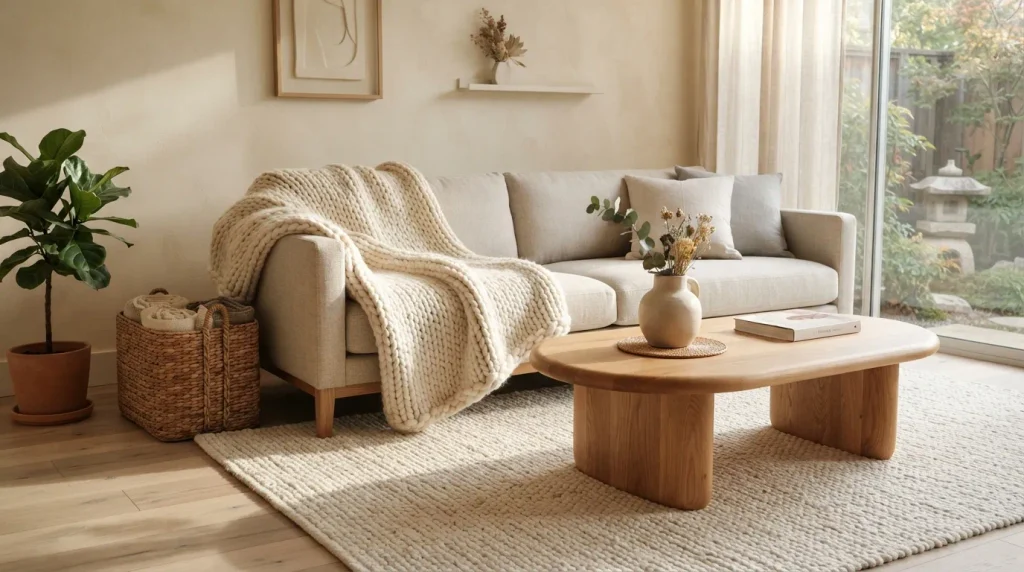
- Adds warmth and softness without changing the furniture.
- Chunky texture creates contrast against smooth wood surfaces.
- Cream and oatmeal shades keep the palette cohesive.
- Drape it casually rather than folding it perfectly.
- Choose a washable material for practical everyday use.
A chunky knit throw can instantly make a clean-lined living room feel more inviting without adding another piece of furniture. Drape one casually over the corner of an oatmeal or beige sofa so the texture becomes part of the room’s visual story. Cream, ivory, and warm taupe are especially easy to coordinate with pale wood and neutral rugs. The thick weave adds depth against smooth surfaces and soft upholstery. In my experience, a slightly imperfect drape looks more natural than carefully folding the throw, especially in a room designed to feel relaxed and lived-in.
The most useful throw is one that looks beautiful but still earns its place through everyday comfort. Choose a size large enough to cover your legs or wrap around your shoulders, and check the material before ordering if washing convenience matters. A cotton or washable knit can be easier to maintain than delicate decorative fabrics. Keep the rest of the sofa styling restrained so the chunky texture has room to stand out. One throw, two neutral cushions, and plenty of visible linen can create the layered softness associated with cozy Japandi interiors without making the sofa look overloaded.
20. Natural Wood Tray
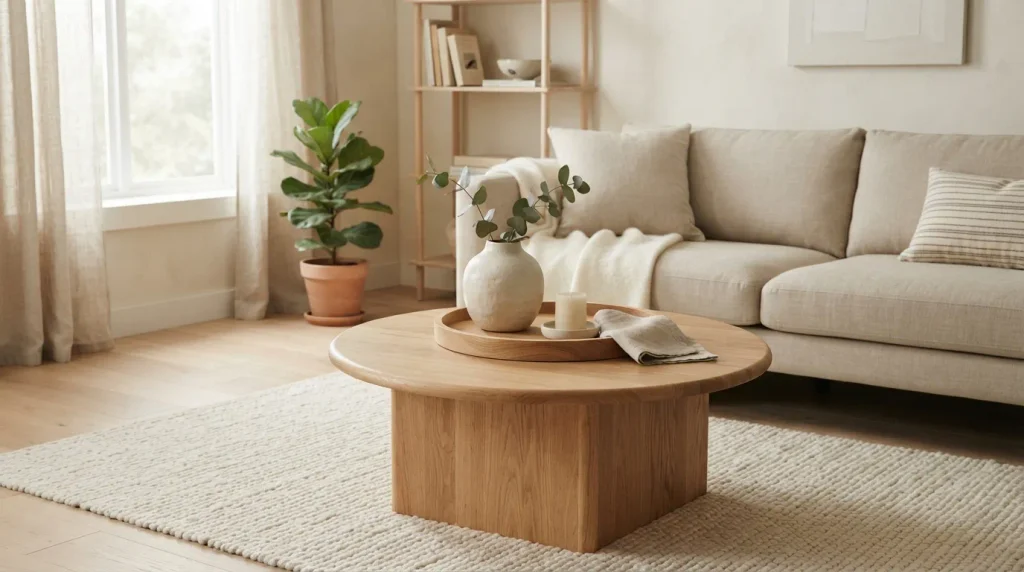
- Keeps small coffee-table items organized in one visual zone.
- Natural wood adds warmth and connects nearby furniture.
- A shallow shape preserves the table’s clean appearance.
- Use only a few useful decorative objects inside.
- Remove unnecessary items regularly to keep the setup uncluttered.
A simple wooden tray can make a coffee table look organized in seconds while giving small everyday objects a defined home. Choose a shallow tray in natural oak or another light wood and place only a few items inside, such as a ceramic vase, candle, or small book. This keeps the surface visually controlled without making it feel empty. The tray also makes cleaning easier because several objects can be moved together. I’ve noticed that this small organizing trick works especially well in minimalist rooms where even a few scattered items can make the entire space feel untidy.
A tray is more than decoration when it helps separate useful objects from visual clutter. Choose a size that leaves plenty of exposed tabletop around it rather than covering most of the surface. Rounded corners or softly curved handles can echo the organic shapes found throughout a Japandi-inspired room. When shopping online, check the tray’s material, dimensions, and whether the finish is suitable for drinks or occasional spills. Keep the arrangement simple and functional. A little negative space around each object will make the whole coffee-table setup look more deliberate and photograph beautifully.
21. Textured Ceramic Lamp
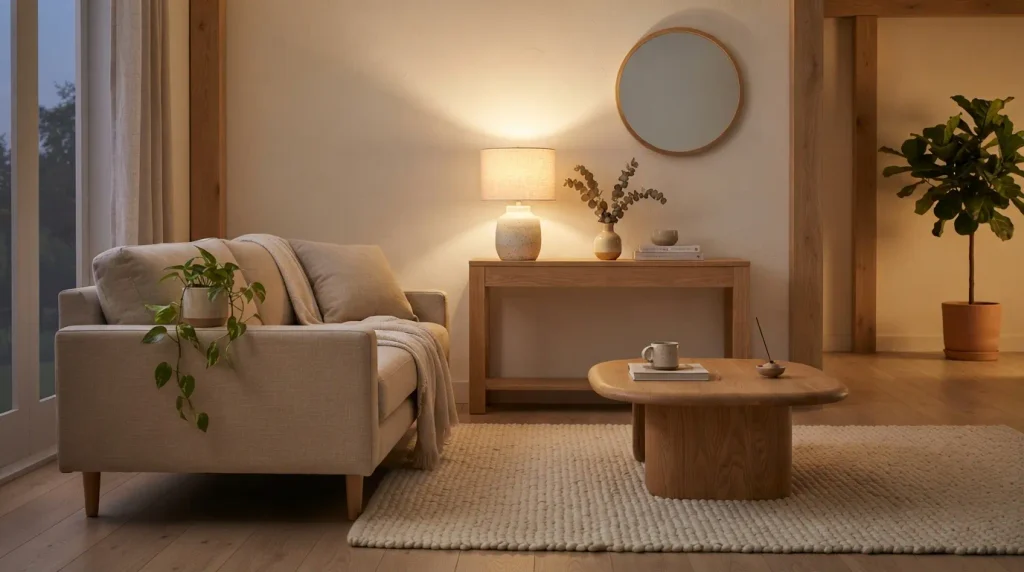
- Adds handcrafted texture to an otherwise simple surface.
- A linen shade softens the lamp’s warm evening glow.
- Cream ceramic blends naturally with neutral Japandi palettes.
- Works beautifully on a console, side table, or shelf.
- Pair it with one small natural accent rather than a crowded display.
A textured ceramic lamp brings together two things that work beautifully in a calm living room: useful lighting and handcrafted character. Look for a softly irregular ceramic base in cream, stone, or warm white paired with a simple linen shade. The subtle surface texture catches light during the day, while the warm bulb creates a gentle glow at night. This kind of piece is especially useful when you want to introduce personality without adding bold artwork or colorful accessories. In my experience, one tactile lamp can make a plain console feel styled without requiring several decorative objects.
The lamp can become a small focal point while still supporting the larger visual balance of the room. Place it on a wooden console, side table, or sturdy shelf where the warm light can illuminate a nearby wall or seating area. Before ordering, check the base dimensions, shade size, cord length, and bulb compatibility. A lamp that is too large can overwhelm a narrow surface, while one that is too small may disappear visually. Keep nearby accessories limited to one vase, plant, or book so the ceramic texture and soft glow remain easy to notice.
22. Japandi Storage Cabinet
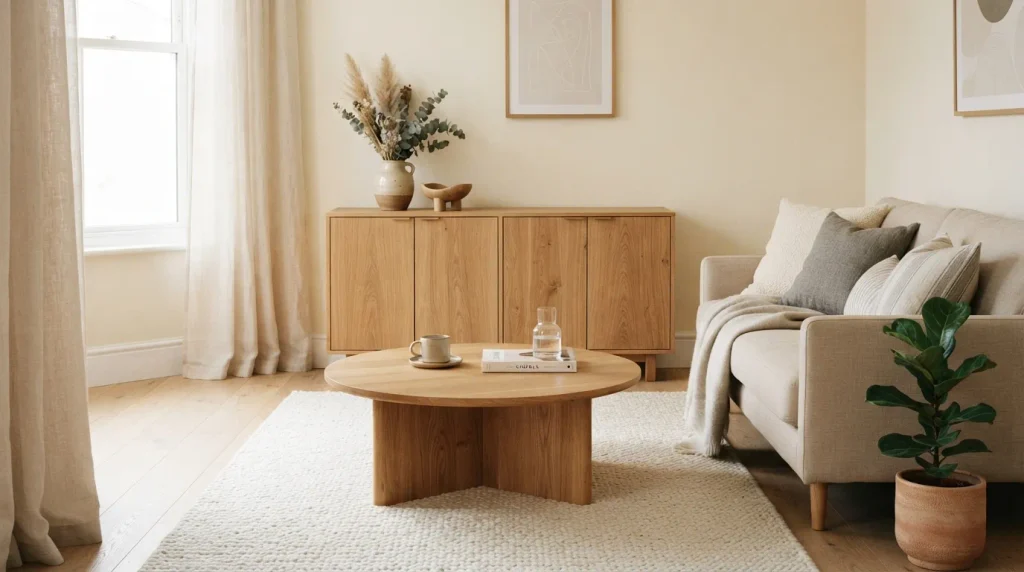
- Hides everyday clutter while adding warmth through natural wood.
- Flat-front doors keep the furniture visually quiet.
- Low proportions work beautifully beneath artwork or beside seating.
- Oak, ash, or light walnut can complement a neutral palette.
- Use the surface for only one or two carefully chosen accents.
The final piece that can pull a calm living room together is a simple wooden storage cabinet. Its real strength is practical: everyday clutter disappears behind clean doors while the natural wood adds warmth and character. Choose a low-profile cabinet in oak, ash, or another light finish with minimal hardware. It can sit against an empty wall, beneath artwork, or beside the sofa without competing with the main furniture. In my experience, concealed storage makes the biggest difference in rooms where small everyday objects tend to collect on visible surfaces.
A storage cabinet also gives you an opportunity to create balance between beauty and function, which is central to a thoughtful Japandi space. Look for adjustable shelves, sturdy construction, cable openings if electronics will be stored inside, and dimensions that suit your wall. Keep the top relatively open rather than treating it like another display shelf. One ceramic vase, small plant, or framed print is enough. When the room has a dedicated place for blankets, books, remotes, and other essentials, maintaining that clean, peaceful appearance becomes much easier every day.
Conclusion
A peaceful living room doesn’t have to be complicated or expensive. The right japandi living room amazon finds can add warmth, texture, function, and balance while keeping your space beautifully simple. Start with one idea that solves a real problem, then build around it with natural materials, soft neutrals, and useful pieces. Save this article on Pinterest so you can return to your favorite finds when you’re ready to refresh your room. Try one or two ideas in your own space, and share this guide with someone who loves calm, modern interiors. Small changes can create a surprisingly beautiful transformation.