21 Small Upgrades That Make Your Home Look Finished (No Remodeling, No New Furniture)
You know the feeling. You walk into your own living room and something feels unfinished, but you cannot name it. The furniture is fine. The walls are painted. And yet the room looks like a display home nobody lives in. I have stood in that room myself, convinced the answer was a new sofa I could not afford. It was not. These small home upgrades work with what you already own: a swapped tap, a warmer bulb, a picture at the right height, a rug that finally touches the furniture. None of them needs a builder, a landlord’s permission for structural work, or a new piece of furniture.
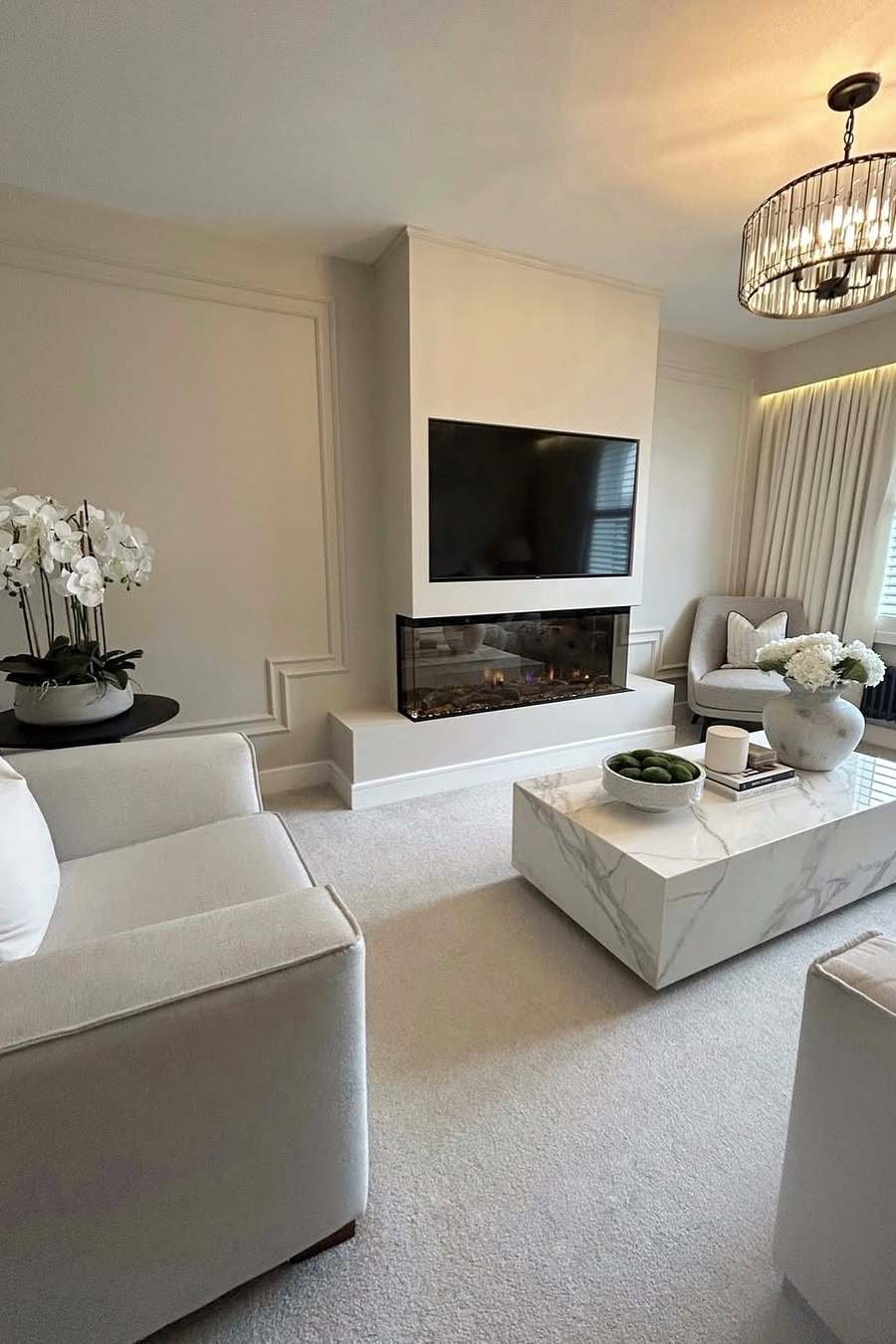
Photo: Clarissa Burke (@clarissashome) on Instagram
What follows is 21 small home upgrades, grouped the way I would tackle them in a real home: the rental kitchen first, because it frustrates renters most; then the lighting, because bad light makes every other upgrade invisible; then the finishing layer — the styling and editing that makes a room look done without buying anything new; and finally the white walls, because a white room only feels cold when nothing warm answers it. Every idea here is reversible, and most cost less than a weekly shop.

Photo: Clarissa Burke (@clarissashome) on Instagram
What Small Upgrades Actually Work in a Rental Kitchen?
The rental kitchen is where most homes start to feel unfinished, because it is the room you use most and change least. The cabinets are not yours, the backsplash is not yours, and the tap is usually the cheapest one the landlord could find. But a kitchen is also the room where the smallest swaps read the biggest: the tap is the jewellery of the room, the hardware is the first thing your hand touches, and a strip of peel-and-stick tile changes the whole wall behind the cooker.

Photo: Katie Staples (@halfway_wholeistic) on Instagram
1. Swap the Tap — the Cheapest Way to Make a Kitchen Look Expensive
Best For: a rental kitchen with a tired chrome tap that makes the whole sink area look cheap. A tap swap is the highest-impact small home upgrade in a kitchen: it sits at eye level, it is used a dozen times a day, and a brushed brass or matte black tap reads as a deliberate choice against any cabinet colour. How to Create It: keep the old tap in a box under the sink so you can put it back when you move, and choose a tap with the same hole pattern as the one you are replacing. If the landlord agrees in writing, you can even split the cost.

Photo: Our Oaktree Home (@ouroaktreehome) on Instagram
2. Change the Cabinet Hardware and the Whole Kitchen Changes With It
Best For: plain flat-front cabinets that look like they came with the flat. Knobs and pulls are the handles you touch every day, and swapping them is a screwdriver job. Warm brass pulls on grey cabinets or matte black bar pulls on white cabinets set the style of the whole room. How to Create It: buy one pull first, test it on a single door, keep every original knob in a labelled bag, and match the screw spacing. If you want more Scandinavian kitchen ideas, pale wood and black pulls are the combination that never dates.

Photo: Katie Staples (@halfway_wholeistic) on Instagram
3. Add a Peel-and-Stick Backsplash Behind the Cooker
Best For: a plain painted wall behind the hob that splashes, stains, and looks unfinished. Peel-and-stick tiles are the renter’s backsplash: they go on in an afternoon, come off without damaging the wall, and a single strip behind the cooker is enough. How to Create It: measure the strip, cut with a craft knife, and start from the centre of the hob. Choose a simple subway or zellige-look tile in warm white; a busy pattern fights with everything else in a small kitchen.
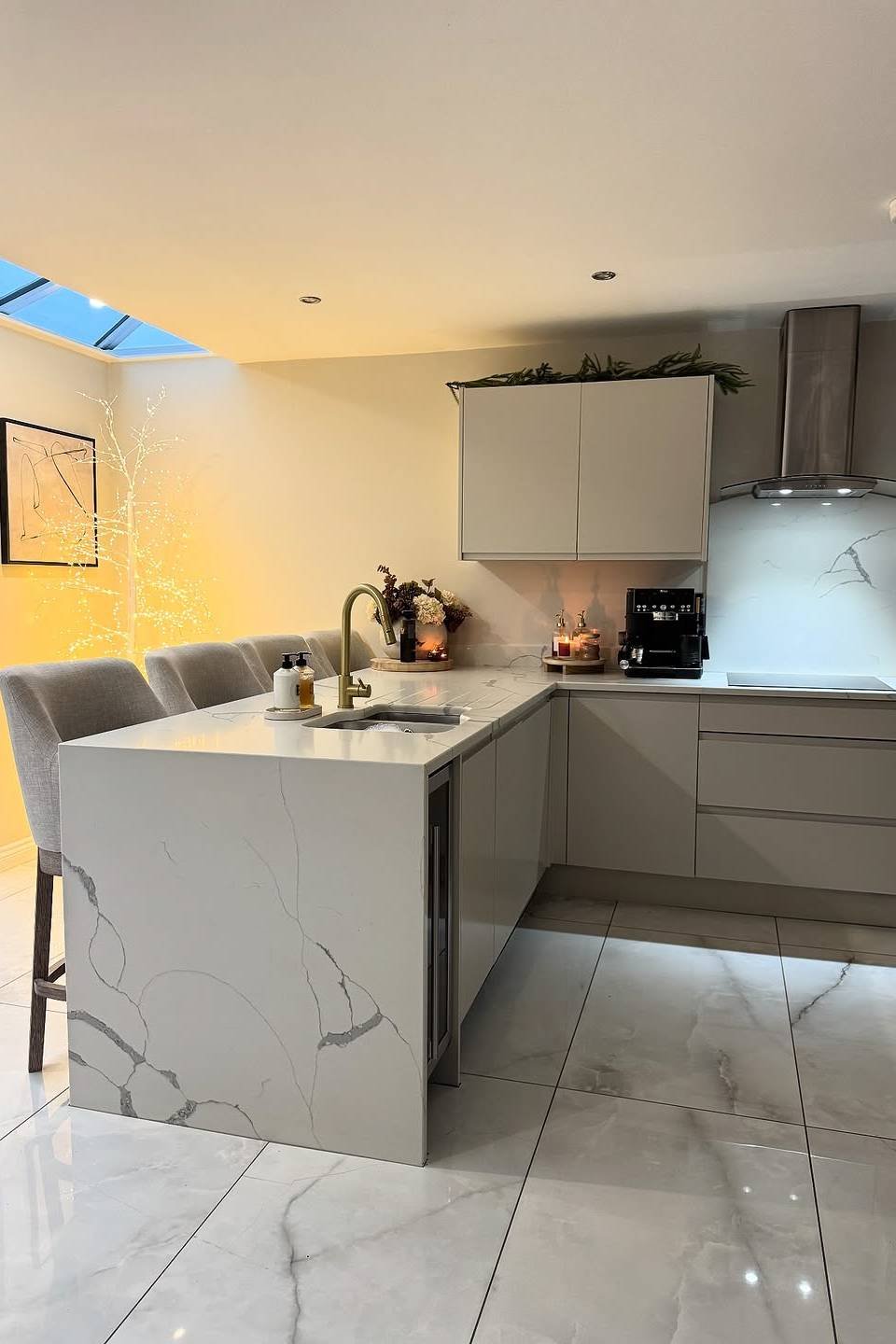
Photo: Our Oaktree Home (@ouroaktreehome) on Instagram
4. Style the Island Like a Room, Not a Worktop
Best For: a kitchen island that collects post, keys, and half-empty boxes. An island is the largest surface in most kitchens, and clutter makes the whole room look unfinished. Clear it completely, then put back only three things: something tall, something low, and something living. How to Create It: a vase of branches, a wooden board, and a small bowl of fruit is enough; add two stools that get used, and keep a tray at the door end for post and keys. The same rule applies in a bolder room — see maximalist kitchen ideas.

Photo: Our Oaktree Home (@ouroaktreehome) on Instagram
5. Lay a Runner and Warm the Floor in One Move
Best For: a hard kitchen floor — tile, vinyl, or laminate — that makes the room feel cold underfoot and cold to look at. A washable runner in front of the sink or along the island does three jobs at once: it warms the floor, adds a band of colour and pattern, and marks the kitchen’s main walkway. How to Create It: choose a flat-weave, washable runner two-thirds the island’s length, with at least one warm colour, on a non-slip pad.

Photo: Katie Staples (@halfway_wholeistic) on Instagram
How Do You Fix Bad Rental Lighting Without an Electrician?
Most rental lighting is one harsh ceiling light in the middle of the room, and it flatters nobody. The fix is not a bigger ceiling light — it is more lights, at different heights, in warm tones. A plug-in sconce, a table lamp, a warm bulb: three small sources beat one big one, and none needs wiring. If a room feels unfinished at 7pm but fine at noon, the problem is almost always the lighting, not the furniture.
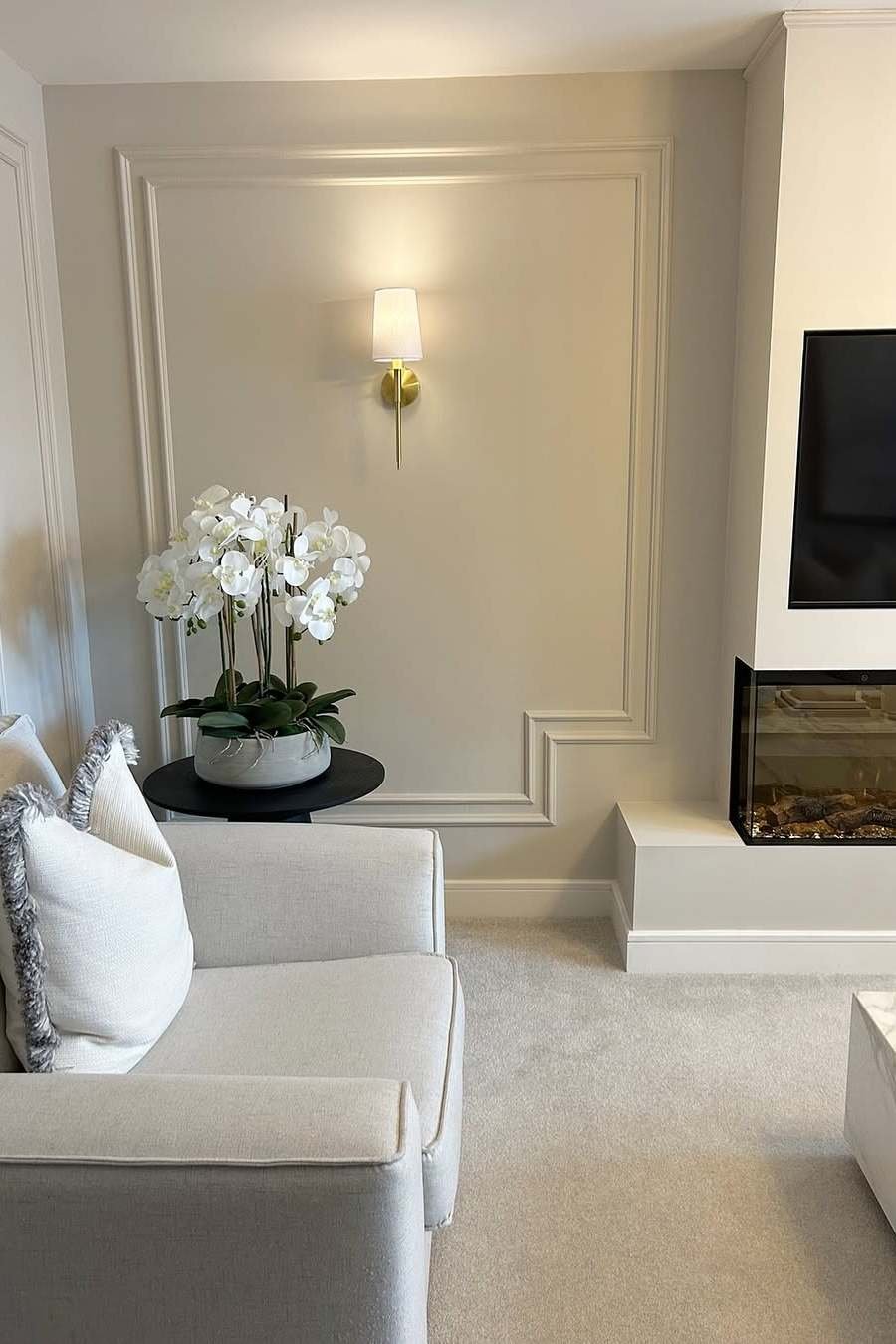
Photo: Clarissa Burke (@clarissashome) on Instagram
6. Add Plug-In Sconces Where the Ceiling Light Fails
Best For: a dark corner, a reading chair, or a bedside with no light at all. Plug-in and battery sconces are the renter’s best lighting upgrade: they mount with a command strip, the cord runs down the wall in a paintable channel, and they give light exactly where you sit. How to Create It: hang a pair flanking the sofa or one beside the bed, at about 60 inches, with a fabric shade to soften the light.
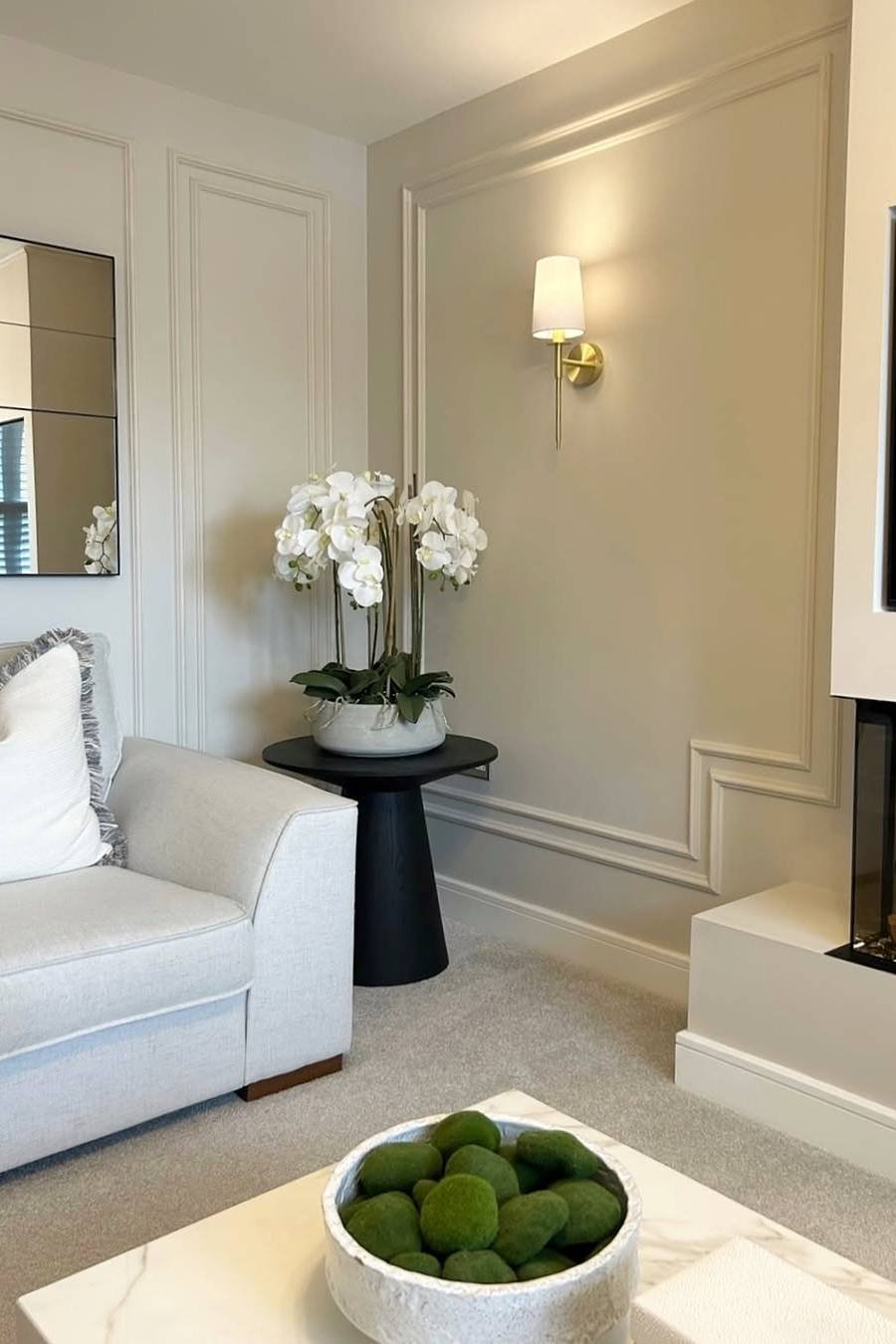
Photo: Clarissa Burke (@clarissashome) on Instagram
7. Swap the Lampshade, Keep the Lamp
Best For: a lamp base you like with a shade that has yellowed, torn, or simply dates the room. A new shade is a ten-minute upgrade that changes the shape and the glow of the lamp: a drum shade reads modern, a tapered linen shade reads classic. How to Create It: measure the old shade before you shop, and hold the new one up to the lamp — the right shade is about two-thirds the base’s height.

Photo: Clarissa Burke (@clarissashome) on Instagram
8. Change Every Bulb to Warm White and Watch the Room Change
Best For: a room that feels like an office at night, with cool white bulbs turning every wall blue-grey. Bulbs are the cheapest small home upgrade of all, and the most skipped — a 2700K warm white bulb makes wood richer, skin better, and white walls creamy instead of clinical. How to Create It: swap every bulb in the room on the same day, so the colour temperature matches — one cool bulb undoes the whole effect. Our bedroom lighting ideas use the same warm-white rule where light matters most.
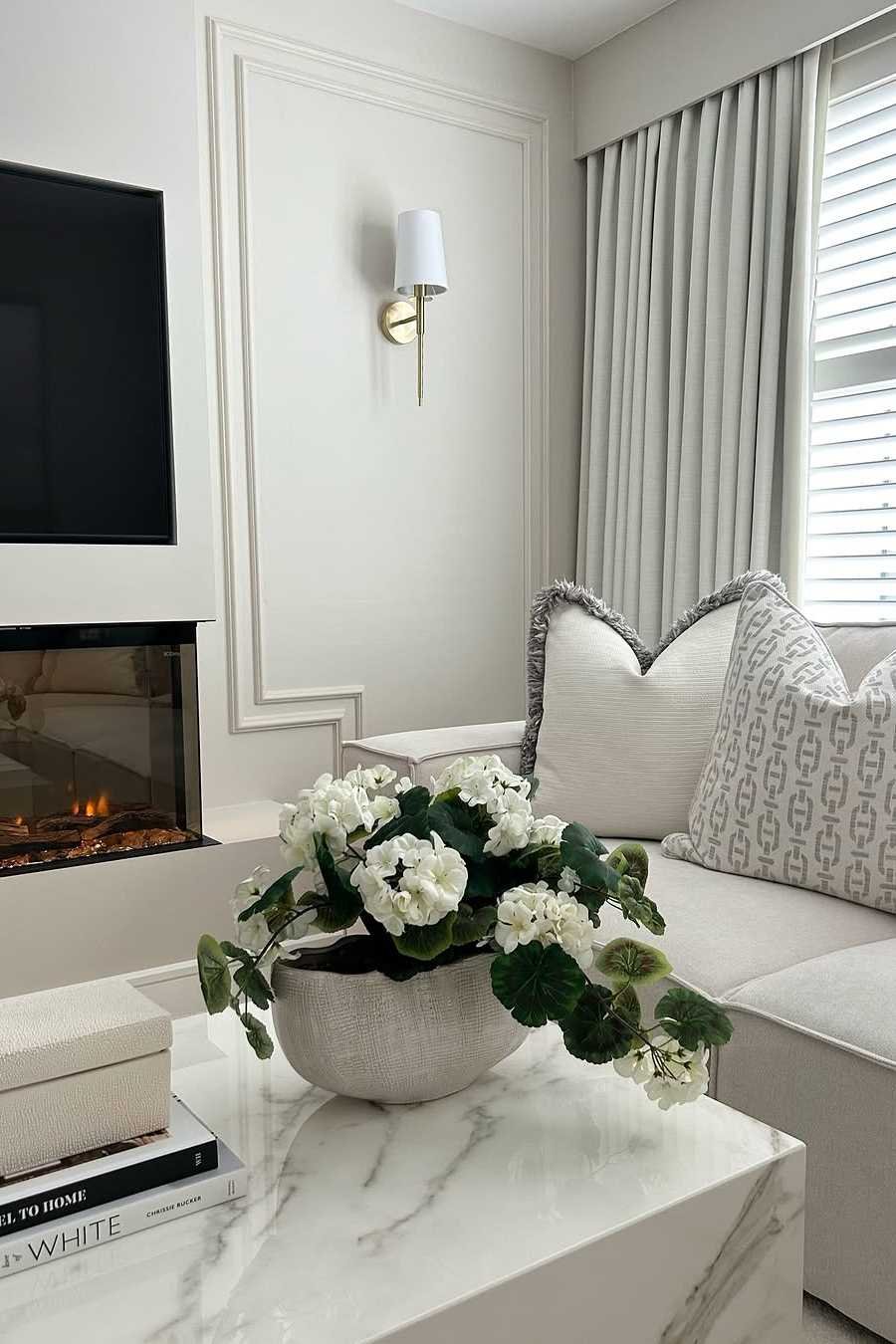
Photo: Clarissa Burke (@clarissashome) on Instagram
9. Layer Three Kinds of Light in Every Room
Best For: a room with a single ceiling light and nothing else. Finished rooms always have three layers: overhead, eye level, and low. Overhead is for cleaning; eye-level is for reading and talking; low light — a candle, a small lamp — is what makes the room feel warm after dark. How to Create It: start with what you have: ceiling light, one table lamp, a candle — already three layers. Then add the missing one — usually the eye-level lamp — before you buy anything else.

Photo: Clarissa Burke (@clarissashome) on Instagram
10. Hang One Statement Light and Let It Do the Decorating
Best For: a plain dining table or a living room with no focal point. One beautiful light — a crystal chandelier, a woven pendant, a warm fabric shade — gives the eye somewhere to land. How to Create It: hang it low — about 30 inches above a dining table — and put it on a dimmer if you can: at full brightness it is an interrogation lamp; at half brightness it is the whole mood of the room.
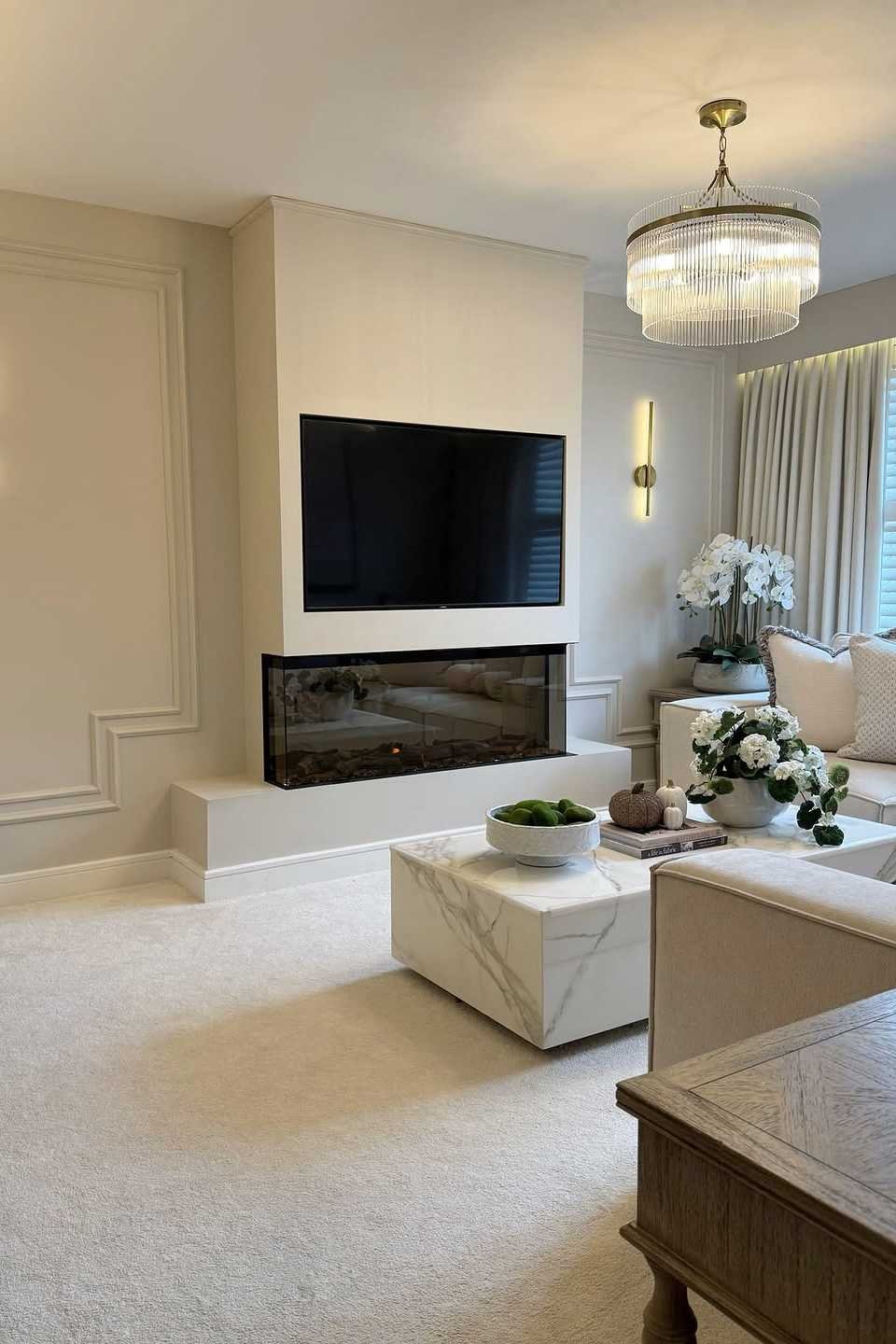
Photo: Clarissa Burke (@clarissashome) on Instagram
How Do You Make a Room Look Finished Without Buying New Furniture?
This is the question behind every “my room feels unfinished” complaint, and the answer is almost never a purchase. A finished room is a styled room: surfaces with a clear job, art at the right height, cushions that look lived-in, and — hardest of all — a little empty space. I learned this the slow way, by buying things to fix rooms that only needed editing. These five upgrades cost nothing or next to nothing.

Photo: Katie Staples (@halfway_wholeistic) on Instagram
11. Style One Surface Until It Looks Deliberate
Best For: a console, sideboard, or coffee table that has become a dumping ground. Pick one surface and finish it: clear it, then put back three things at three heights. How to Create It: a lamp, two books, and a small vase is the classic trio; a leaning framed print adds depth without a nail.
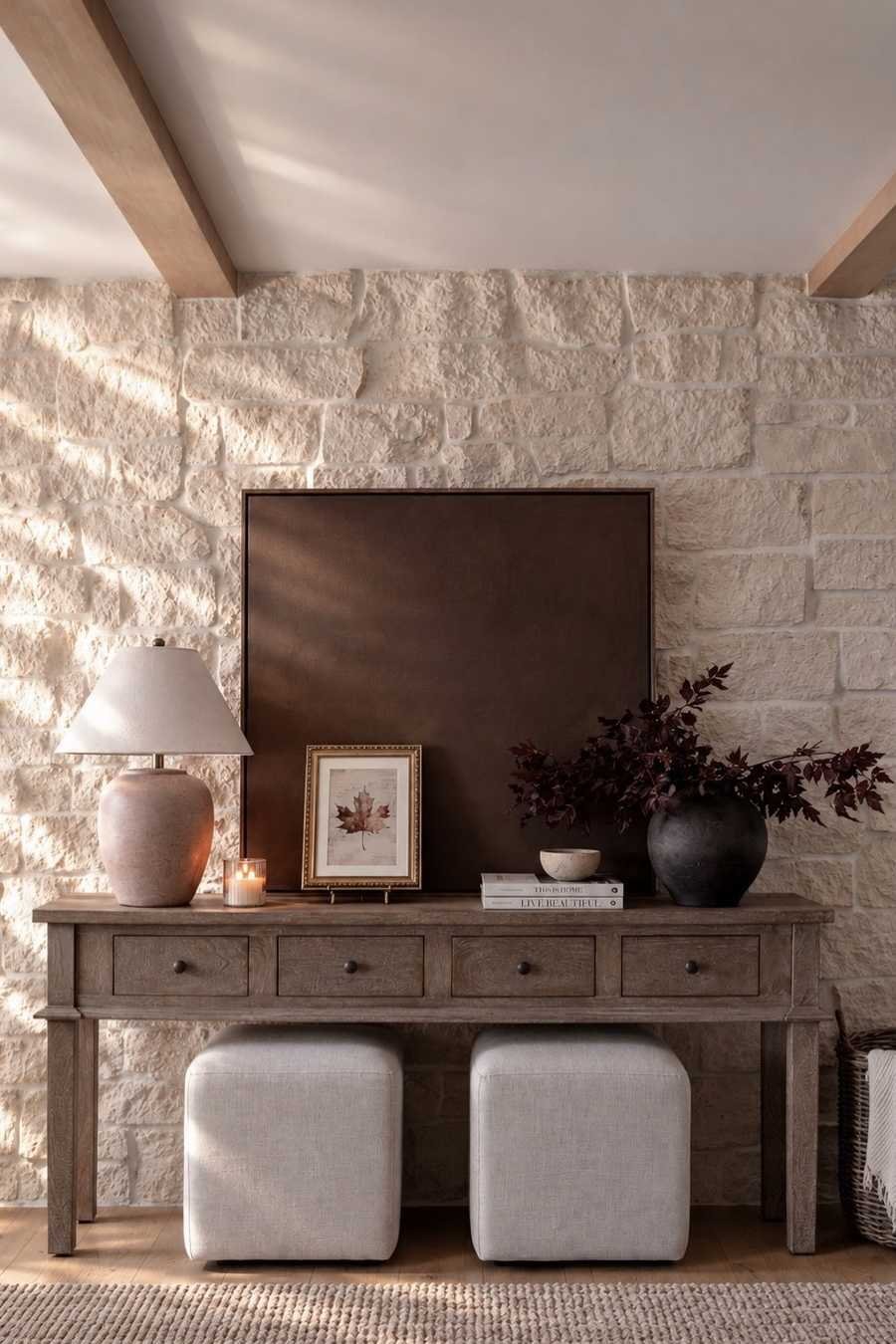
Photo: Katie Staples (@halfway_wholeistic) on Instagram
12. Give the Sofa a Focal Wall
Best For: a sofa pushed against a bare wall, floating in a room with nothing to anchor it. A sofa without a focal point looks temporary, however expensive it was — the fix is behind it. The fix is behind it: a large piece of art, a mirror, or a pair of sconces gives the sofa a backdrop and the room a centre. How to Create It: art should be about two-thirds the sofa’s width, centre at eye level, about 57 inches up.

Photo: Clarissa Burke (@clarissashome) on Instagram
13. Layer Cushions and a Throw Like You Mean It
Best For: a sofa that looks like it came with the flat — flat cushions, no texture, no colour. Cushions are the fastest way to make a sofa look styled: odd numbers, mixed textures, one pattern. How to Create It: three cushions on a two-seater, five on a three-seater, in linen, velvet, and one pattern, with a throw folded over one arm. Cozy boho living room ideas show the same layering with warmer, earthier textures.
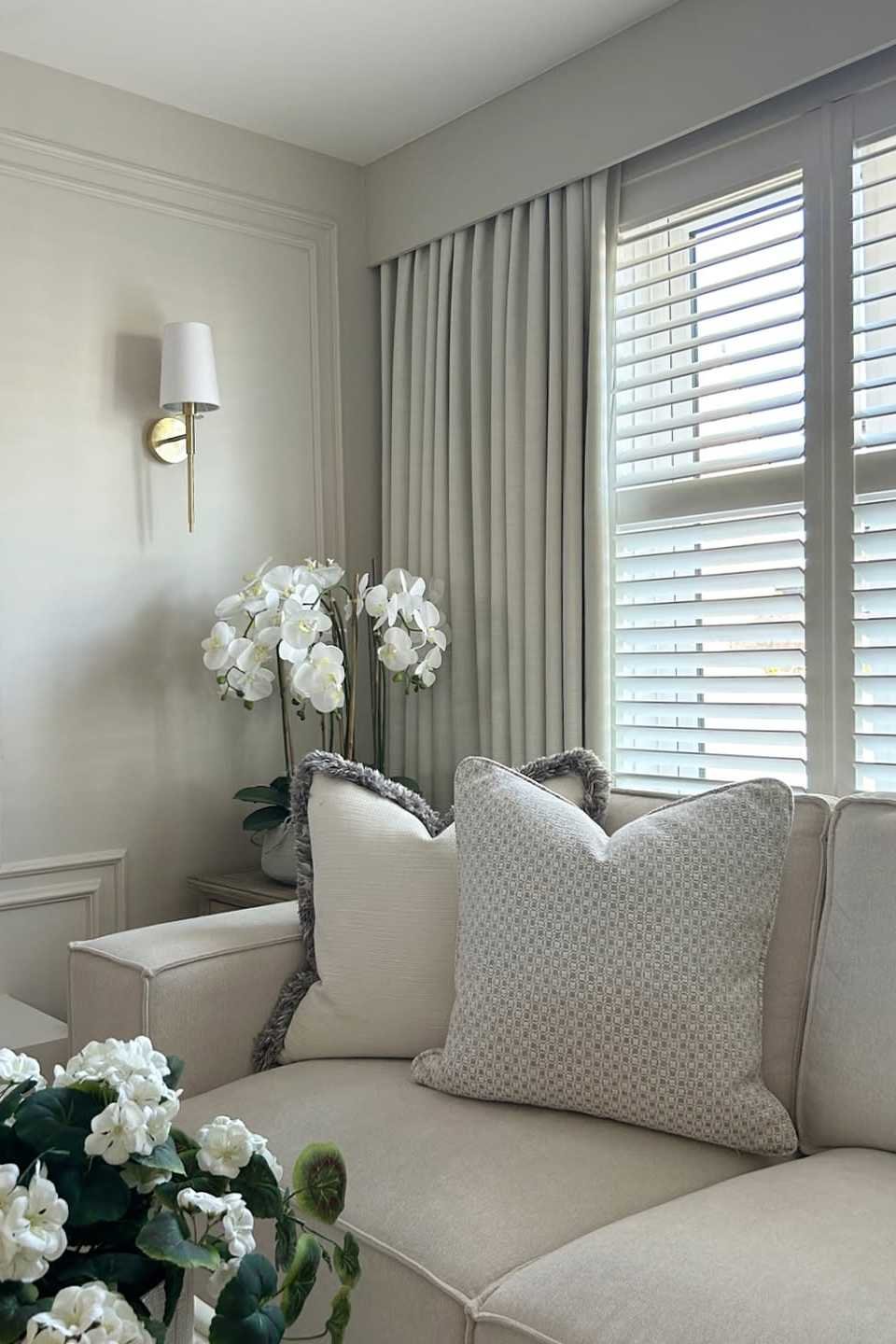
Photo: Clarissa Burke (@clarissashome) on Instagram
14. Remove One Thing From Every Surface
Best For: a room that feels cluttered even though nothing in it is rubbish. The unfinished feeling is often an extra thing, not a missing one: the third candle, the second tray, the plant blocking the window. Editing is free. How to Create It: take one object off every surface — coffee table, console, shelf, windowsill — and box them in another room for a week. If you miss nothing, the box leaves the house; if you miss one thing, only that one comes back.
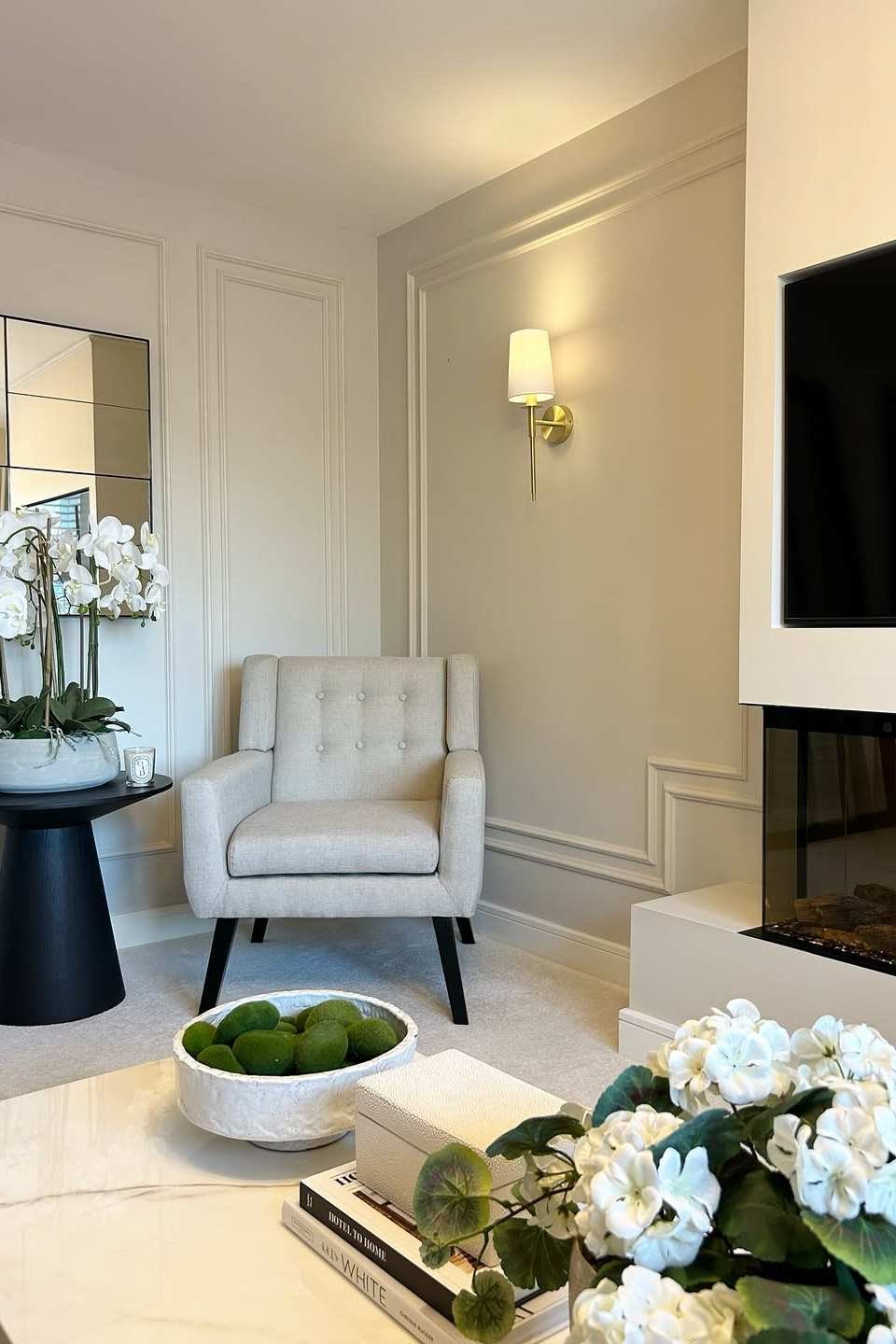
Photo: Clarissa Burke (@clarissashome) on Instagram
15. Repeat One Material in Three Places
Best For: a room where every object is lovely and nothing matches — the classic “I bought things I liked” room. Repetition is what makes a room feel designed instead of accumulated — the same wood on the coffee table and frames, the same black on the lamp base and curtain rod, the same brass on the tap and mirror. How to Create It: pick the material you already have most of and add it in two more places: a tray, a frame, a vase. Three repeats is the magic number; five starts to look like a theme. See cozy earthy living room ideas for the earthier version.
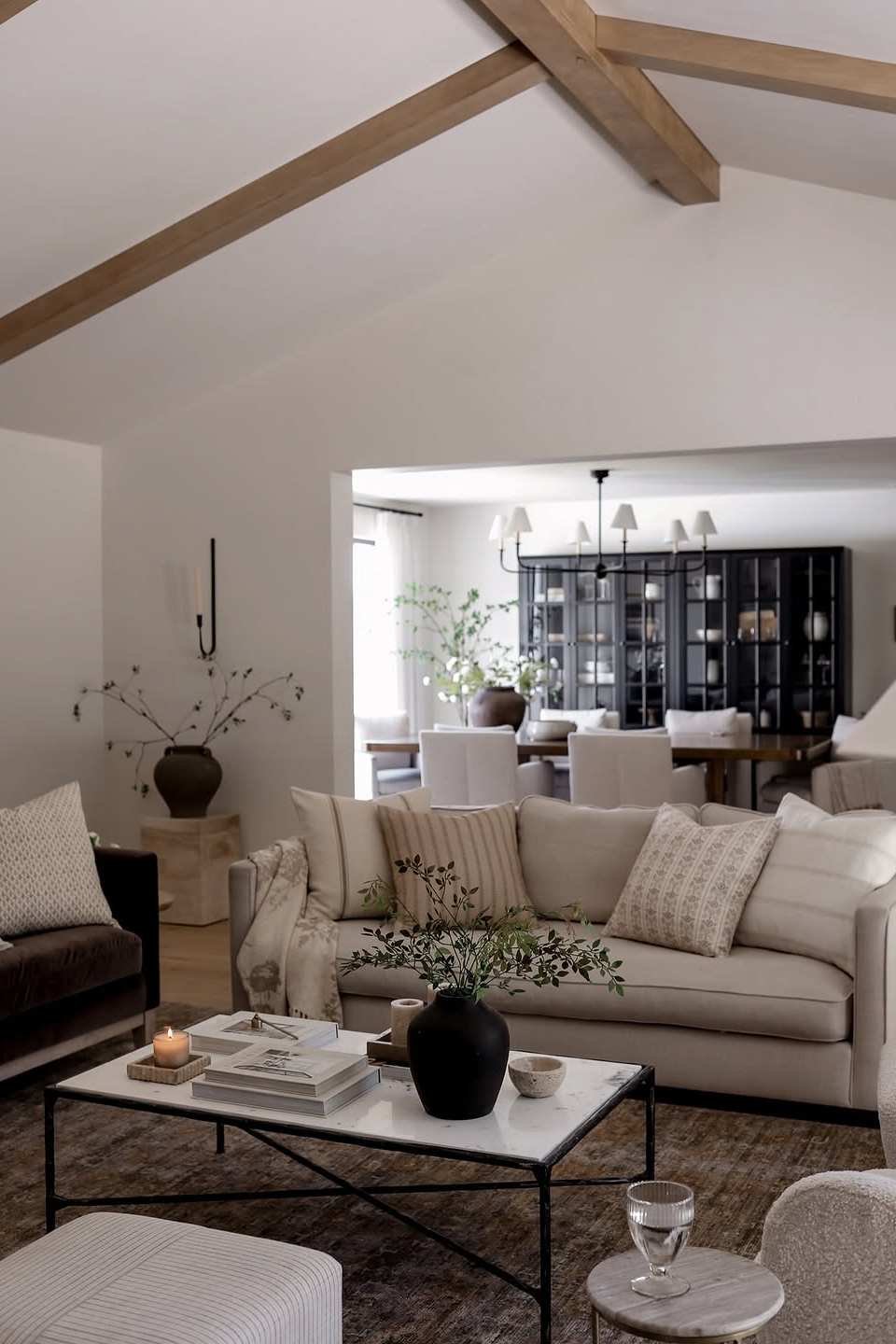
Photo: Katie Staples (@halfway_wholeistic) on Instagram
How Do You Warm Up a Room With White Walls?
White walls are not the problem — cold rooms are. A white wall with warm textiles, wood, art, and warm light feels bright and calm; the same wall with grey furniture and cool bulbs feels like a waiting room. The mistake is reaching for the paint chart first. Paint is the most expensive way to warm a room, and the last thing I would change. Everything below costs less, works faster, and can be undone in an afternoon.
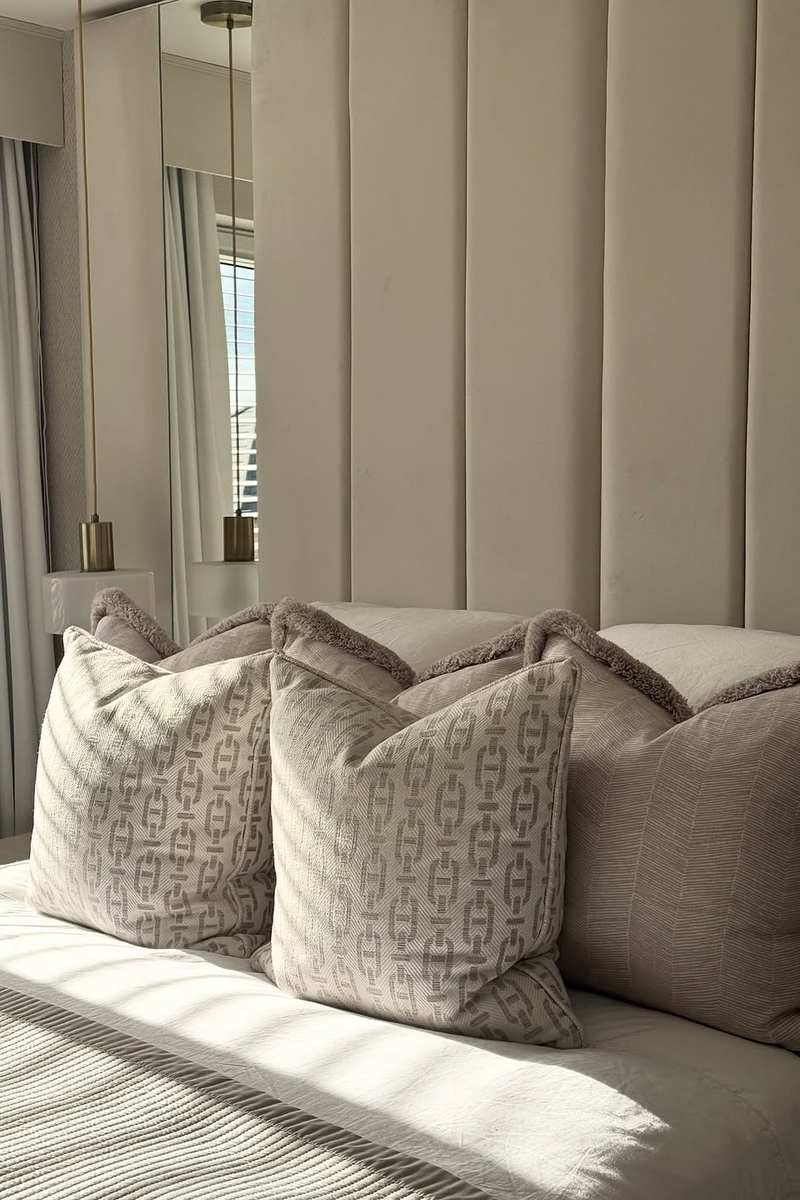
Photo: Clarissa Burke (@clarissashome) on Instagram
16. Start With Warm Textiles, Not Paint
Best For: a white room that feels stark no matter how much furniture is in it. Textiles are the fastest warmth you can add — a cream throw instead of grey, linen cushions instead of satin, a wool rug instead of flat weave. How to Create It: change one textile to something warm and textured — the throw on the sofa arm is the easiest. Our cozy Scandinavian living room guide shows the same trick in pale, pared-back rooms.
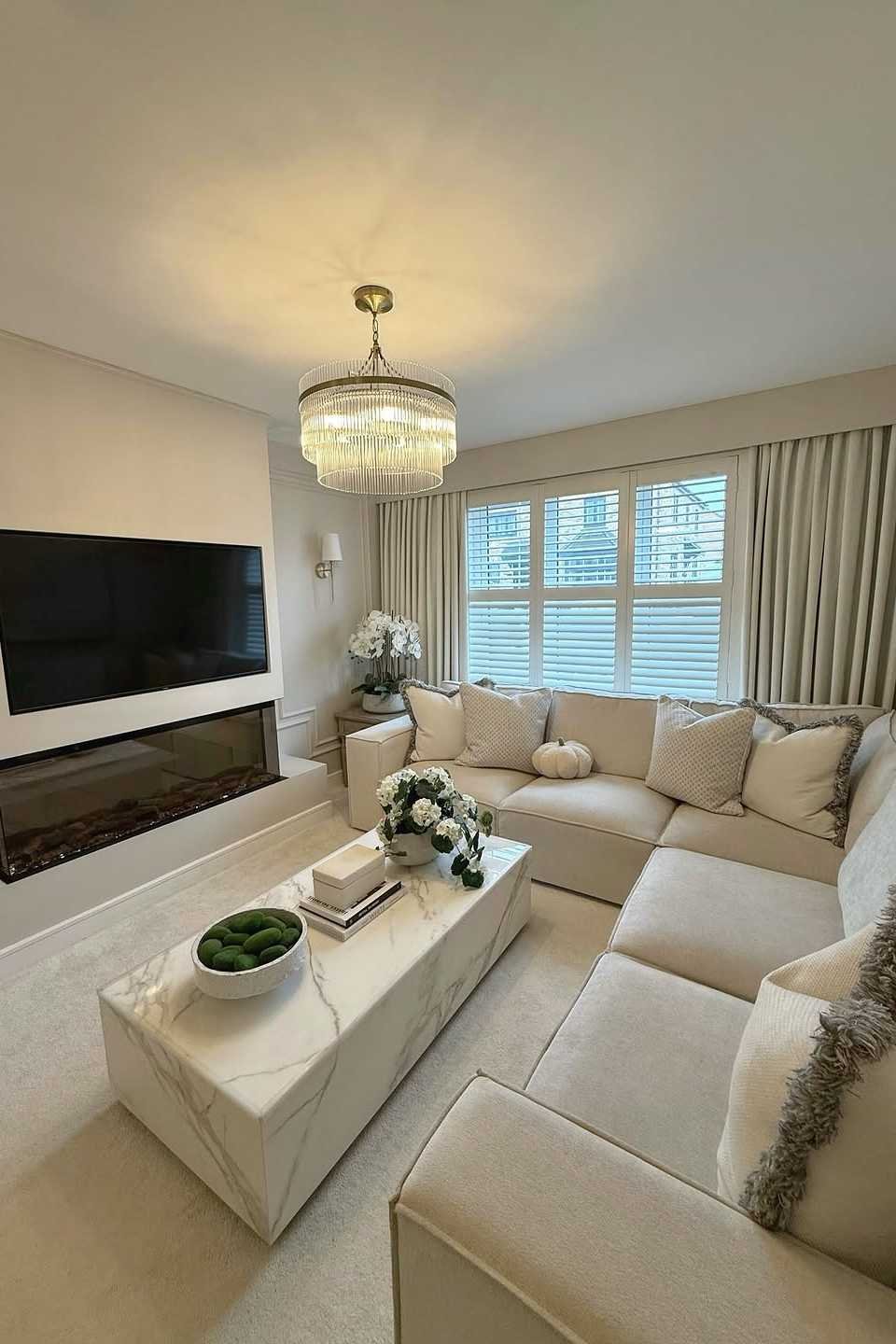
Photo: Clarissa Burke (@clarissashome) on Instagram
17. Bring In Wood Tones to Break Up the White
Best For: a white room with white furniture and chrome — the all-white room that photographs beautifully and feels cold to sit in. Wood is the antidote: a wooden coffee table, a walnut frame, a woven basket, a wooden tray. How to Create It: add wood in one medium tone, repeated twice — coffee table, picture frames, basket by the sofa. Avoid matching sets; three wood tones in the same warm family look collected, while one matched set looks boxed.

Photo: Clarissa Burke (@clarissashome) on Instagram
18. Hang Art That Adds Colour to the Wall
Best For: a large white wall with nothing on it, or a small frame lost in the middle of it. Art is the fastest colour you can add to a white room, and the most personal — a room with art looks lived in, while a room without it looks like it is waiting for someone to move in. How to Create It: go bigger than you think: a single large piece, or a pair hung together, fills a white wall better than a scatter of small frames. Hang the centre at eye level, and choose art with a warm colour in it — ochre, terracotta, rust.

Photo: Clarissa Burke (@clarissashome) on Instagram
19. Ground the Room With a Rug
Best For: a white room where the furniture floats on a hard floor and nothing connects. A rug is the anchor of a room: it defines the seating area and adds colour and pattern at floor level. How to Create It: the front legs of the sofa and chairs should sit on it, and choose a warm-toned pattern so the floor stops reflecting cold light upward. A rug that is too small is worse than none, so measure and go one size up if torn.
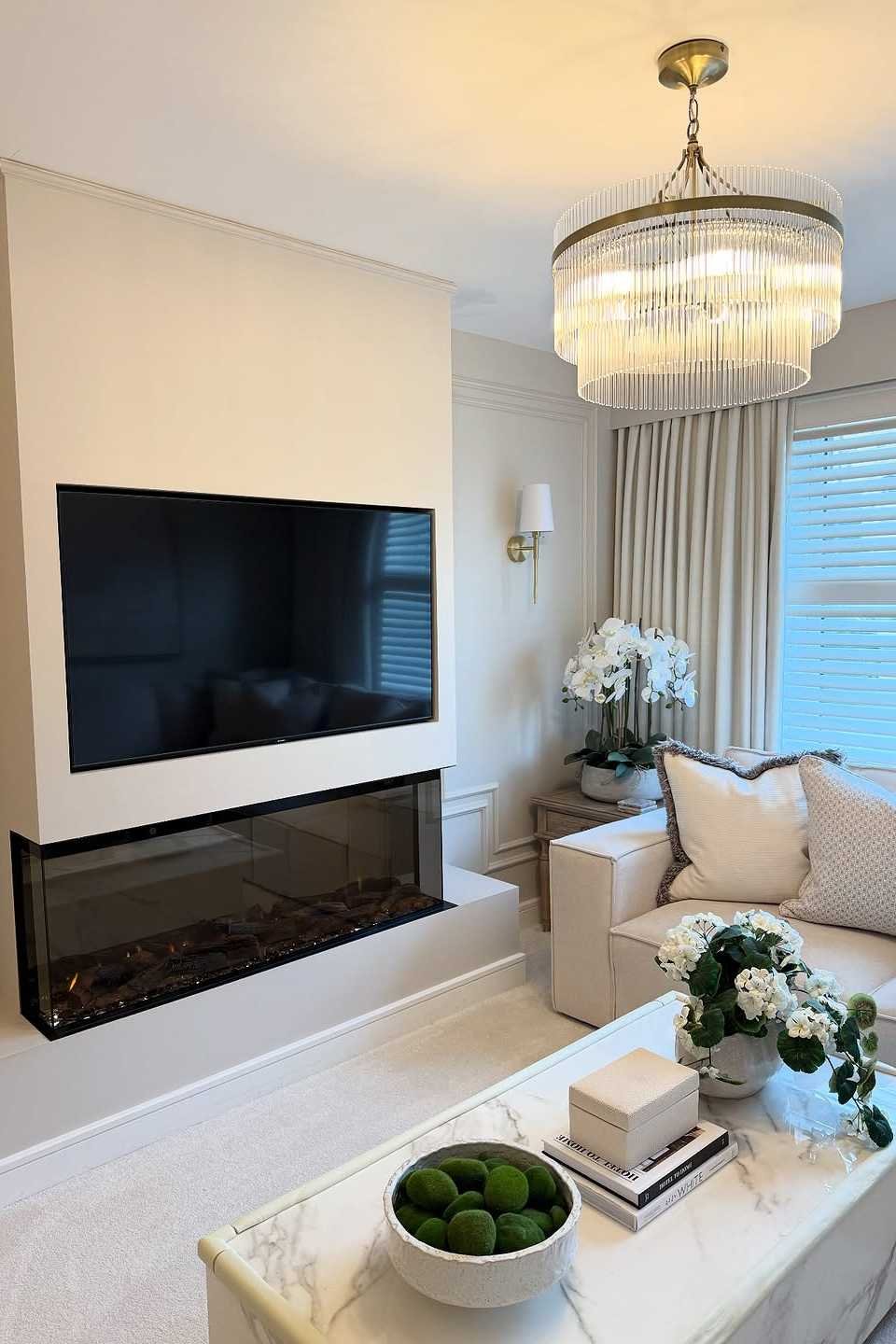
Photo: Clarissa Burke (@clarissashome) on Instagram
20. Hang Curtains That Touch the Floor
Best For: a white room with bare windows or curtains that stop at the sill. Full-length curtains in a warm neutral — linen, cotton, or a soft weave — warm a white wall more than any paint colour. How to Create It: hang the rod four to six inches above the window frame and let the panels just kiss the floor, and hang them wide enough that the open curtains frame the window instead of covering it.
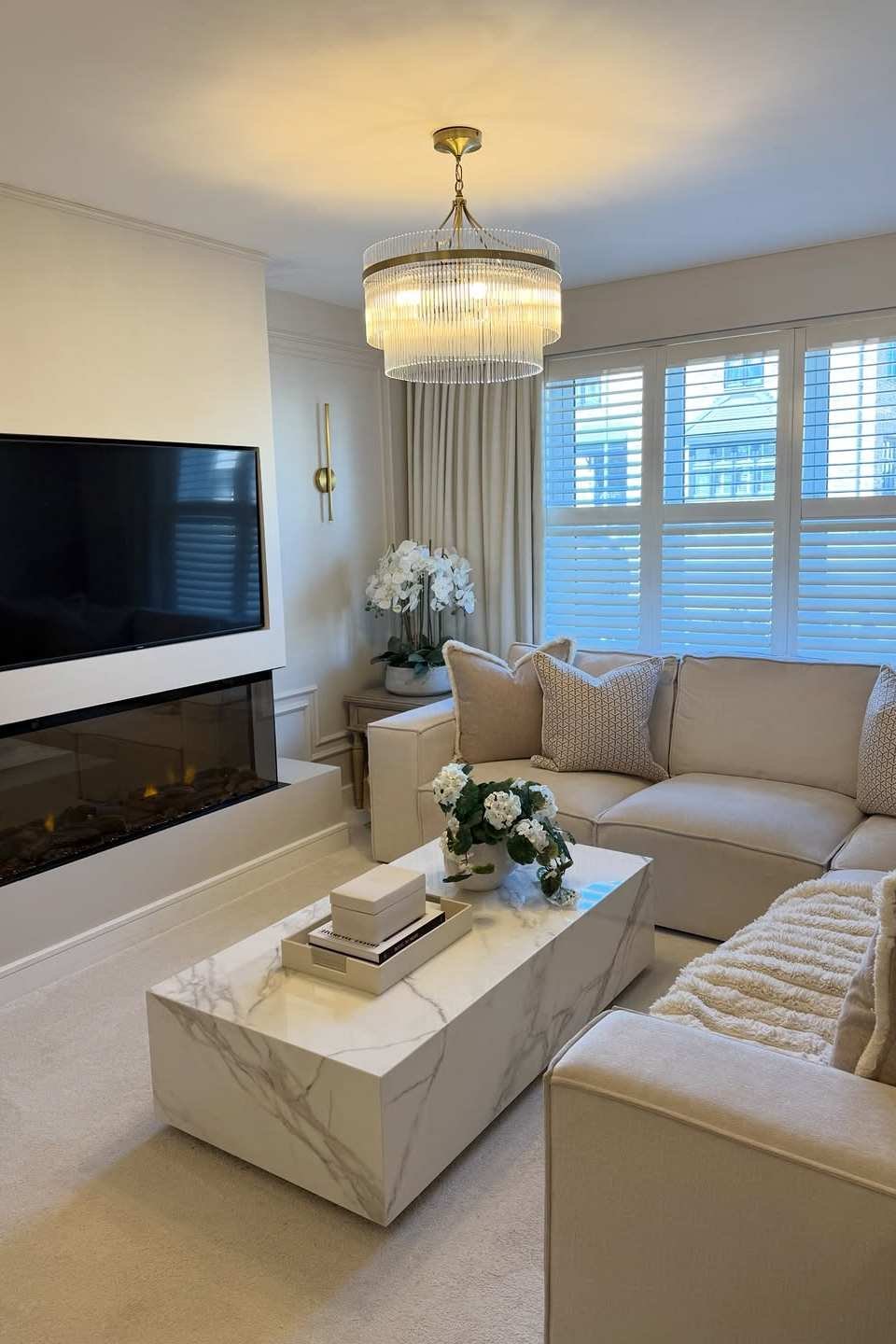
Photo: Clarissa Burke (@clarissashome) on Instagram
21. Finish With Warm Metal and Warm Light
Best For: a white room that is nearly there but still feels flat in the evening. Warm metal — brass, copper, aged gold — catches the light: a brass picture light, a copper vase, a gold-framed mirror. How to Create It: add warm metal in two or three small places, beside a warm bulb, so the metal has something warm to reflect. Chrome and cool light make a white room clinical; brass and warm light make it feel like home.

Photo: Clarissa Burke (@clarissashome) on Instagram

A finished home is not a renovated home, and not a home full of new things. It is a home where the tap feels good in your hand, the light is warm at 7pm, and the white walls have something warm to answer them. Pick the three small home upgrades that bother you most and do them this weekend, then live with the room for a week. The next three will be obvious by then — a nearly finished room tells you exactly what it still needs.
💬 Join Our Decor Community
Decor Fern | Home Decor Ideas & Inspiration — share your rooms, get ideas, and chat with fellow decor lovers.
Join the Facebook GroupFollow on Facebook
One Comment