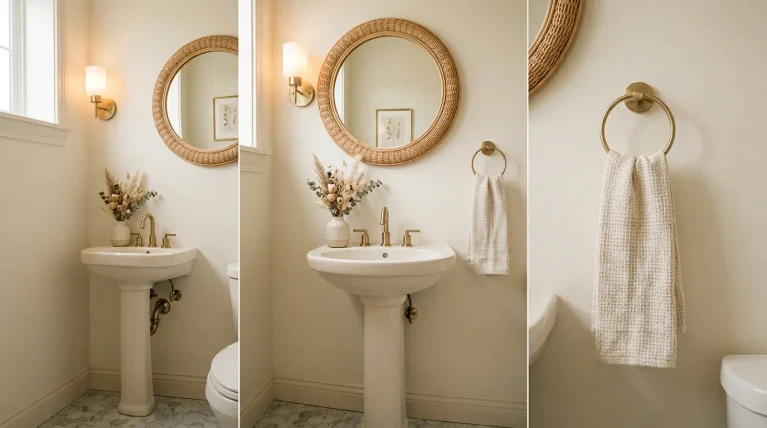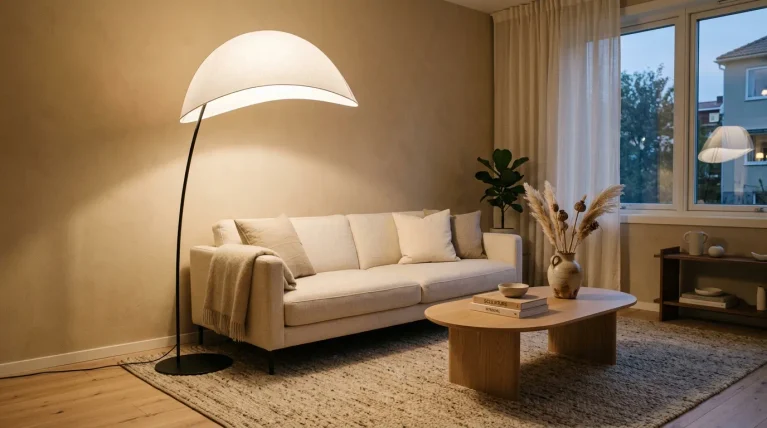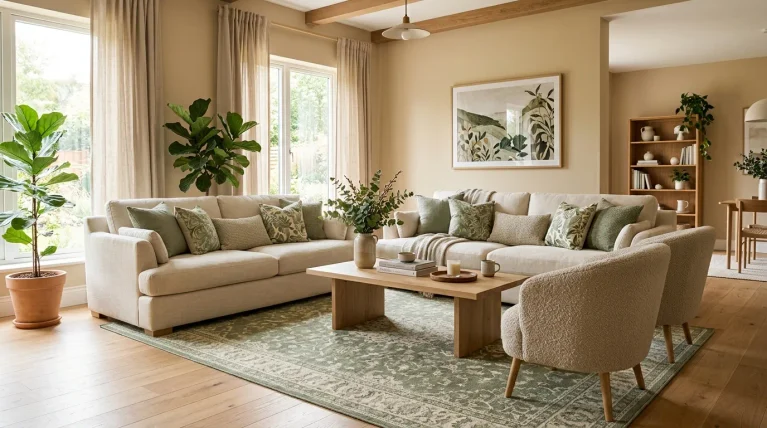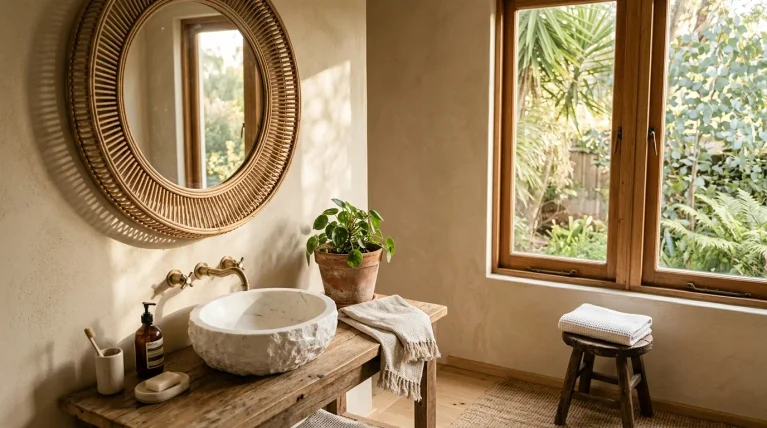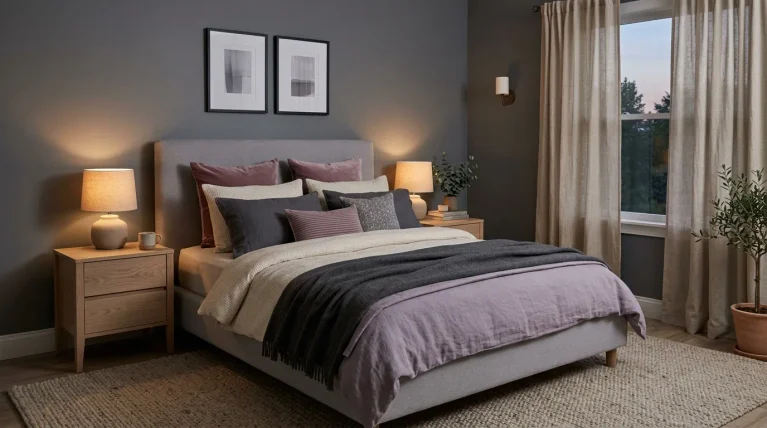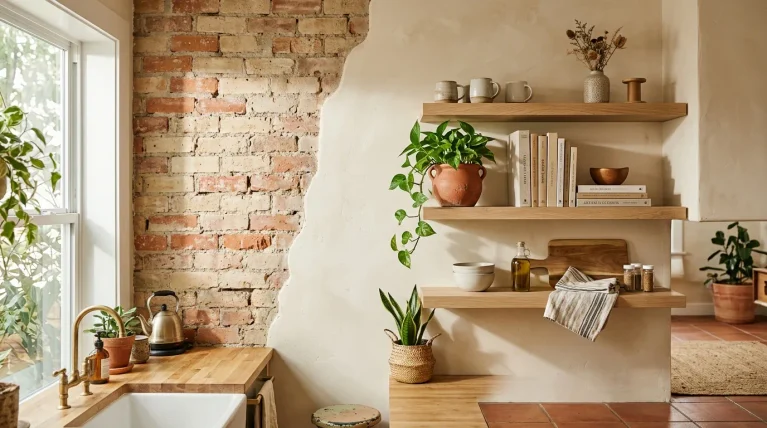
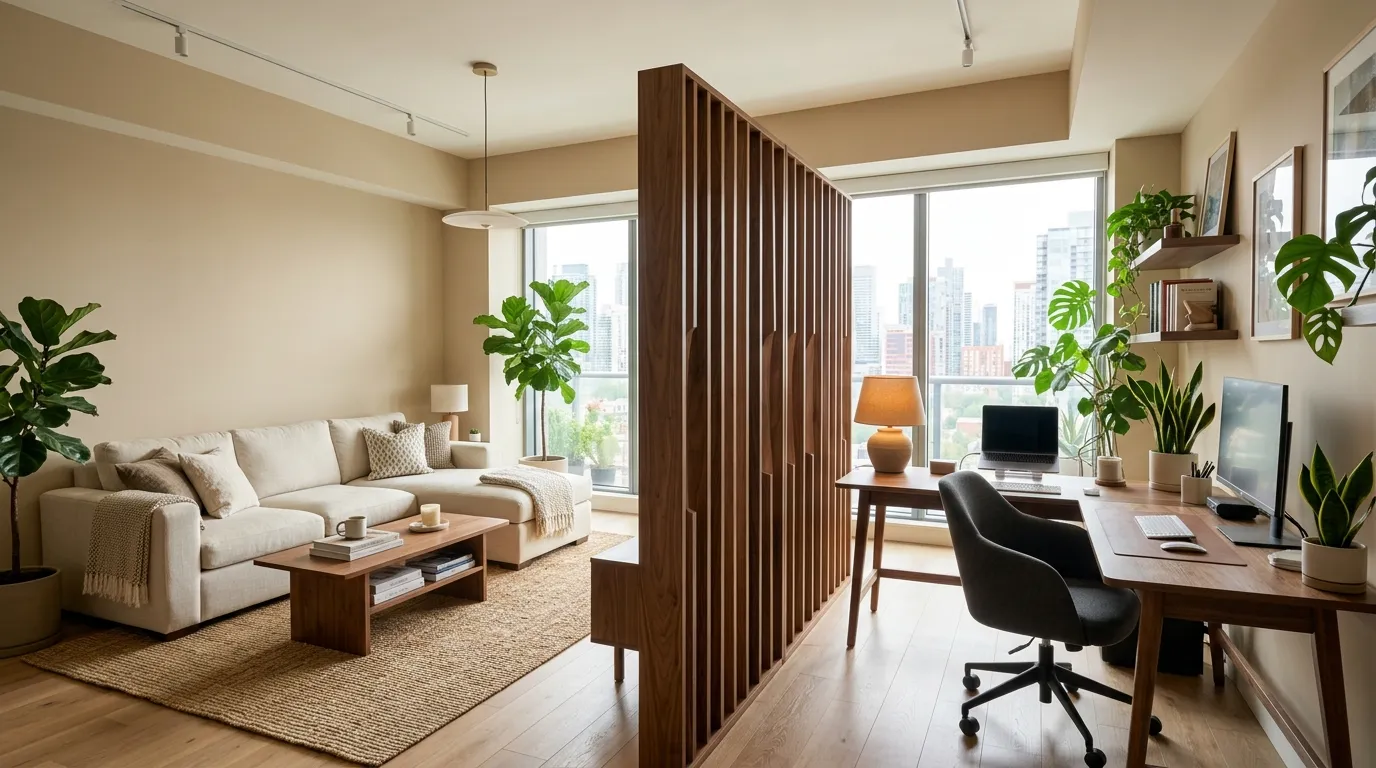
Your home doesn’t need a complete makeover to feel fresh, current, and more like you. Sometimes, one curved chair, a warmer color, a textured wall, or a beautiful statement lamp can completely change the atmosphere. The best 2026 home decor trends are moving toward spaces that feel personal, comfortable, layered, and connected to natural materials rather than overly perfect or predictable.
From rich wood and handcrafted ceramics to oversized artwork, biophilic details, moody accent rooms, and collected decor, these ideas offer plenty of inspiration for every decorating style. Whether you’re refreshing one corner or planning a larger update, the goal is simple: create a space that looks beautiful, works for everyday life, and still feels like home.
1. Organic Curved Furniture
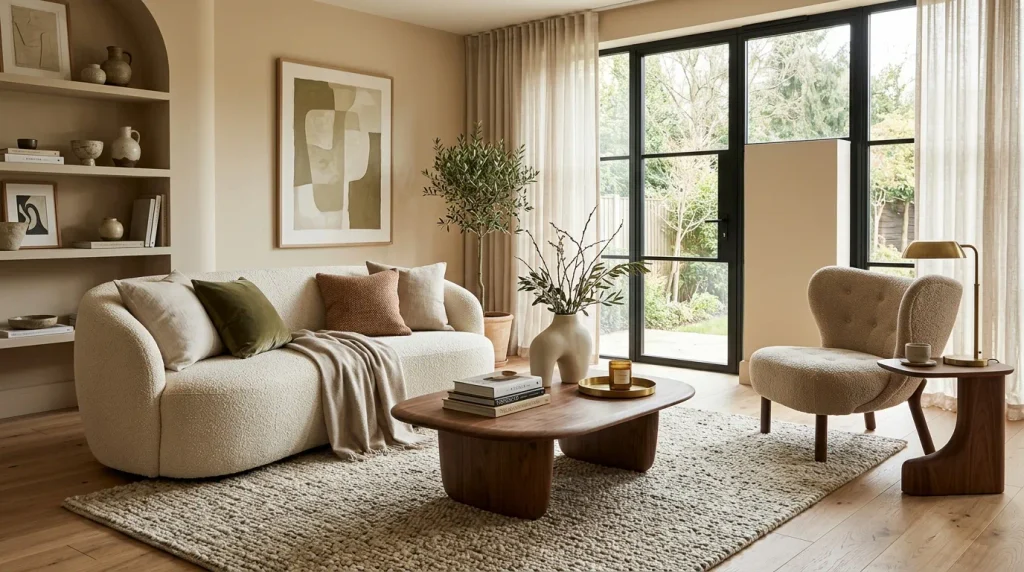
- Rounded sofas instantly soften rooms dominated by straight architectural lines.
- A curved coffee table creates smoother movement through the seating area.
- Bouclé, linen, and woven fabrics emphasize the furniture’s gentle silhouettes.
- Pair organic shapes with warm wood to keep the room grounded.
- Leave enough open space around curved pieces so their shape remains noticeable.
Curved furniture is becoming one of the defining 2026 home decor trends because it brings softness and movement into modern interiors. Rounded sofas, barrel chairs, oval coffee tables, and sculptural ottomans create a more welcoming atmosphere than rows of rigid rectangular furniture. The shapes naturally encourage conversation and make seating areas feel less formal. In my experience, adding just one curved piece can noticeably change the personality of a room without requiring a complete makeover. Choose a softly rounded sofa or accent chair, then balance it with warm wood and simple neutral accessories.
The key is to let the curves stand out rather than surrounding them with too many competing shapes. A rounded sofa looks beautiful with a low oval table, textured rug, and one sculptural lamp, while straight-lined shelving can provide useful contrast. Neutral upholstery keeps the furniture versatile, but muted olive, caramel, or clay tones can make the silhouette more dramatic. For smaller rooms, choose a compact curved chair or ottoman instead of an oversized sofa. Keep pathways open around the furniture so the room remains functional, comfortable, and visually spacious.
Also Read : 22 Dark Green Bedroom Ideas for a Moody Cozy Retreat
2. Warm Earthy Palettes
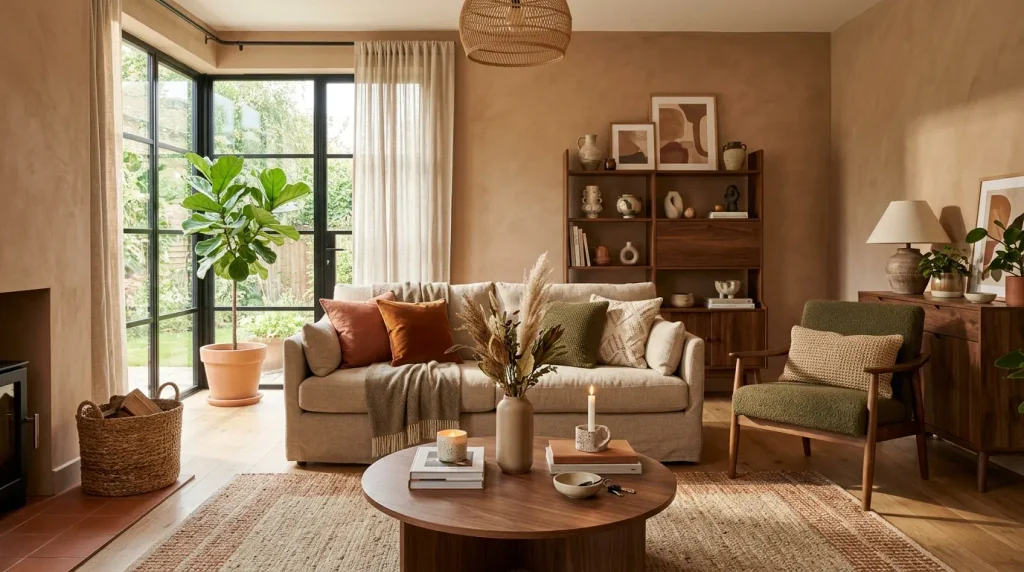
- Terracotta and clay tones instantly make neutral rooms feel warmer.
- Caramel and walnut add depth without making the palette feel too dark.
- Muted olive provides a natural accent color that works across seasons.
- Layer several earthy shades instead of relying on one dominant color.
- Use textiles and ceramics to introduce color without expensive renovations.
Warm earthy colors are bringing more personality into interiors in 2026, moving beyond the endless cycle of cool gray and stark white. Think terracotta, caramel, clay, warm beige, cinnamon, muted olive, and soft brown layered throughout a room. These shades work especially well because they create warmth without feeling overly bright or trendy. A simple beige sofa can look completely different when surrounded by rust-colored cushions, walnut furniture, and a clay ceramic vase. I’ve noticed that earthy palettes also make natural materials such as linen, wood, stone, and rattan feel richer and more dimensional.
You don’t have to repaint an entire room to embrace this direction. Start with smaller pieces such as cushions, curtains, artwork, throws, or ceramic accessories, then build the palette gradually. If you prefer a calmer look, keep walls and large furniture neutral while introducing deeper earthy shades through accessories. For a stronger effect, consider a warm clay accent wall or color-drenched corner. The most successful combinations usually mix several related tones instead of matching everything exactly. This creates a collected appearance that feels comfortable, sophisticated, and easy to update when your preferences change.
Also Read : 24 Pot Painting Ideas for Creative Home Decor
3. Textured Neutral Walls
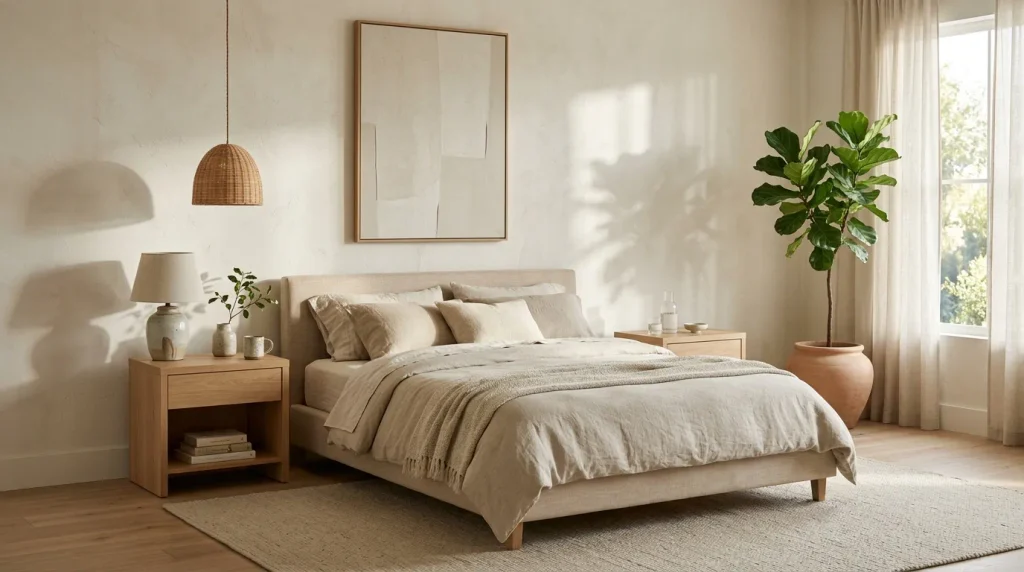
- Textured walls add depth without introducing strong colors or busy patterns.
- Limewash and plaster finishes create subtle movement as natural light changes.
- Warm ivory and beige tones keep the room calm and versatile.
- Pair textured walls with simple furniture so the surface remains the focal point.
- Test finishes on a small area before committing to the entire room.
Plain walls are getting a tactile upgrade as homeowners look for interiors that feel layered without becoming visually crowded. Limewash, plaster, Roman clay, and other softly textured finishes can add subtle depth to bedrooms, living rooms, dining spaces, and entryways. Instead of relying on bold wallpaper or strong patterns, the wall itself becomes part of the design. Natural daylight reveals small variations across the surface, making the room feel more dimensional throughout the day. This is one of the 2026 home decor trends that can create a noticeable transformation while still maintaining a calm, timeless atmosphere.
The beauty of textured neutral walls is their versatility. Warm ivory, mushroom, sand, taupe, and soft beige can work with both traditional and contemporary furniture, making them easier to live with than highly saturated colors. Keep the rest of the room relatively simple, using linen, wood, stone, or handmade ceramics to reinforce the tactile feeling. If you’re unsure about committing to an entire room, begin with a small accent wall or hallway. I’ve found that natural-looking imperfections often make a space feel more personal, especially when sunlight can move across the textured surface during the day.
Also Read : 24 Modern Fireplace Ideas for a Stylish Cozy Home
4. Statement Ceiling Designs
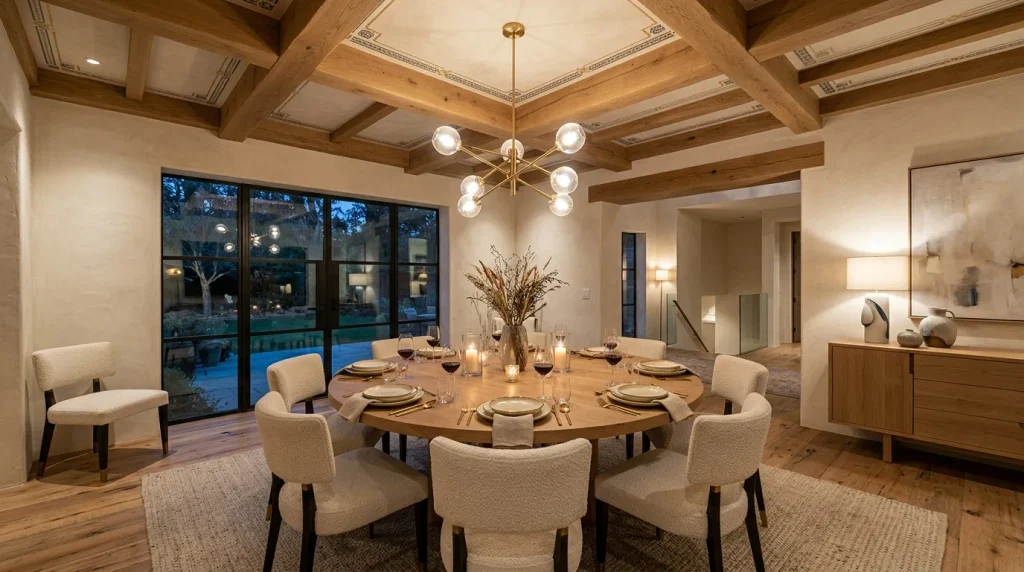
- Treating the ceiling as a design surface adds interest people notice immediately.
- Wood beams can introduce warmth and architectural character.
- Wallpaper or paint can create impact without changing the furniture.
- A statement light fixture can reinforce the ceiling as the room’s focal point.
- Keep walls and furnishings restrained when the ceiling has strong detail.
The fifth wall is finally getting the attention it deserves, with ceilings becoming an increasingly creative part of interior design. Instead of leaving the overhead surface plain white, homeowners are using beams, color, wallpaper, paneling, and architectural details to add personality. A statement ceiling can completely change how a room feels because it draws the eye upward and creates another layer of visual interest. In a dining room, for example, warm wood beams paired with a sculptural pendant can make a simple table feel much more intentional without requiring major changes to the surrounding furniture.
The right ceiling treatment depends on the room’s height, natural light, and existing architecture. Darker colors can create an intimate atmosphere in a large room, while lighter tones with subtle texture work beautifully in smaller spaces. If permanent changes aren’t practical, removable wallpaper or painted detailing can provide a similar effect. Avoid adding too many competing elements underneath; the ceiling should have enough visual breathing room to remain noticeable. A restrained furniture palette often works best because it allows the overhead detail to become a memorable focal point without making the entire room feel overwhelming.
Also Read : 25 Modern Easter Decor Ideas for a Fresh Spring Look
5. Vintage Furniture Revival
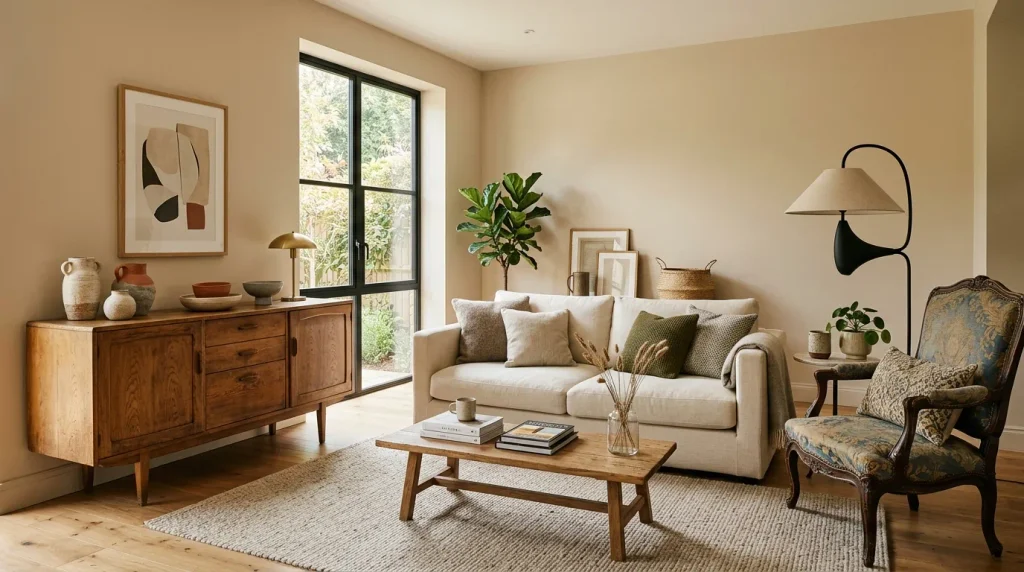
- Vintage furniture adds character that mass-produced pieces often lack.
- Mix one or two older pieces with modern furniture for balance.
- Look for visible wood grain, aged finishes, and quality construction.
- Reupholstering an old chair can give it a completely fresh appearance.
- Avoid matching every piece so the room feels collected over time.
Vintage furniture is finding new life as homeowners move toward interiors that feel personal rather than perfectly coordinated. An antique sideboard, old wooden chair, carved cabinet, or vintage coffee table can add instant character to an otherwise modern room. The contrast is what makes the look work: contemporary sofas and clean-lined lighting keep the space current, while older furniture brings warmth, history, and visual depth. I’ve noticed that even one genuinely aged piece can make a room feel more distinctive because its small imperfections create interest that brand-new furniture often cannot replicate.
You don’t need to furnish an entire room with antiques to achieve this look. Start with one statement piece and build around it using modern, comfortable essentials. If an old chair has a beautiful frame but worn upholstery, replacing the fabric can preserve its character while making it practical again. Choose finishes that complement your existing palette rather than forcing everything to match. A warm oak cabinet can work beautifully with cream upholstery, brass lighting, and contemporary artwork. The result feels layered and intentional while avoiding the showroom appearance of a completely matching furniture set.
Also Read: 21 Moody Dining Room Ideas for a Dramatic Cozy Space
6. Natural Stone Accents
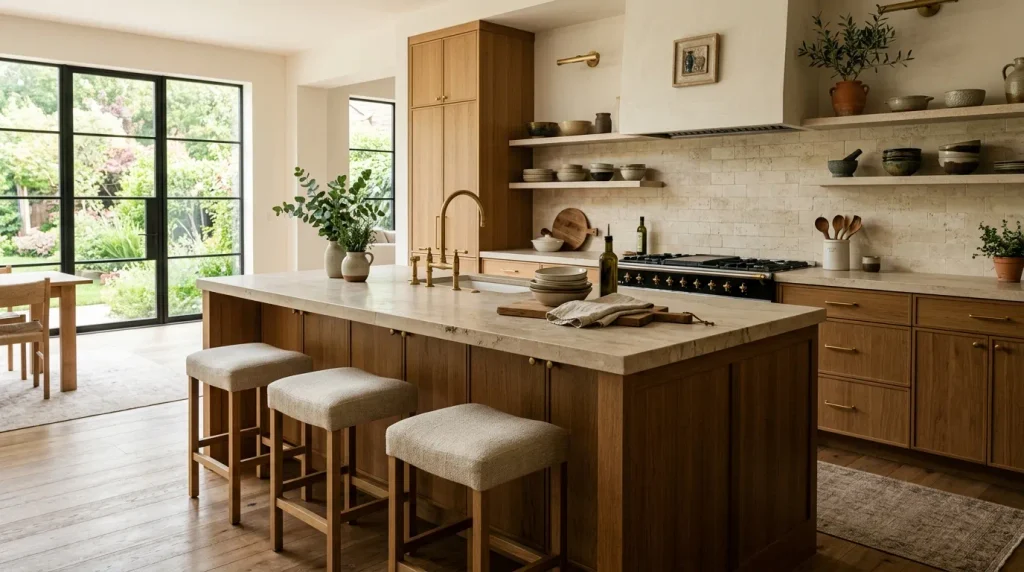
- Natural stone brings subtle variation that manufactured surfaces often cannot replicate.
- Limestone, travertine, and marble can add warmth when paired with wood.
- Choose honed finishes for a softer, less glossy appearance.
- Small stone accessories can introduce the trend without a major renovation.
- Let the natural veining remain visible instead of covering it with clutter.
Natural stone is becoming a favorite way to bring authentic texture and quiet luxury into modern interiors. Limestone, travertine, marble, and soapstone can add subtle movement through their natural veining, pores, and color variations. A stone kitchen island can become the room’s anchor, while a limestone console or marble side table offers a smaller-scale way to introduce the material. Unlike heavily patterned finishes, natural stone can feel both sophisticated and grounded. Pairing it with warm wood, linen, and handmade ceramics creates a balanced interior that feels connected to nature rather than overly polished.
The finish you choose can change the entire effect. Honed stone generally creates a softer, more understated appearance, while polished surfaces reflect more light and feel more formal. If a full stone installation isn’t practical, consider smaller pieces such as serving boards, trays, lamp bases, or side tables. Natural variation is part of the appeal, so don’t expect every section to look identical. That irregularity gives the material personality. In my experience, stone looks especially beautiful when surrounded by restrained colors because its natural texture becomes the detail instead of competing with multiple decorative patterns.
Also Read : 22 Palm Sunday Decorations Home Ideas for a Peaceful Space
7. Layered Lighting Schemes
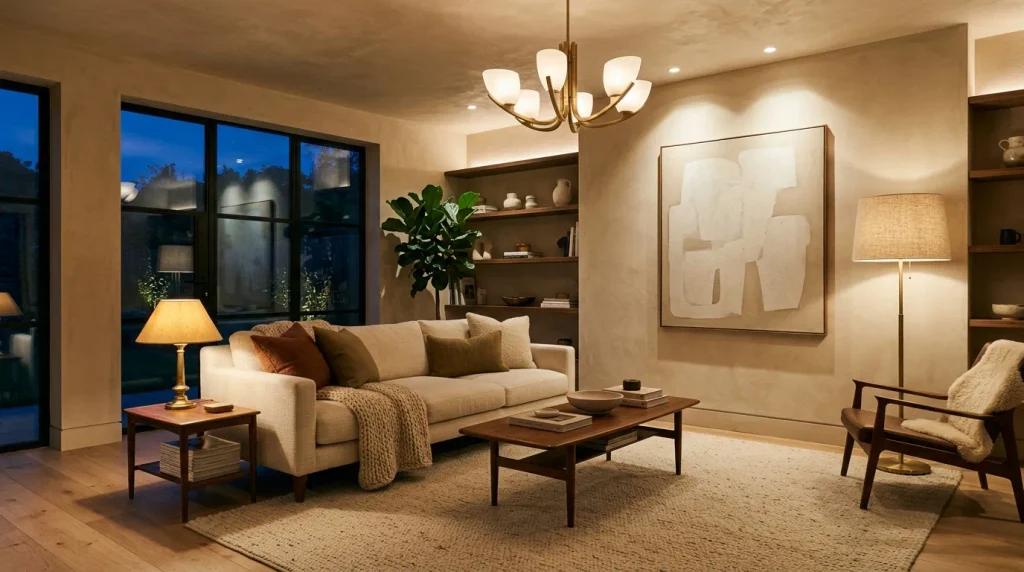
- Combine overhead, task, and accent lighting instead of relying on one fixture.
- Table lamps create warm pools of light at eye level.
- Floor lamps can illuminate darker corners and reading areas.
- Dimmers make lighting easier to adjust throughout the day.
- Choose fixtures with complementary finishes for a cohesive look.
Good lighting can make an average room feel completely different, which is why layered lighting remains an important part of modern interior design. Instead of depending on one ceiling fixture, combine overhead lighting with table lamps, floor lamps, wall sconces, and subtle accent lights. Each source serves a different purpose while creating a softer overall atmosphere. A living room might use a central pendant for general illumination, a floor lamp beside a chair for reading, and a small table lamp on a sideboard for evening warmth. The result feels more comfortable because the room isn’t illuminated from only one direction.
Start by thinking about what you actually do in each part of the room. A desk needs focused light, while a seating area benefits from softer illumination at different heights. Warm bulbs can make wood, linen, and neutral upholstery appear richer after sunset. Dimmers are also useful because they let one fixture support different activities throughout the day. I’ve noticed that placing lamps at varied heights creates more depth than using several fixtures at the same level. Keep the designs related but not identical, and let each light contribute something useful to the overall room.
Also Read : 21 Contemporary Coastal Living Room Ideas to Try
8. Rich Wood Interiors
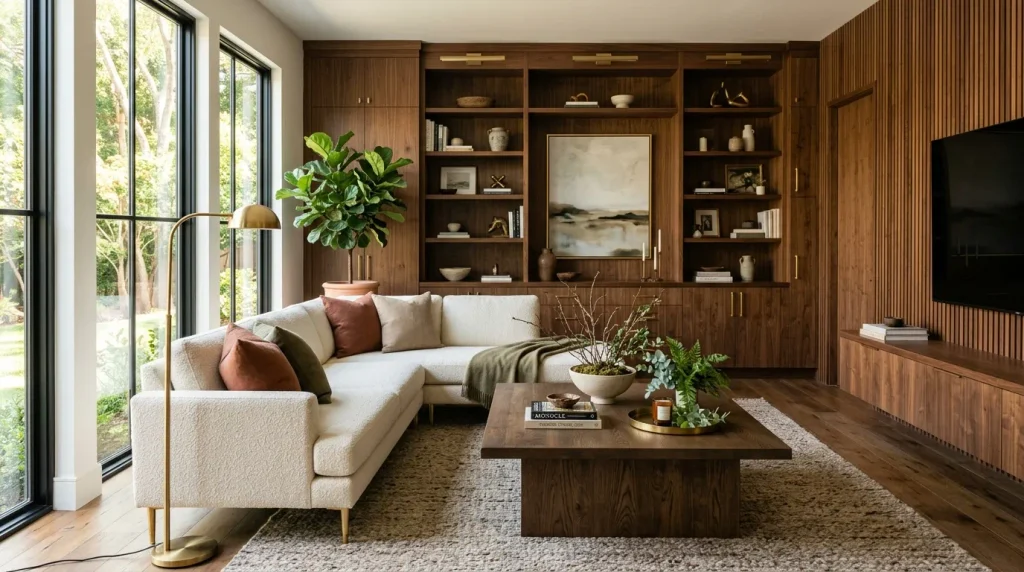
- Rich wood finishes bring warmth and depth to otherwise neutral interiors.
- Walnut and dark oak work beautifully with cream, beige, and earthy tones.
- Use wood strategically instead of covering every surface.
- Mix different wood grains while keeping their undertones compatible.
- Balance darker timber with light upholstery and natural daylight.
Rich wood is bringing a deeper sense of warmth into interiors that have spent years leaning toward pale oak and cool neutrals. Walnut, smoked oak, mahogany-inspired finishes, and deeper natural stains can make a room feel grounded without appearing old-fashioned. A walnut cabinet, dark wood coffee table, or paneled wall can become a strong visual anchor against cream upholstery and soft neutral walls. This approach works particularly well in living rooms and dining spaces where warmth matters. I’ve noticed that even one substantial wood piece can give a minimalist room more depth and make surrounding materials feel richer.
The key is balance. Dark timber can make a smaller or poorly lit room feel heavy if too many surfaces use the same deep finish. Pair rich wood with light upholstery, woven textiles, pale stone, and plenty of natural daylight to create contrast. You can also mix wood tones as long as they share a similar warm or neutral undertone. Instead of matching every cabinet and table, allow some variation to create a collected appearance. A few brass or aged-metal accents can complement the warmth, while simple greenery adds freshness and prevents the room from feeling visually dense.
Also Read : 27 Modern Rustic Living Room Ideas to Try Today
9. Handcrafted Ceramic Details
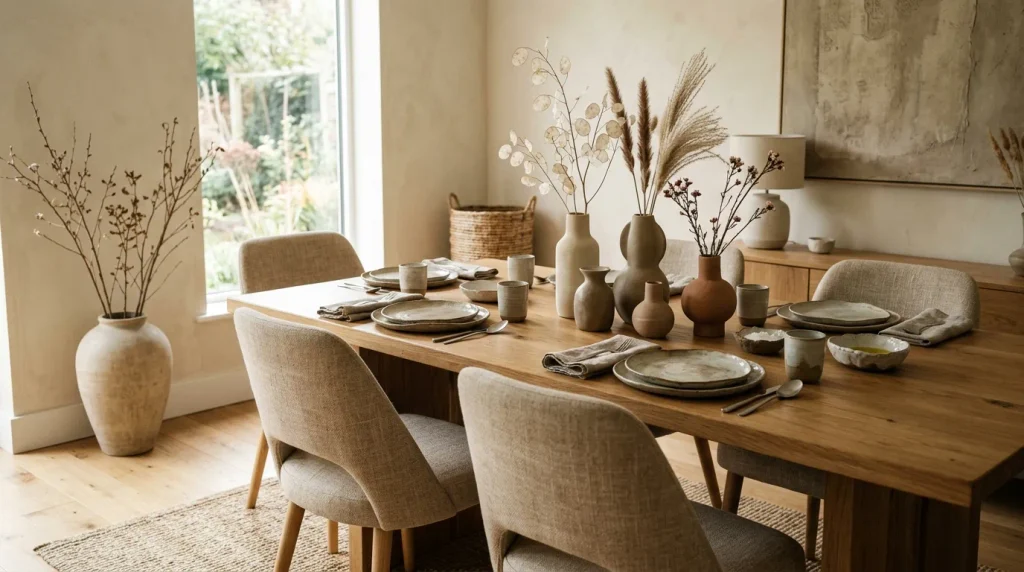
- Handmade ceramics introduce small imperfections that make spaces feel more personal.
- Choose irregular shapes and subtle glaze variations for an artisanal appearance.
- Group several pieces together without making the arrangement look overly coordinated.
- Use ceramics as both functional tableware and decorative accents.
- Earthy whites, sand, clay, and muted green glazes work with many palettes.
Handcrafted ceramics are adding a quieter kind of personality to interiors, especially as people look for pieces that feel less mass-produced. A handmade vase with an uneven rim, a softly glazed bowl, or a sculptural ceramic lamp can introduce texture without overwhelming the room. These pieces look especially beautiful when displayed against warm wood, linen, stone, and neutral walls. Small variations in shape and glaze make each object feel individual, giving shelves and tables a more collected appearance. This is an easy way to bring craftsmanship into a space without committing to a major design change.
You can use handmade ceramics almost anywhere. Place a large organic vase on a dining table, group smaller vessels on an open shelf, or display a few textured bowls on a kitchen counter. Don’t worry if the pieces aren’t perfectly matched; slight differences are part of their charm. Keep the colors within a related family, such as cream, sand, terracotta, charcoal, or muted sage, so the collection still feels cohesive. In my experience, handmade objects look best when surrounded by a little empty space. That allows their shape, texture, and imperfections to become noticeable rather than disappearing into clutter.
Also Read : 22 Stylish Bed Without Headboard Ideas for Bedrooms
10. Draped Window Treatments
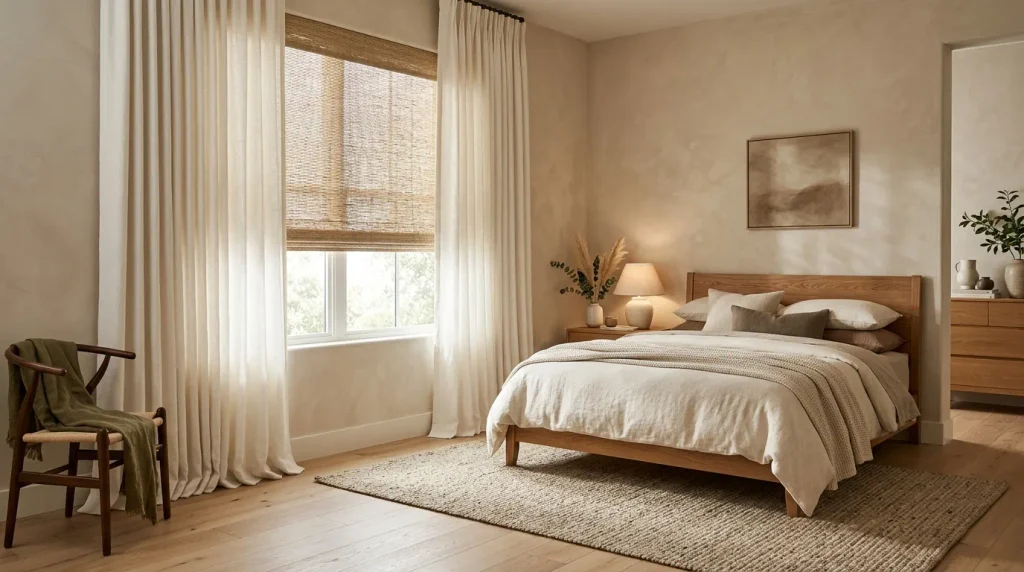
- Full-length curtains can make windows appear taller and more substantial.
- Linen and cotton blends create a soft, relaxed drape.
- Layer curtains with shades when privacy and light control are important.
- Neutral fabrics keep the treatment versatile across changing decor.
- Hang rods higher and wider than the window for a more finished appearance.
Window treatments are becoming more relaxed and architectural, with full-length fabric panels creating softness around otherwise hard window frames. Linen, cotton, and linen-blend curtains can add movement while making a room feel taller and more finished. Letting the fabric fall close to the floor creates a graceful silhouette, while layering it over a woven shade adds texture and practical light control. This approach works beautifully in bedrooms, living rooms, and dining spaces because it combines visual softness with everyday function. The right fabric can also make natural daylight feel gentler and more atmospheric.
For the most polished effect, consider the proportions before installing the hardware. Mounting the curtain rod slightly higher and wider than the window can make the opening appear larger and allow more daylight into the room when the curtains are pulled aside. Choose ivory, oatmeal, warm beige, or soft taupe if you want a timeless palette. If privacy is a concern, combine decorative panels with a functional shade or blind. I’ve noticed that slightly relaxed fabric looks more inviting than perfectly stiff curtains, particularly in rooms with natural wood and other tactile materials.
11. Color-Drenched Rooms
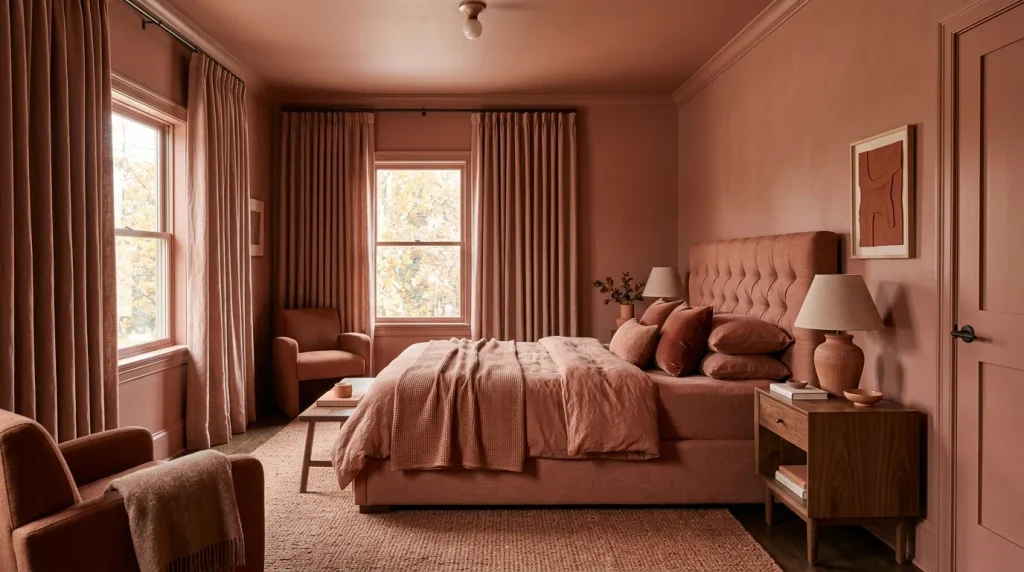
- Using one color family across walls and trim creates a dramatic, cohesive effect.
- Softer shades can make color drenching feel sophisticated rather than overwhelming.
- Carry the same tone onto the ceiling for a more immersive room.
- Break up the color with natural wood, stone, or woven textures.
- Test the paint in different lighting before committing to the full space.
Color drenching takes a single shade and carries it across multiple surfaces, creating a room that feels immersive rather than simply painted. Walls, trim, doors, and sometimes even the ceiling can share closely related tones, producing a seamless visual effect. Instead of using one strong color surrounded by white edges, this approach allows the architecture itself to disappear into the palette. Warm terracotta, muted olive, dusty blue, cocoa, and soft plum can all work beautifully. This is one of the bolder 2026 home decor trends, but choosing a softened shade can make the result surprisingly calming.
The easiest way to make color drenching feel sophisticated is to introduce tonal variation through fabrics and materials. A painted wall might sit beside a slightly lighter upholstered chair, a darker rug, and natural wood furniture. These subtle differences keep the room from looking flat while maintaining the immersive effect. Before painting, test your chosen shade on several walls because natural and artificial light can change its appearance dramatically. If you’re nervous about committing to an entire room, start with a powder room, hallway, or small reading nook. These spaces can handle stronger color beautifully without overwhelming the home.
12. Mixed Metal Finishes
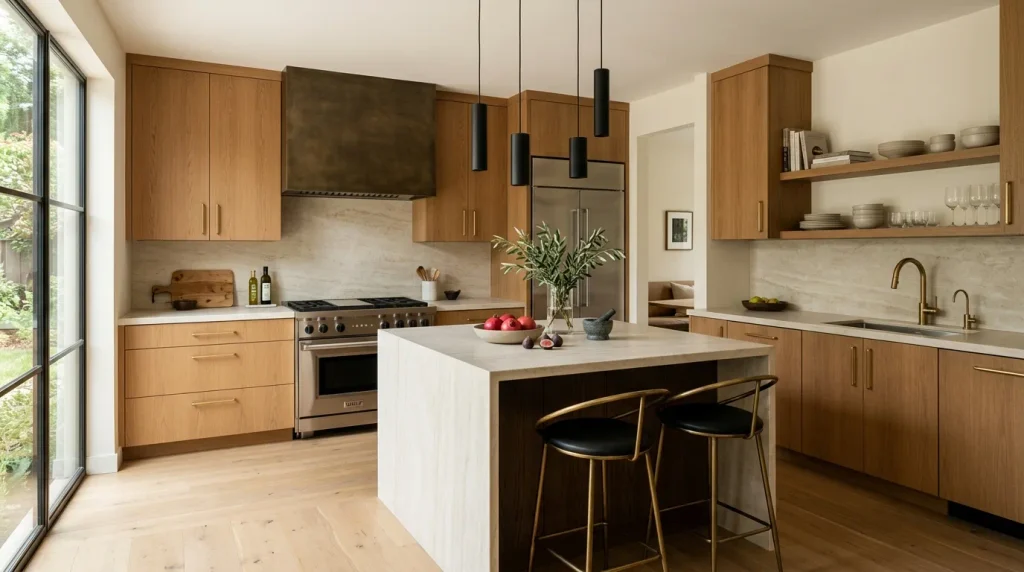
- Mixing metals adds depth and prevents a room from looking overly coordinated.
- Choose one dominant finish and use secondary metals as accents.
- Brushed, aged, and matte surfaces create softer visual contrast than high shine.
- Repeat each metal at least twice so the combination feels intentional.
- Warm metals pair naturally with wood and earthy neutral colors.
Matching every metal finish is no longer the only way to create a polished interior. Mixing brass, bronze, black, stainless steel, or aged nickel can give a room more depth and a collected appearance. The trick is to create a clear hierarchy instead of using every finish equally. For example, brushed brass might dominate the cabinet hardware while matte black appears in the pendant lights and a smaller bronze detail repeats elsewhere. The finishes become visual accents rather than competing focal points. This approach works especially well in kitchens, bathrooms, and open-plan living spaces.
Start by choosing the metal you already have most prominently, then introduce one additional finish through smaller details. Repeating each finish at least twice helps the combination feel intentional. Soft or brushed surfaces are generally easier to mix because they don’t create too much visual reflection. Pairing warm brass with walnut or oak can create a particularly welcoming effect, while black metal provides sharper contrast. I’ve noticed that mixed metals look best when the surrounding palette is relatively simple. Neutral stone, cream walls, and natural fabrics give the finishes enough breathing room to stand out without making the room feel busy.
13. Oversized Art Pieces
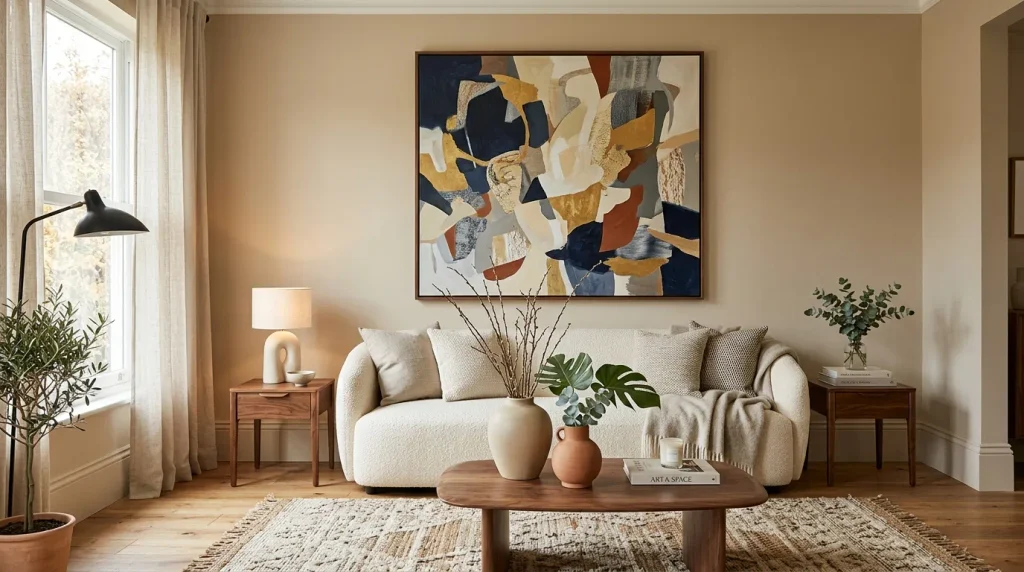
- One large artwork can create more impact than a crowded collection of small frames.
- Choose artwork that connects with the room’s existing colors and materials.
- Oversized pieces work especially well above sofas, beds, and wide consoles.
- Leave enough wall space around the artwork so it feels intentional.
- Abstract, botanical, and textured artwork can all create a strong focal point.
Oversized artwork is becoming a powerful way to give rooms a finished, editorial feel without filling every wall with decorations. One large canvas above a sofa, bed, fireplace, or console can immediately establish a focal point and make the surrounding furniture feel more intentional. Abstract artwork in warm neutrals, earthy tones, or soft organic shapes works particularly well with contemporary interiors. Instead of competing with several smaller pieces, one substantial work allows the eye to settle on a single visual statement. This approach can make a room feel curated while keeping the overall design surprisingly simple.
Scale is the most important consideration when choosing a large piece. Artwork that is too small can look disconnected from a wide sofa or substantial piece of furniture, while an oversized canvas can overwhelm a narrow wall. Measure the available space before buying, and consider how much visual weight the surrounding furniture already has. A muted painting can work beautifully in a colorful room, while a bolder piece may need quieter surroundings. I’ve noticed that textured or abstract artwork often feels more versatile than highly literal prints because it can complement changing furniture and accessories over time.
14. Decorative Room Dividers
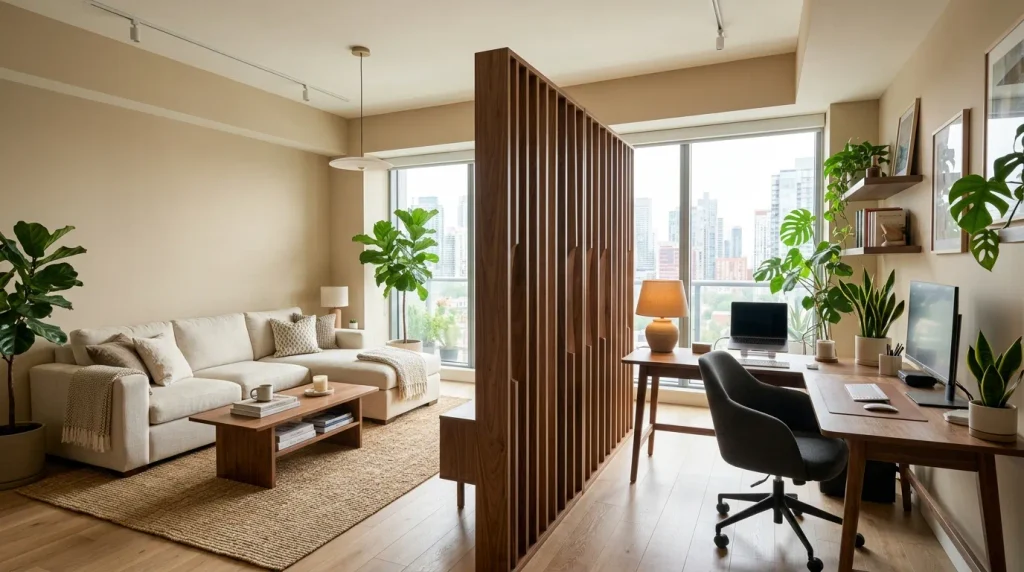
- Decorative dividers create visual separation without completely closing off a room.
- Wood slats allow light to travel between different areas.
- Folding screens offer flexibility when the layout needs to change.
- Use dividers to define work, dining, sleeping, or relaxation zones.
- Choose a design that complements existing furniture rather than competing with it.
Open-plan homes can sometimes feel beautiful but difficult to organize, especially when one room needs to serve several purposes. Decorative room dividers offer a practical solution by creating visual boundaries without building permanent walls. Vertical wood slats, woven screens, glass panels, and folding partitions can separate a living area from a home office or dining zone while allowing light to continue flowing through the space. The result feels more structured without sacrificing the openness that makes an open-plan layout appealing. This approach is particularly useful in apartments and smaller homes where every area needs to work harder.
Think about what you need the divider to accomplish before choosing its design. If you simply want visual separation, open slats or a woven screen may be enough. For more privacy, consider a folding panel or translucent glass. Keep the divider proportional to the room and avoid blocking natural light or major walking paths. A wood divider can also repeat materials already used in furniture or flooring, making the transition feel intentional. In my experience, the best dividers define a zone without making people feel boxed in, which is why partially open designs are often so effective.
15. Biophilic Indoor Spaces
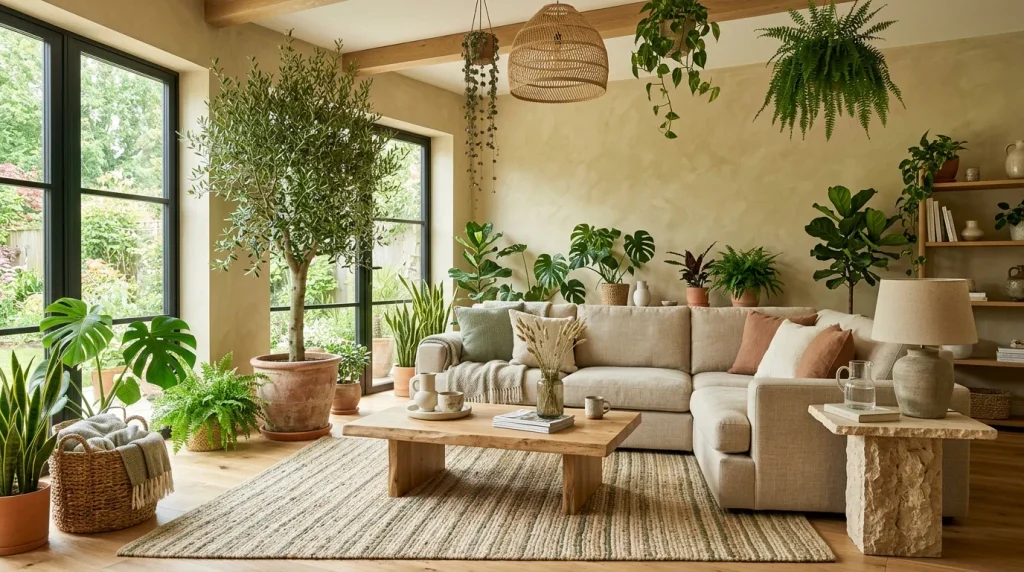
- Large indoor plants can soften sharp furniture and architectural lines.
- Mix tall, trailing, and compact plants for more natural visual layering.
- Natural wood, stone, linen, and woven materials strengthen the organic feeling.
- Choose plants according to your room’s actual light conditions.
- Use attractive planters to make greenery feel integrated with the furniture.
Bringing more nature indoors continues to shape how people design comfortable, restorative spaces. Large leafy plants, small potted herbs, trailing vines, and indoor trees can soften hard surfaces while adding movement and natural color. A tall olive tree beside a sofa, for example, can fill an empty corner without requiring another piece of furniture. Pair greenery with oak, stone, linen, rattan, and other organic materials to strengthen the connection with nature. These 2026 home decor trends work especially well in bright rooms because natural daylight brings out the varied greens and textures throughout the day.
The goal isn’t to turn your living room into a jungle. A few thoughtfully placed plants usually create more impact than dozens scattered across every surface. Start with the room’s lighting conditions, then choose varieties that can realistically thrive there. Mix heights by placing one taller plant on the floor, smaller plants on shelves, and trailing varieties near windows. Attractive ceramic, terracotta, or woven planters can make the greenery feel like part of the overall design. I’ve noticed that plants also make neutral rooms feel less static because their organic shapes introduce movement against straight furniture and architectural lines.
16. Patterned Upholstery
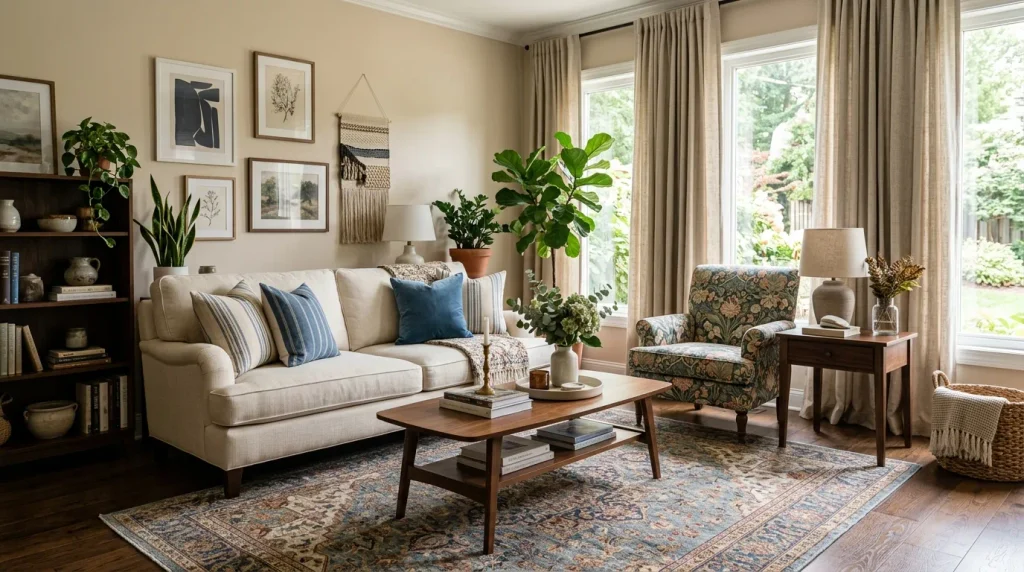
- Patterned upholstery can add personality without requiring colorful walls.
- Floral, striped, checked, and botanical fabrics work well in layered interiors.
- Keep surrounding furniture simpler when using a bold upholstered piece.
- Reupholstering an older chair can create a fresh statement at lower cost.
- Repeat one or two pattern colors elsewhere for visual connection.
Pattern is returning to upholstery in a more thoughtful way, adding personality to sofas, chairs, benches, and ottomans without making an entire room feel busy. Floral, botanical, checked, striped, and geometric fabrics can all work when they are balanced with quieter furniture and accessories. A single patterned armchair beside a neutral sofa is often enough to change the mood of a living room. Instead of treating pattern as something that must dominate, use it as a visual accent that gives the room a focal point. This approach feels expressive while remaining comfortable for everyday living.
When choosing a patterned piece, look at the colors already present in the room. Repeating one or two shades from the fabric in a cushion, artwork, or small accessory can make the pattern feel connected rather than random. If the print is bold, keep the surrounding pieces relatively simple and let the upholstery carry the attention. Smaller patterns can work across larger surfaces because they feel less visually dominant. I’ve noticed that vintage-inspired fabrics are especially easy to layer with modern furniture because their slightly faded colors create softness. If the frame is good, reupholstering an older chair can also be a smart update.
17. Sculptural Lighting Fixtures
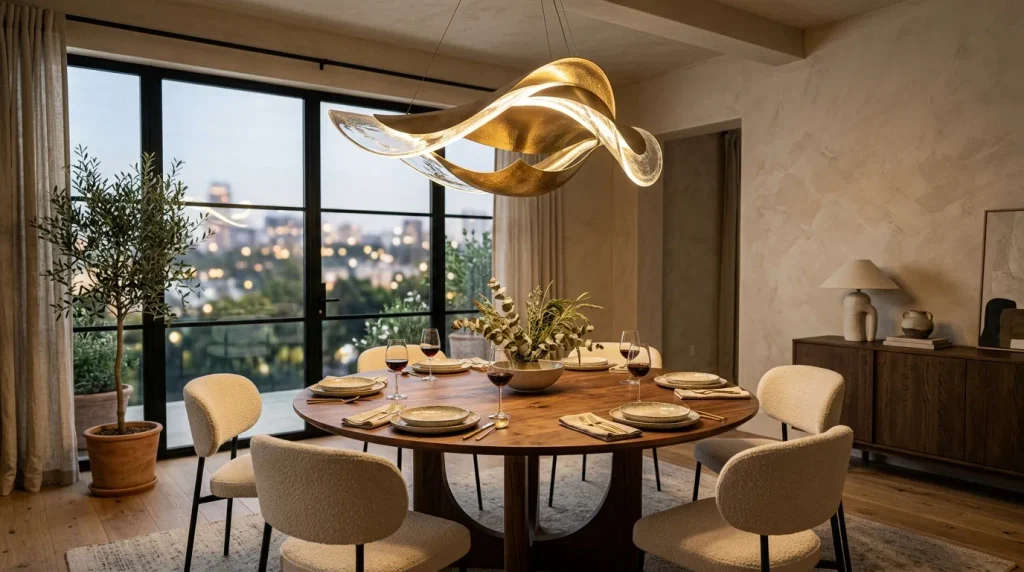
- Sculptural lighting can function as both illumination and artwork.
- Organic shapes soften dining rooms, kitchens, and living areas.
- Choose a fixture proportional to the room and furniture beneath it.
- Warm bulbs make sculptural materials feel more inviting after dark.
- Keep surrounding accessories simple so the fixture remains the focal point.
Lighting is becoming more than a practical necessity, with sculptural fixtures taking on the role of functional artwork. Oversized pendants, curved chandeliers, clustered glass lights, and unusual silhouettes can give a room an immediate focal point. A dramatic fixture above a dining table is particularly effective because it visually anchors the furniture below it. Organic shapes work beautifully with the softer furniture silhouettes appearing throughout modern interiors, while woven, ceramic, metal, and glass materials offer different ways to express personality. The right fixture can transform a simple room without requiring changes to walls, flooring, or furniture.
Scale matters when choosing a sculptural light. A fixture that is too small may disappear above a large table, while one that is too large can dominate a compact room. Consider the room’s ceiling height, table dimensions, and existing visual weight before making a decision. Warm bulbs can make the fixture feel softer and more inviting in the evening, particularly when paired with layered lamps elsewhere. I’ve noticed that statement lighting looks strongest when surrounding surfaces remain relatively quiet. Let the fixture be the memorable element, then use simple ceramics, natural wood, and restrained textiles to support it.
18. Collected Gallery Walls
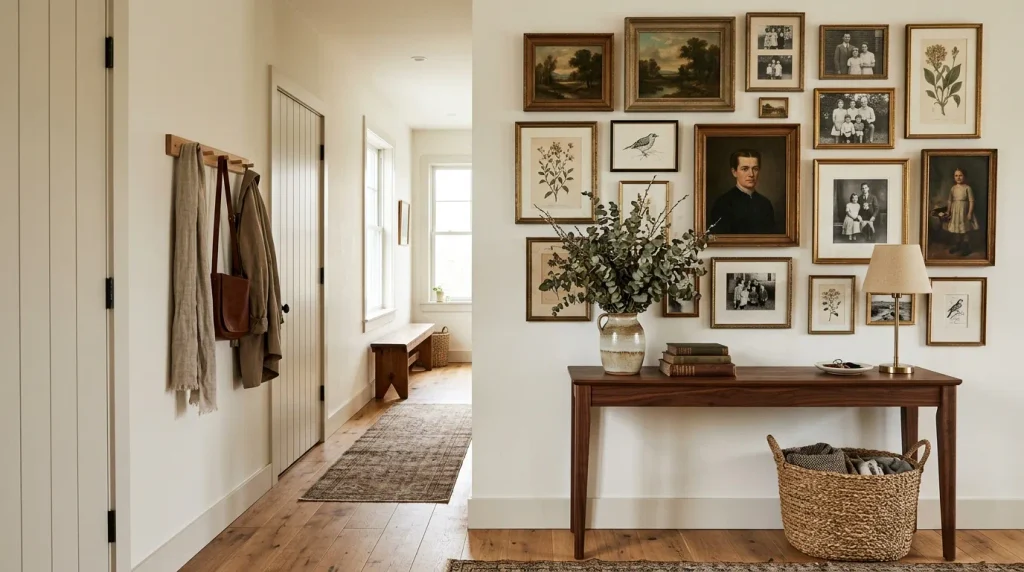
- Mixing artwork styles can make a gallery wall feel personal and collected.
- Combine photographs, drawings, paintings, and botanical prints for variety.
- Use related frame tones to keep different artwork visually connected.
- Arrange larger pieces first, then fill smaller spaces around them.
- Leave comfortable spacing so the collection doesn’t feel overcrowded.
Gallery walls are becoming more personal, moving away from perfectly matched sets toward collections that look gathered over time. Mix family photographs, vintage artwork, botanical prints, sketches, small paintings, and meaningful objects to create a display with genuine character. Different frame sizes can add movement, while a loose connection between colors keeps the arrangement cohesive. This approach is especially useful on large blank walls that need personality but don’t necessarily require one oversized piece. A collected gallery wall can make a home feel more individual because the artwork reflects the people and experiences that belong there.
Before putting anything on the wall, arrange the pieces on the floor to experiment with spacing and scale. Start with the largest artwork, then position smaller pieces around it while keeping the overall shape balanced. Frames don’t need to match exactly, but repeating one or two finishes can help unify the collection. Consider including something three-dimensional, such as a small woven piece or decorative plate, for extra texture. In my experience, leaving a little irregularity makes the arrangement feel more authentic. A gallery wall should look thoughtfully assembled, not like every frame was measured into a perfectly rigid grid.
19. Moody Accent Rooms
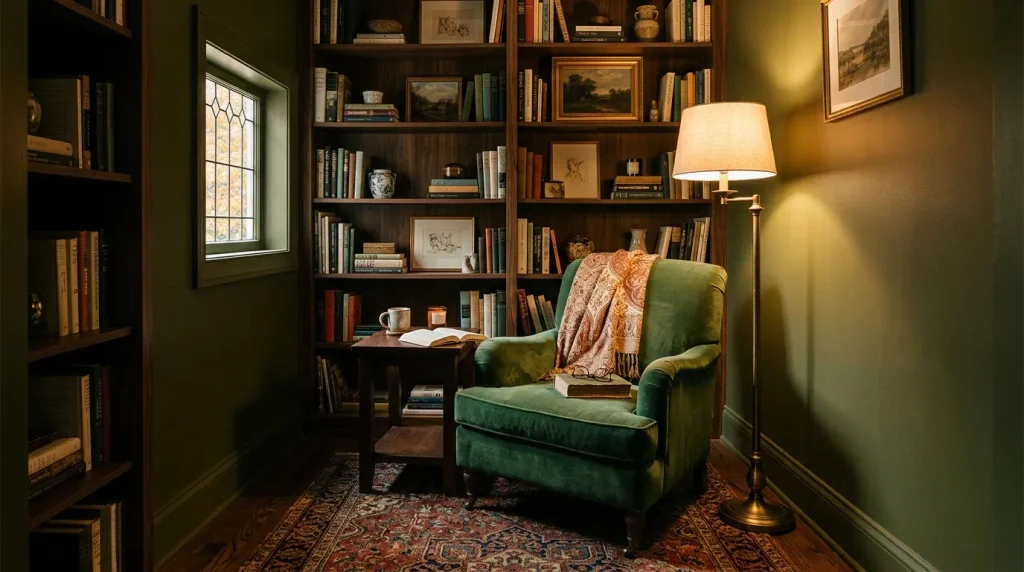
- Deep colors can make small rooms feel intimate instead of simply dark.
- Olive, chocolate, navy, charcoal, and burgundy create sophisticated depth.
- Warm lighting is essential for keeping darker spaces inviting.
- Pair moody walls with tactile fabrics and natural wood.
- Start with a powder room, study, or reading nook if you’re hesitant.
Dark interiors are finding their place again, especially in smaller rooms where deeper colors can create an intimate, cocoon-like atmosphere. Instead of using dark shades throughout an entire home, try concentrating them in a study, reading nook, powder room, bedroom, or dining area. Deep olive, chocolate brown, charcoal, navy, and muted burgundy can give these spaces a dramatic sense of personality. The key is to balance the darker color with warm lighting and tactile materials. Velvet, linen, aged wood, brass, and textured rugs can prevent the room from feeling flat or overly severe.
Natural and artificial lighting should both influence your color choice. A room with generous daylight can often handle richer tones, while a darker space may benefit from a slightly warmer or softer shade. Layer lamps at different heights so the room still feels inviting after sunset. Mirrors can also reflect available light without disrupting the moody atmosphere. I’ve noticed that darker colors often make artwork and metallic accents stand out beautifully because they create a stronger visual backdrop. If you’re unsure about committing, start with a small room where a dramatic change can feel intentional rather than overwhelming.
20. Statement Area Rugs
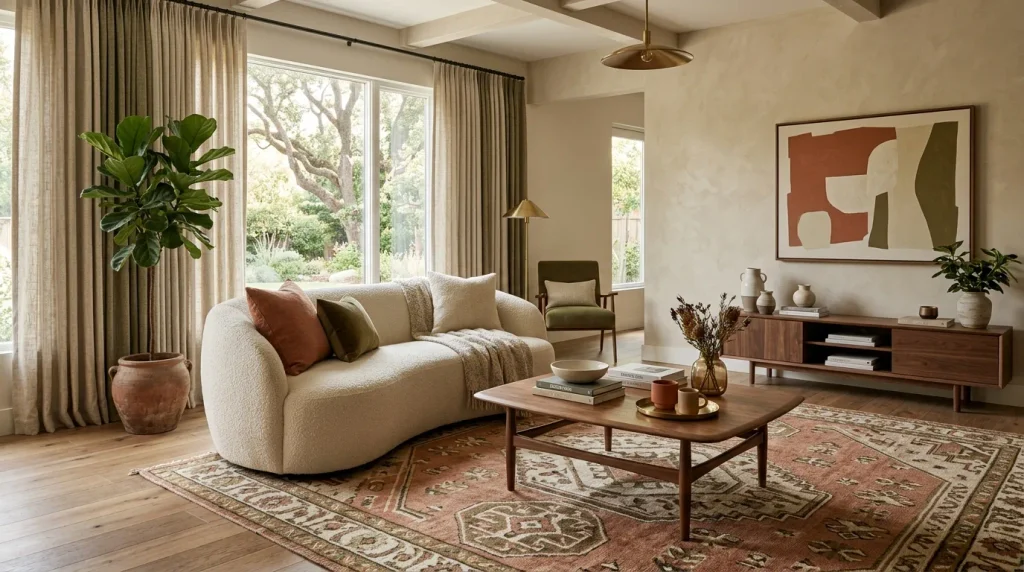
- A large rug can visually connect separate furniture pieces into one seating area.
- Muted patterns add personality without overwhelming neutral furniture.
- Choose a size large enough for the main furniture to sit partially on it.
- Vintage-inspired patterns bring warmth and visual depth.
- Use rug texture to complement, rather than compete with, upholstery and curtains.
Area rugs are becoming stronger design statements, moving beyond their role as simple floor coverings. A large patterned rug can establish the color palette for an entire room while visually connecting sofas, chairs, and tables into one cohesive seating area. Vintage-inspired patterns, geometric designs, muted florals, and abstract motifs can all add personality. The most versatile options often combine several softened colors, such as cream, terracotta, olive, camel, and brown. This allows the rug to introduce visual interest while still working with furniture that may change over time.
Getting the scale right is more important than choosing the most dramatic pattern. In a living room, the rug should ideally extend far enough beneath the main seating pieces to make them feel connected rather than scattered around the edges. If the furniture is already highly patterned, choose a quieter rug with subtle variation. Conversely, a neutral sofa can support a more expressive design. I’ve noticed that textured or slightly faded rugs often feel easier to live with because small marks and everyday wear are less noticeable. Always use an appropriate rug pad to improve comfort, stability, and longevity.
21. Personalized Decor Layers
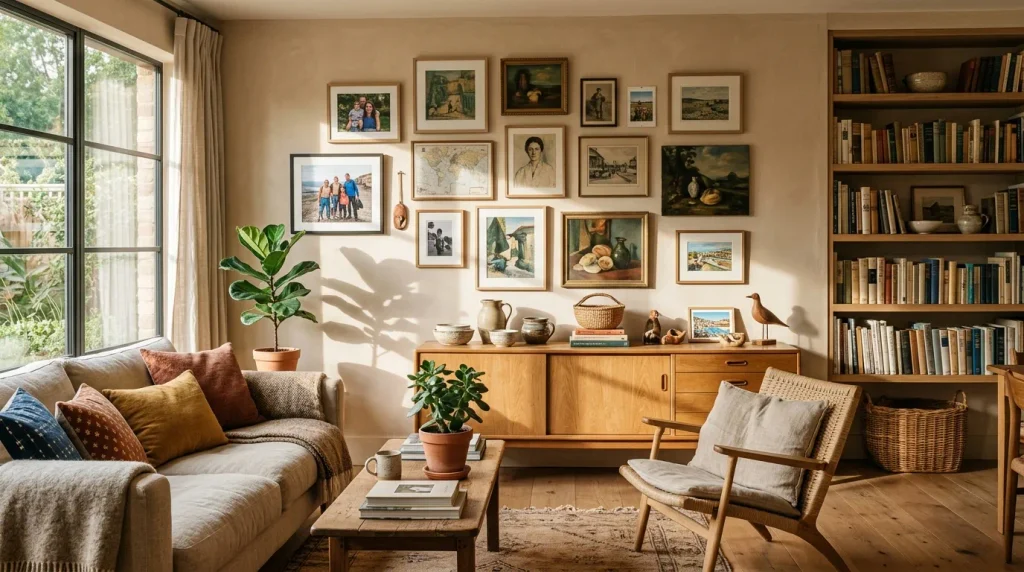
- Personal objects make a room feel connected to the people who live there.
- Mix meaningful pieces with everyday furniture instead of creating a dedicated display.
- Travel finds, books, photographs, and handmade objects add authentic character.
- Repeat colors or materials to keep collected items visually connected.
- Leave some empty space so meaningful pieces remain easy to appreciate.
The most lasting interiors are often the ones that tell you something about the people who live there. In 2026, personalization is becoming more important as homeowners move away from perfectly coordinated rooms and toward spaces filled with meaningful objects. Family photographs, travel finds, inherited furniture, handmade ceramics, favorite books, artwork, and small collections can all become part of the decor. These details don’t need to follow a single design style. Their value comes from the stories and memories behind them, creating rooms that feel authentic rather than assembled entirely from a showroom.
The trick is to layer personal pieces gradually instead of displaying everything at once. Place a favorite photograph on a console, add a handmade bowl to an open shelf, or display a few meaningful books beside a chair. Then connect the collection through repeated colors, materials, or finishes. Natural wood can bridge different objects, while neutral textiles provide a calm background. I’ve noticed that leaving some surfaces partially empty makes sentimental pieces more noticeable because the eye has somewhere to rest. Your home doesn’t need to look perfectly styled; it should feel comfortable, useful, and unmistakably connected to your life.
Conclusion
The most exciting home trends for 2026 aren’t really about following rules. They’re about creating spaces with more warmth, texture, personality, and purpose. A room can feel completely updated with something as simple as a sculptural light, vintage furniture piece, oversized artwork, or a few natural materials. Start with the idea that fits your home best rather than trying to use every trend at once. Mix new pieces with things you already love, add personal details, and pay attention to how the room feels as well as how it looks. The result will be more timeless, comfortable, and uniquely yours.