Spring is the perfect excuse to make your home feel lighter, brighter, and beautifully refreshed.
A few thoughtful changes can bring fresh energy into even the most familiar room.
These spring home decor ideas are designed to help you welcome the season without completely redecorating your home. From fresh flowers and pastel accents to natural textures, airy curtains, botanical artwork, and cozy cottage details, each idea offers an easy way to create a more inviting atmosphere. You’ll find practical updates that work in living rooms, bedrooms, kitchens, bathrooms, dining areas, and entryways. In my experience, seasonal decorating works best when you build on what you already own and add a few carefully chosen details. The goal is a home that feels fresh, comfortable, personal, and ready for brighter days.
1. Fresh Floral Arrangements
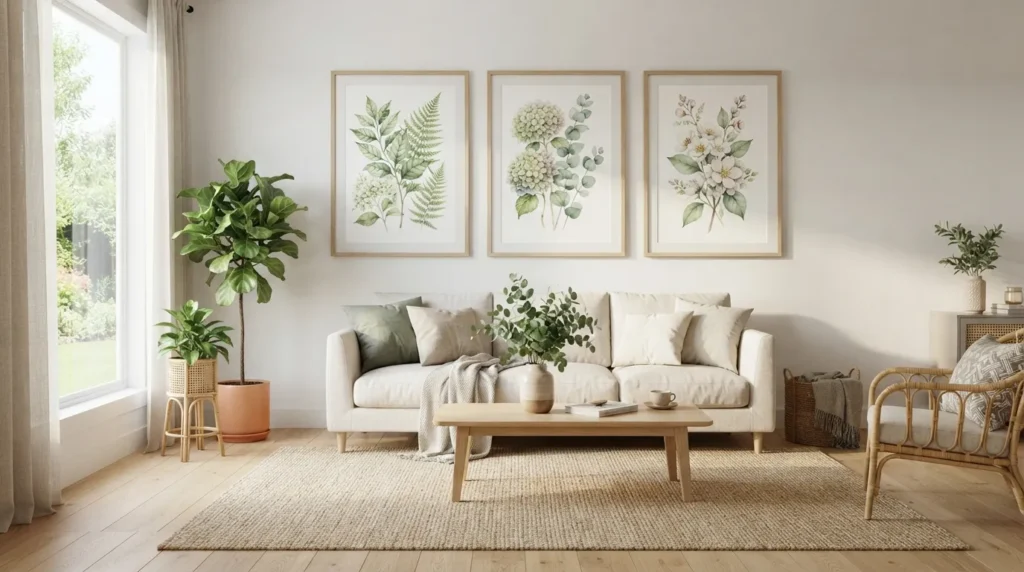
- Fresh blooms instantly bring color and life into a room.
- Tulips, daffodils, and flowering branches suit the season beautifully.
- A simple vase keeps the arrangement looking effortless.
- Place flowers where natural light can highlight their colors.
- One generous arrangement can refresh an entire room.
Nothing refreshes a room faster than a vase filled with fresh seasonal blooms. Choose tulips, daffodils, ranunculus, or flowering branches in soft pink, yellow, lavender, and creamy white. Place them in a simple ceramic pitcher or clear glass vase where natural light can highlight their color and shape. This easy update works on dining tables, kitchen islands, consoles, and coffee tables. In my experience, one generous arrangement often makes a room feel noticeably brighter without requiring a complete decorating change.
Keep the arrangement relaxed rather than perfectly symmetrical for a more natural spring feeling. Mix different heights and textures, and remove lower leaves so the stems look clean in the water. If fresh flowers are difficult to maintain, use flowering branches or realistic faux stems as a practical alternative. A neutral container keeps the focus on the blooms and makes seasonal colors easier to change later. Add only a few nearby accessories so the display has breathing room. The result is cheerful, fresh, and easy to recreate in almost any home.
2. Soft Pastel Accents
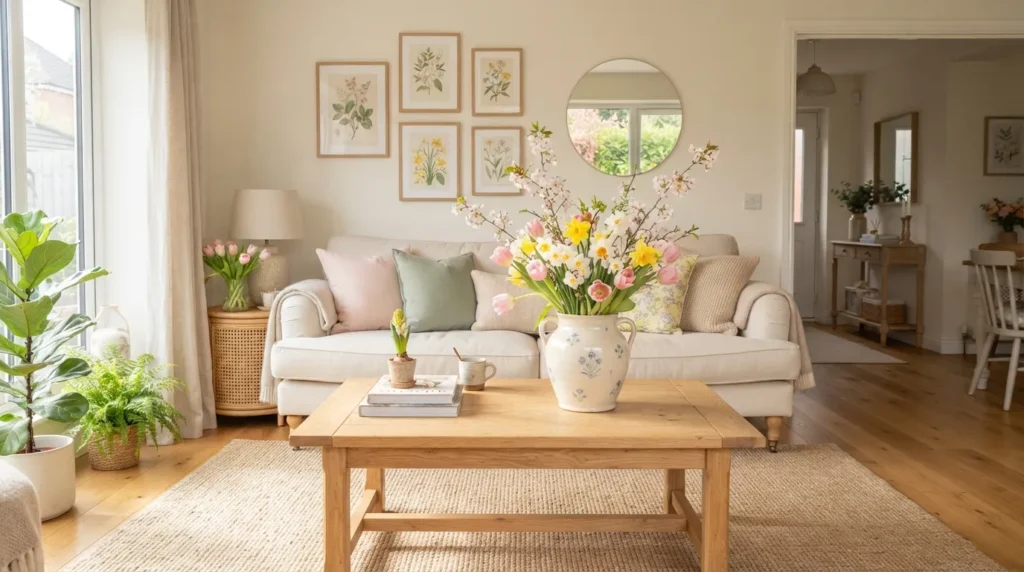
- Soft colors create an instant seasonal refresh.
- Blush, sage, butter yellow, and lavender work beautifully together.
- Pillows and throws offer an easy way to add color.
- Small accents prevent the room from feeling overly themed.
- Layer pastels over a neutral foundation for balance.
A few pastel accents can completely change the energy of a neutral room without requiring new furniture. Soft blush, pale lavender, sage green, butter yellow, and powder blue bring a gentle seasonal quality while keeping the space calm. Introduce these colors through cushions, throws, ceramics, artwork, or small decorative objects rather than using them everywhere. This makes the update affordable and easy to reverse later. The result feels fresh and cheerful while still looking sophisticated enough for everyday living.
The easiest way to use pastel shades is to let one or two colors lead while keeping the larger furniture pieces neutral. For example, combine blush cushions with a sage vase and a cream throw instead of introducing five competing shades. I’ve noticed that repeating a pastel color in two or three small places makes the room feel coordinated without looking overly decorated. Natural wood, woven materials, and warm white walls provide grounding contrast. This simple approach works especially well when you want a seasonal refresh without changing the room’s entire personality.
3. Light Linen Textiles
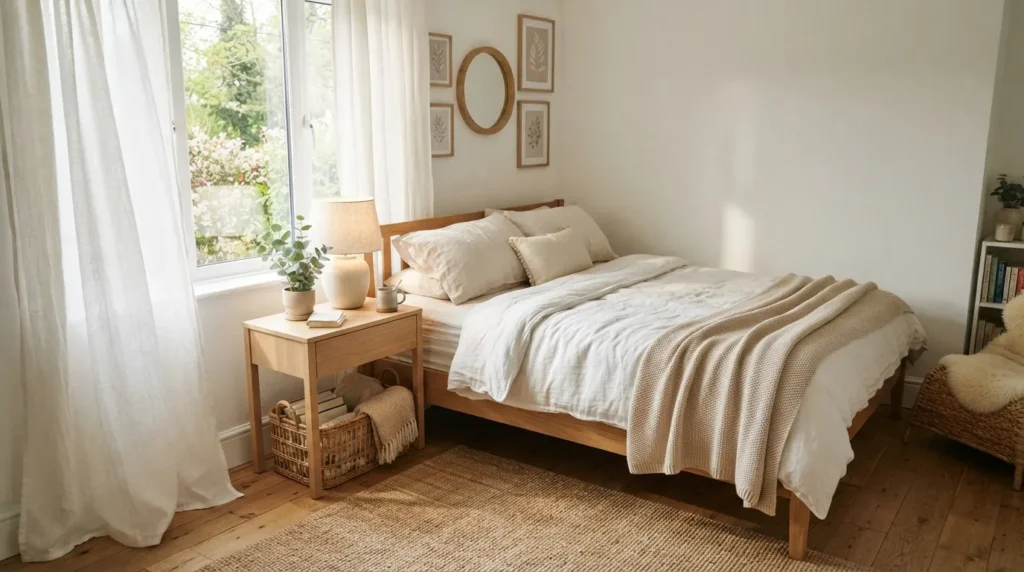
- Linen instantly makes a room feel lighter and more relaxed.
- Replace heavy winter throws with breathable seasonal fabrics.
- Neutral linen works with almost any color palette.
- Soft curtains can make windows feel brighter.
- Layer different textures for a comfortable finish.
Lightweight linen textiles can make a room feel noticeably fresher as the seasons change. Replace heavy winter throws, dark curtains, or thick bedding with breathable linen in white, ivory, oatmeal, or soft beige. The relaxed texture adds visual softness while allowing more light to move through the space. Linen works beautifully in bedrooms, living rooms, and dining areas because it feels casual without looking unfinished. Even switching a few key textiles can create the impression of a completely refreshed room.
Focus on pieces that combine beauty with everyday practicality. Linen curtains can soften strong sunlight while maintaining an airy appearance, and linen cushion covers are easy to change when you want another seasonal color. In my experience, slightly rumpled linen often looks better than fabric that has been styled too perfectly because its natural texture gives the room character. Pair it with woven baskets, pale wood, cotton, or soft greenery to create layers. These small material changes can make your home feel cooler, brighter, and more comfortable for the warmer months.
4. Botanical Wall Art
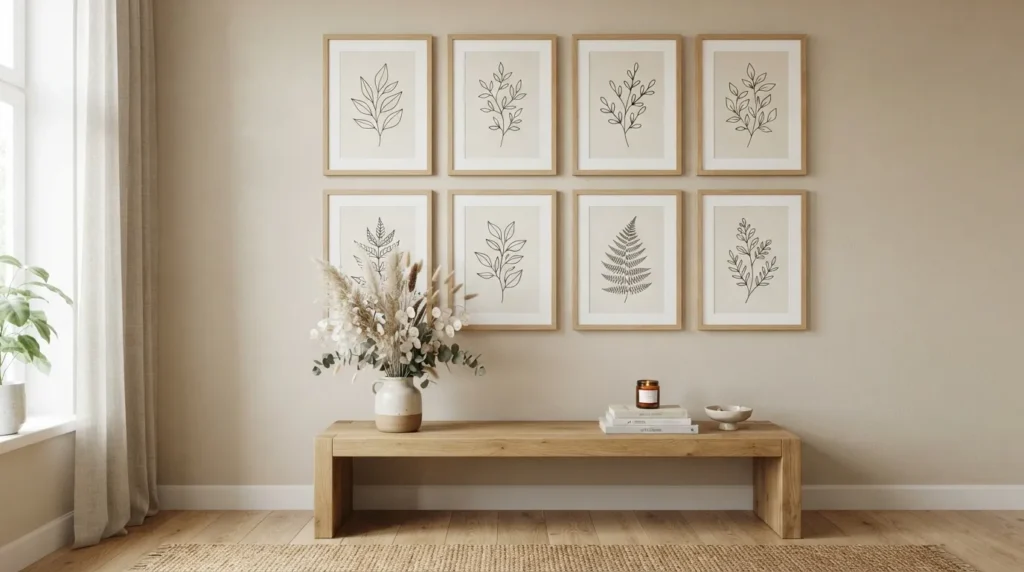
- Botanical prints bring a natural spring element indoors.
- Green artwork works beautifully with neutral walls.
- Large prints can refresh an empty wall quickly.
- Wooden frames add warmth and organic texture.
- Choose simple designs for a timeless seasonal look.
A botanical print can bring the feeling of spring indoors without taking up valuable floor space. Look for artwork featuring delicate leaves, wildflowers, herbs, or simple botanical illustrations in soft greens and muted neutrals. One oversized print can fill an empty wall, while a small collection works beautifully above a console or sofa. Choose light wood or natural frames to keep the display warm and organic. This simple addition adds seasonal character while remaining useful long after spring has passed.
When choosing botanical artwork, consider the colors already present in your room. Green and cream prints are especially versatile because they complement wood, beige, white, and soft pastel accents. I’ve noticed that oversized artwork often creates a stronger visual impact than several tiny pieces, particularly in smaller rooms where too many frames can feel busy. Keep surrounding decor simple and allow the artwork to breathe. A nearby plant or woven basket can reinforce the natural theme without making the space feel overly coordinated or decorated.
5. Natural Woven Baskets
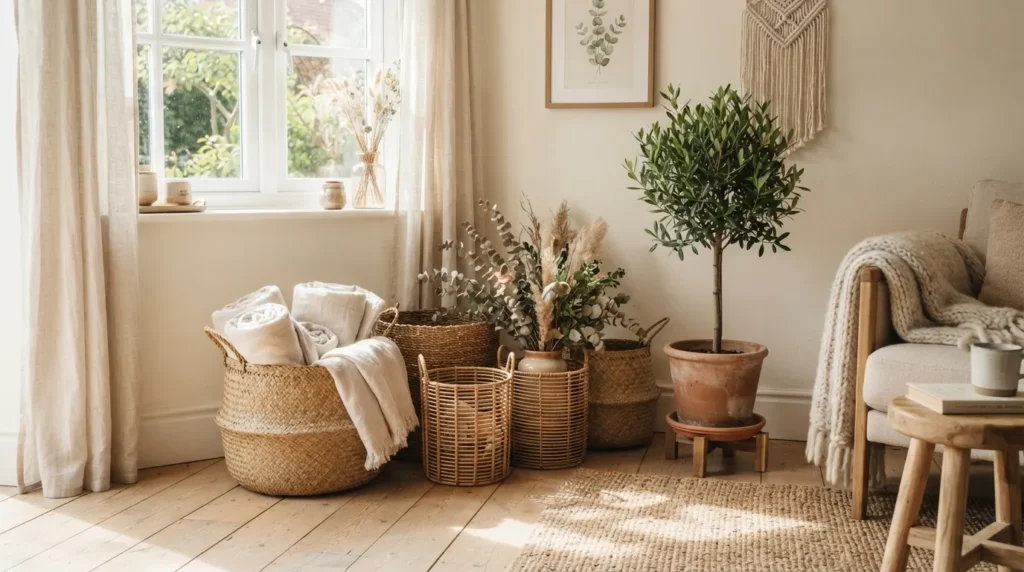
- Woven baskets add texture while providing practical storage.
- Rattan and seagrass create a relaxed seasonal feel.
- Use them for blankets, towels, toys, or magazines.
- Natural fibers complement greenery beautifully.
- Choose different sizes to create visual variety.
Natural woven baskets are one of the easiest ways to add spring texture while solving everyday storage problems. Rattan, seagrass, jute, and water hyacinth bring warmth and an organic quality that pairs beautifully with fresh greenery and lighter textiles. Place a large basket beside the sofa for blankets, a smaller one beneath a console for accessories, or several in an entryway for shoes and everyday essentials. Because they are both decorative and useful, they can refresh the room without introducing unnecessary clutter.
Choose baskets in slightly different shapes and sizes rather than buying a perfectly matching set. This creates a more collected appearance and gives you flexibility when storing different items. In my experience, woven baskets are especially helpful during seasonal transitions because they make it easy to tuck away heavier winter accessories while keeping lighter throws within reach. Pair them with pale wood, linen, and greenery for a cohesive look. Their natural texture also prevents a neutral room from feeling flat, adding subtle visual depth without strong color.
ALSO READ: 24 Easter Flower Arrangements for a Beautiful Spring Home
6. Fresh Greenery Corners
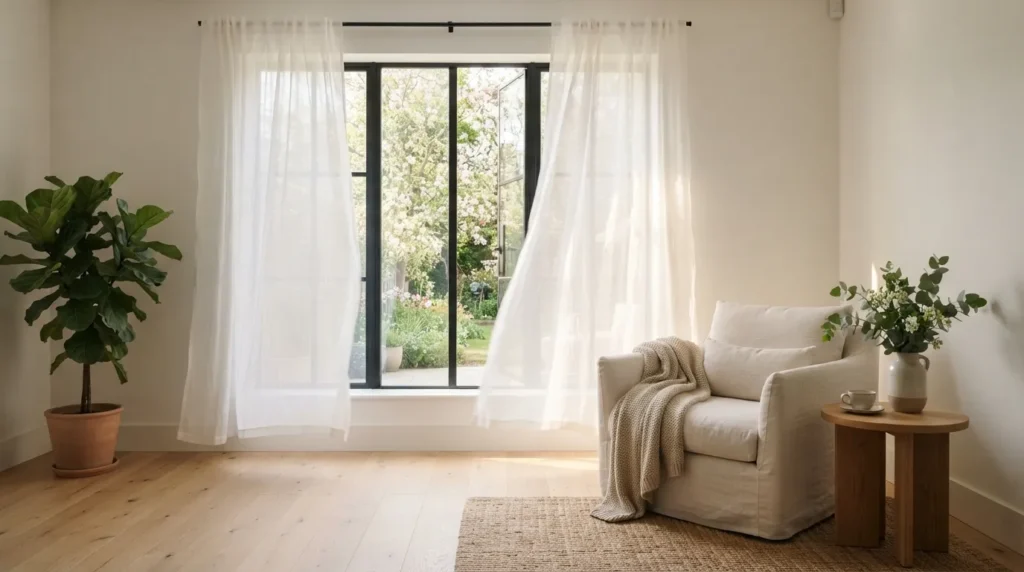
- Green plants instantly make rooms feel more alive.
- Use corners that receive suitable natural light.
- Mix tall plants with smaller tabletop greenery.
- Simple ceramic pots keep the look polished.
- Choose low-maintenance varieties for easier care.
A quiet corner filled with fresh greenery can make a room feel instantly more alive. Place a tall leafy plant beside a sofa, window, cabinet, or empty corner where it can add height and soften hard architectural lines. Smaller plants can sit on stools, shelves, or side tables to create layers at different levels. Choose simple ceramic or woven planters that complement your existing decor. This approach works particularly well in neutral rooms because natural green adds color without overwhelming the palette.
Before choosing plants, pay attention to the amount and direction of natural light available in the space. A beautiful plant will only improve the room if its growing conditions are suitable. I’ve noticed that grouping plants at different heights creates a much fuller visual effect than spreading small pots randomly throughout a home. Use one larger plant as the anchor, then add one or two smaller varieties nearby. Keep the surrounding area relatively uncluttered so the greenery feels intentional and fresh rather than crowded.
7. Breezy Sheer Curtains
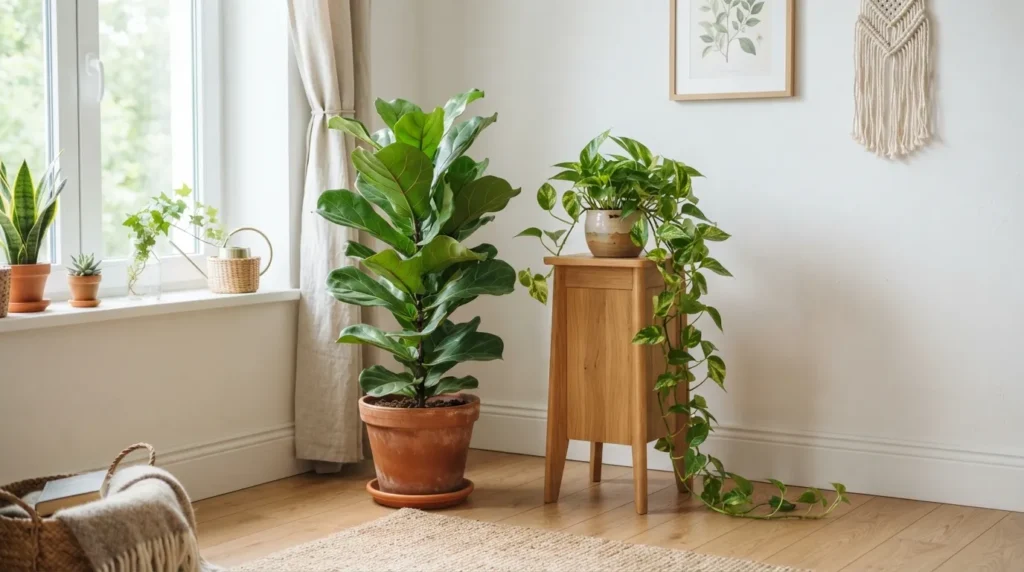
- Sheer curtains allow more natural light into the room.
- White or ivory fabric keeps windows looking fresh.
- Lightweight materials create an airy seasonal feeling.
- Floor-length panels can make ceilings appear taller.
- Layer them with blinds for practical privacy.
Few changes make a room feel lighter as quickly as replacing heavy window treatments with sheer curtains. White, ivory, or softly textured linen panels allow natural light to filter through while creating a gentle, airy appearance. Floor-length curtains can also visually elongate the windows and make ceilings feel taller. This update works beautifully in living rooms, bedrooms, and dining spaces where brighter daylight can immediately improve the atmosphere. Keep the surrounding colors neutral so the filtered sunlight becomes part of the room’s overall design.
Function still matters when choosing lightweight curtains. If privacy or strong afternoon sun is a concern, pair sheer panels with blinds or simple roller shades underneath. Hang the curtain rod slightly wider and higher than the window frame to create a more spacious appearance. In my experience, this small installation detail can make an inexpensive curtain upgrade look much more polished. Choose natural fabrics when possible, then coordinate them with linen cushions, pale wood, and fresh greenery for a relaxed seasonal finish that feels bright without becoming stark.
8. Spring Entryway Styling
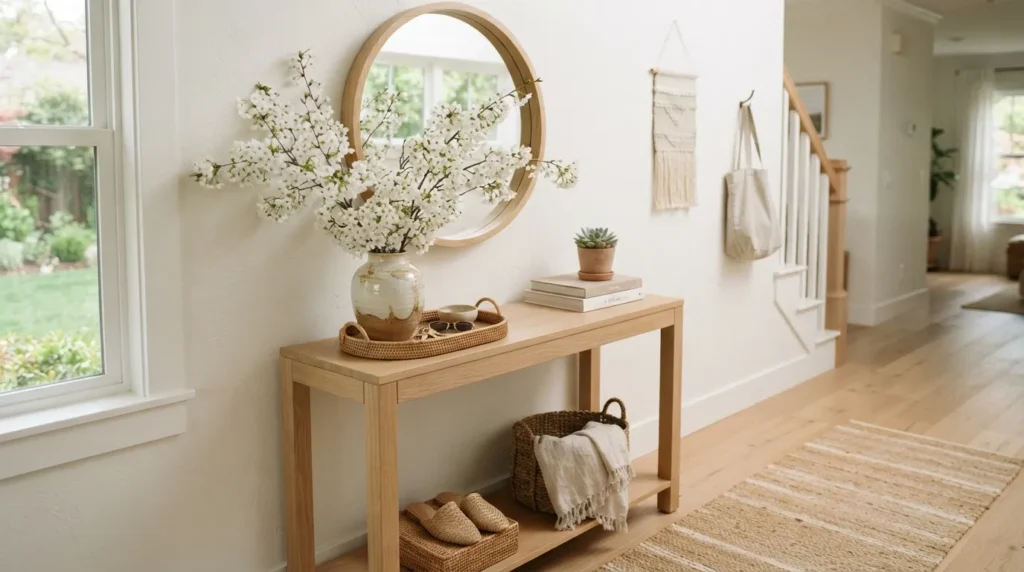
- A refreshed entryway creates an inviting first impression.
- Fresh flowers add instant seasonal color.
- Woven baskets keep everyday items organized.
- A light runner makes the space feel brighter.
- Small mirrors help reflect available daylight.
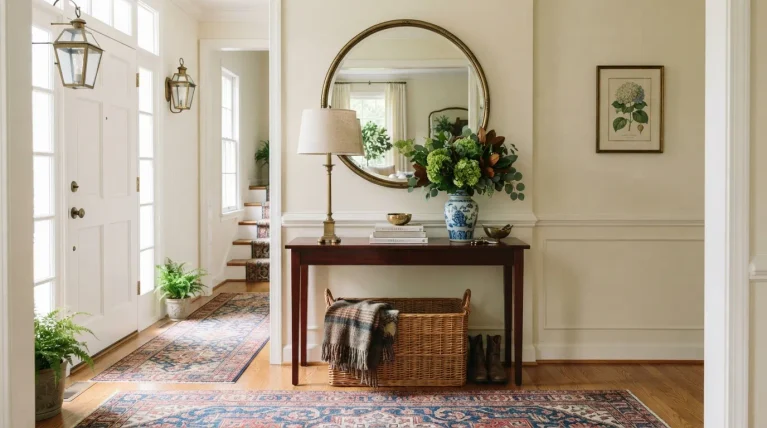
The entryway sets the tone for the entire home, so a few seasonal updates can make a surprisingly noticeable difference. Start with a pale runner, a simple vase of fresh flowers, and one woven basket for shoes or everyday essentials. A round mirror can reflect light and make a narrow entrance feel more open. Keep the console surface mostly clear so the area remains practical for keys, bags, and other daily items. This combination creates a welcoming entrance without requiring expensive furniture or a complete makeover.
Think about how the entryway actually functions before adding decorative pieces. Leave enough floor space for comfortable movement and use storage that makes sense for your household. A small tray can collect keys, while a basket can hide items that otherwise gather near the door. I’ve noticed that seasonal decorating feels much easier when the foundation is organized first. Add one floral element, one natural texture, and one reflective surface, then stop before the area becomes crowded. The result feels fresh, useful, and welcoming every time you walk through the door.
9. Colorful Throw Pillows
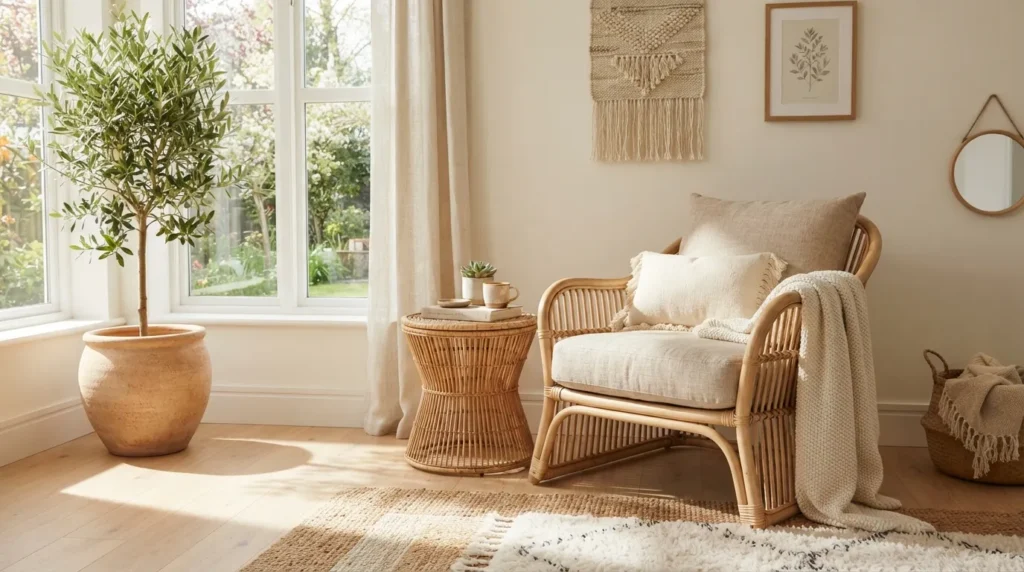
- New pillow covers provide an affordable seasonal update.
- Floral and botanical patterns bring spring energy indoors.
- Soft colors prevent bold patterns from becoming overwhelming.
- Mix solids with prints for visual balance.
- Keep the inserts and change covers seasonally.
Throw pillows are one of the simplest ways to introduce seasonal color without changing your larger furniture pieces. Choose floral, botanical, gingham, or softly patterned covers in shades such as sage, blush, lavender, butter yellow, or pale blue. Combine printed pillows with solid colors so the arrangement feels layered rather than chaotic. Because covers can be stored and changed easily, they are a practical way to refresh the room several times throughout the year. The overall effect can make a familiar sofa feel completely new.
Start with one dominant color and repeat it subtly across two or three pillows. Then add a neutral or lightly patterned cushion to create breathing room. I’ve noticed that varying pillow sizes also makes a sofa arrangement look more intentional, especially when larger square cushions are paired with smaller lumbar shapes. Choose washable fabrics when possible, particularly for homes with children or pets. Finish with a lightweight throw in linen or cotton, and keep the coffee table relatively simple so the colorful seating remains the main seasonal focal point.
10. Seasonal Table Centerpiece
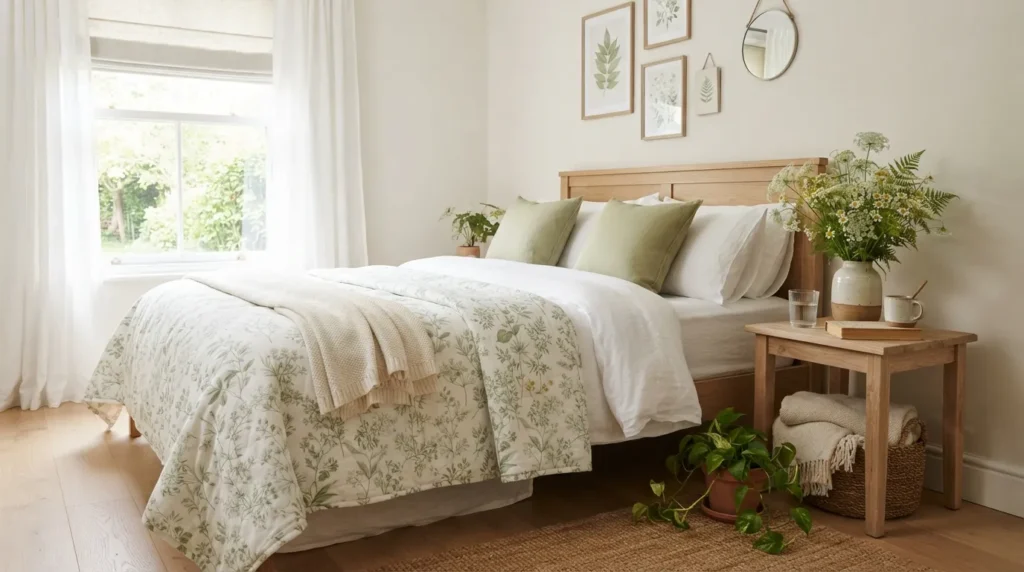
- A fresh centerpiece instantly updates the dining area.
- Low arrangements keep conversations comfortable around the table.
- Florals and greenery create natural seasonal color.
- Ceramic vessels add handmade character.
- Keep the arrangement simple for everyday use.
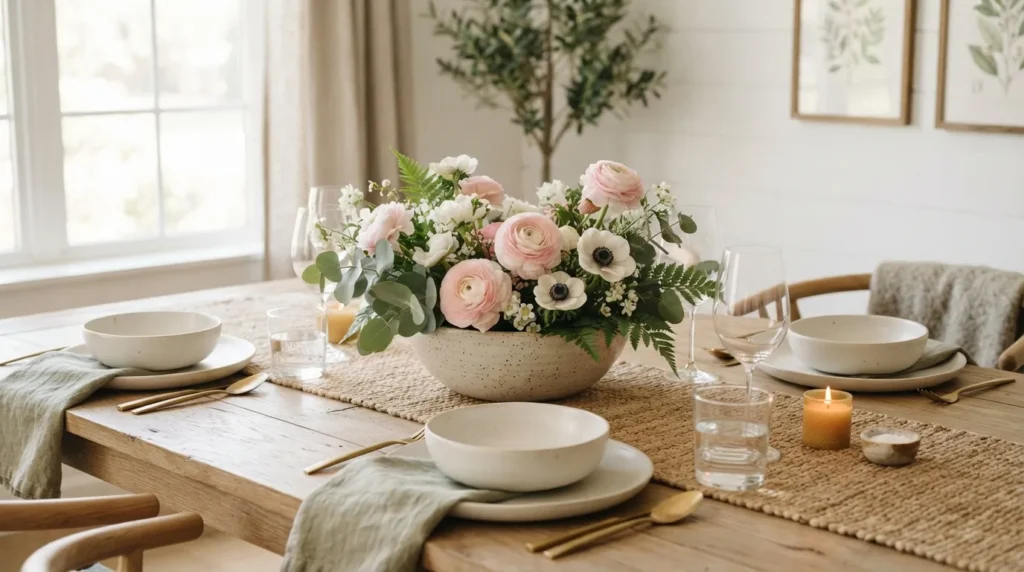
A seasonal centerpiece can make an everyday dining table feel special without requiring a complicated arrangement. Choose a low ceramic vase filled with tulips, flowering branches, or fresh greenery so the display adds color without blocking conversation across the table. A simple linen runner can provide another layer of texture, while neutral dinnerware keeps the overall look relaxed. This approach works for both everyday meals and casual gatherings, giving the dining area a fresh seasonal focal point that feels practical rather than overly formal.
Consider the size and shape of your table before choosing the centerpiece. A long table may benefit from several small vessels arranged in a loose line, while a round table often looks best with one central arrangement. In my experience, lower displays are easier to live with because they do not interfere with meals or require constant rearranging. Choose flowers that are easy to replace and use a container you already own when possible. Add woven placemats or linen napkins to reinforce the light, natural feeling without overcrowding the table.
11. Rattan Furniture Accents
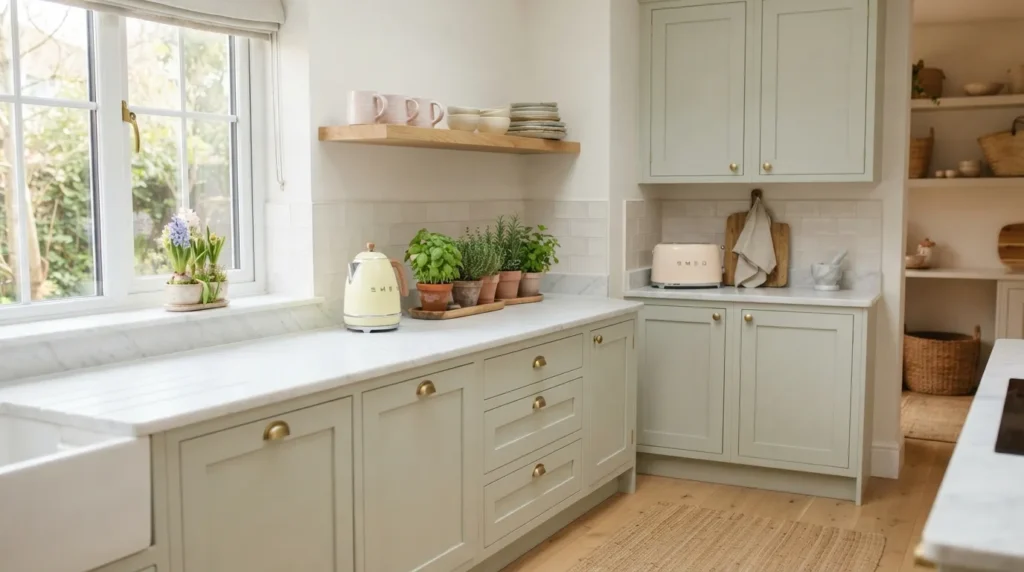
- Rattan adds warmth and natural texture.
- Small furniture pieces make the trend easy to introduce.
- A rattan chair can define an empty corner.
- Natural fibers pair beautifully with greenery.
- Keep larger furnishings neutral for balance.
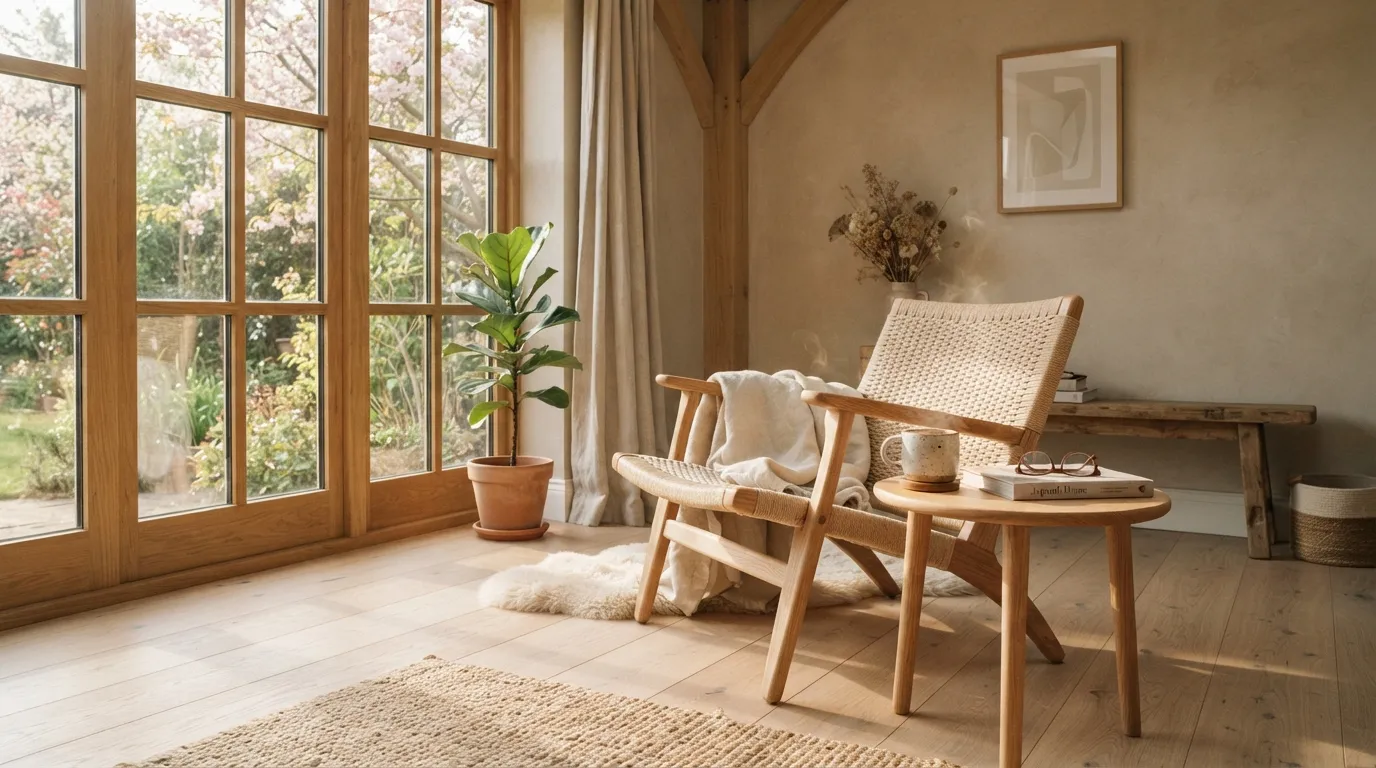
Rattan furniture brings natural texture and a relaxed seasonal feeling into almost any room. You do not need to replace an entire furniture set; one accent chair, small stool, side table, or bench can be enough to change the atmosphere. Pair the warm woven material with cream upholstery, pale wood, soft greenery, and neutral rugs for a light and comfortable arrangement. Rattan works particularly well in living rooms, bedrooms, sunrooms, and entryways because its open texture keeps furniture from looking visually heavy.
Choose one rattan piece as a focal accent rather than placing several matching items throughout the same room. This keeps the look fresh and prevents it from becoming too themed. I’ve noticed that rattan looks especially balanced when paired with smooth surfaces such as painted walls, ceramic lamps, or simple wood furniture. Add a soft cushion or linen throw for comfort, then introduce one leafy plant nearby. The combination creates natural contrast and gives a neutral space more personality while remaining easy to update when the season changes.
12. Pastel Kitchen Details
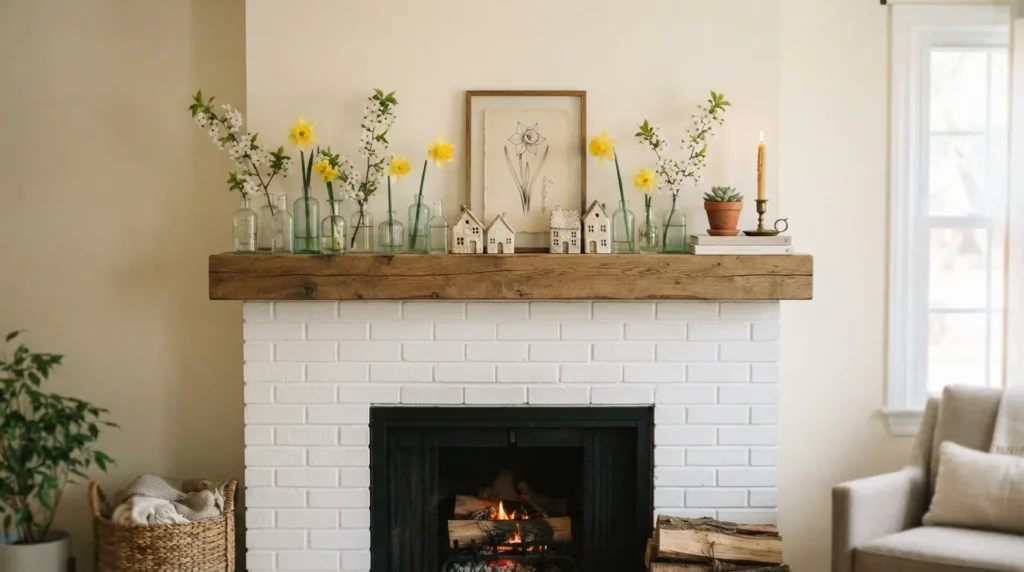
- Small pastel accessories can brighten a neutral kitchen.
- Ceramic pieces add color without permanent changes.
- Soft green and yellow work especially well in spring.
- Open shelving provides an easy display area.
- Keep everyday essentials both useful and attractive.
Small pastel details can make a kitchen feel noticeably brighter without changing cabinets, countertops, or appliances. Introduce soft sage, butter yellow, blush, or pale blue through tea towels, ceramic bowls, mugs, pitchers, or small countertop accessories. These pieces add seasonal color while remaining practical enough for everyday use. A small vase of daffodils or fresh greenery can complete the arrangement. The key is keeping the base palette neutral so the softer colors stand out naturally rather than making the kitchen feel overly decorated.
Choose accessories that you genuinely use instead of buying decorative items simply to fill space. A pastel ceramic pitcher can hold flowers, while a colorful bowl can sit on the counter for fruit. In my experience, functional decor is much easier to maintain because it becomes part of the normal routine rather than another surface that needs attention. If you have open shelves, group pieces by color and vary their heights. Add a wooden cutting board or woven basket to balance the pastel shades with natural warmth.
13. Botanical Bedroom Layers
- Soft green accents create a calming seasonal feel.
- Linen bedding keeps the room light and breathable.
- Botanical prints add gentle nature-inspired detail.
- Natural wood warms the lighter palette.
- Fresh greenery makes the space feel more alive.
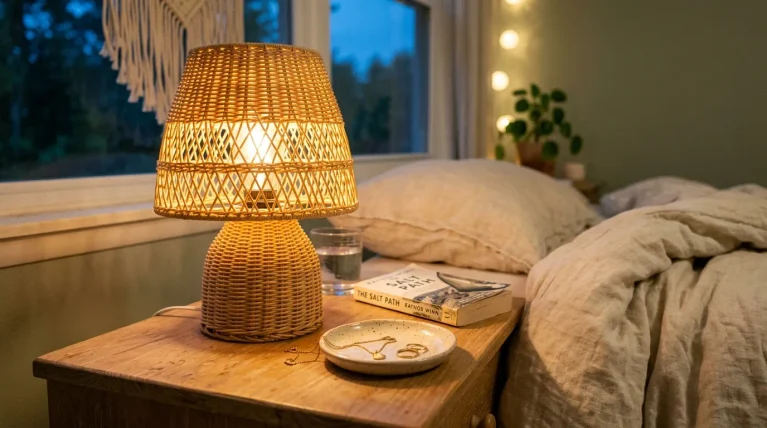
A few botanical layers can make a bedroom feel noticeably fresher without changing the entire color scheme. Start with cream or white linen bedding, then introduce sage green pillows, a lightweight throw, and simple botanical artwork above the bed. Natural wood furniture helps warm the lighter palette, while a leafy plant adds another living element. This combination creates a peaceful retreat that feels connected to the season without becoming overly floral. The overall effect is bright, calming, and easy to maintain throughout the warmer months.
Focus on breathable fabrics and gentle color transitions rather than adding many decorative pieces. A woven basket beside the bed, a ceramic lamp, and one framed botanical print are often enough to complete the look. In my experience, replacing heavy winter bedding with lighter linen immediately changes how the room feels, even before adding other seasonal touches. Keep the nightstands relatively uncluttered so the greenery and soft textures become the main visual features. The finished bedroom feels relaxed, comfortable, and naturally refreshed.
14. Bright Living Room
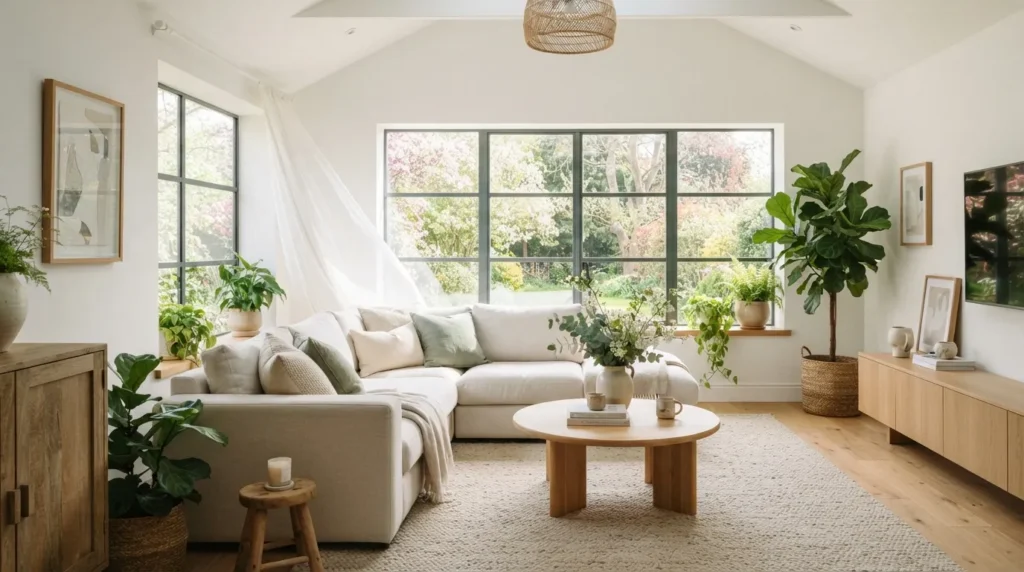
- Lighter accessories instantly refresh the space.
- Fresh flowers create an inviting focal point.
- Natural textures add warmth without heaviness.
- Rearranging decor can make the room feel new.
- Soft colors help reflect more daylight.
A few thoughtful changes can make a living room feel brighter without replacing major furniture pieces. Start by clearing away heavier winter accessories, then add lighter cushions, fresh flowers, and natural textures that reflect more daylight. A pale coffee table arrangement with a ceramic vase and a few books creates a relaxed focal point without clutter. Keep the overall palette soft so the room feels open and welcoming. This approach works especially well when you want a noticeable refresh while staying within a realistic decorating budget.
Think about how the room is used every day before deciding where to place seasonal accents. Leave enough open space for comfortable movement and avoid filling every surface with decorative objects. I’ve noticed that simply rearranging existing accessories alongside one or two fresh additions can make a familiar room feel surprisingly different. Add a lightweight throw, a woven basket, and a small plant near the seating area to reinforce the seasonal feeling. The finished space feels brighter, more comfortable, and ready for longer spring days.
15. Spring Mantel Decor
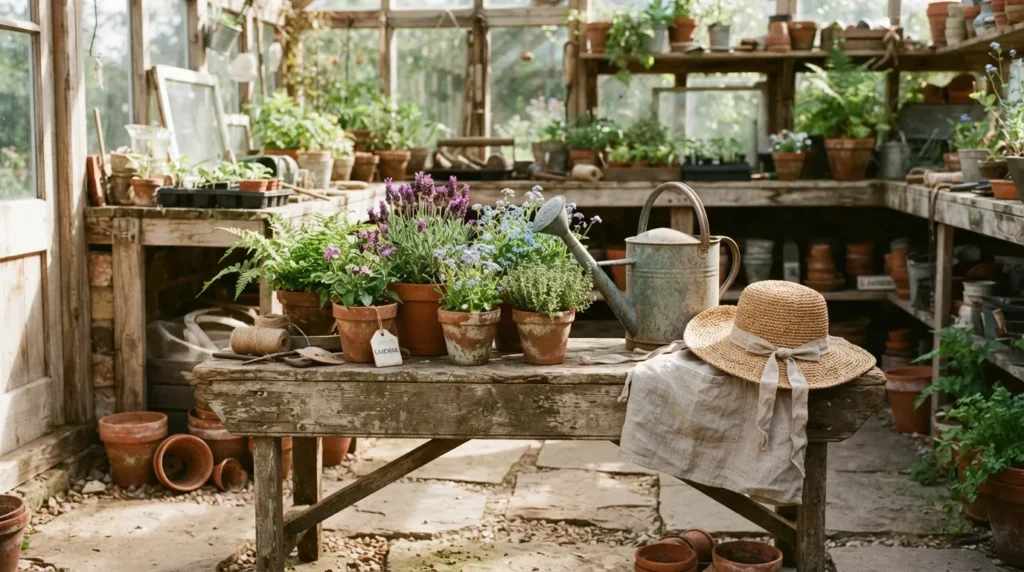
- A few seasonal accents keep the mantel feeling fresh.
- Greenery softens the fireplace without overwhelming it.
- Layered artwork creates relaxed visual interest.
- Ceramic vases add texture and height.
- Keep the arrangement balanced with plenty of open space.
A refreshed mantel can become one of the easiest ways to celebrate the season without redecorating the entire room. Start with a pale wood or neutral mantel as the foundation, then add flowering branches, ceramic vases, botanical artwork, or a small touch of greenery. Keeping the arrangement light allows the fireplace to remain the architectural focal point while introducing a softer seasonal feeling. This approach works beautifully in farmhouse, cottage, and modern homes because the accents are simple enough to blend with many decorating styles.
The most successful mantel displays usually leave some empty space instead of filling every inch with decorations. Vary the height of your objects so the arrangement feels balanced, and repeat one color through two or three pieces for cohesion. In my experience, flowering branches often create more impact than several small accessories because they add height and movement naturally. Finish with a few candles or a woven basket nearby rather than crowding the mantel itself. The result feels fresh, elegant, and easy to update as the season changes.
16. Natural Wood Accents
- Light wood introduces warmth into a fresh seasonal palette.
- Wooden trays make coffee tables look organized.
- Pale oak furniture keeps the room feeling airy.
- Natural grain adds subtle visual texture.
- Wood pairs easily with flowers and greenery.
Natural wood accents can make a bright seasonal room feel warmer without taking away its airy character. Pale oak, ash, and lightly finished pine work especially well with spring colors because their subtle grain adds texture without introducing visual heaviness. Use a wooden tray on the coffee table, a small stool beside a chair, or a simple console to bring this material into the room. Pair it with fresh flowers, greenery, linen, and woven pieces for a relaxed combination that feels natural and welcoming.
You do not need many wooden accessories to create the effect. One or two carefully chosen pieces can be enough when the surrounding palette is light. I’ve noticed that natural wood is particularly useful in rooms decorated with white, cream, or pastel tones because it prevents the space from feeling too cool or flat. Look for finishes that complement your existing flooring and furniture rather than matching everything exactly. Add a ceramic vase or woven basket nearby to create contrast between smooth, organic, and textured materials.
17. Garden-Inspired Vignettes
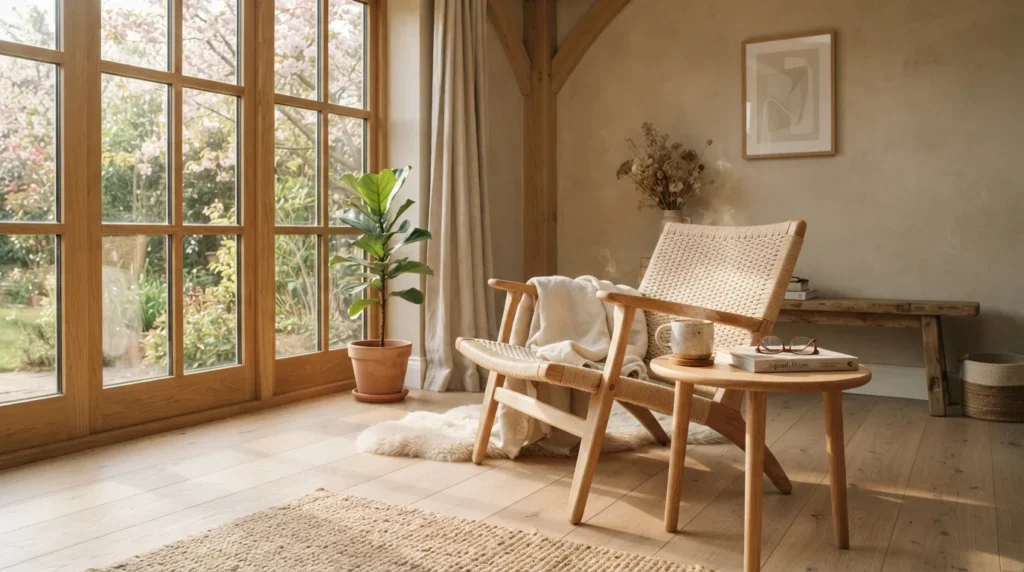
- Small displays can bring the feeling of a garden indoors.
- Flowers, greenery, and natural ceramics work beautifully together.
- Use trays to keep decorative groupings organized.
- Mix heights for a more natural composition.
- Keep the color palette soft and cohesive.
A garden-inspired vignette can bring a delicate touch of spring to an otherwise ordinary console, shelf, or side table. Combine a small potted plant, flowering branches, a botanical book, and a simple ceramic vessel to create a compact display with natural variety. Use a shallow wooden or woven tray to visually connect the pieces and keep the arrangement organized. This type of styling adds personality without requiring much space, making it especially useful for apartments, small rooms, and narrow surfaces.
Start with one taller element, such as a flowering branch, then add medium and smaller objects around it to create an easy visual rhythm. Avoid choosing every piece in the same color or material because slight differences make the display feel more collected. In my experience, natural imperfections often make seasonal vignettes feel more authentic. Keep the background relatively simple so the greenery and flowers stand out. Refresh the arrangement as blooms fade, allowing the display to evolve naturally throughout the season.
18. Cheerful Dining Nook
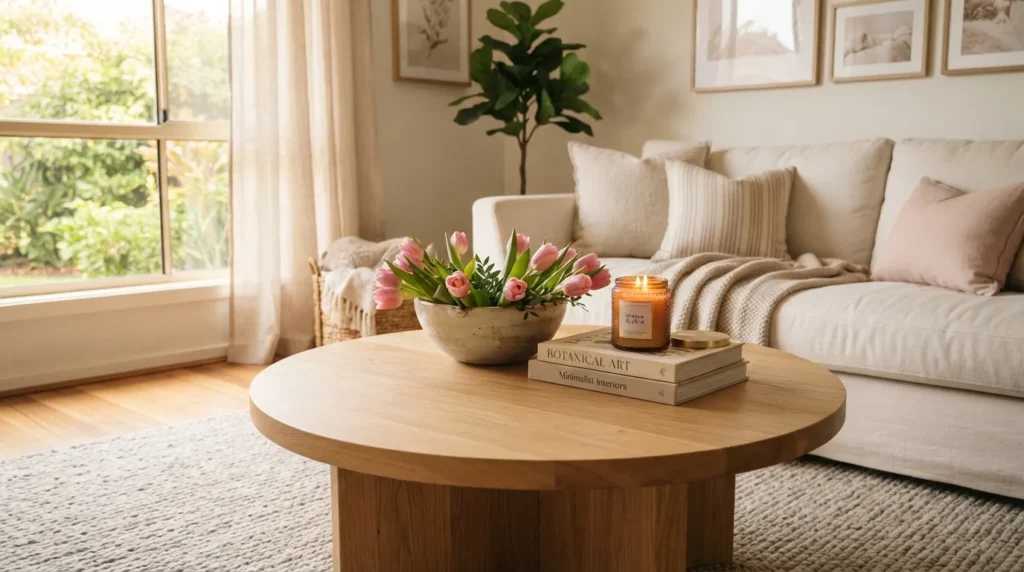
- Soft colors make a small dining area feel inviting.
- Fresh flowers add an instant seasonal focal point.
- Natural wood keeps the space warm and grounded.
- Cushions can introduce pattern without permanent changes.
- Simple lighting creates a cozy atmosphere for meals.
A small dining nook can feel completely refreshed with a few carefully chosen seasonal details. Start with a light wood table and comfortable neutral seating, then introduce color through floral cushions, a small vase of flowers, or soft linen napkins. Natural materials keep the space grounded while pastel accents add cheerful spring character. Because a dining nook is usually compact, even a single floral arrangement can become a strong focal point. The goal is to make the area feel inviting without sacrificing the practical space needed for everyday meals.
Consider how many people regularly use the nook before adding decorative accessories. Keep the tabletop mostly clear so meals can be served comfortably, and use cushions that can be removed or washed easily. I’ve noticed that pendant lighting can make a small dining area feel especially cozy in the evening while still allowing daylight to keep it bright during the day. Add one woven element, such as a pendant or basket, to soften the harder surfaces. This creates a warm seasonal corner that feels both attractive and genuinely useful.
19. Floral Table Linens
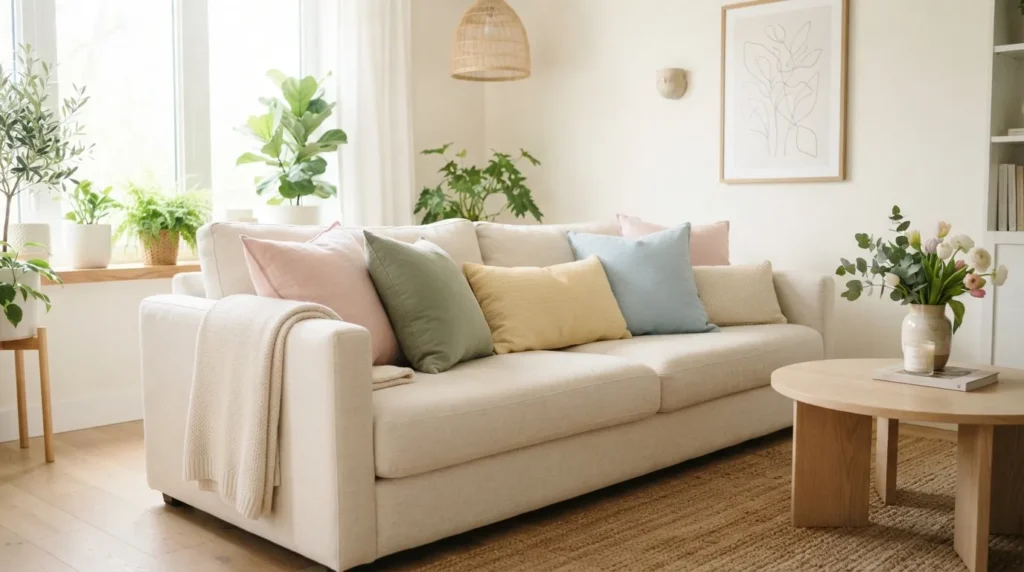
- Floral linens add instant seasonal color to dining spaces.
- Soft patterns create interest without overwhelming the table.
- Cotton and linen fabrics feel fresh and practical.
- Neutral dinnerware keeps the arrangement balanced.
- Seasonal napkins are easy to store and reuse.
Floral table linens can instantly make an everyday dining area feel ready for spring. Choose a runner, tablecloth, or napkins with delicate flowers in soft shades such as blush, sage, lavender, butter yellow, or pale blue. Pair the pattern with simple white dinnerware so the table remains balanced rather than visually crowded. Linen and cotton fabrics add a relaxed texture that feels appropriate for everyday meals. This is also an affordable update because you can change the linens without replacing the table, chairs, or other larger pieces.
If you are unsure about using floral patterns, start with napkins instead of covering the entire table. This gives you a subtle seasonal touch that can easily be changed later. I’ve noticed that small repeated colors work particularly well because they connect the linens to nearby flowers, cushions, or artwork. Add simple woven placemats and one low centerpiece to complete the setting. Keep decorative objects away from the main eating area so the table remains functional. The result feels cheerful, polished, and effortless enough for regular family meals.
20. Fresh Bathroom Details
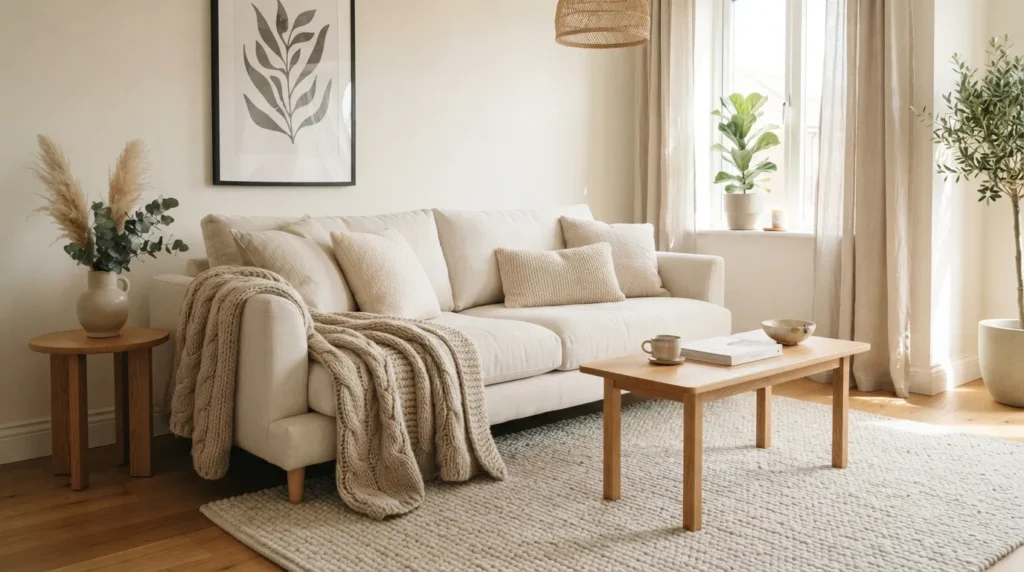
- Small changes can make a bathroom feel newly refreshed.
- Fresh greenery adds natural color to neutral spaces.
- Soft towels create an immediate visual upgrade.
- Woven storage brings warmth and organization.
- Light-colored accessories keep the room feeling clean.
Bathrooms are easy to overlook when refreshing the home, but a few simple changes can give the space a clean seasonal feeling. Replace heavy or dark towels with white, cream, sage, or pale blush options, then add a small plant or fresh eucalyptus arrangement where light conditions allow. A woven basket can hold extra towels or toiletries while adding natural texture. Keep countertops relatively clear and choose simple ceramic accessories to maintain the clean appearance. These small details can make the bathroom feel brighter without requiring a renovation.
Think about moisture and maintenance when selecting seasonal accessories for the bathroom. Choose washable textiles, durable containers, and plants that can handle the available humidity and light. I’ve noticed that matching the towels with one small decorative accent creates a surprisingly polished effect. Add a pale wood stool for practical storage, then finish with a light-colored bath mat. Avoid filling every surface because bathrooms benefit from visual breathing room. The result is a fresh, organized space that feels comfortable and cared for every day.
21. Spring Coffee Table
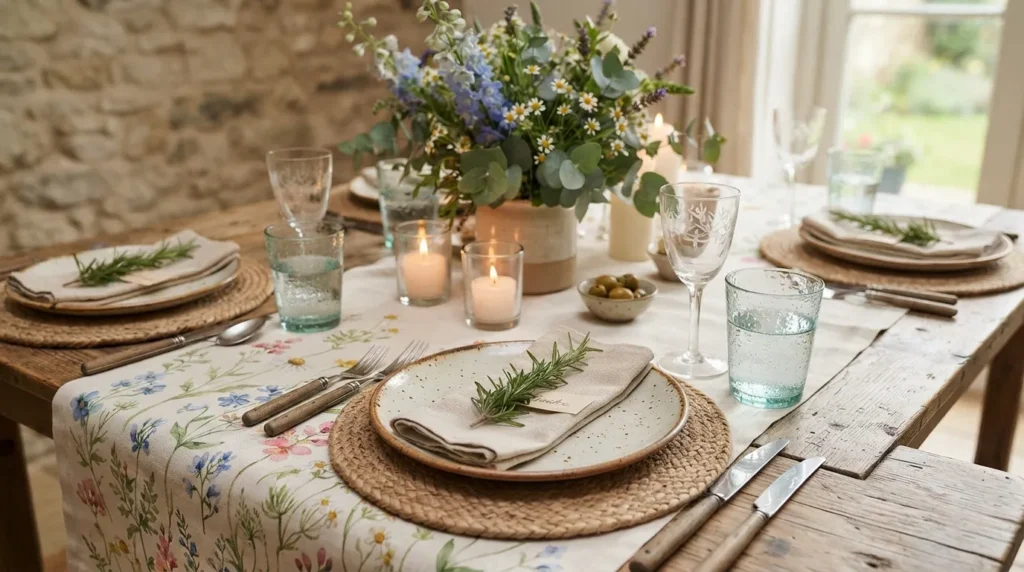
- A simple centerpiece can refresh the entire seating area.
- Fresh flowers bring natural color and fragrance.
- Books add height and personal character.
- A decorative tray keeps smaller items organized.
- Natural materials create a relaxed seasonal finish.
A thoughtfully styled coffee table can become a small but noticeable focal point in a spring refresh. Start with a shallow woven or wooden tray to organize the display, then add a stack of books, a simple ceramic vase, and fresh seasonal flowers. Keep the arrangement low enough that people can comfortably see across the table. Natural materials such as wood, rattan, and ceramic create texture while soft flowers provide color. This simple formula works in both large living rooms and compact spaces because it adds interest without using much room.
The best coffee table displays balance decoration with everyday function. Leave enough open space for drinks, books, or snacks, especially if the room is used frequently. I’ve noticed that three or four carefully selected pieces usually look more intentional than a crowded collection of small objects. Use a tray when possible so the entire arrangement can be moved easily when you need the table. Add one seasonal color through flowers or a small accessory, then let the neutral foundation keep everything looking calm and cohesive.
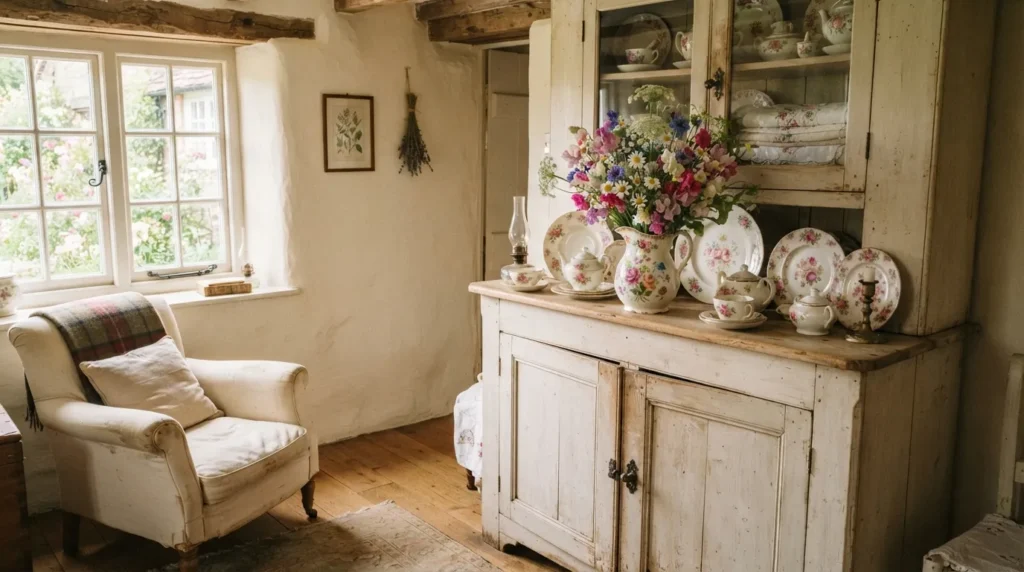
22. Cottage-Inspired Accents
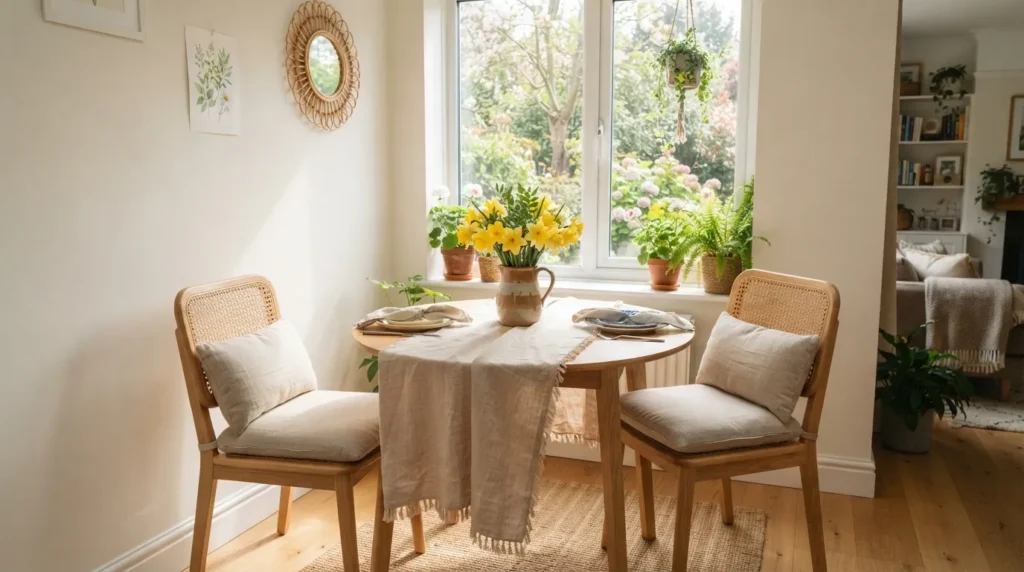
- Vintage details bring charm without requiring major changes.
- Soft florals create a welcoming seasonal mood.
- Natural wood adds warmth and character.
- Ceramic pieces provide handmade visual texture.
- Mix old and new for a relaxed appearance.
Cottage-inspired accents can give a home a softer, more personal feeling during spring. Look for small details such as vintage frames, floral cushions, ceramic pitchers, woven baskets, or lightly weathered wooden pieces. These items add character without requiring you to replace larger furniture. Keep the colors gentle with cream, sage, dusty blue, blush, and natural wood tones. Mixing a few older-looking pieces with contemporary furniture creates a relaxed appearance that feels collected over time rather than purchased all at once.
The charm comes from using imperfections thoughtfully instead of trying to make every item coordinate perfectly. A vintage mirror can sit above a modern console, while an old ceramic pitcher can hold fresh flowers on a contemporary dining table. I’ve noticed that this combination often makes seasonal decorating feel more authentic because the room still reflects the people who live there. Choose a few meaningful pieces and give them room to stand out. Add soft textiles and natural greenery to complete the comfortable cottage atmosphere.
23. Airy Neutral Layers
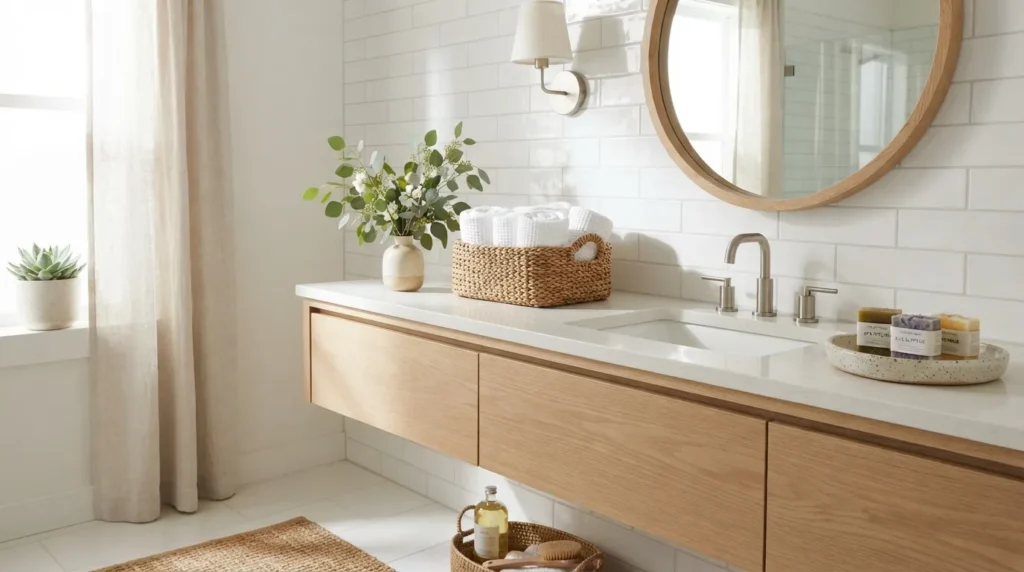
- Neutral tones create a timeless foundation for spring.
- Cream, beige, and soft white reflect natural light.
- Layered textures prevent pale rooms from feeling flat.
- Greenery adds a natural touch of color.
- Lightweight fabrics keep the space visually fresh.
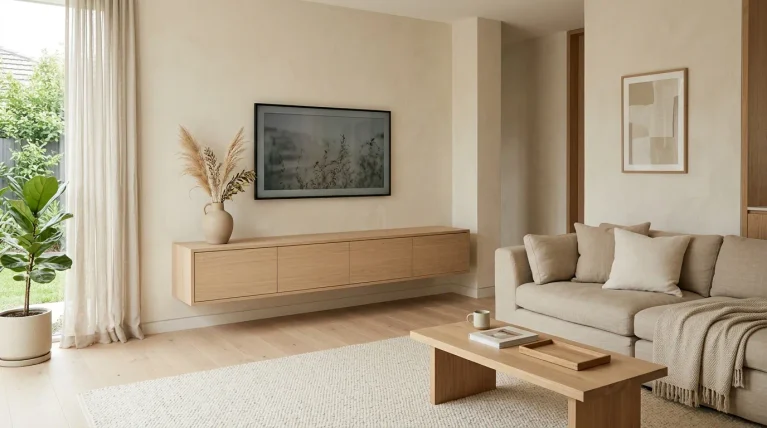
Airy neutral layers create a fresh seasonal look without relying on bright colors or obvious spring decorations. Combine cream, ivory, beige, oatmeal, and pale wood across furniture, textiles, and accessories to build a soft foundation. Then introduce greenery or a small floral arrangement for natural color. Different textures, such as linen, cotton, wool, rattan, and wood, keep the pale palette from feeling flat. This approach is especially useful if you prefer timeless interiors that can transition naturally from spring into summer.
The secret is creating contrast through texture rather than strong color. Pair smooth ceramic pieces with woven baskets, nubby cushions, lightweight linen, and natural wood so each layer remains visually distinct. I’ve noticed that neutral rooms often feel freshest when there is plenty of natural light and a little greenery rather than an excess of accessories. Keep window treatments light, clear unnecessary clutter, and let the room breathe. The result is a calm, bright space that feels refreshed for spring while remaining practical and beautiful throughout the year.
Conclusion
Refreshing your home for spring does not have to mean a major makeover. Small changes like fresh flowers, lighter textiles, natural wood, greenery, pastel accents, and woven textures can completely shift the atmosphere. These spring home decor ideas offer plenty of inspiration while keeping everyday comfort and practicality in mind. Start with one room or even one small corner, then build from there. I’ve noticed that simple seasonal updates often make the biggest visual difference. Save this post on Pinterest for your next decorating project, try your favorite ideas at home, and share it with someone who loves a fresh seasonal refresh.