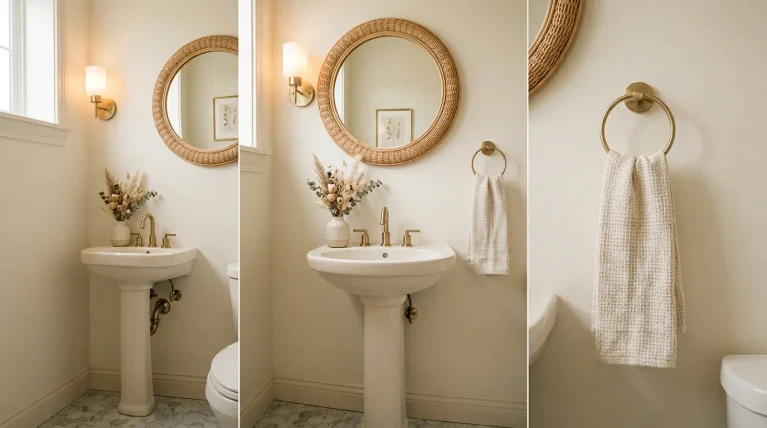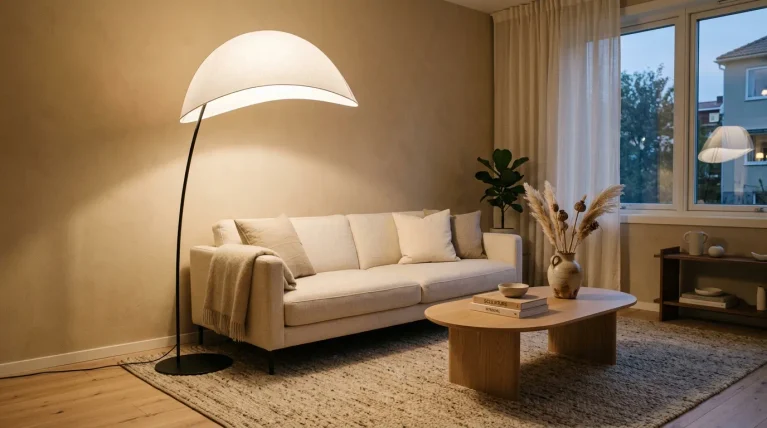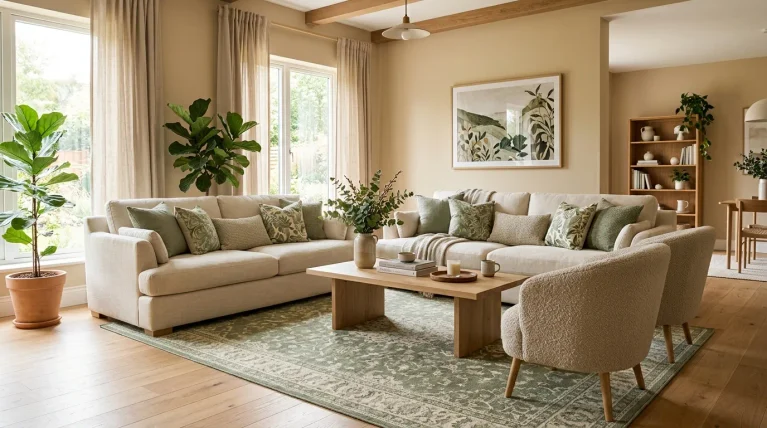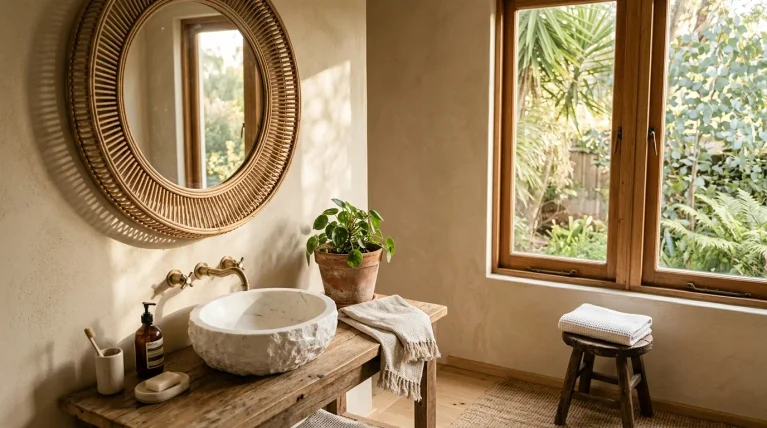
Ready to turn your living room into the cozy retreat you’ve been dreaming about? These cozy boho living room ideas make it easy to create a space that feels warm, relaxed, layered, and effortlessly inviting.
A boho-inspired room is all about comfort, personality, and natural texture rather than perfect matching. In this article, you’ll discover 24 practical ideas featuring soft textiles, earthy colors, woven accents, plants, warm lighting, vintage touches, and relaxed furniture arrangements. Whether your living room feels bare, overly formal, or simply lacks that welcoming feeling, these ideas can help you give it more character without starting from scratch.
In my experience, small changes often make the biggest difference. Adding a textured throw, a woven basket, or a few plants can instantly soften a room and make it feel more lived-in. As you explore these ideas, you’ll find plenty of inspiration for creating a cozy boho space that feels beautiful, comfortable, and genuinely like home.
1. Warm Neutral Layers
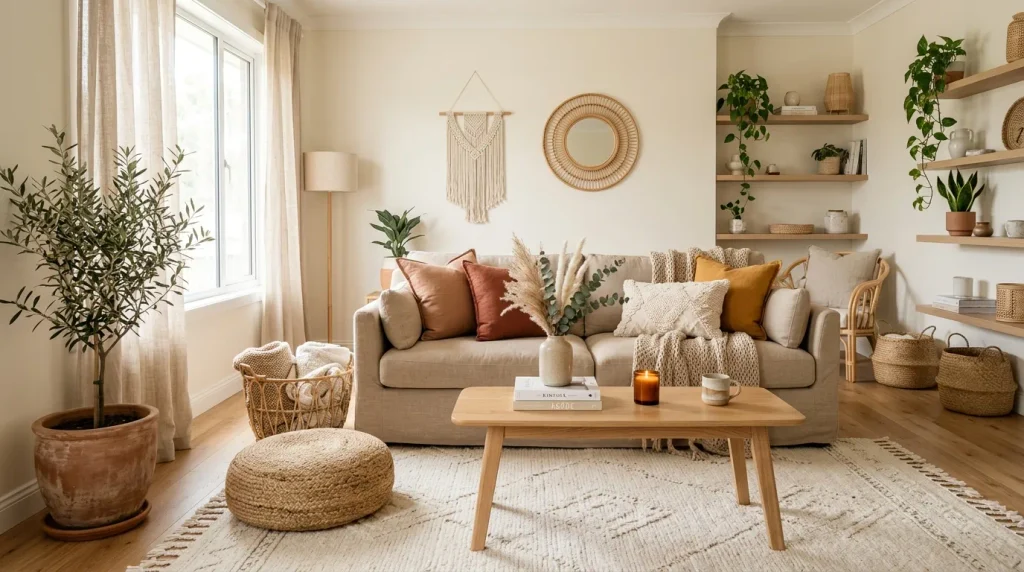
- Layer cream, beige, sand, and soft terracotta for a naturally calming base.
- Use woven baskets and textured cushions to add depth without clutter.
- Keep larger furniture neutral so smaller decorative pieces can stand out.
- Repeat warm natural tones across rugs, throws, and accessories for a connected look.
A layered neutral palette can make a boho living room feel instantly softer without looking washed out. Start with warm white walls, a sandy beige sofa, and a large cream rug that anchors the seating area. Add terracotta cushions, woven baskets, and a few muted olive accents for gentle contrast. The result feels relaxed but still visually interesting. In my experience, mixing several natural shades works better than choosing one beige everywhere because the subtle differences give the room depth. Keep larger pieces calm, then let smaller handmade-looking accessories provide warmth, texture, and personality.
Natural texture is the secret that keeps a neutral boho room from feeling flat. Pair linen upholstery with a chunky jute rug, rattan furniture, woven baskets, and a soft cotton throw draped casually over the sofa. Choose light oak or honey-toned wood for a warmer foundation, then repeat those tones through frames or trays. Large windows with filtered daylight will highlight the texture beautifully throughout the day. This approach also works well in smaller homes because tactile materials create visual richness without filling every surface. The overall effect is airy, comfortable, grounded, and easy to maintain.
Also Read : 21 Modern Laundry Room Ideas for a Stylish Organized Space
2. Low Profile Seating
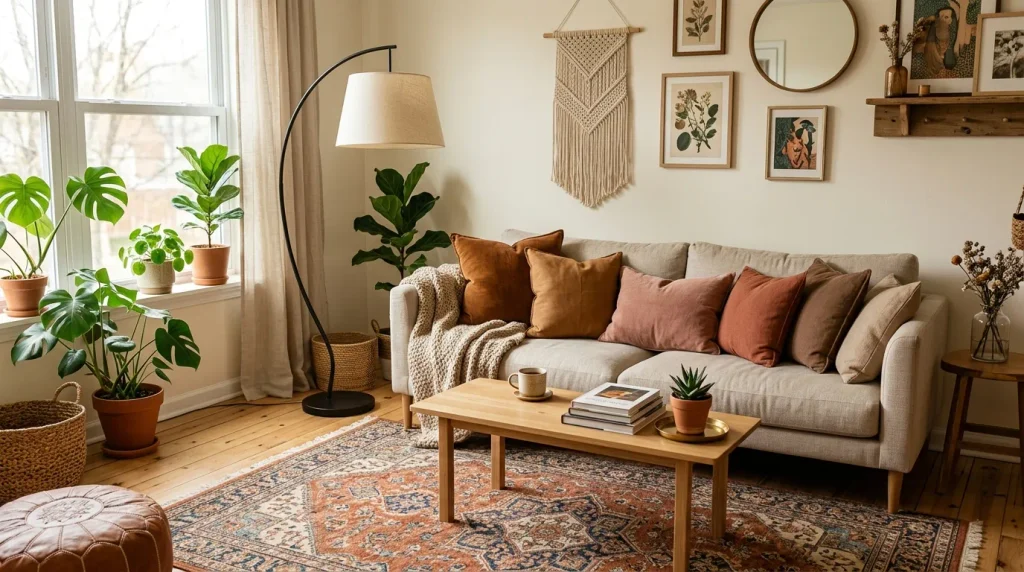
- Choose a low sofa to create a relaxed, grounded seating arrangement.
- Surround it with oversized cushions in earthy colors and soft patterns.
- Leave open floor space around the furniture to preserve an airy feeling.
- Add one sculptural lamp for function and visual balance.
Bring a relaxed focal point into the room with a low-profile sofa surrounded by oversized cushions and layered textiles. Choose cream or oatmeal upholstery, then add pillows in rust, caramel, dusty rose, and soft brown patterns. Place the sofa over a vintage-style rug and leave enough open floor around it to keep the arrangement breathable. I’ve noticed that lower furniture often makes a room feel more casual and spacious, especially when paired with a simple wood coffee table. Add one sculptural floor lamp nearby so the seating area feels intentional without becoming overly decorated.
Soft curves can instantly change the feeling of a living room, especially when the rest of the space has natural, earthy finishes. Try a rounded boucle chair beside a curved wood coffee table, then soften the arrangement with a plush rug and flowing linen curtains. Keep the palette close to ivory, tan, clay, and warm brown so the shapes remain the visual focus. Rounded furniture also helps break up a room filled with straight lines from walls, shelves, and flooring. That balance makes the space feel more inviting while keeping the bohemian look polished, relaxed, and contemporary.
Also Read : 22 Stylish Bed Without Headboard Ideas for Bedrooms
3. Cozy Reading Nook
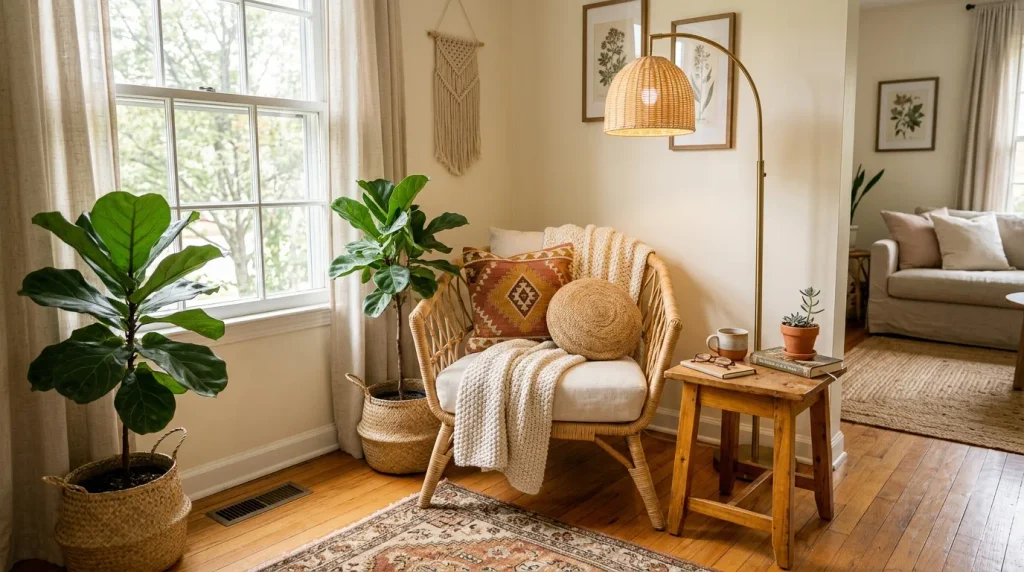
- Turn an empty corner into a useful and inviting retreat.
- Pair a woven chair with a small wooden table and soft throw.
- Use a floor lamp to create gentle evening illumination.
- Define the area with a small rug without overcrowding the room.
A warm reading nook can turn an unused corner into one of the most inviting parts of a boho living room. Place a woven lounge chair beside a small wooden side table, then add a textured throw, a floor lamp, and a leafy plant. Position the chair near a window when possible so natural light creates a bright daytime retreat. Keep the surrounding area uncluttered and use a small rug to define the nook visually. This simple setup adds function without demanding much floor space, making it especially useful for apartments, compact rooms, or open-plan homes.
Make the nook feel connected to the rest of the room by repeating materials already used nearby. If the main seating area has rattan accents, choose a woven chair; if warm wood appears elsewhere, echo it with the side table. A small stack of books, a ceramic cup, or a simple vase can make the corner feel lived-in without adding clutter. In many homes, the best reading spaces are not elaborate—they simply combine comfortable seating, useful lighting, and a little texture. That balance keeps the corner practical while reinforcing the warm, collected character of the room.
Also Read : 23 Pink Coquette Bedroom Ideas for a Dreamy Feminine Space
4. Rattan Accent Chairs
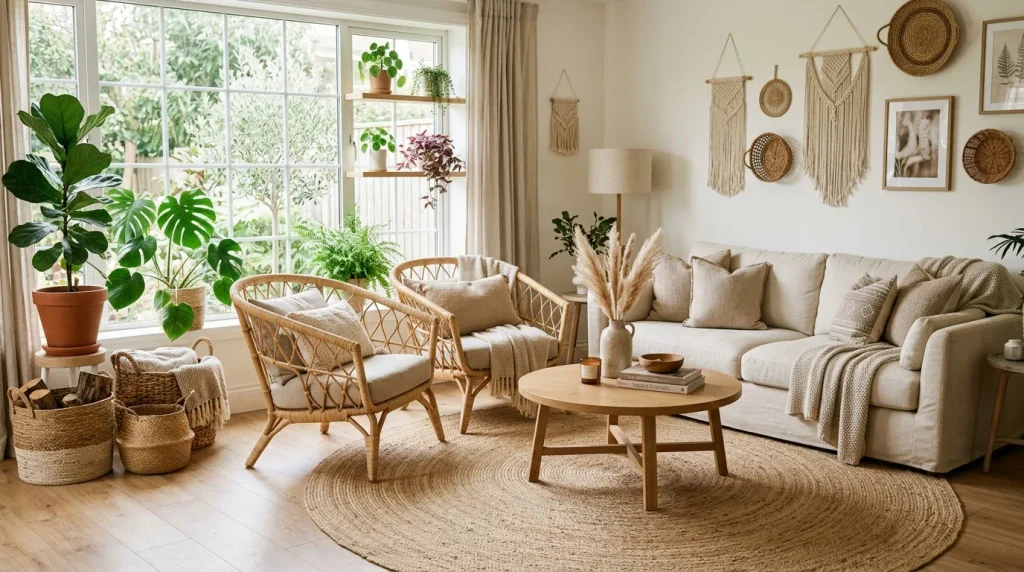
- Add rattan chairs to introduce natural texture and lightweight visual interest.
- Angle the chairs slightly toward the main sofa for easier conversation.
- Pair woven surfaces with soft cushions for extra comfort.
- Repeat rattan in smaller accessories to make the room feel coordinated.
Rattan accent chairs can give a living room that breezy bohemian character without making the space feel heavy. Choose natural woven frames with rounded shapes, then soften them with cream or beige cushions. Position two chairs opposite or slightly angled toward the sofa to create a comfortable conversation area. A round jute rug underneath can visually connect the seating pieces while adding another natural texture. I’ve noticed that rattan works particularly well when larger furniture is kept simple because its woven pattern becomes an effortless focal point. The room feels lighter, warmer, and more collected.
Keep the surrounding décor restrained so the woven furniture has room to stand out. A light oak coffee table, ceramic vase, leafy plant, and woven basket can echo the chair’s natural material without creating visual repetition. If the room receives strong sunlight, linen curtains can soften the brightness while maintaining an airy atmosphere. For smaller spaces, choose chairs with open frames rather than bulky upholstered designs because they allow more of the floor and wall to remain visible. This creates a spacious appearance while still giving the room plenty of texture, warmth, and comfortable seating.
Also Read : 27 Modern Rustic Living Room Ideas to Try Today
5. Layered Vintage Rugs
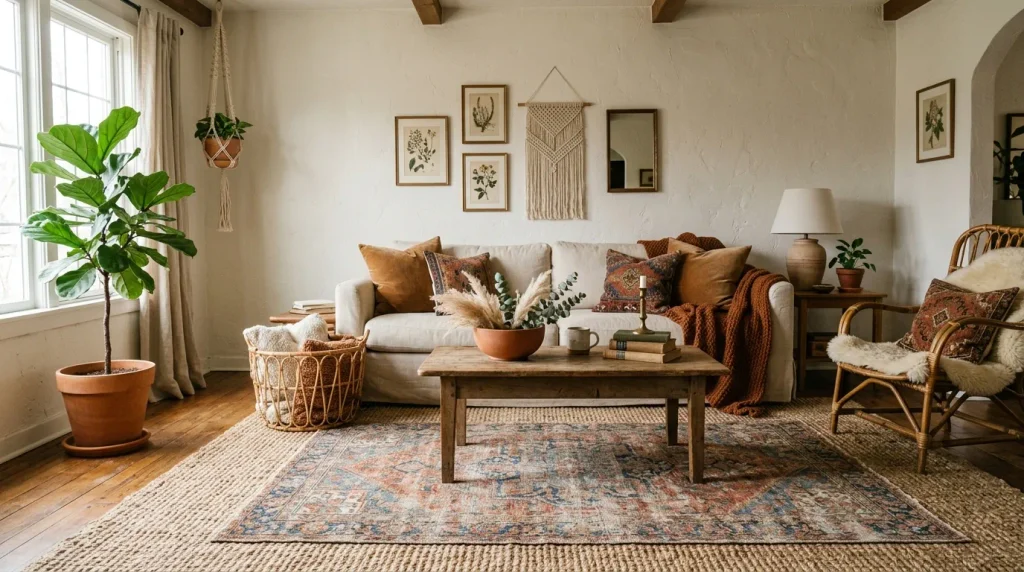
- Combine rugs with related colors rather than matching patterns exactly.
- Place a smaller patterned rug over a larger natural-fiber base.
- Let subtle wear and variation add authentic character.
- Keep furniture placement stable so the layered flooring feels intentional.
Layered rugs can instantly make a living room feel warmer, more collected, and visually rich. Start with a large jute or sisal rug as the foundation, then place a smaller faded vintage-style rug over it beneath the coffee table. Look for muted terracotta, rust, cream, brown, or dusty blue rather than overly bright colors. The overlapping edges create depth while helping separate the seating zone from the rest of the floor. In my experience, slightly imperfect vintage patterns often look better in boho spaces because they add character without requiring every decorative piece to coordinate perfectly.
The key is to vary scale while keeping the overall color palette connected. A large neutral rug can support a smaller Persian-inspired design with intricate details, while nearby cushions or throws repeat one or two of its quieter tones. Avoid placing too many competing patterns directly beside each other. Let the rugs provide most of the visual movement, then use simpler furniture around them. This technique works especially well in open-plan homes because layered flooring can visually define a living area without adding walls, bulky furniture, or unnecessary partitions.
Also Read : 25 Mermaid Tile Bathroom Ideas for a Whimsical Coastal Look
6. Earthy Terracotta Accents
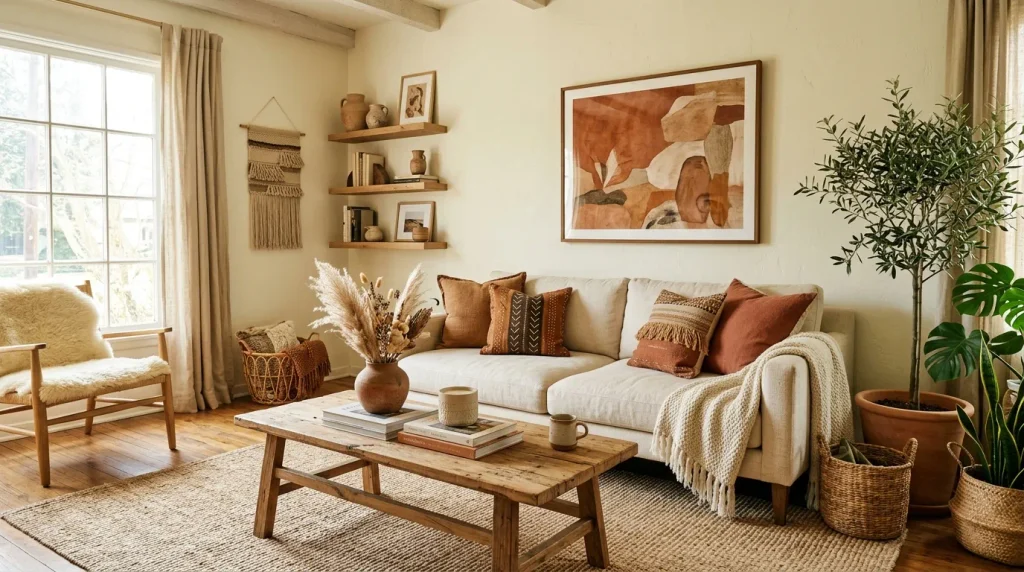
- Introduce terracotta through cushions, pottery, artwork, or small accessories.
- Balance warm clay tones with cream, beige, and natural wood.
- Use a few repeated accents instead of scattering color everywhere.
- Add handmade ceramics for an organic, collected appearance.
Terracotta accents bring warmth into a neutral living room without overwhelming the calm boho palette. Try rust-colored cushions, handmade clay pottery, a small terracotta vase, or artwork with muted red and burnt-orange details. Keep the larger pieces cream, beige, or natural wood so the earthy color feels intentional rather than dominant. One easy trick is to repeat terracotta in three small places, such as a cushion, vase, and artwork. This creates visual rhythm across the room. The result feels warmer and more personal while still maintaining the relaxed simplicity that makes bohemian interiors appealing.
Terracotta also pairs beautifully with natural greenery, especially when the plants have soft or sculptural leaves. Place a leafy plant beside the sofa, then echo its green tones with one subtle cushion or artwork detail. Warm daylight will make clay surfaces look especially inviting, while evening lamps can create a soft glow across the earthy palette. Choose matte ceramics and slightly irregular handmade pieces when possible because their natural imperfections add character. This combination is practical for everyday homes: small accessories can completely refresh the room without requiring expensive furniture changes or major renovations.
Also Read : 22 Dorm Room Ideas for Guys to Create a Cool Space
7. Macramé Wall Hanging
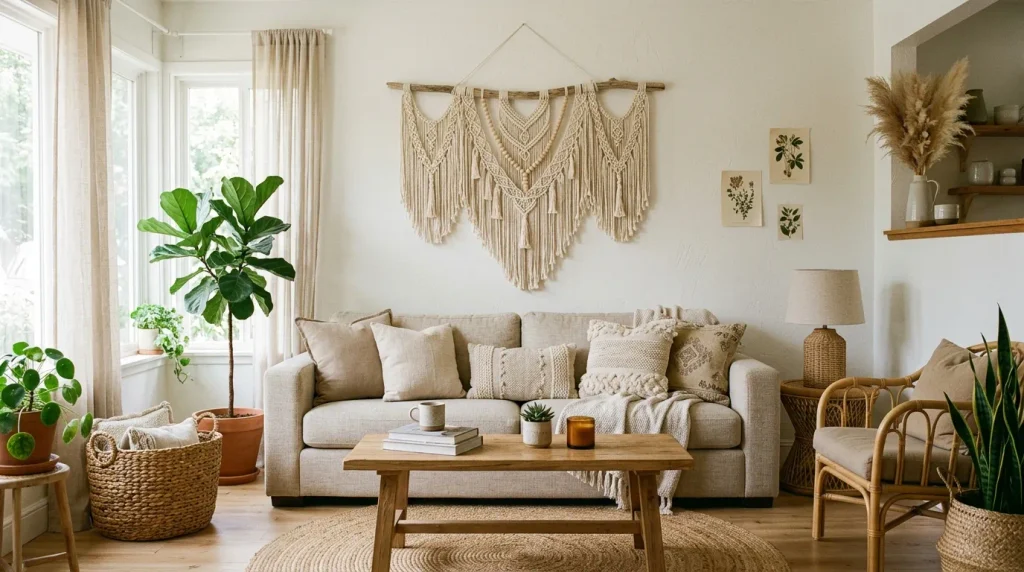
- Fill an empty wall with soft woven texture instead of heavy artwork.
- Choose natural cotton, cream, or warm beige fibers for an airy effect.
- Hang the piece above the sofa to create a clear focal point.
- Keep nearby wall décor minimal so the texture remains noticeable.
A large macramé wall hanging can turn a plain wall into a textured focal point with very little effort. Choose an oversized cream or natural cotton design and center it above the sofa so the wall feels visually connected to the seating area. Keep the surrounding artwork simple, allowing the woven pattern to become the main feature. This is one of those cozy boho living room ideas that works especially well when you want personality without adding another bulky piece of furniture. The soft fibers also introduce movement and warmth against smooth painted walls.
For a more polished arrangement, balance the macramé with simple materials below it. A light wood coffee table, neutral rug, ceramic vase, and woven basket can repeat the natural feeling without competing for attention. If your sofa sits against a darker wall, choose lighter macramé fibers for stronger contrast. On pale walls, a slightly warmer beige piece can create gentle definition. I’ve seen this approach work particularly well in rental spaces because wall texture can make a room feel finished without requiring permanent architectural changes or expensive remodeling.
8. Woven Pendant Lighting
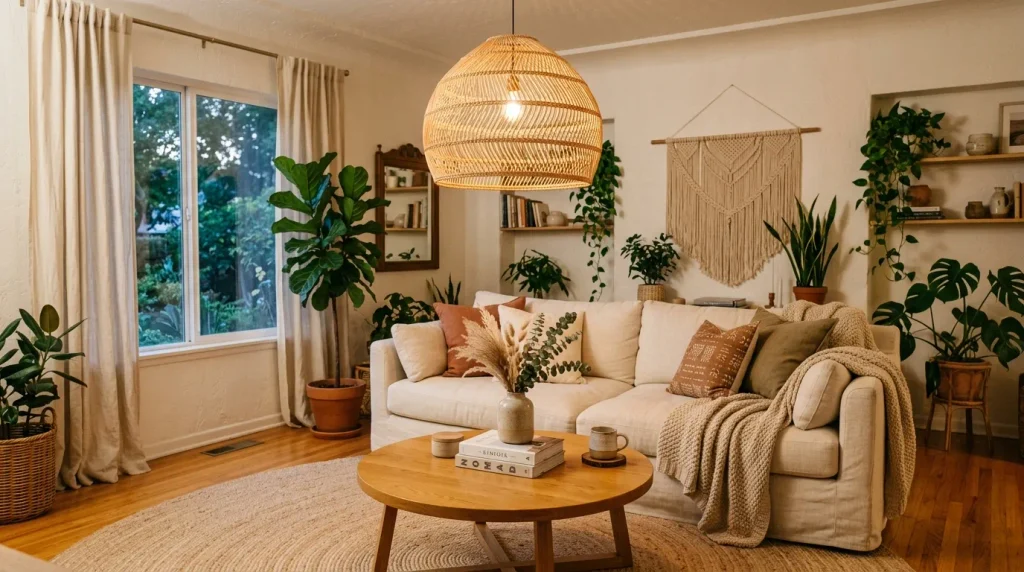
- Replace a basic ceiling fixture with a woven pendant for instant texture.
- Choose natural rattan, cane, or seagrass in a warm neutral shade.
- Hang the fixture centrally above the main seating arrangement.
- Use warm bulbs to soften the room after sunset.
A woven pendant light can change the entire atmosphere of a living room once the sun goes down. Choose a rattan, cane, or seagrass shade with an open weave so the bulb creates gentle patterns across the ceiling and nearby walls. Position it centrally over the main seating area rather than leaving it tucked into a corner. Warm-white lighting works best with cream upholstery, natural wood, and earthy textiles because it enhances their softer tones. The fixture becomes both practical lighting and a decorative feature, giving the room that relaxed boho character without adding visual clutter.
Scale matters when choosing a woven pendant. A larger shade can make a spacious room feel balanced, while a smaller open-weave fixture is better for compact spaces with lower ceilings. Keep the rest of the lighting layered with a floor lamp or table lamp so the pendant does not have to provide all the illumination. In my experience, multiple soft light sources make bohemian rooms feel much more inviting than one bright overhead fixture. During the day, the woven shade adds sculptural texture; at night, it creates a warm focal point.
9. Indoor Plant Corners
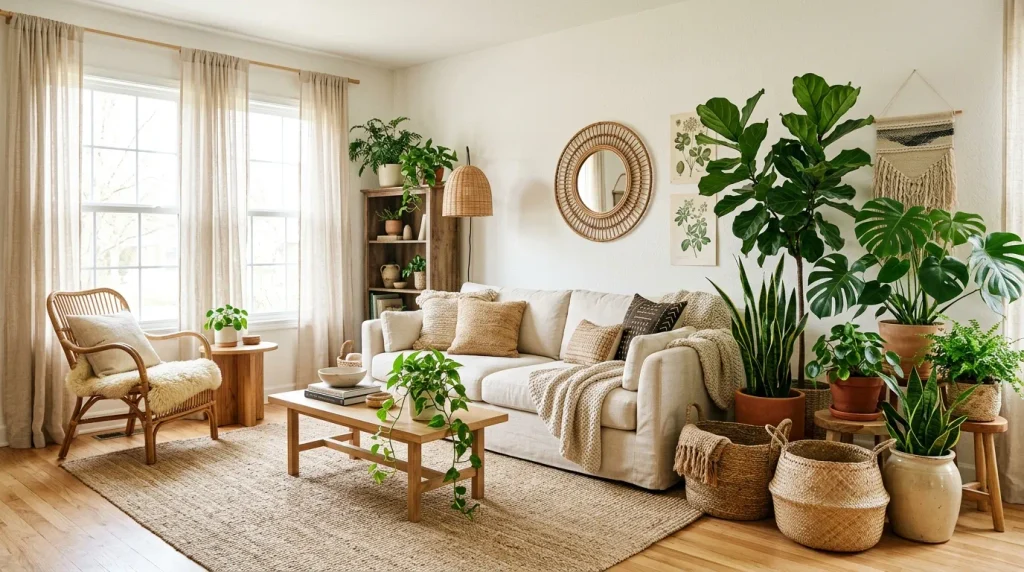
- Group plants at different heights to create a natural layered display.
- Use woven baskets or simple ceramic pots for cohesive texture.
- Place taller greenery beside sofas, windows, or empty corners.
- Choose low-maintenance varieties if your room receives limited sunlight.
A plant-filled corner can make a bohemian living room feel fresher, softer, and more connected to nature. Start with one tall plant beside the sofa or near a bright window, then add two smaller plants at different heights. Use woven baskets, terracotta pots, or simple ceramic planters to bring in additional texture. Keep enough space between each plant so the grouping looks intentional rather than crowded. Greenery also helps break up large areas of neutral furniture and walls. The visual contrast between leafy shapes and soft textiles creates a lively focal point without relying on bold colors.
Consider the amount of natural light before choosing your plants and arranging the corner. Bright rooms can support a wider variety of greenery, while darker spaces may need plants that tolerate lower light. Place taller varieties behind smaller ones to create depth, and use plant stands when floor space is limited. A simple wooden stool can even double as a plant pedestal. This arrangement is easy to refresh because plants, baskets, and pots can move around the room as your needs change. The result feels organic, relaxed, and naturally layered without looking overly styled.
10. Oversized Floor Cushions
- Add large floor cushions to create flexible, casual seating.
- Choose linen, cotton, or woven covers in earthy neutral shades.
- Arrange them around a low coffee table for relaxed gatherings.
- Store extra cushions in a nearby woven basket when unused.
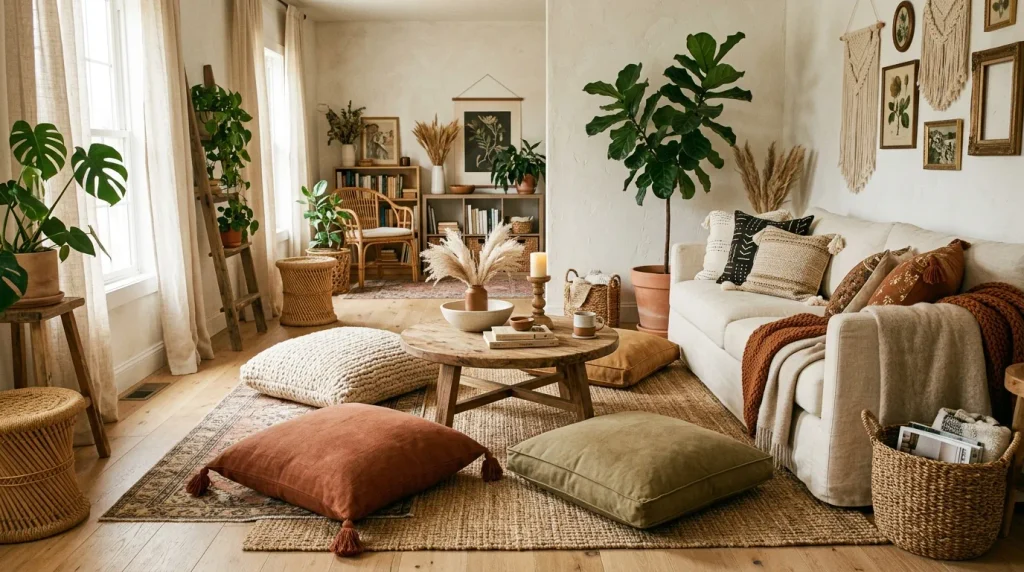
Oversized floor cushions instantly make a living room feel more casual and welcoming. Choose large square or round cushions in cream, camel, rust, or muted olive, then arrange them around a low wooden coffee table. A layered rug underneath keeps the seating area comfortable while visually defining the space. This setup is especially useful when you want extra seating without adding another bulky chair. Guests can move the cushions easily, and children can use them for relaxed lounging. I’ve noticed that a few generously sized cushions create a more inviting atmosphere than many small decorative pillows.
Choose durable cotton, linen, or woven covers that can handle everyday use, especially if the cushions will become regular seating. Keep patterns simple and mix only a few complementary textures so the arrangement does not become visually busy. When the cushions are not needed, place them inside a large woven basket near the sofa. This keeps the room tidy while maintaining the natural boho aesthetic. A low coffee table also makes the setup practical for drinks, books, or snacks. The combination creates a flexible gathering spot that feels comfortable without sacrificing the room’s airy appearance.
11. Arched Floor Mirror
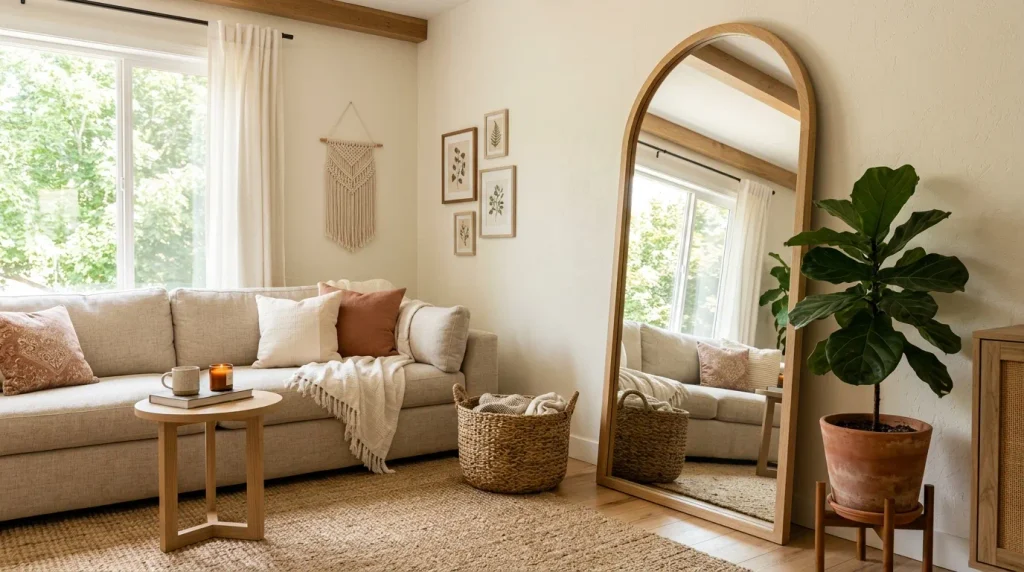
- Use a tall arched mirror to reflect natural light around the room.
- Lean it against a wall for a relaxed, effortless arrangement.
- Choose a wood or woven frame to reinforce natural materials.
- Position it opposite a window for maximum brightness and depth.
An arched floor mirror can make a boho living room feel brighter while adding a graceful architectural shape. Choose a tall mirror with a natural wood frame and lean it casually against a wall rather than mounting it. Positioning the mirror opposite or near a window helps reflect daylight and visually extend the room. The curved top softens the straight lines of sofas, tables, and walls, creating a more balanced composition. For smaller rooms, this trick can make the space feel noticeably more open because the reflected light and furniture create an impression of extra depth.
Keep the area around the mirror relatively simple so its shape remains easy to appreciate. A woven basket, tall plant, or small wooden stool can sit nearby without blocking the reflection. Avoid placing the mirror where it reflects clutter, television screens, or an overly busy corner because that can make the room feel more chaotic. Instead, aim it toward a bright window, attractive artwork, or greenery. In many homes, a large mirror serves both decorative and practical purposes, helping a compact living area feel brighter, taller, and more thoughtfully arranged.
12. Textured Bouclé Sofa
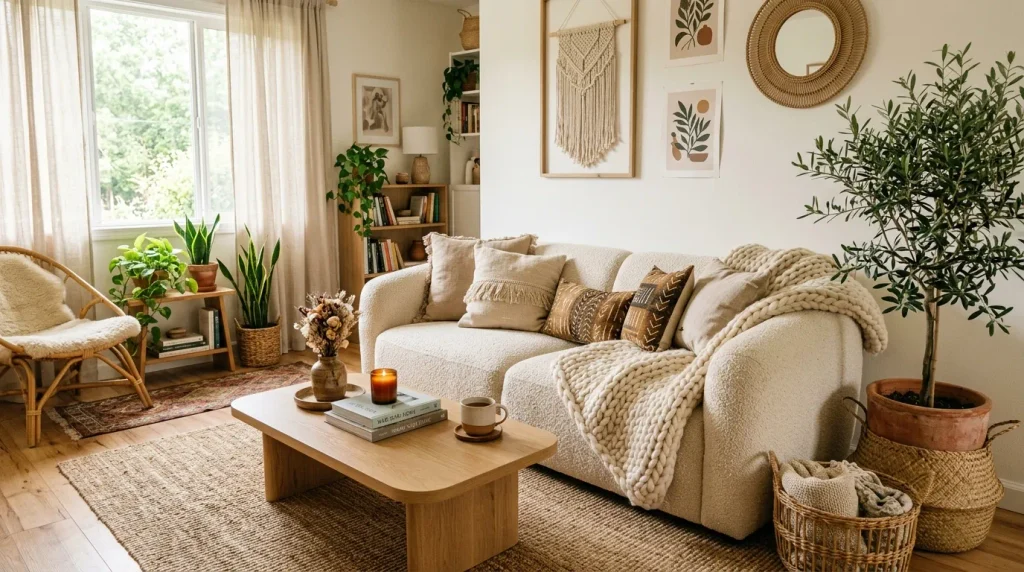
- Choose a softly textured sofa as the main comfort-focused anchor.
- Pair creamy upholstery with warmer wood and earthy accessories.
- Add cushions in linen, cotton, and subtle woven fabrics.
- Keep surrounding furniture streamlined to let the texture stand out.
A textured bouclé sofa can become the soft centerpiece of a relaxed bohemian living room. Its nubby surface catches natural light beautifully and adds depth even when the color stays neutral. Choose creamy ivory or warm beige upholstery, then layer linen cushions and a chunky cotton throw across the seat. Pair the sofa with light oak, rattan, or woven furniture so the room keeps its natural character. The exact primary phrase does not need to appear throughout every description because the visual ingredients themselves create strong relevance. The result feels comfortable, tactile, and effortlessly inviting.
Balance the softness of bouclé with materials that have a little more structure. A jute rug grounds the seating area, while a wood coffee table adds warmth and a woven basket introduces practical storage. Keep patterns relatively subtle so the sofa remains the focal point. If you have pets or young children, consider a removable or washable cover where possible, since highly textured upholstery can require more care. This combination works particularly well in everyday homes because it blends comfort with visual interest, creating a seating area that looks styled but still feels genuinely lived in.
13. Natural Wood Coffee Table
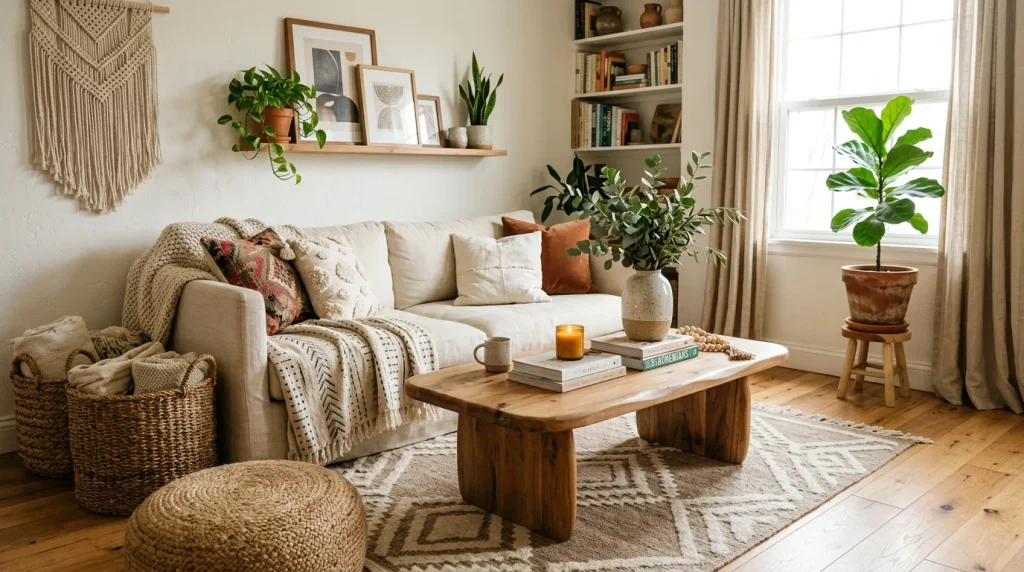
- Choose light or medium-toned wood for an earthy foundation.
- Look for rounded edges or organic shapes to soften the arrangement.
- Keep the tabletop simple with one tray and a few useful objects.
- Repeat the wood finish through stools, frames, or shelving nearby.
A natural wood coffee table can anchor a relaxed living room while bringing warmth into a soft neutral palette. Choose light oak, walnut, or honey-toned wood depending on the colors already present. Rounded edges and organic shapes work especially well with curved sofas, woven chairs, and textured rugs because they create a softer visual flow. Keep the tabletop intentionally simple with a ceramic vase, small tray, or stack of books. The combination gives the room a useful centerpiece without making it feel overly decorated. Natural wood also ages beautifully, adding character as the space evolves.
Think of the coffee table as the visual bridge between your seating, rug, and accessories. If your sofa is cream, a medium wood finish can provide gentle contrast; if the room already has darker furniture, choose a lighter table to keep the space balanced. Avoid filling every inch of the surface because open areas make the room feel calmer. In my experience, one substantial natural-material piece often does more for a boho space than several small decorative objects. It adds warmth, function, and texture while keeping the overall arrangement easy to live with.
14. Soft Linen Curtains
- Use floor-length linen curtains to soften windows and vertical lines.
- Choose ivory, oatmeal, or warm beige for a natural palette.
- Let the fabric lightly pool near the floor for relaxed movement.
- Hang curtain rods higher to make the room appear taller.
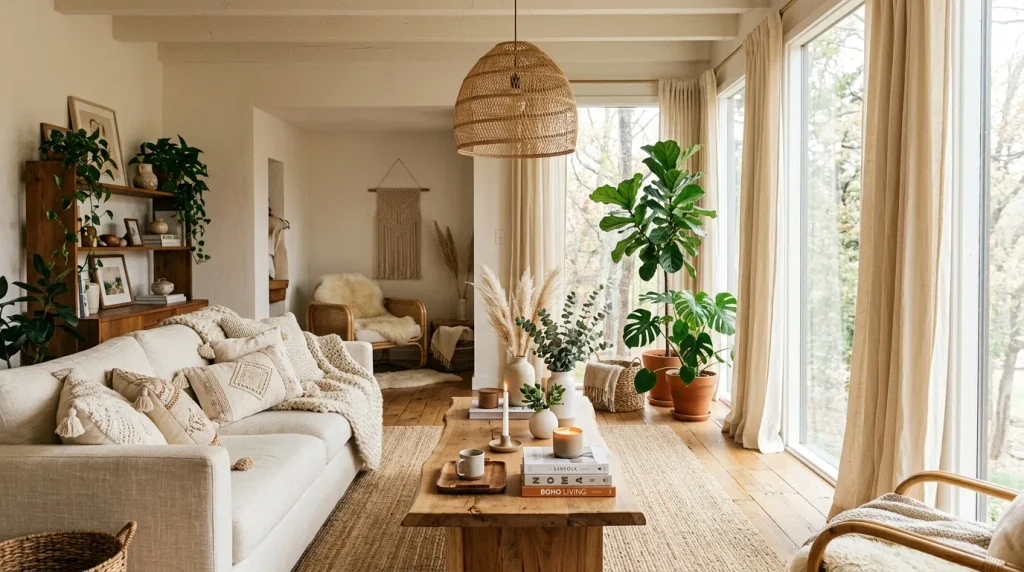
Soft linen curtains can transform harsh window lines into a lighter, more relaxed feature. Choose ivory, oatmeal, or warm beige fabric that allows daylight to filter through gently rather than blocking it completely. Hang the curtain rod slightly above the window frame and extend it wider than the glass to create a larger-looking opening. Floor-length panels add movement and softness while making the ceiling appear taller. This small change can make a room feel more finished without changing the furniture. The natural weave also complements rattan, jute, wood, and other tactile materials beautifully.
For the most effortless look, avoid overly stiff or heavily gathered curtains. Linen blends with a relaxed drape usually create the right amount of softness for a bohemian interior. During the day, sunlight passing through the fabric creates a warm glow across nearby furniture and flooring. At night, pair the curtains with layered lamps for a cozy atmosphere. If privacy is important, add a discreet light-filtering shade behind them. This approach keeps the room bright and functional while giving the windows a softer frame and reinforcing the natural, uncluttered character of the space.
15. Gallery Wall Mix
- Combine artwork, woven pieces, mirrors, and small photographs.
- Keep the color palette connected with earthy neutrals and muted tones.
- Vary frame sizes to create a collected, relaxed arrangement.
- Leave enough breathing room so the wall does not feel crowded.
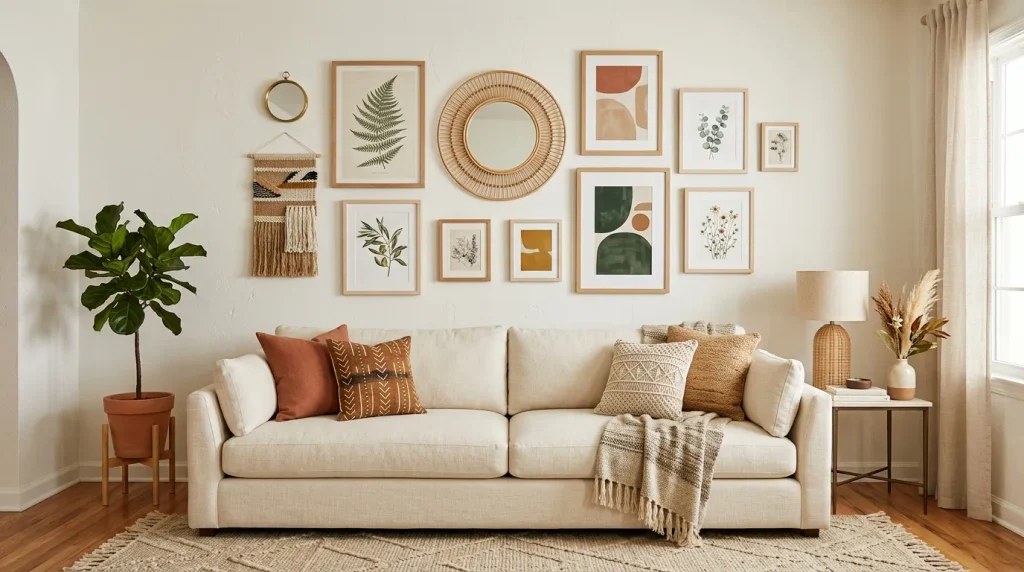
A mixed gallery wall can give a bohemian living room personality without requiring bold furniture or dramatic paint colors. Combine botanical prints, abstract artwork, small photographs, woven textiles, and one simple mirror for variety. Keep the overall palette connected through cream, tan, rust, brown, muted green, and other earthy shades. Varying frame sizes creates the collected feeling that makes this style so appealing. Start by arranging the pieces on the floor before hanging them so you can adjust spacing and balance. This simple planning step prevents the wall from feeling random or overcrowded.
For a more relaxed result, mix natural wood frames with a few simple neutral finishes rather than using identical frames throughout. Let one larger piece anchor the arrangement, then build outward with smaller artwork and textured objects. Leave enough negative space between pieces so every item remains visible. I’ve noticed that gallery walls look more authentic when they include objects with different textures instead of only framed prints. The combination of artwork, woven elements, and natural materials creates depth while keeping the display connected to the warm, casual atmosphere of the room.
16. Earthy Patterned Pillows
- Mix geometric, tribal-inspired, and organic patterns in muted tones.
- Keep the base sofa neutral so the pillows provide controlled contrast.
- Combine different sizes for a relaxed, layered arrangement.
- Repeat one accent color across several pillows for visual connection.
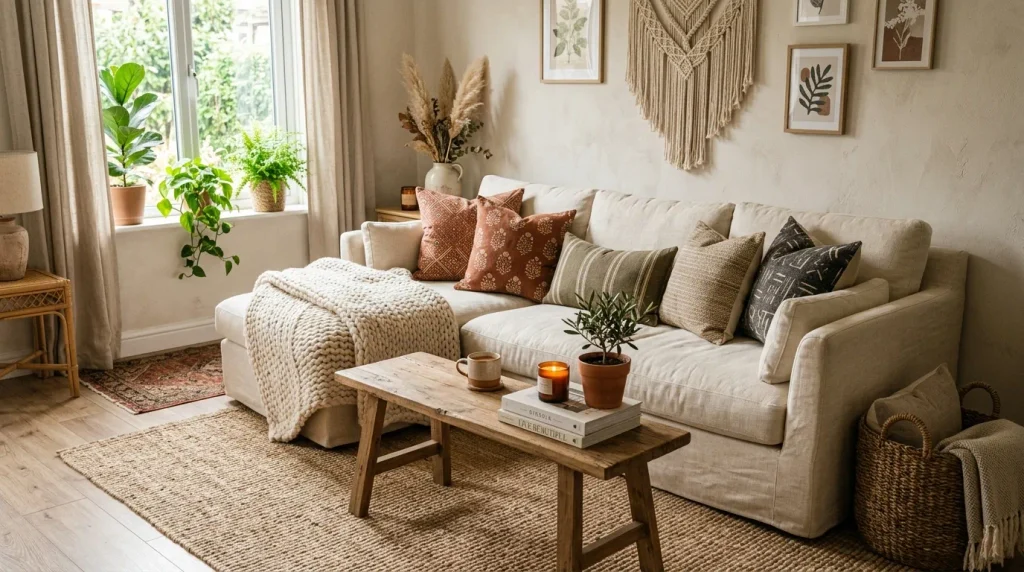
Earthy patterned pillows can add personality to a neutral sofa without changing the room’s larger furniture pieces. Combine geometric shapes, subtle tribal-inspired motifs, faded stripes, and organic patterns in terracotta, beige, rust, olive, and warm brown. Start with two larger pillows at the back, then layer smaller designs toward the center. Keeping the sofa neutral allows the patterns to become the focal detail without making the room feel busy. This is one of the easiest ways to refresh the seating area seasonally because you can swap covers instead of replacing expensive furniture.
The trick is to coordinate colors rather than matching every pattern. Choose one or two recurring shades and let the remaining tones stay quiet. Mixing linen, cotton, woven fabric, and slightly nubby textures makes the arrangement feel more collected and less showroom-perfect. Avoid using too many bold patterns at the same scale because they can compete visually. Instead, let one pillow carry the strongest motif while the others provide supporting texture. A simple throw placed loosely over one sofa arm can complete the arrangement and make the seating area look comfortable rather than overly styled.
17. Handmade Ceramic Decor
- Add imperfect ceramic pieces for a more personal, collected appearance.
- Choose matte finishes in cream, clay, sand, or muted brown.
- Group pieces in different heights for subtle visual layering.
- Use practical vessels such as bowls, vases, and candle holders.
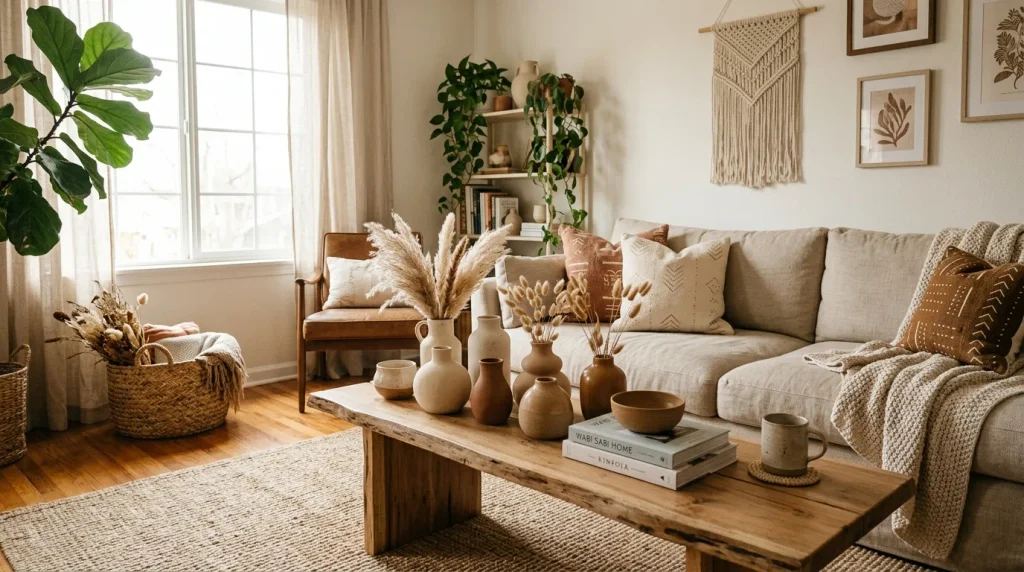
Handmade ceramic pieces bring quiet character to a boho living room because their imperfect shapes feel naturally collected. Place a matte clay vase on the coffee table, a shallow ceramic bowl on a shelf, or a small sculptural vessel beside a stack of books. Choose cream, sand, terracotta, and warm brown finishes that blend naturally with wood and woven materials. Slight variations in shape and texture make the arrangement feel authentic rather than mass-produced. In my experience, just three carefully chosen ceramics can add enough detail to make a neutral room feel finished.
Create small groups instead of spreading individual pieces across every surface. A taller vase beside a shorter bowl and a small candle holder can form a simple visual triangle on a coffee table or shelf. Add dried grasses or a few leafy stems when you want more height and movement. Keep some empty space around the arrangement so the handmade textures remain easy to notice. Ceramic décor is also practical because many pieces can serve useful purposes, from holding flowers to organizing small objects. That combination of beauty and function makes the styling easier to maintain.
18. Woven Storage Baskets
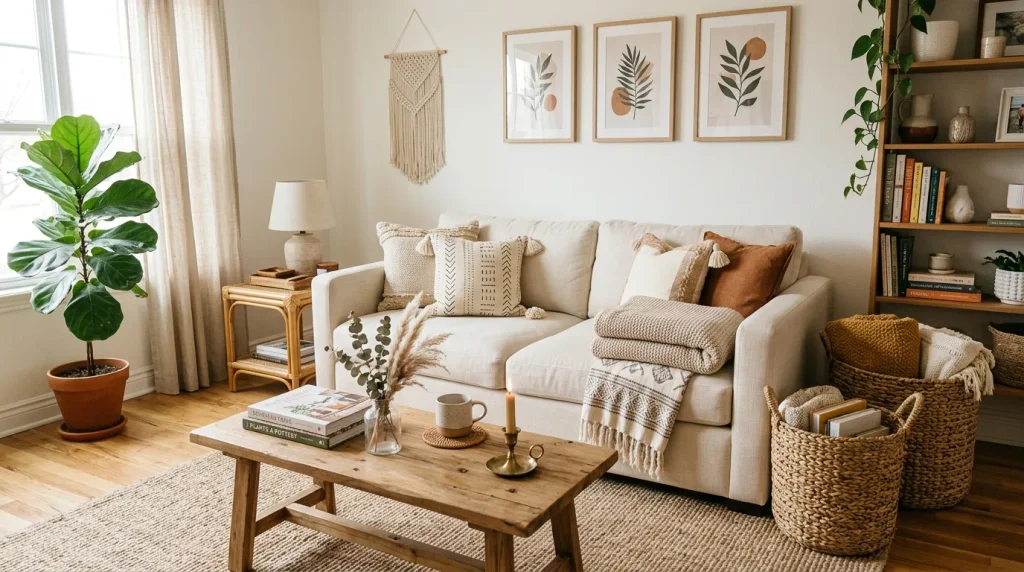
- Use baskets to hide blankets, books, toys, or everyday clutter.
- Choose natural seagrass, rattan, or water hyacinth textures.
- Place larger baskets beside the sofa for easy access.
- Repeat woven materials in two or three areas for cohesion.
Woven storage baskets are one of the easiest ways to make a living room look calmer while solving everyday storage problems. Choose large baskets made from seagrass, rattan, or water hyacinth and place them beside the sofa for blankets, magazines, toys, or extra cushions. Their natural texture adds warmth while hiding items that would otherwise create visual clutter. Keep frequently used pieces within easy reach so the storage remains practical. The combination of useful organization and earthy material makes baskets especially valuable in busy homes where a beautiful room still needs to function every day.
Choose basket shapes according to the items you need to store. A tall basket works well for blankets and throws, while a wider low basket can hold books or children’s items. Matching every basket is unnecessary; slight variations often make the room feel more natural. Place one or two baskets in other areas, such as beside a reading chair or under an open console, to repeat the woven texture. This creates consistency without making the décor look coordinated to the point of being predictable. A tidy room will also make rugs, cushions, plants, and artwork stand out more clearly.
19. Layered Throw Blankets
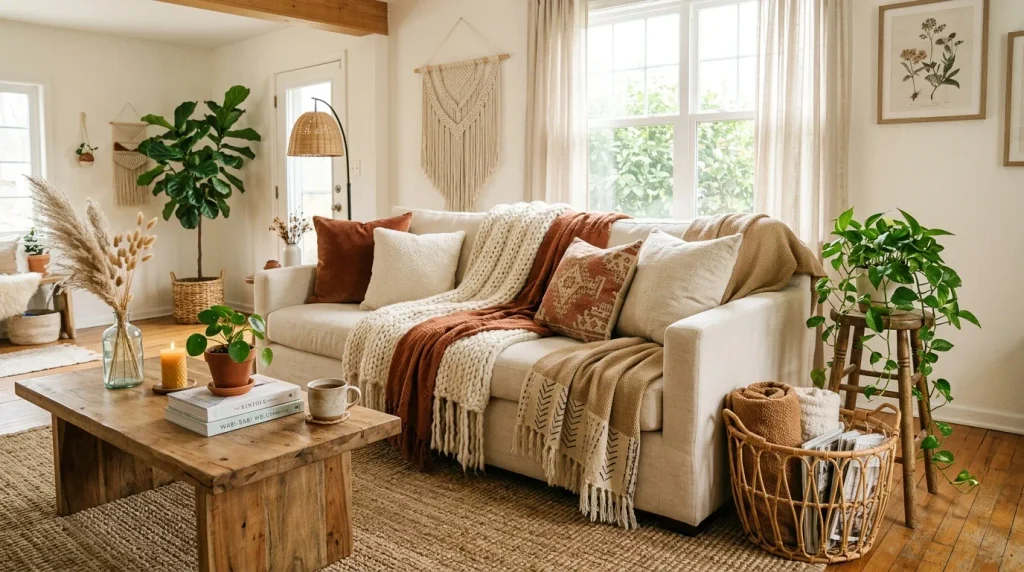
- Drape soft throws casually over sofa arms or chair backs.
- Mix chunky knits with lightweight cotton or linen fabrics.
- Choose warm neutrals with one earthy accent shade.
- Keep extra blankets inside a nearby woven basket.
Layered throw blankets can make a living room look instantly softer and more lived-in. Drape one chunky knit throw over the sofa arm and place a lighter cotton or linen blanket across a nearby chair. Choose ivory, camel, beige, or muted rust so the fabrics add warmth without overwhelming the neutral furniture. Let the throws fall naturally rather than folding them perfectly. That casual placement is part of the appeal. It makes the room look ready for relaxing, while the different fabric weights create visual depth across otherwise simple seating.
Think about function as well as appearance when choosing blankets. If the room is used every evening, select washable fabrics that can handle regular handling and keep an extra blanket inside a woven basket nearby. Mix one heavily textured piece with smoother fabrics to avoid making the sofa look bulky. A single accent shade, such as terracotta or muted olive, can connect the throws with pillows or artwork. This small styling change is inexpensive and easy to update, making it a practical way to keep the room comfortable while maintaining a warm, naturally layered appearance.
20. Organic Shaped Mirror
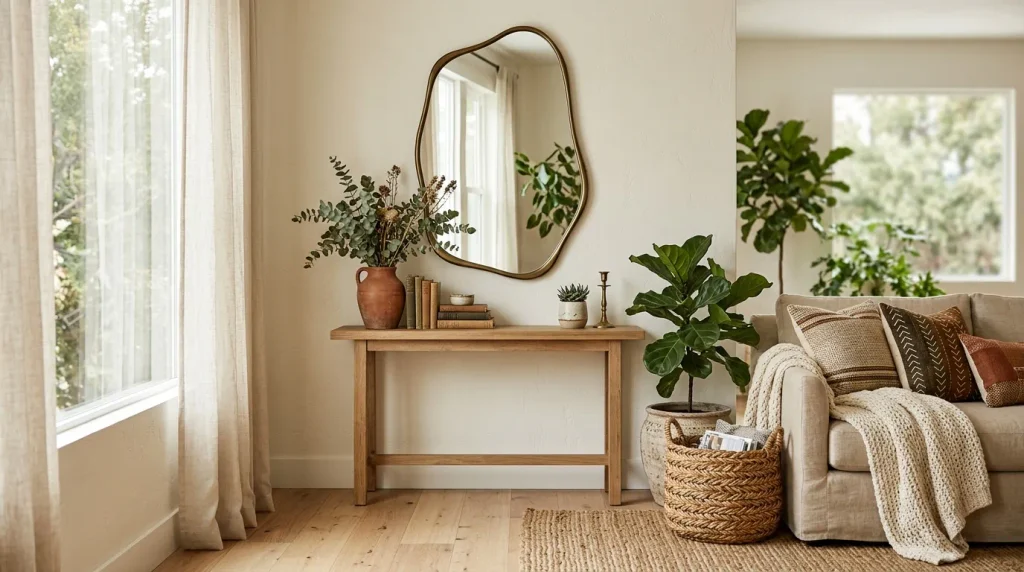
- Choose a softly irregular mirror to break up straight architectural lines.
- Pair it with natural wood, rattan, or woven framing.
- Hang it where daylight can bounce into darker areas.
- Keep nearby accessories simple so the unusual shape remains visible.
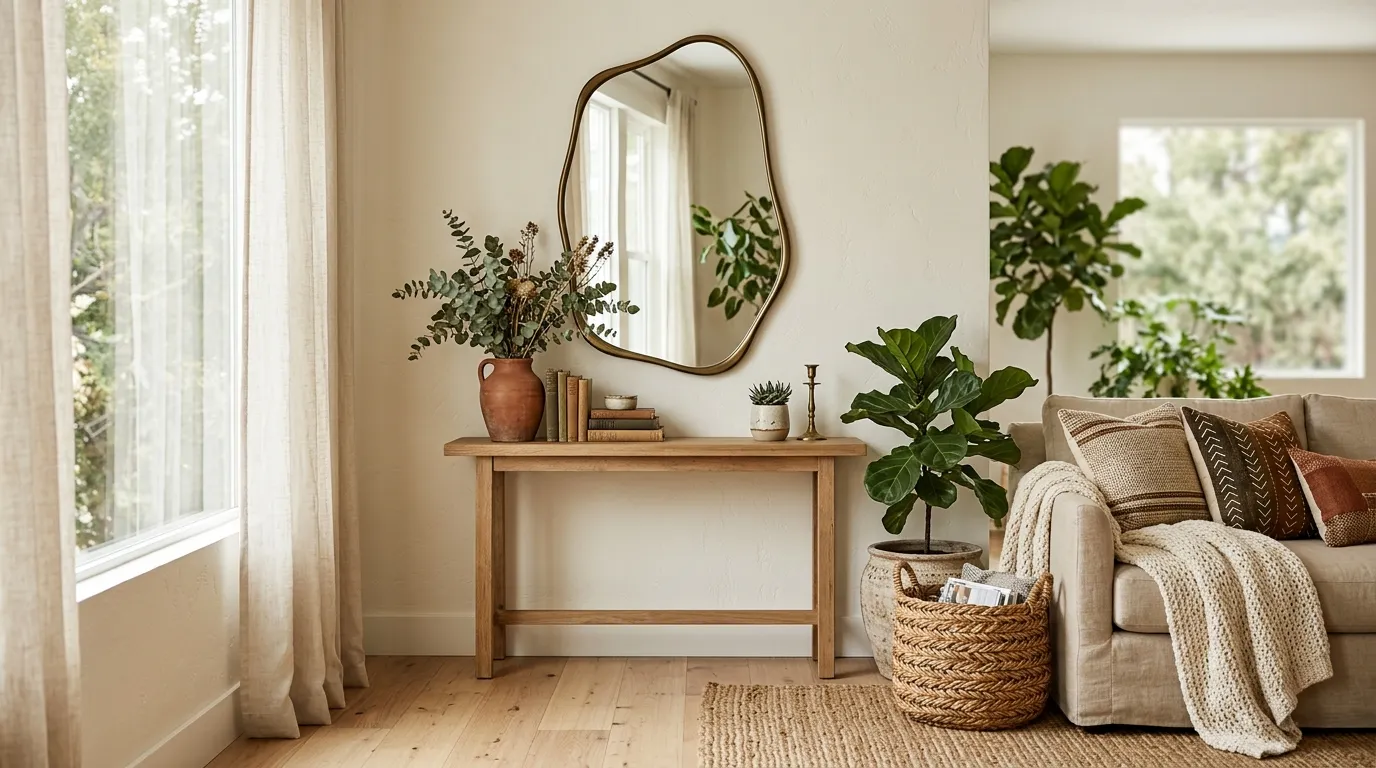
An organic-shaped mirror adds movement to a living room filled with straight lines and rectangular furniture. Look for softly irregular, pebble-like, arched, or asymmetrical silhouettes that feel connected to natural forms. A wood or woven frame can strengthen the bohemian aesthetic while keeping the piece warm and understated. Hang it where it can reflect daylight or an attractive plant arrangement rather than a cluttered area. The reflected light helps brighten darker corners, while the unusual outline creates a subtle focal point. This balance makes the room feel more interesting without relying on bold decorative colors.
Use the mirror as a shape contrast rather than filling the wall around it with competing artwork. A slim wood console underneath can provide a practical surface for one ceramic vase, small plant, or woven tray. If the mirror is large, leave generous empty space around it so its silhouette remains easy to appreciate. For compact rooms, a strategically positioned mirror can also make the floor area appear deeper. I’ve noticed that organic forms work particularly well when repeated subtly through curved furniture, rounded baskets, or natural pottery, creating a cohesive visual rhythm.
21. Warm Ambient Lighting
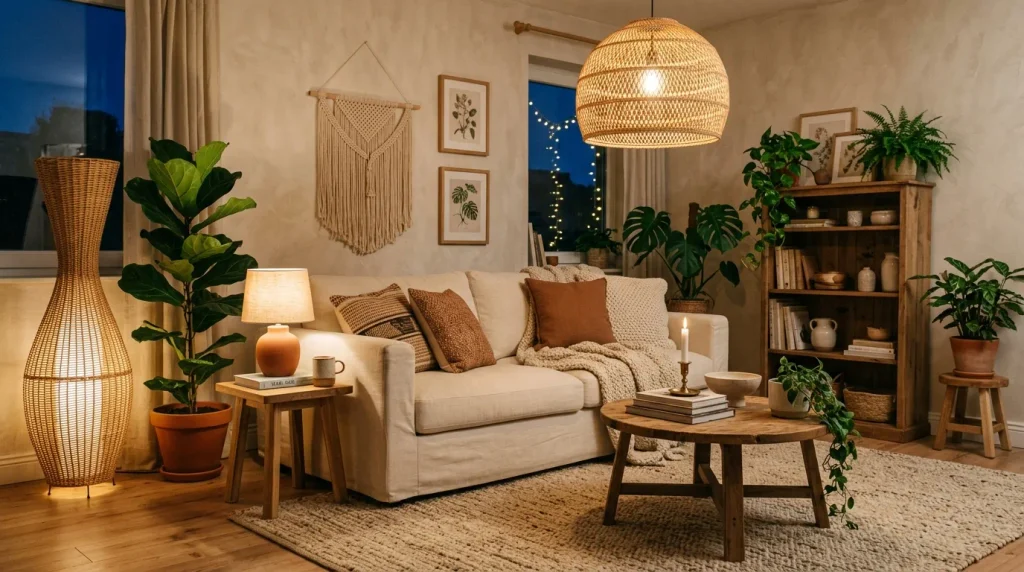
- Combine floor lamps, table lamps, and soft accent lights.
- Choose warm bulbs that complement beige, wood, and terracotta tones.
- Place lamps at different heights for layered illumination.
- Use shaded fixtures to soften direct glare in seating areas.
Warm ambient lighting can completely change how a boho living room feels after sunset. Instead of relying on one bright ceiling fixture, combine a woven floor lamp, small table lamp, and soft pendant at different heights. Choose warm bulbs that flatter cream upholstery, natural wood, terracotta, and woven textures. The layered illumination creates gentle pools of light, making the room feel calmer and more intimate. Place a floor lamp beside the sofa for reading, while a table lamp can brighten a darker corner. Each source should serve a purpose while contributing to the overall atmosphere.
Pay attention to where the light falls rather than simply adding more fixtures. Lamps with fabric, paper, or woven shades diffuse brightness and reduce harsh glare across the seating area. A dimmable bulb can also make the room easier to adapt from daytime activities to evening relaxation. Keep cords safely positioned and avoid blocking walking paths with floor lamps or furniture. In my experience, thoughtful lighting often has a bigger impact than adding more décor because it changes how every texture and color in the room is perceived once natural daylight disappears.
22. Earthy Accent Wall
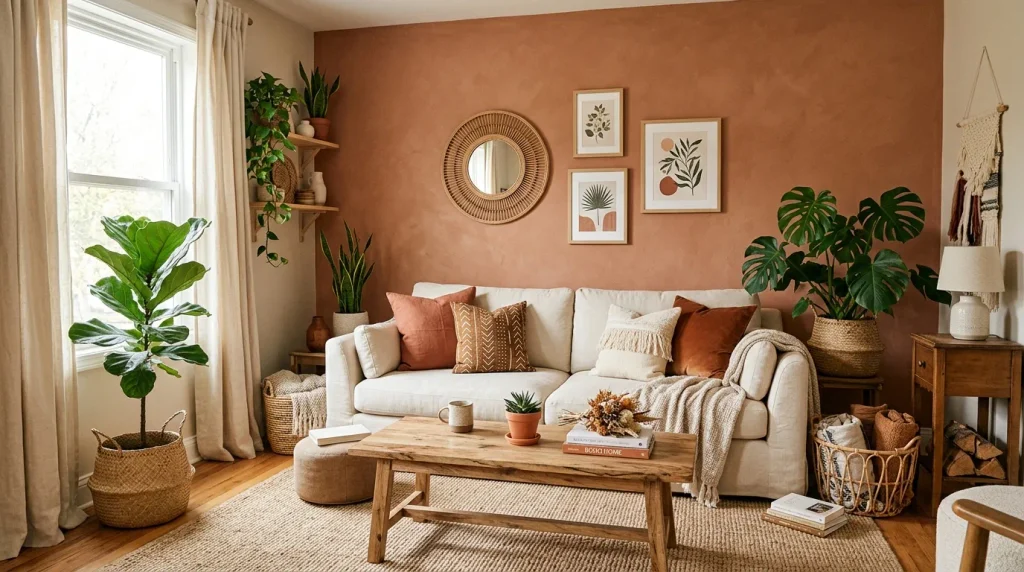
- Use warm clay, beige, muted olive, or soft brown on one wall.
- Keep surrounding furniture neutral so the wall becomes the backdrop.
- Choose a matte finish for a softer, natural appearance.
- Repeat the wall color through cushions, pottery, or artwork.
An earthy accent wall can give a neutral living room a stronger sense of depth without changing the entire color scheme. Warm clay, muted olive, sandy beige, or soft brown can work beautifully behind a cream sofa or natural wood furniture. Choose a matte finish to keep the color soft rather than overly reflective. The wall then becomes a quiet backdrop for woven baskets, artwork, plants, and textured cushions. This approach is especially useful when the room feels visually flat because one concentrated color creates definition while leaving the rest of the space light and breathable.
Before painting, test the color at different times of day because natural and artificial light can change how warm shades appear. Once the wall color is chosen, repeat it in small accessories rather than introducing several new colors. A terracotta cushion, clay vase, or muted artwork detail can create subtle continuity. If you rent, consider a removable wallpaper or fabric treatment in a similar earthy tone. The goal is not to make the accent wall dominate the room. Instead, it should support the natural textures and relaxed furniture while giving the space a more finished appearance.
23. Relaxed Floor Seating
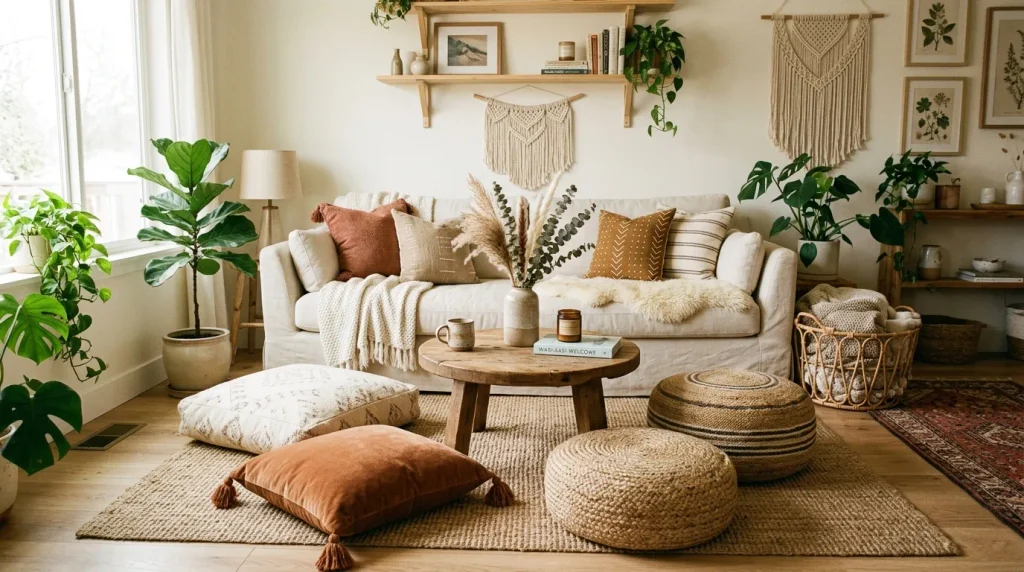
- Create a casual lounging zone with cushions, poufs, and a low table.
- Mix woven, linen, and cotton textures for comfortable layering.
- Keep seating close to the floor for an informal atmosphere.
- Choose washable covers when the area will receive frequent use.
Relaxed floor seating gives a living room a flexible gathering area that feels casual without requiring additional full-size furniture. Arrange oversized cushions, woven poufs, and a low wooden table over a textured jute or wool rug. Keep the colors grounded in cream, beige, camel, rust, and muted olive so the arrangement feels connected to the rest of the room. Guests can pull cushions closer during conversations, while poufs can double as footrests or occasional seating. This setup works particularly well for informal gatherings because it encourages people to settle in rather than treating the room like a formal sitting area.
Choose sturdy, washable covers if the seating will be used frequently, and leave enough open space around the arrangement for comfortable movement. A low table provides a convenient surface for drinks, books, or snacks without visually blocking the room. You can also add a woven basket nearby to store cushions when they are not needed. That makes the setup easier to manage in everyday life. In my experience, floor seating works best when it complements standard furniture rather than replacing it completely, giving the room flexibility while preserving comfort for guests who prefer traditional seating.
24. Cozy Boho Gallery
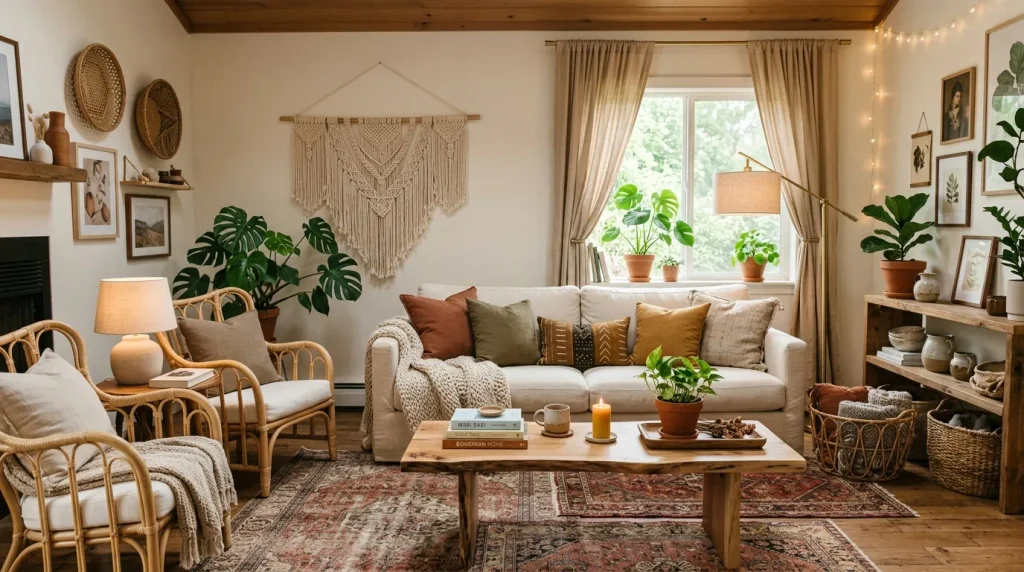
- Combine natural textures, warm colors, and meaningful decorative pieces.
- Balance artwork with plants, ceramics, baskets, and soft textiles.
- Keep the main seating area comfortable and visually uncluttered.
- Repeat materials throughout the room for a cohesive finished look.
A complete boho living room feels most successful when every element works together rather than when every surface is decorated. Combine a neutral sofa, natural wood table, woven chairs, layered rugs, earthy cushions, plants, ceramics, baskets, and soft lighting to create a balanced composition. Keep the largest pieces simple so smaller details have room to shine. This is where cozy boho living room ideas become genuinely useful: the goal is not to copy one exact room, but to combine practical elements that create comfort, texture, and personality. The finished space should look collected, welcoming, and easy to live in.
Start with the pieces you already love, then build outward with natural materials and a restrained earthy palette. Repeat wood, rattan, linen, clay, and woven textures throughout the room so the different zones feel connected. Avoid buying everything at once; adding pieces gradually often creates a more personal result. A comfortable layout should always come before decoration, with clear walking paths and useful storage. The best bohemian rooms feel relaxed because they accommodate real life. When comfort, function, texture, and visual balance come together, the space feels warm without becoming crowded or overly styled.
Conclusion
Creating a warm, relaxed living room doesn’t require a complete makeover. With the right textures, earthy tones, layered fabrics, natural elements, and personal accents, you can make your space feel inviting and full of character. These cozy boho living room ideas offer simple inspiration you can adapt to your own style, budget, and room size. I’ve seen how small updates can completely transform a space, especially when comfort stays at the center of the design. Save this post on Pinterest for your next decorating project, try an idea that speaks to you, and share it with someone who loves cozy interiors. Your dream retreat can start today!